













Thick vs Thin Press-On Nails: Which Should You Choose?
By SHANGMENG Product Team, press-on nail specialists.
Quick Answer: Thick press-on nails are false nails with a sturdier, heavier free edge that resists bending and reads like a salon gel or acrylic manicure, while thin press-on nails are lighter and more flexible but bend more easily and can look flat on the nail. For most people the best set is tapered: thick at the tip for strength, thin at the cuticle so it sits flush.
You open a new set, squeeze one nail between two fingers, and it bends like a guitar pick. Or the opposite happens: the nail sits on your finger like a small roof tile, and the ledge at your cuticle is the first thing anyone notices.
A salon gel or acrylic set feels solid because of how it is built: some body at the tip, almost nothing at the cuticle. A press-on can copy that build for far less, but only if it is shaped the same way. Thickness is the quality signal people feel first. Yet "thick" and "thin" are rarely defined. A listing that says "thick" might mean a sturdy tip, a heavy cuticle end, or simply a nail that feels solid in the box.
This guide puts numbers on the question. We use the tip and cuticle measurements printed in the mold catalog from the factory behind our soft-gel sets. We also explain why a tapered nail usually beats both extremes, and how to choose by shape, lifestyle and nail curve.
Thick vs Thin Press-On Nails at a Glance
Most buying advice treats thickness as one number. It is really two: the thickness at the tip (the free edge you see and tap) and the thickness at the cuticle end (the part that meets your skin). Here is how the three common builds compare.
| Thick all over | Thin all over | Tapered (thick tip, thin base) | |
|---|---|---|---|
| Feel when you press the tip | Solid, no give | Bends easily | Solid at the edge |
| Resistance to bending | High | Low | High where it matters |
| Look at the cuticle | Visible ledge | Flush | Flush |
| Look from the side | Bulky edge | Flat, can look papery | Like a salon gel or acrylic set |
| Fit on curved nails | Can rock or lift at the sides | Flexes to fit | Base flexes, tip holds shape |
| Best for | Occasional wear, long dramatic shapes | Very short, minimal looks | Everyday wear, most shapes |
The tapered build is what most salon gel and acrylic manicures look like. It is also how most of the molds behind our soft-gel sets are drawn: each mold in the table below is several times thicker at the tip than at the cuticle end.

What "Thick" Actually Means on a Press-On Nail
There is no industry standard for a "thick" press-on. Brands use the word loosely, and few publish measurements. So we went to the source: the mold catalog from Xianxing Beauty, the Guangdong factory behind our soft-gel sets. For each mold it prints a "nail thickness display" with two values, one at the tip and one at the cuticle end.
According to that catalog, the main molds behind our soft-gel sets are specified as follows.
| Mold | Shape | Tip thickness | Cuticle-end thickness |
|---|---|---|---|
| MH-7 | Medium Round | 0.90 mm | 0.23 mm |
| MH-3 | Short Almond | 0.97 mm | 0.22 mm |
| MH-4 | Short Oval | 1.00 mm | 0.25 mm |
| MH-9 | Square | 1.10 mm | 0.30 mm |
| LH-8 | Medium Almond | 1.10 mm | 0.26 mm |
| MH-6 | Medium Square | 1.20 mm | 0.28 mm |
| LH-10 | Medium Duck Shape | 1.20 mm | 0.25 mm |
| LH-9 | Long Square | 1.23 mm | 0.26 mm |
| MH-5 | Short Square | 1.36 mm | 0.21 mm |
Source: factory mold catalog, thick line, pages 4–5. These are catalog specifications for each mold, not measurements of individual nails.
Three things stand out. First, every tip in the table sits between 0.90 and 1.36 mm. Second, every cuticle end in the table sits between 0.21 and 0.30 mm, so the base is roughly three and a half to six and a half times thinner than the tip. Third, the thickest tip in the range belongs to a short shape, not a long one: the Short Square mold.
For contrast, the same factory also publishes a catalog for an older thin ABS line. In that catalog, 23 of the 26 listed molds have tips between 0.3 and 0.75 mm, and most of those sets come in 12 sizes rather than 16. That is what "thin press-ons" usually means in practice: a light, bendy nail with less material at the edge. Most of the soft-gel molds above come as 32 nails in 16 sizes.
If you want the wider picture of what separates a well-made set from a cheap one, our guide to high-quality press-on nails covers material, curve, finish and kit contents.
Why Thickness Changes Strength, Fit and Wear
Thickness does three different jobs, and they pull in different directions. That is why a nail that is thick everywhere is rarely the answer.
Strength lives at the tip: what makes press-on nails sturdy
The free edge is the part that takes the knocks: typing, opening a can, pulling a card out of your wallet. A thicker edge resists bending far more than its extra fraction of a millimeter suggests. In basic engineering terms, a flat plate's stiffness rises with the cube of its thickness, so doubling the thickness of a tip makes it about eight times harder to bend. That is the main reason a 1 mm soft-gel tip feels so different from a 0.5 mm one, and why press-on nails that don't bend carry their thickness at the edge.
Length matters too. A longer nail acts as a longer lever, so the same knock puts more force on it. That is one reason the Long Square mold in the table carries a 1.23 mm tip.
Fit lives at the cuticle
Your natural nail curves side to side, and no two fingers curve quite the same way. The cuticle end of a press-on has to follow that curve without leaving a gap. A thin, slightly flexible base can do that; a thick, rigid one cannot. When the base is too stiff, the nail rocks at the sides, glue fills the gap unevenly, and lifting often starts there.
The same principle shows up in salon advice. According to the American Academy of Dermatology, gel nails are "more flexible than acrylic nails," which "means your own nails are less likely to crack." That guidance is about salon enhancements rather than press-ons, but the idea carries over to fit: a base that can flex works with your nail instead of against it.
Wear depends more on prep than on thickness
A thick tip will not keep a nail on by itself. How long a set lasts depends mostly on three things: the right size, a clean and dry nail surface, and the adhesive you choose. With nail glue and proper prep, our sets wear for up to 2 weeks. Adhesive tabs are better for a shorter wear, a single event, or trying a new shape.
If your sets lift early, look at prep before you blame the nail. Our nail prep routine for press-on nails and our nail glue guide cover the steps that make the biggest difference.

Do Thick Press-On Nails Look Fake?
They can, but usually not for the reason people expect. What gives a press-on away is rarely the tip. It is the cuticle end and the side profile.
A thick tip reads as a gel or acrylic manicure, because that is what a salon set looks like: a little body at the edge, a clean line where the nail meets the skin. A thick cuticle end reads as fake, because it leaves a visible step at the base. That is why tapering matters more than the headline thickness.
Shape changes how much of the edge people see. A square or ballerina tip presents a flat, straight edge that shows its full thickness when viewed head-on. An almond or oval tip narrows toward the end, so there is less visible edge. If you want the most natural look from a sturdy set, short almond and short oval shapes are the easiest place to start; our almond press-on nails and short press-on nails collections are a good shortlist.
Fit matters as much as shape. A nail that is one size too wide sits on the skin at the sides and makes even a thin base look bulky. Choose the size that covers your nail from side wall to side wall without touching skin; when you are between sizes, go smaller and file if needed. Our press-on nail size guide shows how to measure.
For more on choosing understated sets, see our guide to natural-looking press-on nails.

What customers say about thickness
"This brand is the perfect thickness." — Customer review on our store

Which Thickness Is Right for You?
Start with how you use your hands, then pick the shape and thickness that suits that life. The ranges below come from the catalog table above.
| If you… | Look for | Shapes to try |
|---|---|---|
| Type, cook or work with your hands all day | A sturdier tip (about 1.1–1.36 mm), short length | Short Square, Square |
| Want the most natural look, or it's your first set | A tapered nail with a lighter tip (about 0.9–1.0 mm) | Short Almond, Short Oval |
| Have strongly curved nails | A thin, flexible cuticle end and a snug size | Almond, Oval |
| Have flat or wide nail beds | A wider, flatter shape; dry-fit every finger | Square, Medium Square |
| Love long or dramatic shapes | A tip of 1.1 mm or more to resist leverage | Long Square |
Not sure where you fit? Our Press-On Nail Finder asks a few questions about your nails and style and suggests a starting point. If you are still unsure, start short. A short set with a sturdy tip is the easiest way to learn your size and your prep routine. Our square press-on nails include the Short Square mold with the thickest tip in the range.
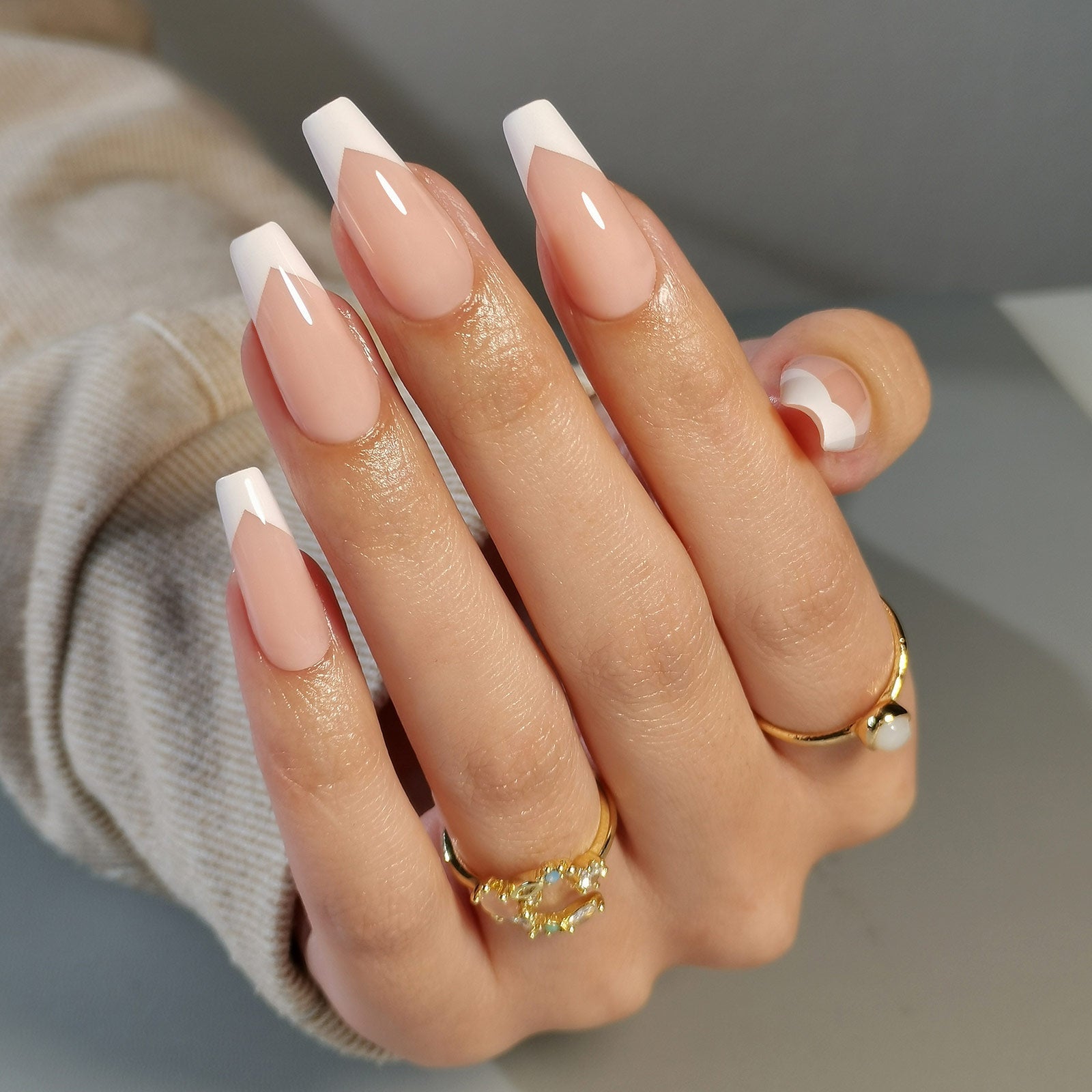
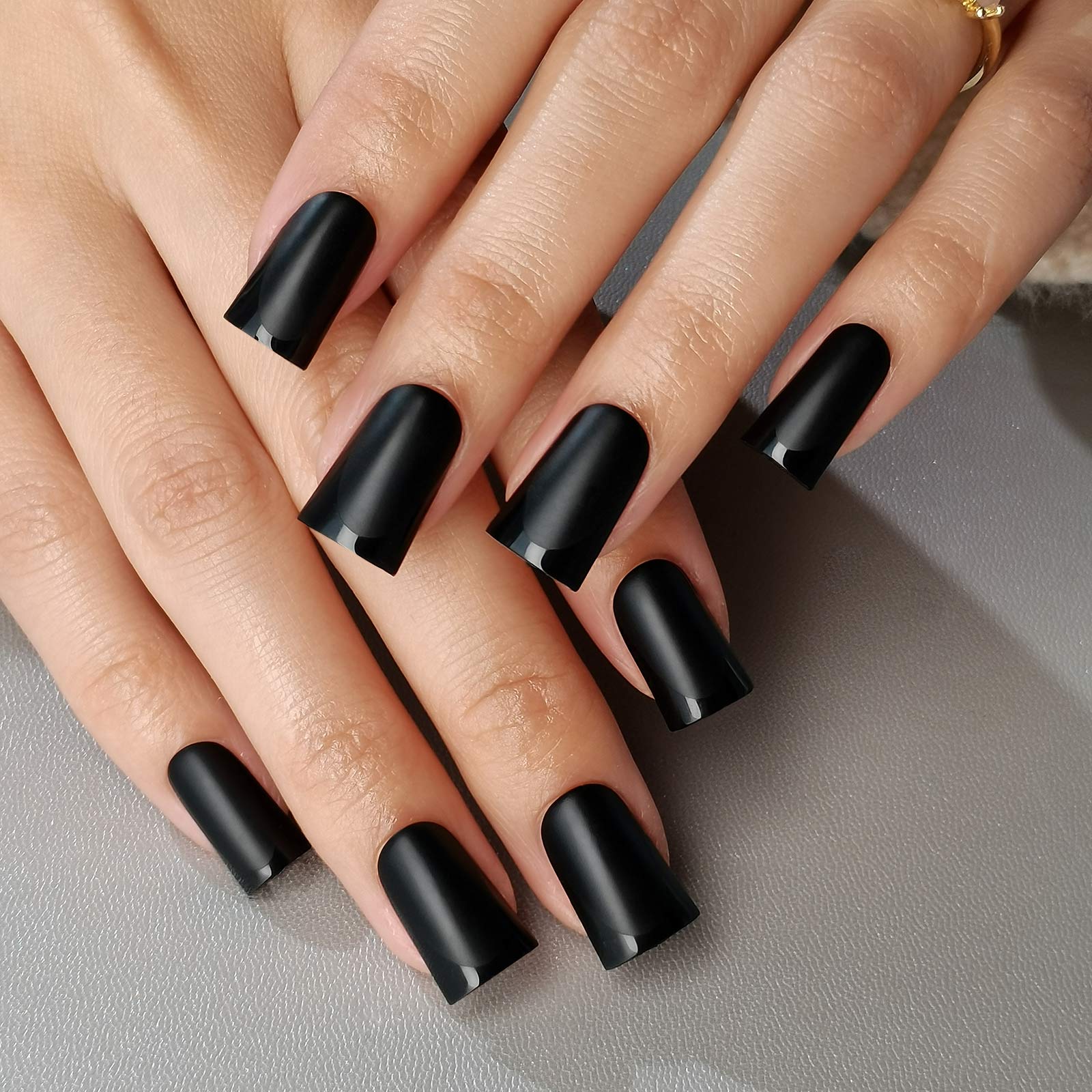
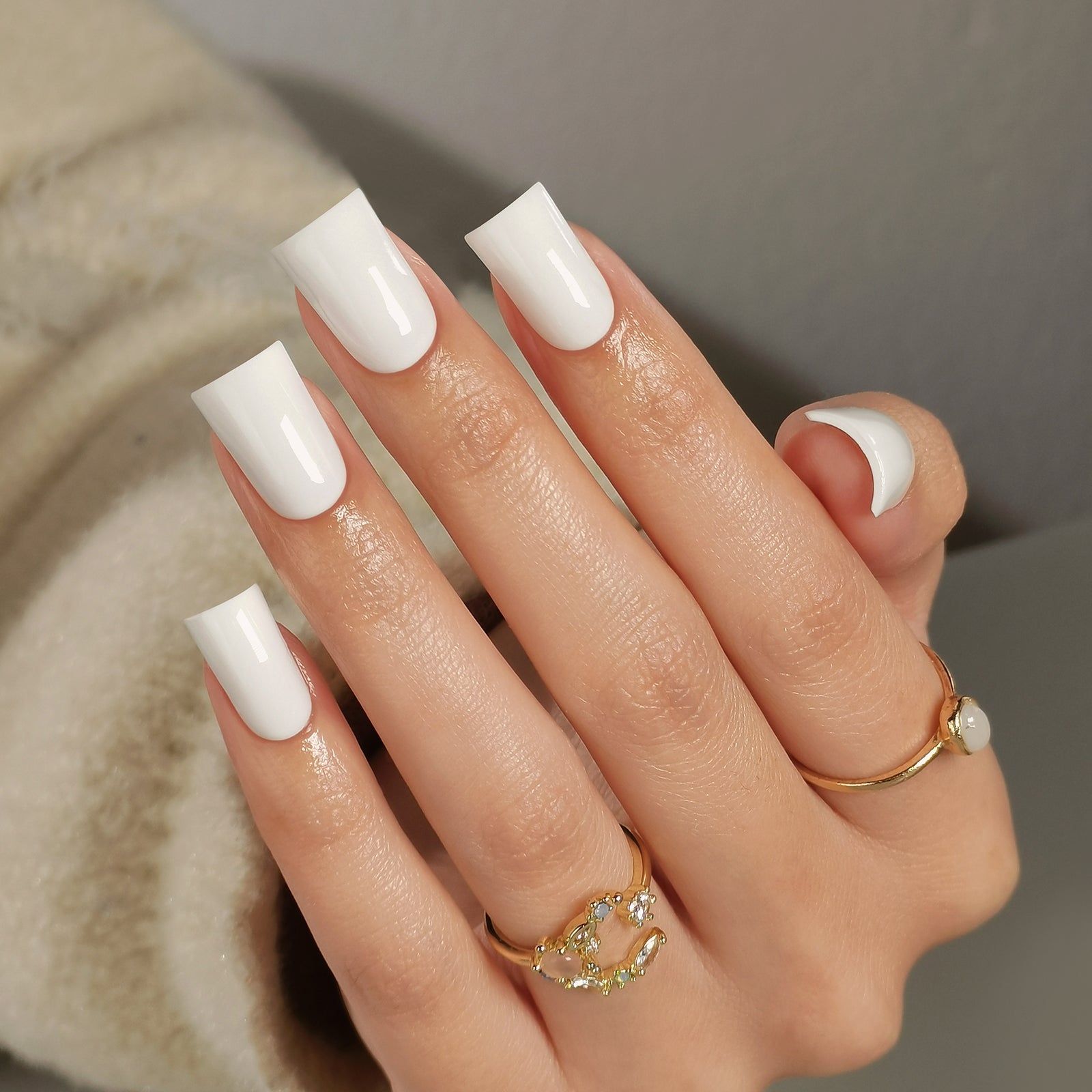
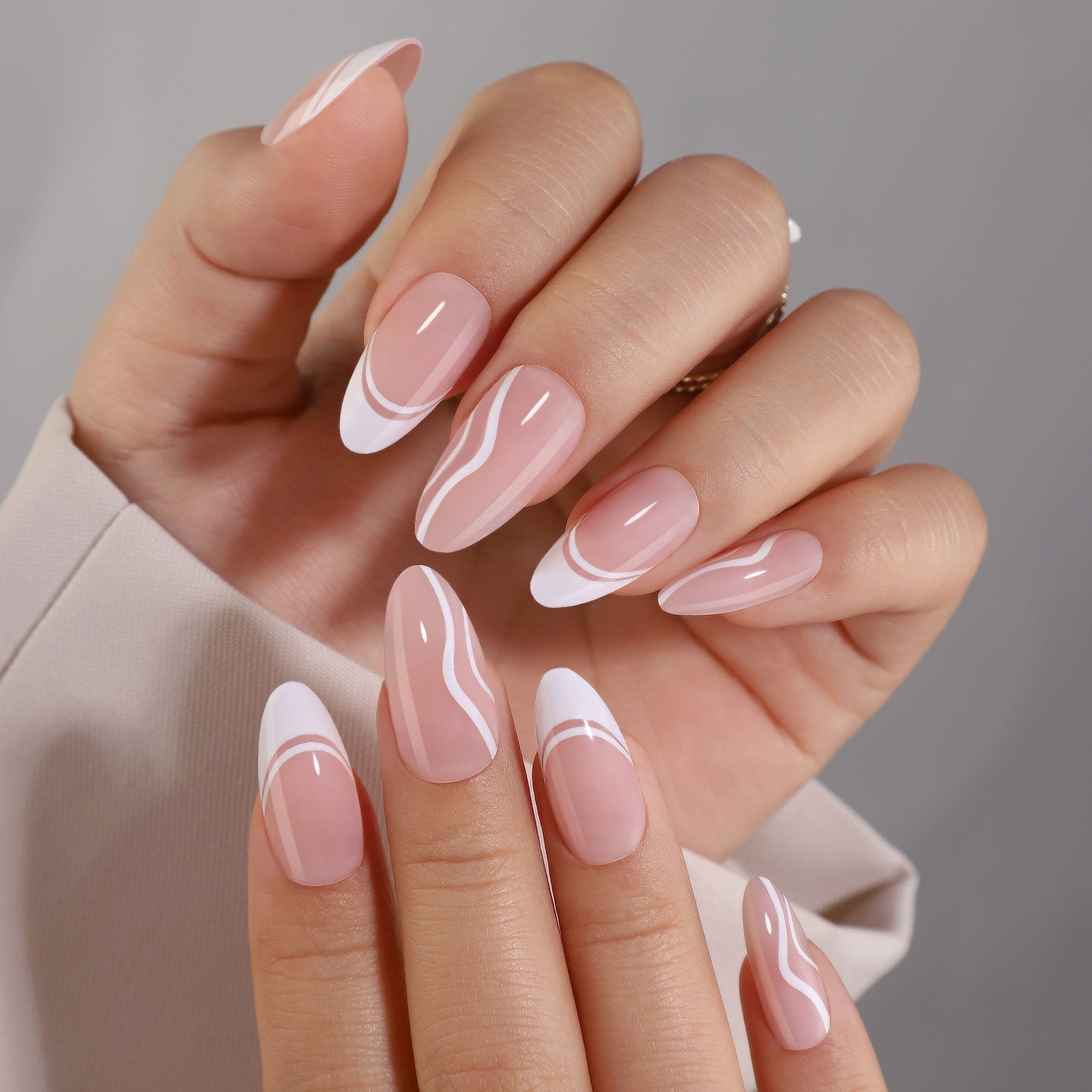
Here are three sets that cover the spread, from the lightest tip to the sturdiest:


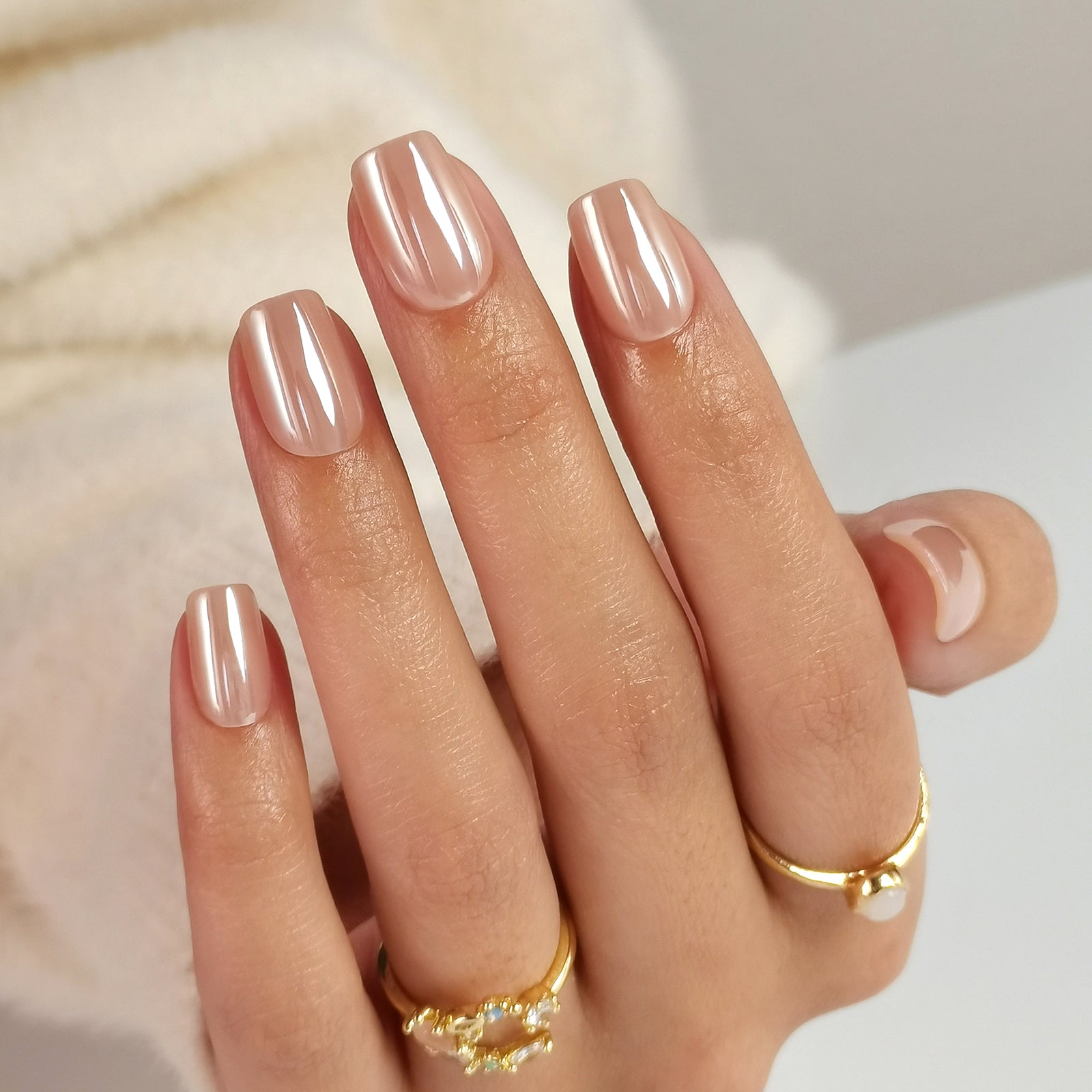
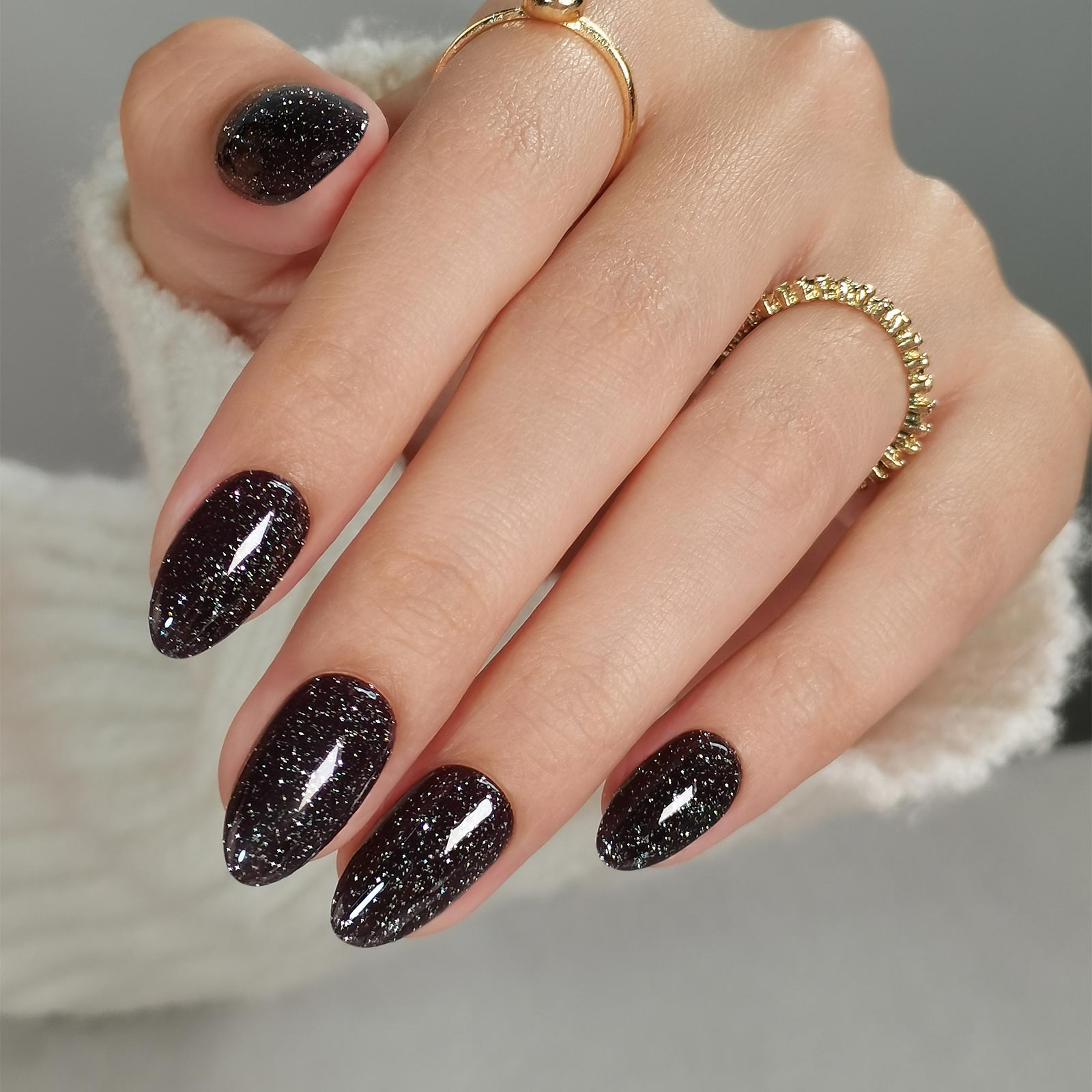
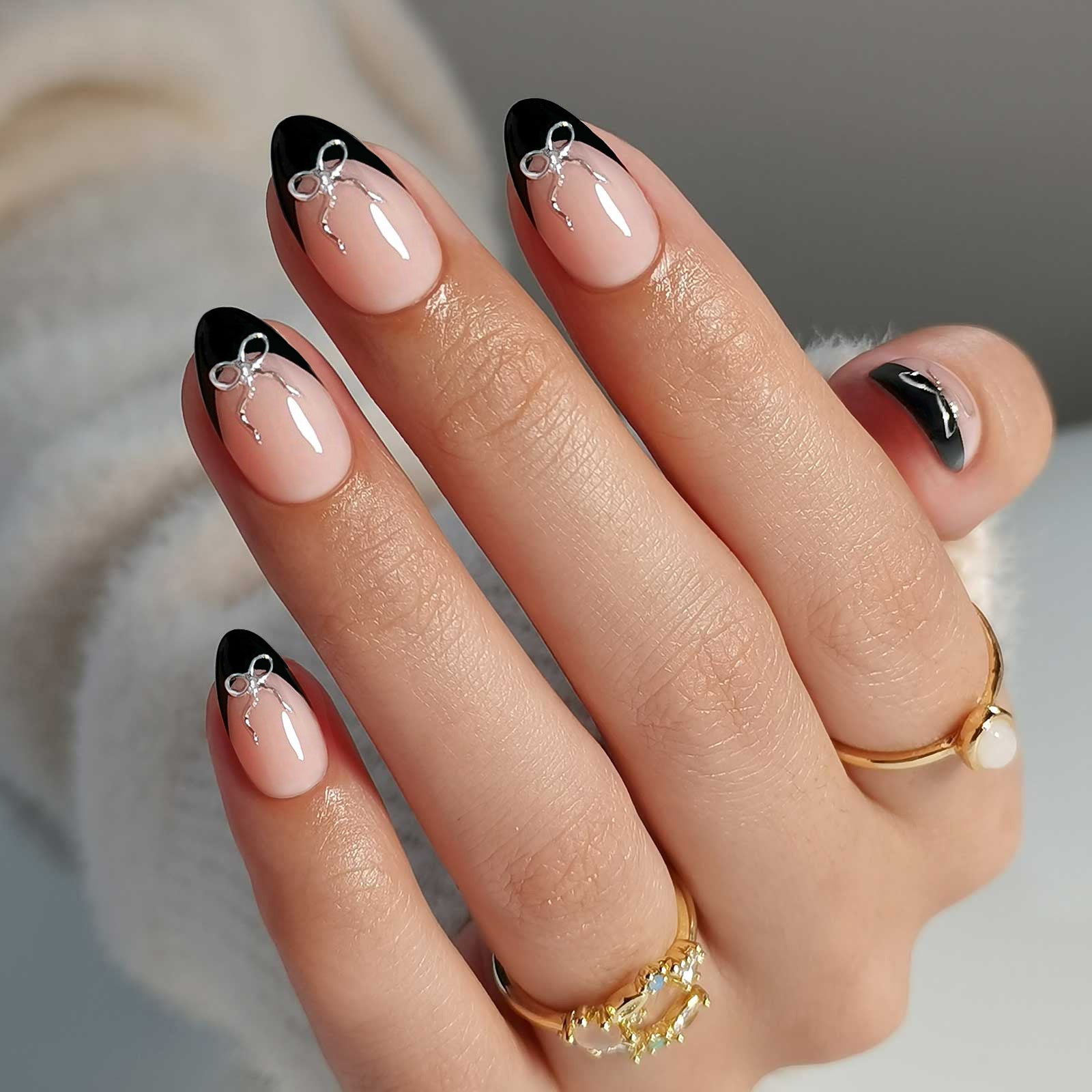
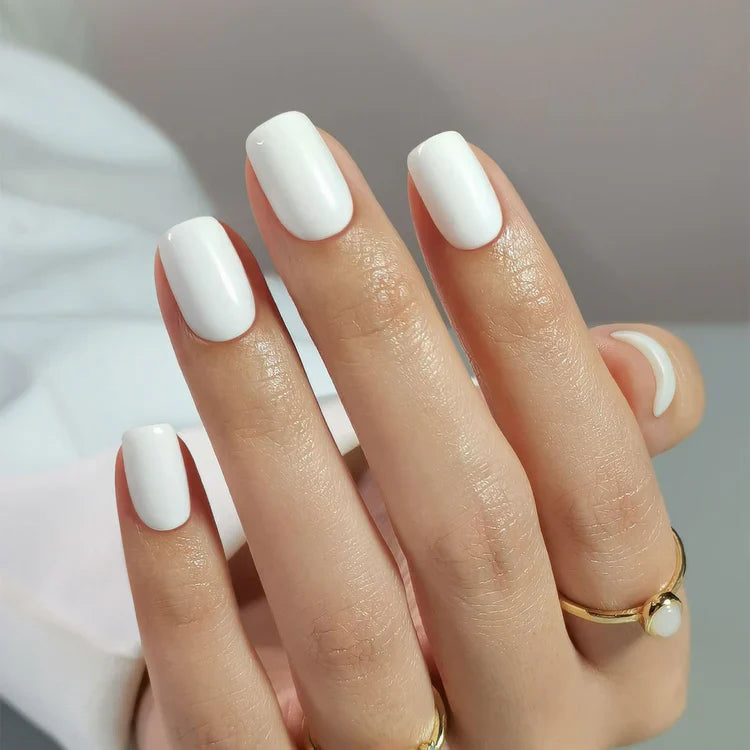
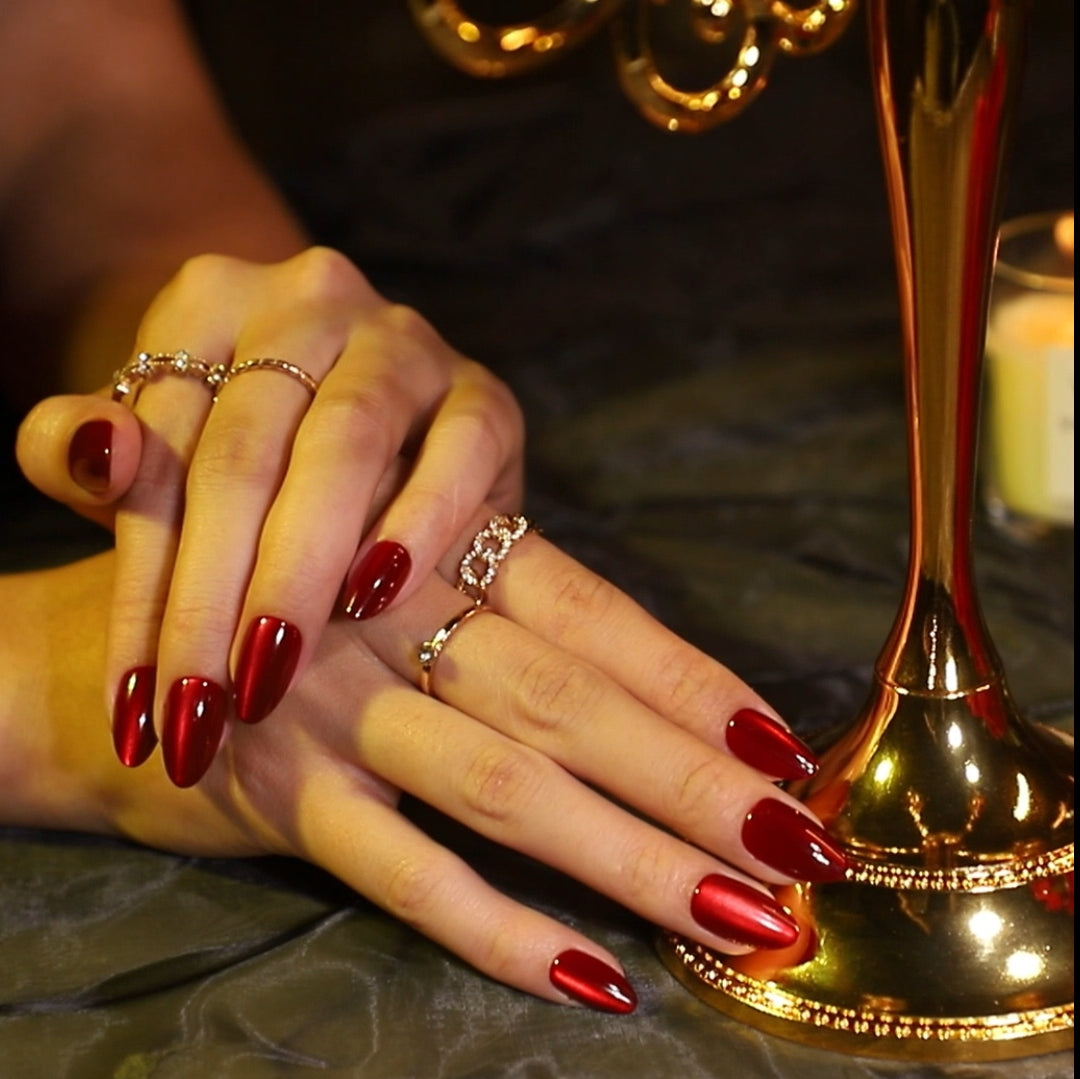
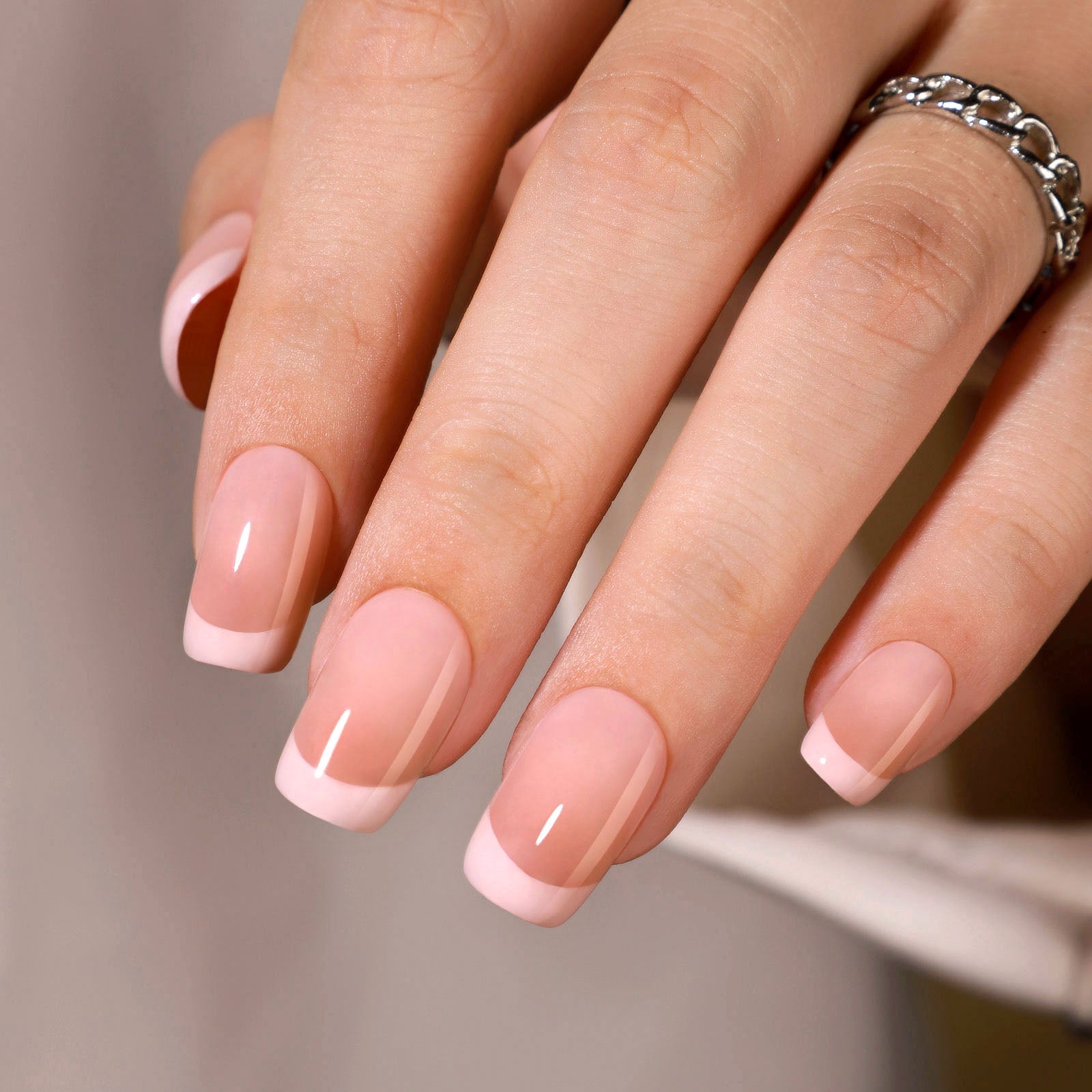
The Cherry Red Velvet set uses the Medium Round mold (0.90 mm tip), the Buttermilk French set uses the Short Almond mold (0.97 mm), and the Glazed Donut set uses the Short Square mold (1.36 mm). Prefer to browse everything? Explore More in our soft gel press-on nails collection.

How to Get the Most From Sturdy Press-Ons
A sturdy nail only performs if it is sized and applied well. This short routine covers the steps that matter most.
- Size every finger before you open the glue. Lay out the nails, then dry-fit each one. The cuticle end should cover your nail from side wall to side wall without touching skin. Your left and right hands may need different sizes.
- Prep the surface. Push back the cuticles gently, lightly buff the shine off your natural nail, then wipe each nail clean and let it dry. Oil and moisture on the nail weaken the bond.
- Choose your adhesive for the occasion. Every SHANGMENG kit includes nail glue, and our kits also include adhesive tabs. Use glue for the longest wear, up to 2 weeks with proper prep; use tabs for a shorter wear or an event.
- Press from the cuticle down and hold. Angle the nail in at the cuticle, lay it flat toward the tip, and press firmly for 20–30 seconds so the bond sets.
- Treat the first hours gently. Avoid long soaks, hot water and heavy tasks right after application, and wear gloves for washing dishes.
- Remove gently. Soak in warm, soapy water with a little oil until the nails loosen. Do not pry or rip them off. Our safe removal guide walks through the options.
One caution from the regulator side: according to the U.S. Food and Drug Administration, artificial nails are "composed primarily of acrylic polymers," and traces of reactive monomers in nail products could cause an adverse reaction, so the FDA advises avoiding contact with the skin. Press-ons involve no monomer mixing at home, but the same habit is sensible with nail glue: keep it on the nail, not on your cuticles or fingertips.
If you are still weighing press-ons against a salon visit, our comparison of short acrylic nails vs press-on nails looks at cost, time and upkeep.

Frequently Asked Questions
Are thick press-on nails better than thin ones?
Not automatically. A thick tip resists bending, but a thick cuticle end looks bulky and fits curved nails poorly. The best build is tapered: sturdy at the tip, thin at the base. According to our factory's mold catalog, most of our soft-gel molds have tips of 0.90–1.36 mm and cuticle ends of 0.21–0.30 mm.
How thick are SHANGMENG press-on nails?
According to the mold catalog from the factory behind our soft-gel sets, most molds have tips between 0.90 mm (Medium Round) and 1.36 mm (Short Square), with cuticle ends between 0.21 and 0.30 mm. These are catalog specifications per mold, not measurements of individual nails.
Do thick press-on nails last longer?
Not on their own. A sturdier tip is less likely to bend or snap, but how long a set stays on depends mostly on sizing, nail prep and adhesive. With nail glue and proper prep, our sets wear for up to 2 weeks. Prep steps are in our nail prep guide linked above.
Can I make thick press-on nails look thinner?
Yes, within limits. You can file soft-gel tips to shorten them or soften the shape, and a shorter length makes a sturdy edge less noticeable. Reviewers on our store mention reshaping their sets with a file. Avoid filing through the color layer, and pick a size that doesn't touch your skin.
Do thin press-on nails look more natural?
Only at the cuticle. A thin base sits flush and looks like your own nail, but a thin tip can look flat and bend under pressure. Salon gel and acrylic sets have some body at the edge, which is why a tapered press-on usually looks the most natural. Our natural-look guide covers shape and color choices.
Are soft gel press-ons the same as acrylic nails?
No. According to the FDA, salon artificial nails are made mainly from acrylic polymers formed by reacting monomers. Press-on nails arrive already shaped and finished, so you don't mix or cure anything at home.
The Bottom Line
Thickness is worth asking about, but ask the right question. "Is it thick?" tells you little. "How thick is the tip, and how thin is the base?" tells you almost everything about how a press-on will feel, fit and look.
For most people, the answer is a tapered nail: around 0.9–1.0 mm at the tip for a natural short set, 1.1 mm or more for long shapes and busy hands, and a cuticle end thin enough to disappear. Start with a short shape, size every finger, prep well, and use glue when you want the longest wear.
Ready to try a sturdy set that still looks like your own nails? Start with our best-selling press-on nails, or browse the full soft gel press-on nails collection by shape.

For more guides about press-on nail quality, sizing and nail prep, visit our blog.
Compartir