





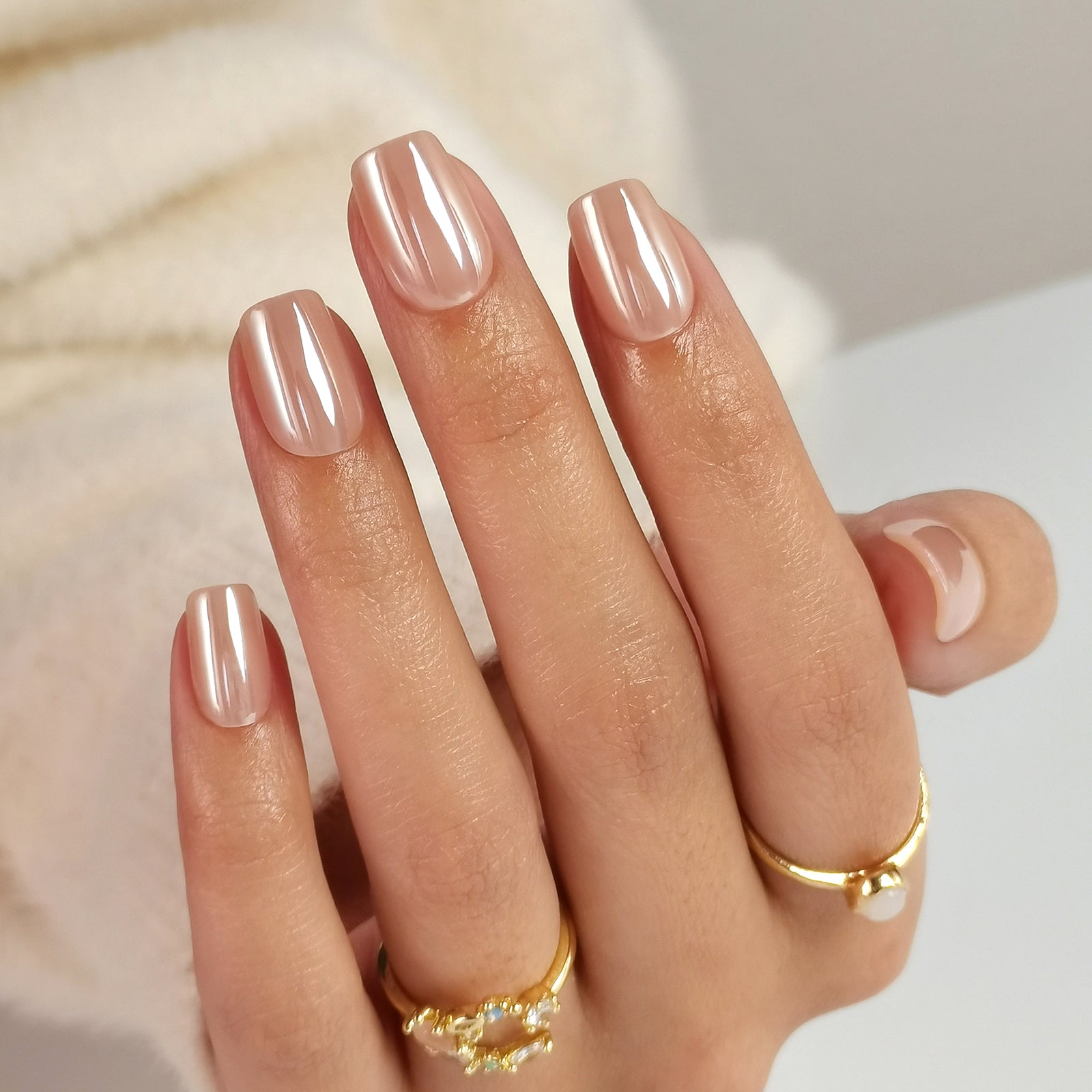








ピンクべっ甲ネイル:2026年のトレンドデザイン15選
Written by Elia, SHANGMENG Nail Trend Curator
Key Takeaways(この記事の要点): ピンクべっ甲ネイルは、クラシックなべっ甲ネイルのヴィンテージ感漂うアンバーとブラウンの渦巻き模様を取り入れ、そのカラーパレット全体をピンク系(ブラッシュ、ダスティローズ、ウォームモーブ、ピーチピンク)へとシフトさせ、アンバーやブラウンの要素を一切排除したデザインです。その結果、ロマンチックでありながら、同時に非常にファッショナブルなネイルエステティックが完成しました。「pink tortoiseshell nails(ピンクべっ甲ネイル)」のKD(キーワード難易度)はわずか14と、2026年にトレンド入りしているネイル検索ワードの中でも極めて低いため、需要が非常に高いにもかかわらず、競合がほとんど存在しないスタイルとなっています。SHANGMENG のソフトジェル press-on nails は、16サイズ・計32枚のチップ(32pcs Nails · 16 Size)でこの美しい仕上がりをご自宅にお届けします。454件の検証済みレビューで平均4.94つ星という高い評価をいただいています。
べっ甲柄は、ネイルアートの中でも常に、静かで洗練された美しさを持つパターンのひとつであり続けてきました。意図的なデザイン選択として感じられる幾何学模様やフラワーデザインとは異なり、べっ甲柄には簡単には真似できないオーガニックな不規則性があります。その渦巻きや色の滲みは、作り込まれたものというよりも、自然に発生したかのように見えます。このナチュラルな質感こそが、ミニマリズムからマキシマリズム、そしてまたその逆へと、あらゆるトレンドの変遷を乗り越え、何十年にもわたってべっ甲ネイルアートが愛され続けてきた理由です。
そして、そのパターンのピンクバージョンこそが、2026年で最も興味深い進化を遂げたスタイルです。ニューヨークやロンドンのファッションウィークで活躍するデザイナーやネイリストたちは、3シーズン連続で、べっ甲柄を従来のアンバーブラウンのベースから引き剥がし、ピンク系のパレットで再構築してきました。その効果として、クラシックなべっ甲柄が持つ視覚的な複雑さとオーガニックな動きをすべて残しながらも、まったく異なるエモーショナルな印象を与えるパターンが誕生しました。ブラウンのべっ甲柄が秋らしく伝統的な雰囲気を感じさせるのに対し、ピンクのべっ甲柄は温かみがあり、ロマンチックで、驚くほど現代的な印象を与えます。
べっ甲柄をパターンとして成立させている仕組み自体は変わっていません。重要なのは、半透明のトーンを重ね合わせることで、ある部分では渦巻きの隙間からベースカラーを透かし見せ、別の部分ではそれを覆い隠すという手法です。クラシックなべっ甲柄では、その半透明のレイヤーにアンバー、ダークブラウン、そして黒に近い色が使われます。一方、ピンクのべっ甲柄では、これらと同じレイヤーがブラッシュ、ダスティローズ、ウォームモーブ、そして時にはアクセントとしてのディープバーガンディで表現されます。2つのパターンの視覚的な重みは異なり、ピンクべっ甲の方がより軽やかで繊細な印象を与えますが、オーガニックな動きとべっ甲特有の渦巻き構造はまったく同じです。
べっ甲ネイルとは?

べっ甲ネイルとは、メガネのフレームやヘアアクセサリー、装飾品などに歴史的に使われてきた、天然のべっ甲素材のマーブル模様を再現したものです。ネイルの上では、半透明のポリッシュを乾く前にドラッグ(引きずり)し、ブレンドし、重ね合わせることでこのパターンを作り出します。これにより、境界線がはっきりせず、繰り返しの幾何学模様を持たない、べっ甲特有の色の流れが生まれます。
べっ甲ネイルを特徴づける視覚的要素は以下の通りです:
- オーガニックな渦巻きの動き — 直線や幾何学的な形状ではなく、緩やかで曲線的な軌道を描いてネイル表面を流れる色彩
- 透明感のあるカラーレイヤー — 少なくとも2つのトーンが重なり合い、それぞれのレイヤーが下にある色を程よく透けさせる
- 不規則な密度 — ネイルの一部には色が濃く集まり、他の部分ではベースカラーがクリアに見える
- 滲みのあるグラデーション — 色と色の境界線がシャープではなくぼやけており、パターン特有の「とろけるような」質感を創り出す
これら4つの要素は、パレットが伝統的なアンバーブラウンであろうと、現代的なピンクであろうと変わりません。変わるのは色であり、構造ではないのです。
Allure のビューティエディターたちも、ネイルアートのモチーフをパターンファミリーごとに定期的に分類しています。そのため、お買い物や検索の際には、大理石(マーブル)柄、アニマル柄、そしてべっ甲柄の違いを明確に区別することが重要になります。
サロンレベルの技術的な精密さを必要とせず、アーティスティックに見えるネイルアートがお好きな方にとって、べっ甲柄は理想的な選択肢です。このパターンの持つオーガニックで不規則な性質により、仕上がりに多少のばらつきがあっても、それは失敗ではなく「デザインの味」として昇華されるからです。
ピンクべっ甲 vs. クラシックなブラウンべっ甲
ピンクべっ甲とクラシックなべっ甲の根本的な違いは、技術的な構造ではなく、カラーパレットがもたらす情緒的なニュアンスにあります。
| 要素 | クラシックなブラウンべっ甲 | ピンクべっ甲 |
|---|---|---|
| ベーストーン | ハニーアンバー、ウォームアイボリー | ブラッシュ、ピーチヌード |
| 中間の渦(スワール) | ミディアムアンバー、キャラメル | ダスティローズ、ウォームピンク |
| ダークアクセント | ディープブラウン、ほぼブラック | ディープモーヴ、バーガンディ、プラム |
| 全体の温かみ | 秋らしい、伝統的・クラシカル | ロマンチック、温かみのある現代的 |
| 得意なシーズン | 秋、冬 | オールシーズン(特に春・夏) |
| マッチするシーン | ビジネスカジュアル、クラシック | カジュアル、デート、ブライダル |
| 肌トーンとの相性 | イエベ肌・ミディアムトーンに最適 | すべての肌トーンに映える |
実用面における最も大きな違いは、肌トーンを選ばない汎用性の高さです。クラシックなブラウンべっ甲は、非常に色白な肌に合わせると、温かみのあるアンバートーンとのコントラストが足りず、くすんで見えてしまうことがあります。ピンクべっ甲はこの問題を完全にクリアしています。ピンク系のパレットは、イエベ肌に映える温かみを持ちながら、ブルベ肌や色白肌を引き立てる十分な明るさも兼ね備えているからです。2026年において、同じパターンでありながらピンクべっ甲がクラシックなべっ甲よりもはるかに多くの検索数を集めている理由はここにあります。
もう一つの重要な違いは、対応できる季節の幅広さです。ブラウンべっ甲は秋のイメージが強く、アンバーのパレットは紅葉の色を連想させ、秋のワードローブと自然に調和します。一方、ピンクべっ甲にはそうした季節の制限がありません。ブラッシュピンクなら春らしく、ブライトピンクやピーチなら夏らしく、そしてディープローズやモーヴなら秋まで楽しめます。単一のネイルデザインで四季すべてに対応できる実用性は、実に稀有な存在です。
ピンクべっ甲ネイルデザイン15選
ウォームピンク(デザイン1〜5)
これら5つのデザインは、ピンク系の中でも最も温かみがあり、アンバーに近いトーン(ピーチピンク、コーラル寄りのブラッシュ、ダスティモーヴなど)を使用しています。クラシックなべっ甲の温かみのある構造を維持しつつ、パレットを完全にピンクへと移行させたデザインです。

デザイン1:ピーチピンクべっ甲
ピンクべっ甲カテゴリーの中で最も温かみのあるデザイン。ピーチブラッシュのベースに、コーラルトーンの渦とウォームモーヴのアクセントを組み合わせています。温かみの面でクラシックなべっ甲に最も近いため、伝統的なパレットから移行したい方に最適なデザインです。コーラル寄りのニュアンスが、ブラウンに見せることなく、デザインのギャップを埋めてくれます。
デザイン2:ダスティローズべっ甲
グレイッシュピンクのベースに、ダスティローズとウォームプラムの渦を重ねた、落ち着いたトーンのデザイン。この控えめなニュアンスは、オフィスシーンにも非常によく馴染みます。遊び心というよりも、洗練された印象を与えるパターンです。ダスティローズべっ甲は、テラコッタ、セージ、クリーム色のワードローブと抜群の相性を誇ります。
デザイン3:ウォームブラッシュべっ甲(アーモンドシェイプ)
ミディアム丈のアーモンドシルエットに、ウォームブラッシュのベースと、深みのあるピンクやライトバーガンディの渦を施したデザイン。アーモンドシェイプがべっ甲パレットの流れるような質感を際立たせ、細くなる先端が渦の動きを途切れさせることなく、視線を美しく誘導します。ここで重要なポイント:press-on nailsの形でべっ甲デザインを比較する場合、スクエア型よりもアーモンド型やオーバル型の方が、先端に向かって細くなることで渦の動きが引き伸ばされ、パターンがより豊かに表現されます。
デザイン4:サンセットピンクべっ甲
ライトピーチ、ウォームコーラルピンク、ディープピンクの3つのピンクトーンを使用し、まるで夕暮れ時のグラデーションのようなべっ甲を表現したデザイン。ダークアクセントをブラウンやバーガンディに寄せるのではなく、ディープピンク系に留めることで、全体的に軽やかでポジティブなムードに仕上げています。夏のワードローブやナチュラルメイクと合わせるのがベストです。
デザイン5:テラコッタピンクべっ甲
このセットの中で最も意外性のあるデザイン。温かみのあるオレンジピンクのベースに、深みのあるサーモンとモーヴの渦を重ね、ピンク系の枠から外れることなく、パレットをテラコッタ寄りに仕上げています。クラシックなべっ甲が持つ秋らしい温かみを取り入れつつ、ピンク系のパレットにまとめたい時にぴったりです。
ローズゴールドべっ甲(デザイン6〜10)
ローズゴールドべっ甲は、オーガニックな渦の構造にメタリックな輝きをプラスし、ロマンチックでありながらラグジュアリーな仕上がりを実現します。メタリック要素は、シマーなベース、メタリックな渦のアクセント、またはパターンを横切るゴールドホイルのラインとして取り入れることができます。

デザイン6:クラシック・ローズゴールドべっ甲
シアーなローズゴールドのベース(光の加減によってゴールドにもピンクにも見える、温かみのあるメタリックブラッシュ)に、ダークローズとウォームアンバーゴールドの渦を重ねています。これは「ローズゴールドべっ甲」を最もストレートに表現したデザインです。ここ10年のネイルアートを象徴する2つのトレンド(ローズゴールドフィニッシュとべっ甲パターン)が、一つのデザインに融合しています。その結果、非常に取り入れやすく、どちらのトレンドを知っている人にも一目でそれと伝わる仕上がりになっています。
デザイン7:メタリックピンクスワールべっ甲
マットなブラッシュベースに、メタリックなローズゴールドの渦を走らせた、前述のデザインとは対照的なアプローチ。デザイン6がメタリックベースにダークな渦を使用しているのに対し、こちらはマットベースにメタリックなアクセントの動きを加えています。同一のネイル表面におけるマットとメタリックのコントラストが、単一の質感だけでは得られない奥深さを生み出します。
デザイン8:ゴールドフレーク・ピンクべっ甲
温かみのあるダスティピンクのべっ甲に、渦の部分に沿ってゴールドの箔(ホイル)を散りばめたデザイン。均一に塗るのではなく、パターンの色が濃い部分に集中して配置されています。ゴールドフレークが本物のべっ甲に含まれる天然の混入物のように見え、後付けのデコレーションではなく、デザインの一部として自然に馴染みます。デザインの複雑さを最大限に表現できる、長めのネイルに最適です。
デザイン9:シャンパンピンクべっ甲オンブレ
べっ甲パターンとグラデーション技術という、2つのトレンドカテゴリーを組み合わせたデザイン。ベースは甘皮付近のほぼホワイトから、先端に向かって温かみのあるシャンパンピンクへと変化し、そのグラデーションの上にべっ甲の渦が施されています。これにより、グラデーションが視線を縦に引き、渦が横に引くという、2つの視覚的な動きが生まれます。ピンク系グラデーションの技術や応用については、メタリックグラデーションをピンクベースに重ねる方法を解説したピンククロームネイル・トレンドガイドをご覧ください。
デザイン10:ディープローズゴールドべっ甲(コフィンシェイプ)
ロングコフィンのシルエットに、リッチで深みのあるローズゴールドのベースを施し、ダークバーガンディとウォームコッパーの渦を重ねたデザイン。コフィンシェイプの長さがあるからこそ、渦のパターンを十分に展開させることができます。非常に短いネイルにべっ甲パターンを施すと、渦の動きが収まるスペースが足りず、乱雑な印象になってしまうことがあります。このデザインは、ローズゴールドグループの中で最もイブニングシーンにふさわしい仕上がりです。
ピンクべっ甲フレンチ&アクセント(デザイン11〜15)
これら5つのデザインは、ピンクべっ甲パターンを、フレンチチップ、ミニマルなアクセント、ミックスフィニッシュのセットなど、他の要素と組み合わせて取り入れています。

デザイン11:べっ甲フレンチネイル
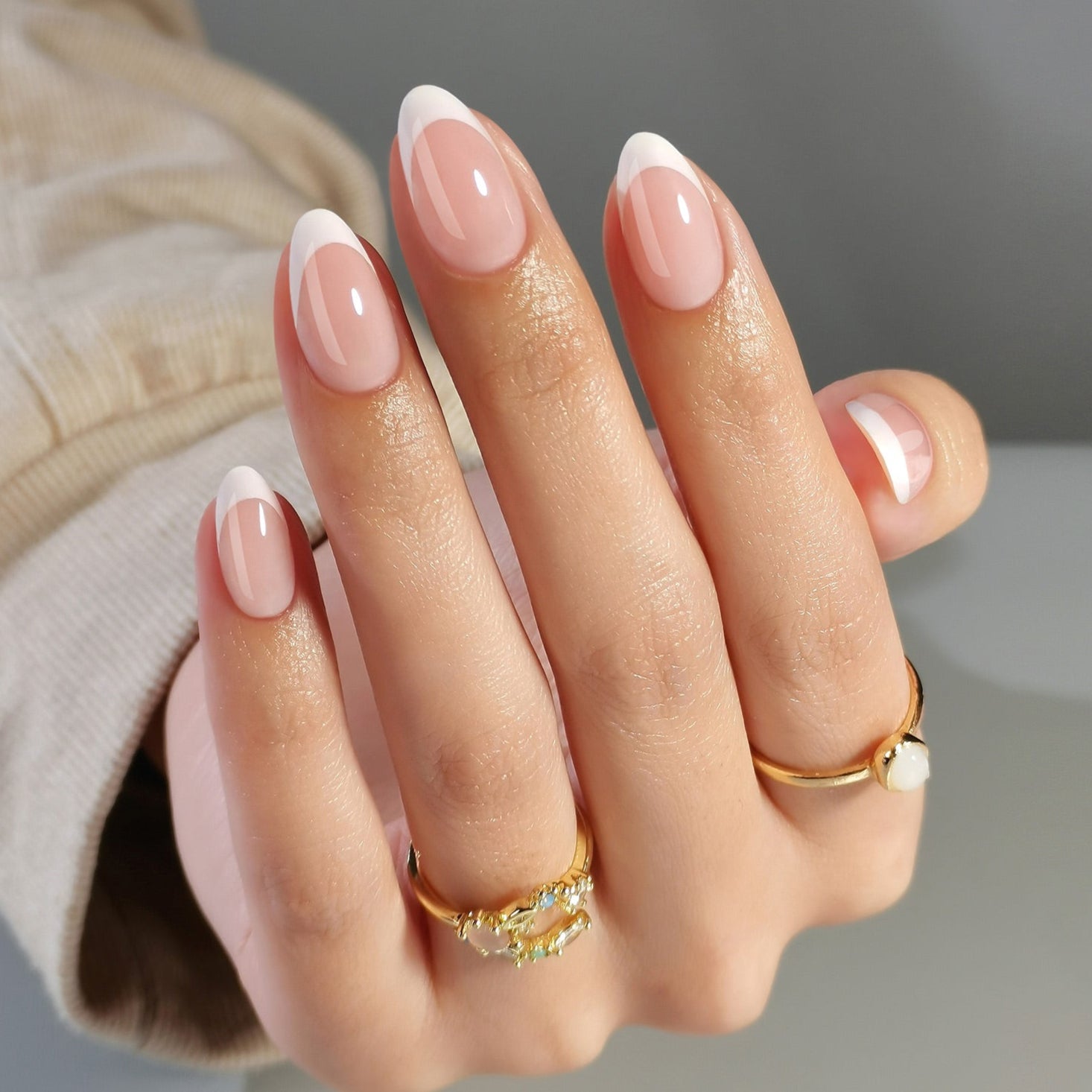
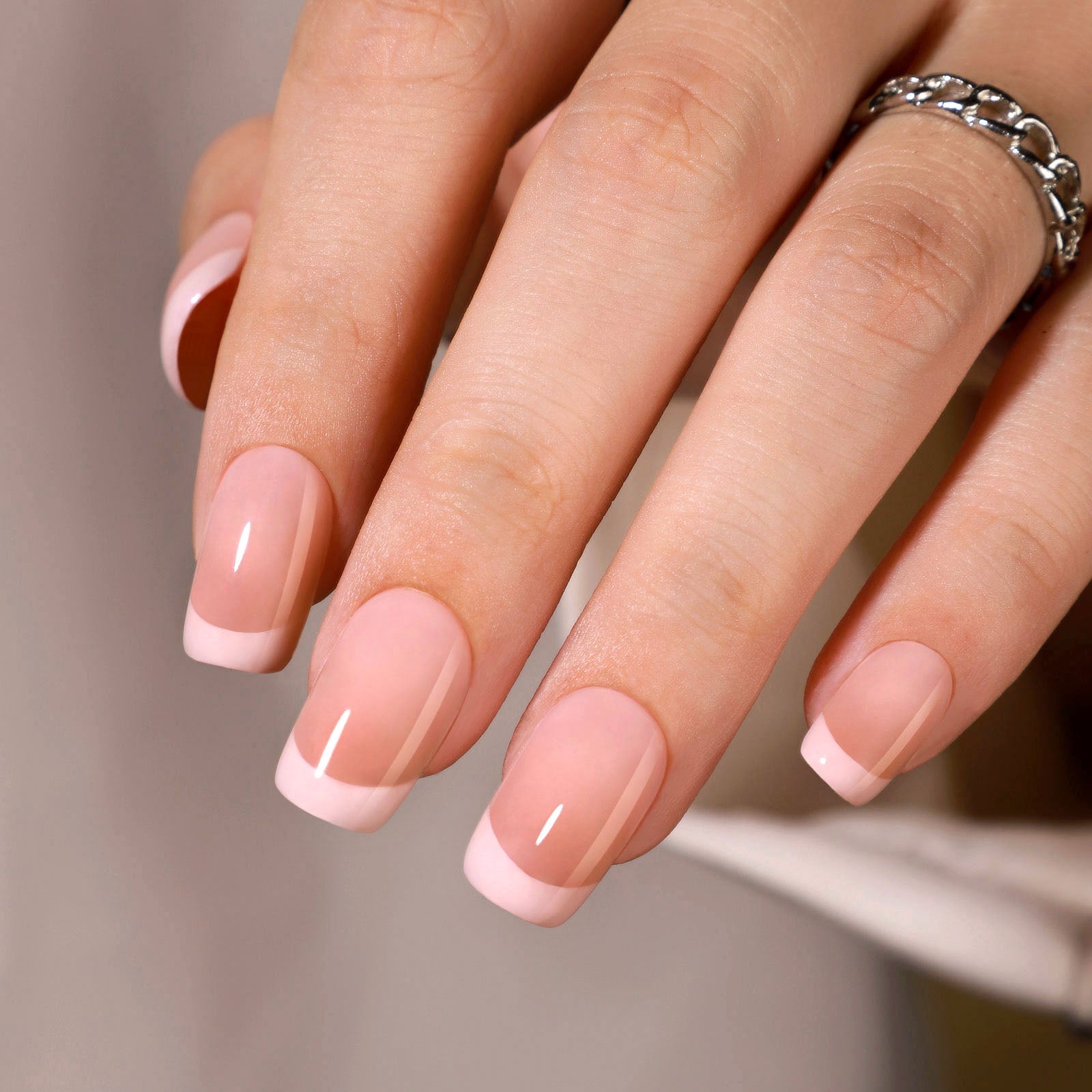
定番のフレンチマニキュアの白い先端部分を、ピンクべっ甲のバンドに置き換えたデザイン。渦のパターンは先端部分のみに施し、残りの部分はクリーンなヌードやシアーピンクで仕上げています。遠目には上品でコンサバティブな印象(クラシックなフレンチのシルエット)を与えつつ、近くで見るとディテールが際立つデザインです。フレンチネイルが好きで、2026年らしいアップデートを求めている方には、これが間違いのない選択肢です。その他のピンクフレンチのバリエーションについては、ピンクローズネイルデザインガイドでご紹介しています。
デザイン12:シングルアクセントべっ甲ネイル
クリーンなヌードまたはブラッシュのフルセットに、左右それぞれ1本ずつ(通常は薬指)べっ甲のアクセントネイルを組み合わせたデザイン。アクセントネイルにはピンクべっ甲のデザインをフルに施し、他の爪はワンカラーで仕上げます。このアプローチは、べっ甲パターンに初めて挑戦する方に特にスマートな選択肢です。パターンを施すのは2本(各手1本)だけで済みながら、デザインのインパクトは十分に得られます。パターンのアクセントとクリーンなワンカラーのコントラストが、双方の魅力を引き立てます。
「実生活でこのデザインは少し派手すぎるかも…」と心配ですか?まずは普段使いしやすい形を見つけてから、より華やかにしたい時にカラーをアレンジしてみましょう。


デザイン13:ネガティブスペース・ピンクべっ甲
爪の表面の一部にべっ甲パターンを施し、自爪(またはシアーヌード)のエリアをあえて塗らずに残したデザイン。ネガティブスペースは通常、甘皮部分のハーフムーン、爪を横切る斜めのライン、またはクリーンな水平のバンドといった、すっきりとした幾何学的なカットアウトになっており、その周囲をべっ甲パターンが囲みます。ネガティブスペースの境界線が持つ幾何学的な精密さにより、べっ甲のオーガニックな渦の質感が、技術的な限界ではなく、意図されたデザインの選択として際立ちます。
デザイン14:べっ甲オンブレ
先端に向かって、より軽やかで半透明なカバー力へとフェードアウトしていくピンクべっ甲デザイン。甘皮側はパターンがしっかりと濃く表現され、先端に向かってシアーで明るくなっていきます。このグラデーション(オンブレ)の質感が、デザイン全体の視覚的な重さを和らげます。全面に施すべっ甲デザインは派手すぎると感じる、軽やかで繊細なネイルデザインがお好みの方に特に好まれるアプローチです。グラデーション技術の全容とその応用方法については、グラデーションネイルガイドで詳しく解説しています。
デザイン15:ミックスフィニッシュべっ甲セット
それぞれの爪に、ピンクべっ甲というテーマを異なる表現で施したフルセット。1本の爪は全面べっ甲スワール、次の爪は落ち着いたダスティローズのワンカラー、その次は淡いべっ甲、さらに次はほんのり渦を巻いたクリアベース、といった構成です。このミックスフィニッシュのアプローチにより、すべての爪に複雑なパターンを施すことなく、べっ甲デザインをセット全体の主役に据えることができます。15のデザインの中で最もエディトリアル(雑誌の編集風)な仕上がりであり、ファッションウィークのネイルでべっ甲をプリントとして取り入れる際によく見られるアプローチです。
ピンクべっ甲に最適なネイルシェイプ

シェイプの選択は、べっ甲柄の見え方に実に大きな影響を与えます。このパターンはどのシェイプにも合いますが、選ぶシェイプによってニュアンスが大きく異なります。
アーモンド&オーバル — ピンクべっ甲に最もおすすめの選択肢です。先端に向かって細くなる、または丸みを帯びた形状により、渦巻き模様がシャープな角で途切れることなく、爪の端に向かって自然に流れるようになります。また、アーモンドやオーバルがもたらす縦長の効果により、べっ甲柄が広がるための垂直方向のスペースが生まれ、ミディアム丈の爪でも、複雑で完成度の高いデザインに見せることができます。
コフィン — 長めの爪に最適です。コフィンシェイプは爪の中央部分が広いため、べっ甲の渦巻き模様を存分に表現できるキャンバスとなります。また、平らな先端がすっきりとした水平のラインを作り出し、その下にある有機的な渦巻き模様と美しいコントラストを描きます。短めのコフィンでは、幅広の中央部から平らな先端への比率によってべっ甲柄が窮屈に見えてしまうことがあるため、このデザインはミディアムロングからロングのコフィンに最も映えます。
スクエアオフ(スクオバル) — オフィスシーンや日常使いでべっ甲柄を楽しみたい方にぴったりの、バランスの取れたシェイプです。スクエアとオーバルのハイブリッドであるこの形状は、アーモンドのような極端な尖りを取り除きつつ、純粋なオーバルよりも幅を広く保てるため、ドラマチックなシルエットにすることなく、柄をきれいに表現するスペースを確保できます。
スクエア — べっ甲柄を合わせるのが最も難しいシェイプであり、特に短い爪では難易度が上がります。平らで直線的なサイドと角によって囲まれたエリアができるため、有機的な渦巻き模様が凝縮されて見えがちです。スクエアでべっ甲柄を取り入れる場合は、渦巻きが縦方向にしっかりと流れるだけの十分な長さがあるときがベストです。
季節で楽しむピンクべっ甲
クラシックなブラウンのべっ甲ではなく、ピンクべっ甲を選ぶ最大のメリットの一つが、四季を通じて使える万能さにあります。柄そのものを変えるのではなく、季節に合わせてカラーパレットを変化させるのがポイントです。
春(3月〜5月): 最も淡いバージョン — チークカラーのベース、淡いピンクの渦巻き、控えめな深みのアクセント。満開の桜というよりも、咲き始めの蕾をイメージしたパレットです。ピーチピンクのべっ甲や、ライトローズのべっ甲が春に最適です。
夏(6月〜8月): コーラルに近い色味や、明るく温かみのあるピンク。サンセットピンクのべっ甲(デザイン4)や、ピーチベースのデザインは、パレットの温かみが重くならず、太陽に映えるヘルシーな印象を与えるため、夏に特によく映えます。
秋(9月〜11月): 深みのあるダスティローズ、モーヴ、テラコッタピンク。この季節のピンクべっ甲は、クラシックなべっ甲に最も近くなります。深みのある彩度の高いトーンが、ピンク系のパレットならではの個性を残しつつ、秋のワードローブに美しく調和します。
冬(12月〜2月): ローズゴールドや深みのあるバーガンディピンク。ローズゴールドべっ甲のメタリックな質感が冬のイルミネーションや人工の光を美しく反射するため、デザイン6〜10は冬に特に強力な選択肢となります。コフィンシェイプに合わせた深みのあるローズゴールドべっ甲(デザイン10)は、ホリデーシーズンのネイルとして際立つ美しさです。
2026年のネイルカラートレンドでは、ピンクを春だけのカラーとして限定せず、年間を通じて温かみのあるピンクが継続して重視されているため、今年のピンクべっ甲は例年になく幅広いシーズンで活躍するデザインとなっています。
How Press-On Nails Deliver the Tortoiseshell Finish

セルフネイルでべっ甲(タートシェル)アートに挑戦する際、最大の難関となるのが「時間との戦い」です。従来のべっ甲ネイルは、ジェルやポリッシュが硬化し始める前に、濡れた状態のカラー同士をドラッグしてなじませる必要があります。つまり、ポリッシュが固まる前に、あの独特な渦巻きの動きを作り出すための猶予は、1本あたりわずか60〜90秒ほどしかありません。プロのネイリストは、繰り返しの練習によってこの感覚を体に叩き込んでいます。しかし、自宅で初めてべっ甲ネイルに挑戦する人の多くは、時間に追われる焦りから、意図したデザインというよりも、ただ乱雑に混ざり合った仕上がりになってしまいがちです。
press-on nails(プレスオンネイル)なら、この時間との戦いを完全にスキップできます。べっ甲パターンは製造段階において、プロ仕様の設備と管理された環境下でネイルチップの表面に施され、完全に硬化された状態で手元に届きます。あなたが自宅で装着するのは、すでに完成されたべっ甲デザインです。練習が必要な技術をその場で再現しようとする必要はなく、完璧な仕上がりをただ爪にのせるだけで済みます。
ここで特に重要なのが、SHANGMENGのソフトジェル構造です。硬くて重く感じられがちなアクリル製のプレスオンネイルとは異なり、ソフトジェルには自爪の動きにフィットする適度な柔軟性があります。そのため、日常の動作の中でも爪床の動きに馴染み、不自然に突っ張ったり割れたりすることがありません。また、32pcs Nails · 16 Sizeのキットなので、実際の自爪の幅にぴったり合うサイズが必ず見つかります(これはべっ甲デザインにおいて極めて重要なポイントです。サイズが合わないチップを使うと、渦巻き模様が歪んでしまい、片側が潰れてもう片側が引き伸ばされたようになってしまいます)。
装着にかかる時間はわずか15分。オフする時はシールのように剥がすだけなので、自爪を傷つけることもありません。「サロンクオリティのべっ甲ネイルが本当に自宅でできるの?」と疑問に思っている方への誠実な答えは、「イエス」です。ただしそれは、リアルタイムで渦巻き技術を再現しようとするのではなく、完成されたデザインが施された高品質なプレスオンネイルを使用する場合に限ります。
べっ甲のグラデーション特性と構造的な共通点を持つ、オンブレ風デザインについてさらに詳しく知りたい方は、グラデーションネイルを網羅したオンブレネイルガイドをご覧ください。また、ピンク系をメインカラーにしたい方は、バレエピンクから大胆なフューシャまで、あらゆるテイストをカバーする20種類のデザインを紹介したピンクローズネイルデザインガイドをぜひチェックしてみてください。

よくある質問(FAQ)
べっ甲(タートシェル)ネイルと大理石(マーブル)ネイルの違いは何ですか?
大理石ネイルは、明るいベース(通常は白やグレー)の上に、石の質感を表現した細く静脈のようなラインを描きます。一方、べっ甲ネイルは、温かみのあるベースの上に、天然の甲羅の質感を表現するために、半透明のカラーを幅広く不規則に重ねて渦巻き模様を作ります。実用的な印象の違いとして、大理石はクリーンで構築的な印象を与え、べっ甲はオーガニックで温かみのある印象を与えます。特にピンクべっ甲は、グレーや黒のラインではなく、ブラッシュピンクからローズ、モーヴへと変化するレイヤーを使用します。どちらも不規則でオーガニックな動きを取り入れているため混同されがちですが、色温度とラインの太さが明確に異なります。大理石のラインは細くシャープですが、べっ甲の渦巻きは太くソフトです。(Vogue Beautyでも、2026年のエディトリアルカバレッジにおいて、これらを異なるトレンドカテゴリとして紹介しています。)
ピンクべっ甲ネイルは、オフィスなどのフォーマルな職場でも使えますか?
はい、色味を慎重に選べば十分に可能です。ダスティローズべっ甲(デザイン2)や、フレンチべっ甲(デザイン11)は、オフィスに最適な選択肢です。どちらもべっ甲のパターンを活かしつつ、落ち着いたトーンや定番のネイルスタイルに落とし込んでいるため、派手すぎず上品な印象を与えます。また、アクセントネイルとして取り入れる方法(デザイン12)もオフィスシーンに効果的です。9本の爪をシンプルなワンカラーにし、1本だけをべっ甲にすることで、派手なファッション主張ではなく、計算されたおしゃれなディテールとして映ります。非常にコンサバティブな環境では、鮮やかすぎるコーラルピンク系は避けるのが無難です。
プレスオンのべっ甲ネイルはどのくらい持ちますか?
自爪の表面の油分除去、軽いバッフィング(サンディング)、そして粘着タブやネイルグルーの使用といった適切な事前準備を行えば、ソフトジェルのpress-on nailsは日常の活動レベルに応じて通常1〜3週間持ちます。持ちを左右する最大の要因は、この準備段階にあります。油分が残っていたり、準備が不十分な爪に装着すると、数日以内に端から浮いてきてしまいます。しっかりと準備を整えた爪に装着し、水仕事の少ない環境(デスクワークや軽い家事など)であれば、2〜3週間持つことも珍しくありません。ただし、接着方法に関わらず、手袋を着用しない頻繁な食器洗いや水泳など、水分に長時間さらされる活動は持ちを短くする原因になります。
ショートネイル(短い爪)に最も似合うピンクべっ甲デザインはどれですか?
1本だけアクセントにするデザイン(デザイン12)や、フレンチべっ甲(デザイン11)は、短い爪を最も美しく見せてくれます。どちらのデザインも、爪全体ではなく限られたエリアにべっ甲パターンを凝縮させているため、フルカバーにするとごちゃごちゃして見えがちな短い爪でも、すっきりと洗練された印象に仕上がります。特にフレンチスタイルは短い爪のために設計されたようなもので、爪先だけにパターンを配置することで、視線を爪の先端へと誘導し、爪全体を視覚的に長く見せる効果があります。
ピンクべっ甲ネイルに最適な爪の形(シェイプ)は何ですか?
ピンクべっ甲ネイルに最もおすすめのシェイプは、アーモンドとオーバルです(上記の「おすすめのネイルシェイプ」セクションを参照)。どちらの形も、先細りまたは丸みを帯びた爪先に向かって渦巻き模様が自然に流れるため、べっ甲特有のオーガニックな動きの美しさが引き立ちます。爪に長さがある場合は、コフィン(スクエアオフの変形)もよく映えます。逆に、スクエアはべっ甲ネイルにおいて最も難易度が高いシェイプです。平らな側面と鋭い角によって、オーガニックな渦巻き模様が圧縮されて見えてしまうことがあります。
ピンクべっ甲とレオパード(ヒョウ柄)ネイルの違いは何ですか?
どちらもアニマル柄からインスパイアされたネイルデザインですが、そのビジュアル表現はまったく異なります。レオパード柄は、明るいベースの上に、はっきりとした暗い輪郭を持つ不規則な斑点(スポット)を描き、ヒョウの毛皮の模様を表現します。一方、べっ甲は、輪郭のはっきりしたスポットは作らず、半透明のカラーを連続して重ね合わせることで、天然の甲羅のようなレイヤー感とマーブル模様を表現します。レオパード柄はグラフィカルでコントラストが高く、べっ甲はオーガニックでソフトに溶け込むような質感が特徴です。これら2つのスタイルを並べて比較したい方は、レオパード柄を網羅したレオパード柄ネイルデザインガイドをご覧ください。また、この2つの柄をアクセントネイルとして1つのセットに組み合わせるのも素敵です。
Shop Pink Tortoiseshell Press-On Nails
サロンの予約なしで、ピンクのべっ甲ネイルに挑戦してみませんか?SHANGMENGのソフトジェルpress-on nailsは、16サイズ・計32チップ入り。あらゆる爪の幅にぴったりフィットし、大きすぎるチップのように浮いたり形が崩れたりすることなく、美しく仕上がります。
454件の認証レビューで星4.94の高評価。 SHANGMENGのソフトジェルpress-on nailsなら、わずか15分でサロンクオリティのデザインが完成します。UVランプは不要、予約の手間もなく、自爪を傷つけることもありません。
デザイン1の温かみのあるピーチブラッシュ、デザイン6のローズゴールドのラグジュアリー感、あるいはデザイン11のモダンでエレガントなべっ甲フレンチなど、憧れのべっ甲ネイルが自宅で簡単に叶います。装着はわずか15分。自爪を傷つけずにオフでき、1セットで最大5回まで繰り返し使えます。
人気のネイルデザインをもっと見る: Leopard Print Nails | Pink Rose Nail Designs | Pink Chrome Nails | Ombré Nails Guide | 2026 Nail Color Trends
シェア