












Iniziale
›
Salute delle unghie — Scienza e cura
›
Tipi di unghie finte: unghie press-on, acrilico, gel e altro (Guida completa)

Tipi di unghie finte: unghie press-on, acrilico, gel e altro (Guida completa)
Scritto da Sophie, specialista della salute delle unghie presso SHANGMENG
Punti chiave: Esistono 7 tipi principali di unghie finte: press-on, acrilico, gel duro, gel-X (gel morbido), polvere da immersione (dip powder), polygel e adesivi per unghie (nail wraps). Ognuno presenta un metodo di applicazione, una durata, un costo e un livello di danneggiamento differenti. Le unghie press-on sono l'unica opzione fai-da-te che non richiede alcuno strumento da salone, nessuna luce UV e lascia le unghie intatte. Tutti i termini (press-on, finte, artificiali, adesive) si riferiscono alla stessa categoria di prodotti: i nomi variano a seconda del marchio e della regione.

La confusione dei nomi: sono tutti la stessa cosa
Prima di addentrarci nei dettagli, facciamo chiarezza sulla terminologia che confonde la maggior parte dei principianti.
Se avete cercato unghie finte, unghie artificiali, unghie press-on o unghie adesive, avete cercato la stessa identica categoria di prodotti. Non c'è alcuna differenza sostanziale tra questi nomi. Si riferiscono tutti a ricostruzioni preformate che si applicano sopra l'unghia naturale.
Ecco perché i nomi variano:
- Unghie finte – il termine colloquiale e quotidiano che usa la maggior parte delle persone.
- Unghie artificiali – il termine clinico o professionale usato da onicotecnici e dermatologi.
- Unghie press-on – descrive un metodo di applicazione specifico (premi e tieni premuto, senza bisogno di andare in salone).
- Unghie adesive – lo stesso delle press-on; si riferisce all'adesivo utilizzato.
- Faux nails – il termine di origine francese molto diffuso nei media di moda e bellezza.
- Unghie in acrilico / gel / dip – nomi che si riferiscono al materiale piuttosto che alla categoria.
La conclusione pratica: quando qualcuno chiede "come si chiamano le unghie finte?", la risposta onesta è: tutti i modi sopra elencati. Il termine da usare dipende dal tipo, dal contesto e dal fatto che stiate parlando con un'onicotecnica o con un'amica.
I 7 tipi di unghie finte spiegati
1. Unghie Press-On
Cosa sono: Ricostruzioni preformate realizzate in gel morbido, plastica ABS o polimero acrilico, progettate per essere applicate a casa senza strumenti professionali. Si applicano premendole sulle unghie naturali usando linguette biadesive (adesivi per unghie) o colla per unghie.
Metodo di applicazione: Pulizia → leggera limatura → applicazione della linguetta adesiva o di un sottile strato di colla → pressione sull'unghia per 10–30 secondi. Tempo totale: 10–15 minuti.
Durata: 1–2 giorni con linguette adesive (ideale per eventi); 1–2 settimane con colla per unghie (uso quotidiano).
Vantaggi:
- Non è necessario andare in salone
- Niente lampada UV, niente frese, niente sostanze chimiche
- Facilmente rimovibili con acqua calda o solvente per colla
- Completamente riutilizzabili (2–3 volte)
- Economiche: 10–20 $ a set
Svantaggi:
- Durata inferiore rispetto ai metodi da salone
- Le linguette adesive sono meno resistenti della colla
Costo: 10–25 $ a set (fai-da-te)
Livello di danno: Nessuno – se rimosse correttamente con acqua calda, le press-on non danneggiano l'unghia naturale.

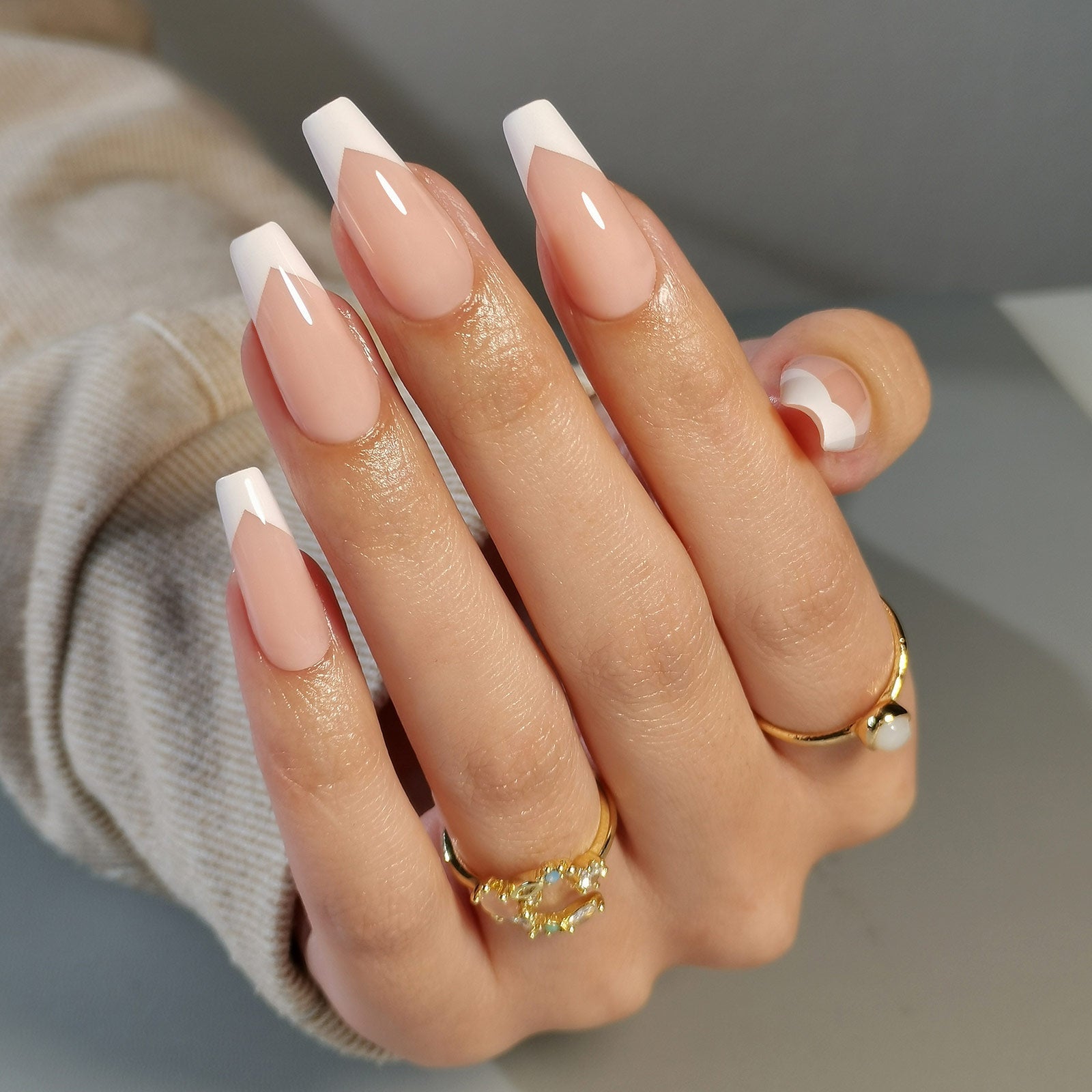
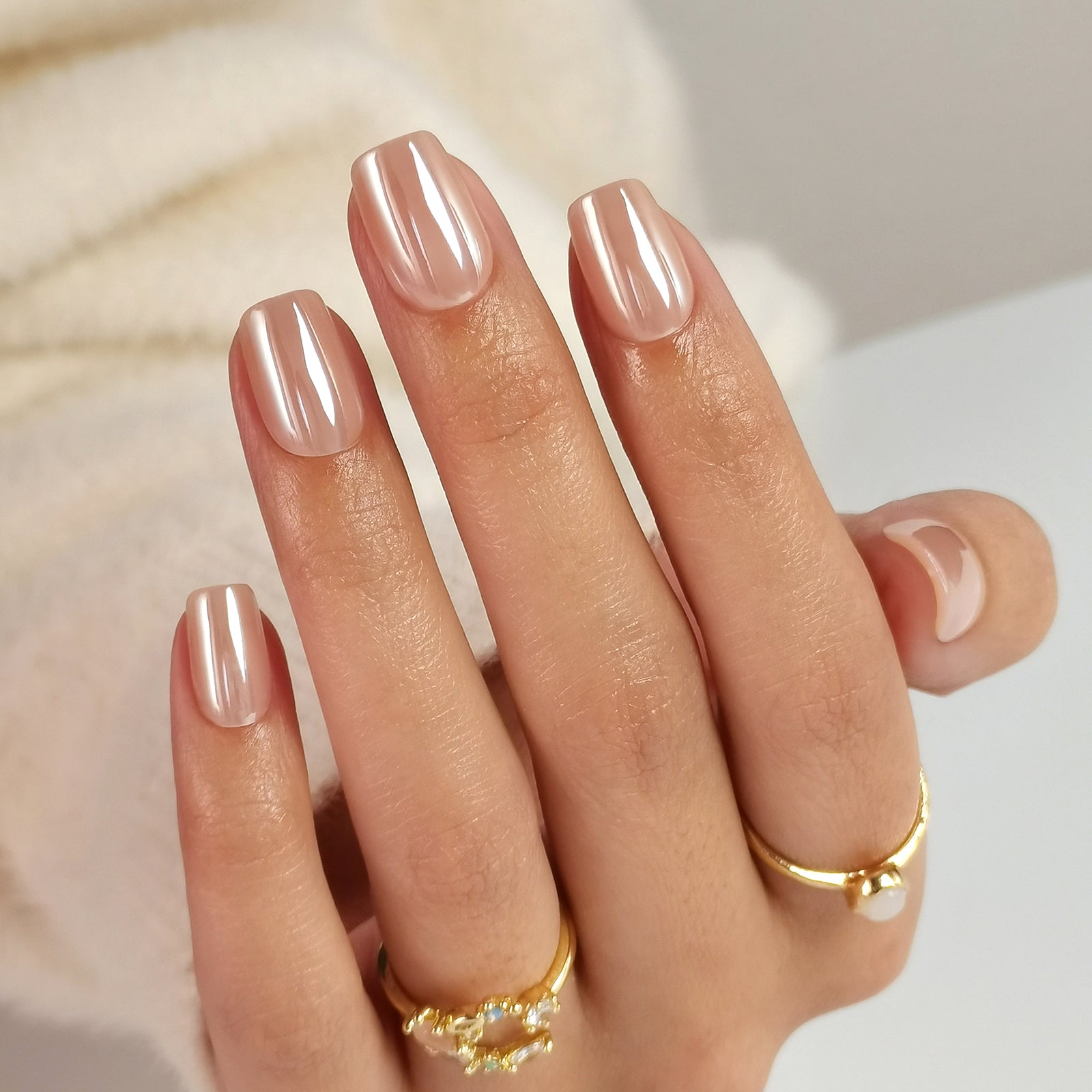
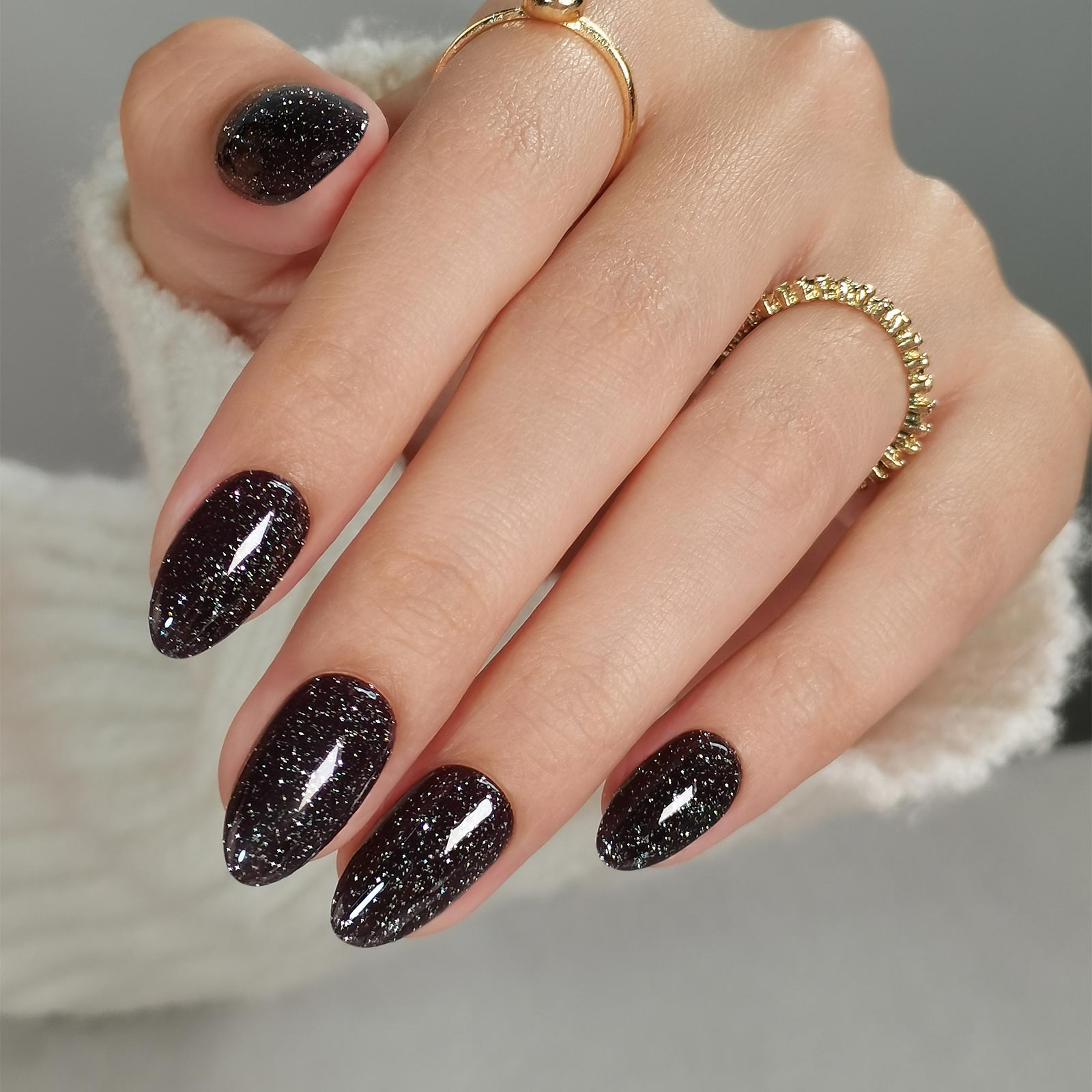
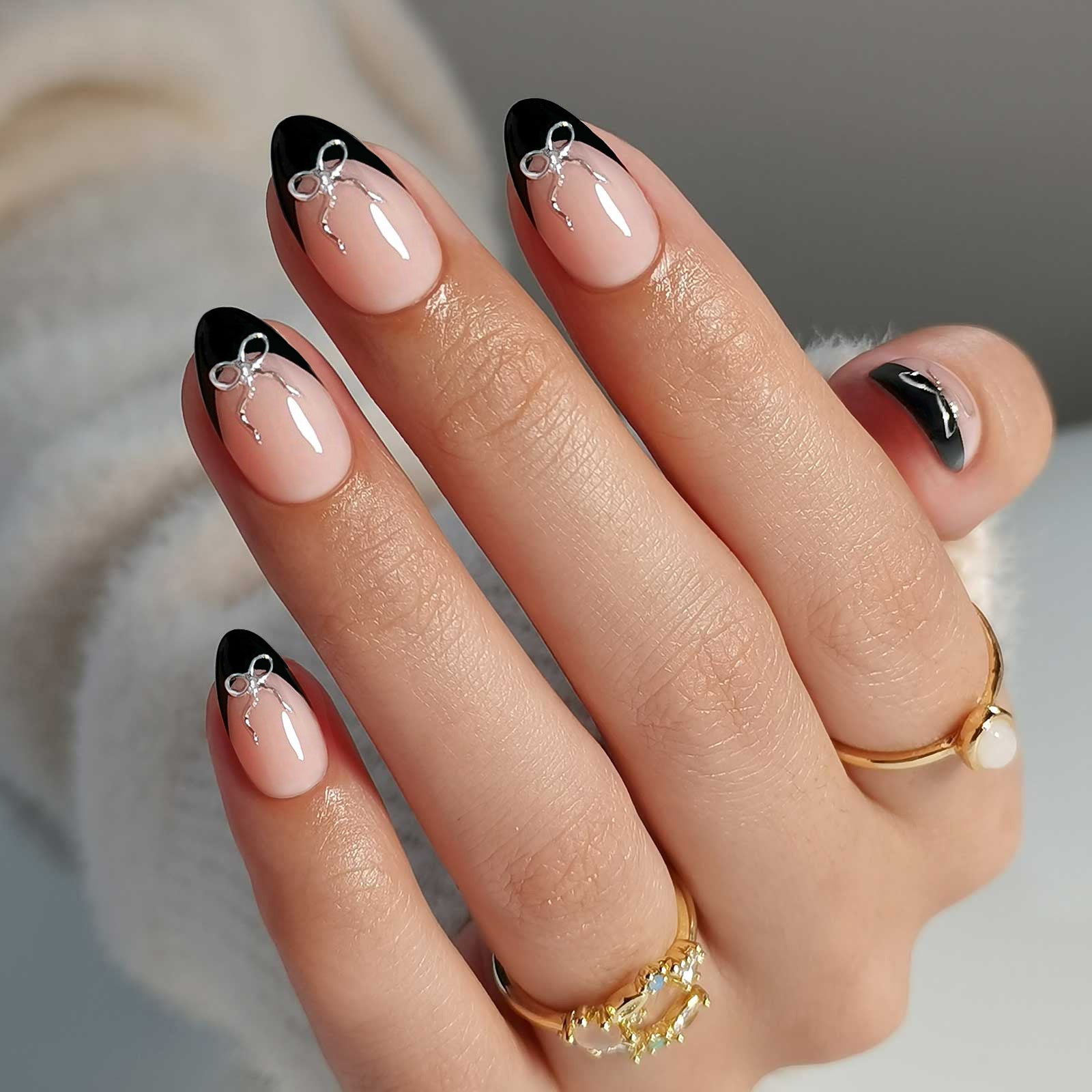
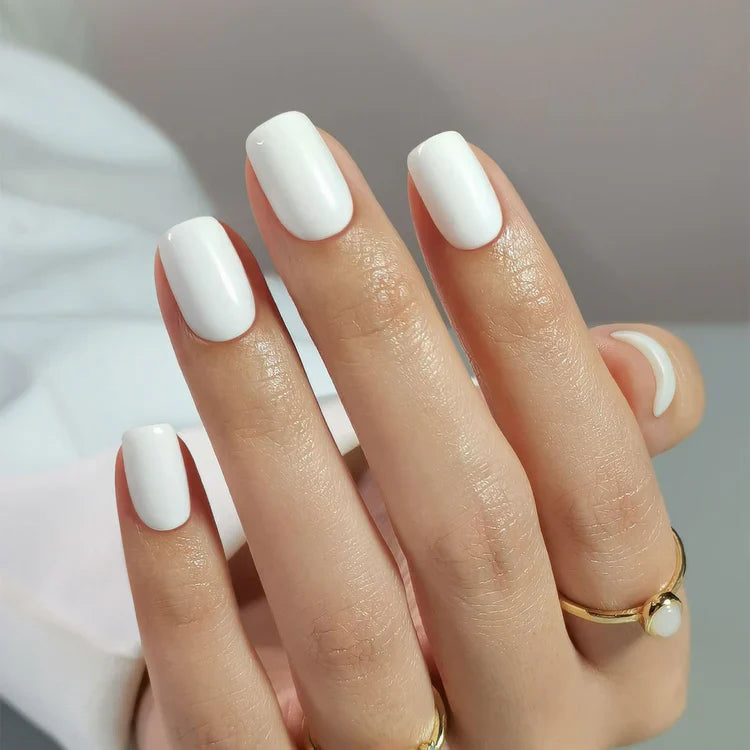
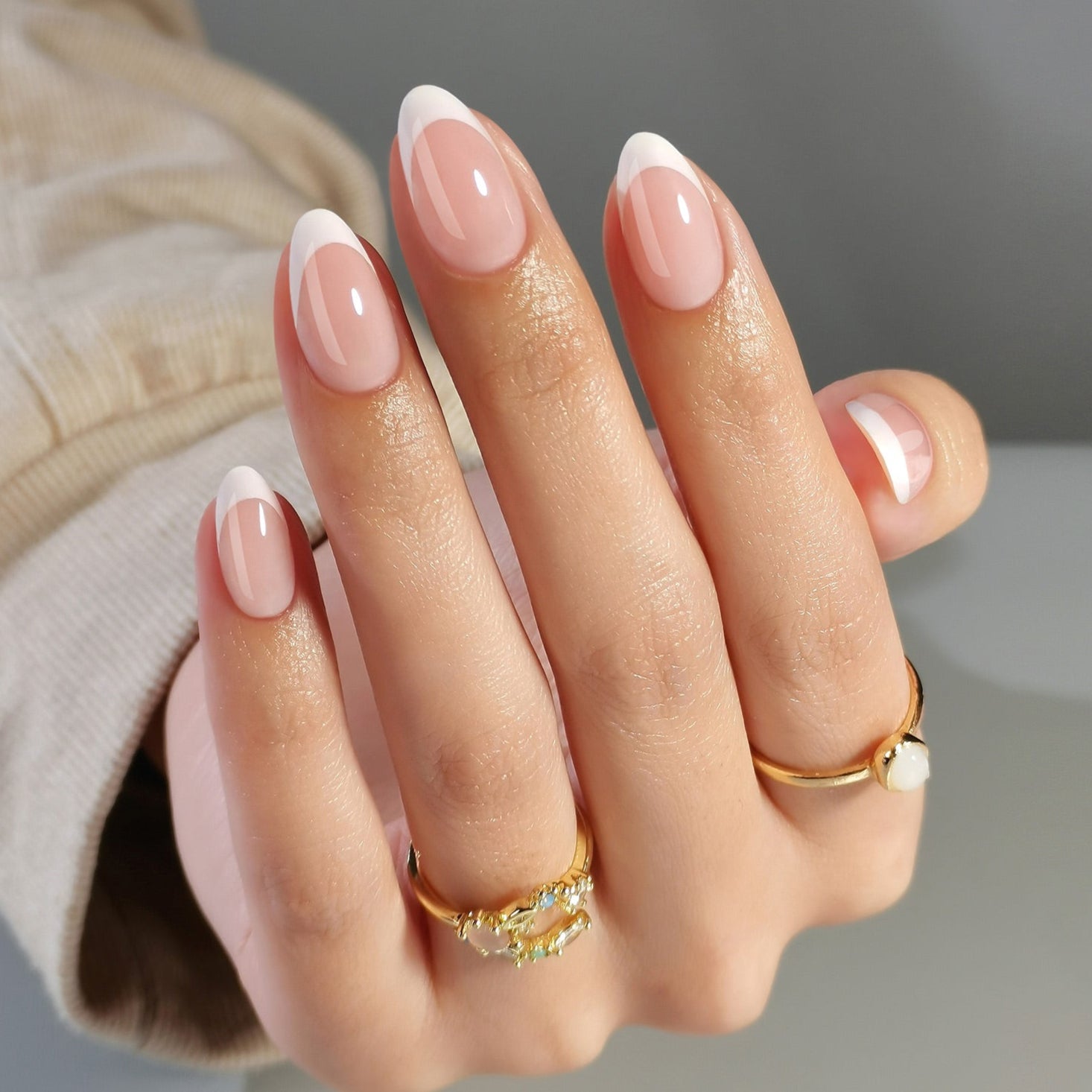
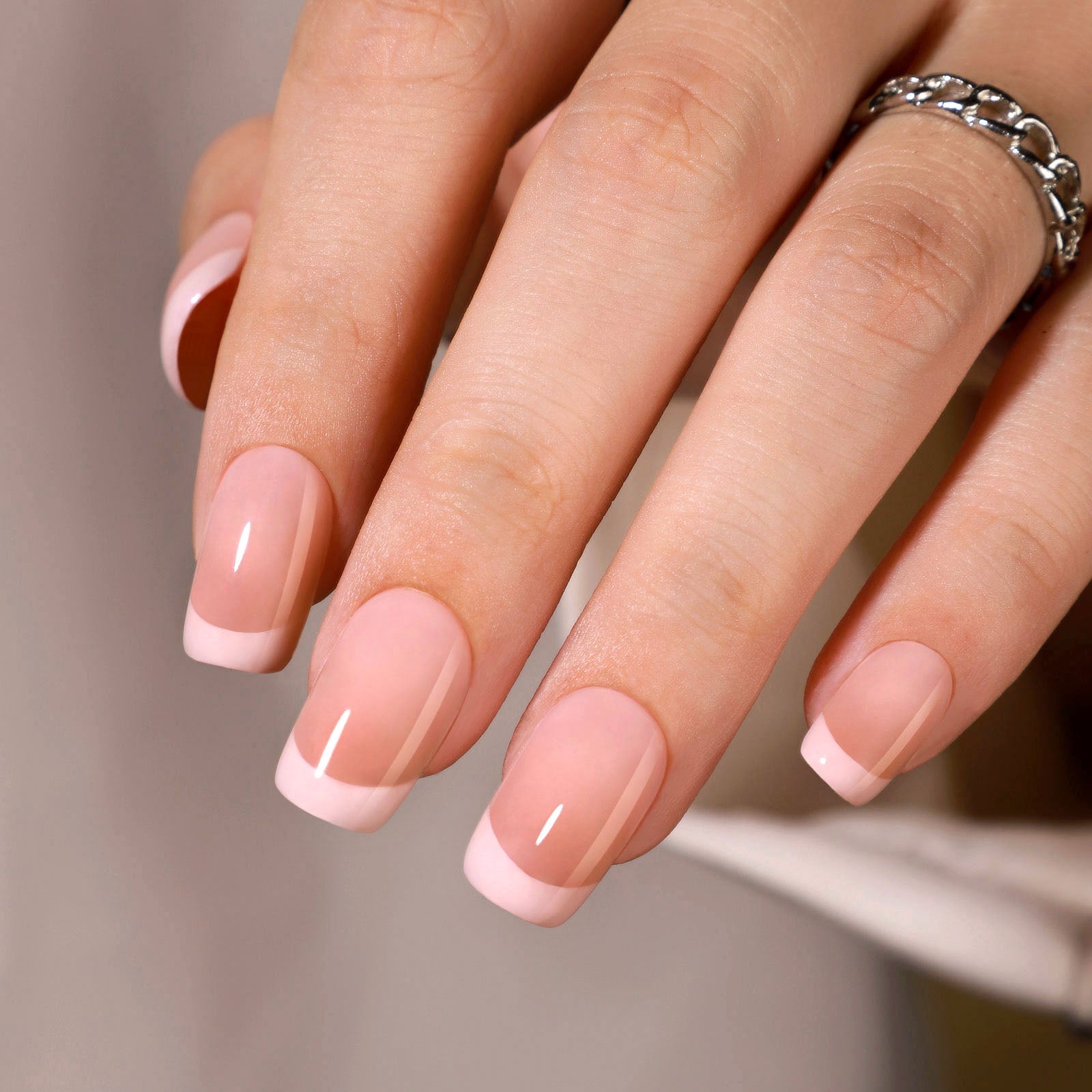
Le unghie SHANGMENG sono press-on in gel morbido, la gamma premium della categoria press-on. A differenza dei set in plastica economica, le press-on in gel morbido si flettono seguendo la tua unghia, hanno un aspetto identico al gel da salone e durano 1–2 settimane con la colla. Leggi la nostra recensione completa sulle migliori unghie press-on del 2026 →
2. Unghie in acrilico
Cosa sono: Un sistema a due componenti composto da un monomero liquido e un polimero in polvere che l'onicotecnica applica sull'unghia naturale (o su una tip), modella e lascia asciugare all'aria fino a indurimento.
Metodo di applicazione: Preparazione dell'unghia (limatura, disidratazione) → applicazione opzionale della tip → applicazione e modellazione della pallina di monomero + polimero → asciugatura all'aria (non serve la lampada) → limatura, modellazione e smalto. Tempo totale in salone: 60–90 minutes.
Durata: 2–3 settimane prima del ritocco (refill); i set completi durano 6–8 settimane con la dovuta manutenzione.
Vantaggi:
- Molto resistenti e dure
- Lunghezza e forma personalizzabili
- Facilmente ritoccabili anziché sostituite da zero
Svantaggi:
- Richiede una seduta in salone e un professionista esperto
- Forte odore chimico (metilmetacrilato o etilmetacrilato)
- L'uso ripetuto assottiglia e indebolisce l'unghia naturale
- Difficili da rimuovere senza una limatura professionale
Costo: 40–80 $ per un set completo; 25–45 $ per il ritocco
Livello di danno: Alto – la limatura ripetuta e l'esposizione al monomero indeboliscono notevolmente il letto ungueale nel tempo. L'American Academy of Dermatology sottolinea che per far ricrescere completamente un'unghia danneggiata dall'acrilico possono volerci dai 3 ai 6 mesi.
3. Unghie in gel duro (Hard Gel)
Cosa sono: Un prodotto gelatinoso e denso che viene applicato sull'unghia naturale o su una ricostruzione e polimerizzato sotto una lampada UV o LED. A differenza del gel morbido, il gel duro non può essere rimosso con solventi (soak-off), ma deve essere limato via.
Metodo di applicazione: Preparazione dell'unghia → base coat polimerizzato sotto la lampada → gel costruttore applicato a strati (ogni strato polimerizzato) → modellazione e finitura. Tempo in salone: 60–90 minuti.
Durata: 3–4 settimane prima del ritocco.
Vantaggi:
- Molto forte e flessibile (meno fragile dell'acrilico)
- Nessun odore sgradevole di monomero
- Finitura dall'aspetto naturale
- Ottimo per chi si mangia le unghie e vuole farle allungare
Svantaggi:
- Deve essere rimosso con la lima – non si scioglie con i solventi
- Richiede una lampada UV/LED
- Applicazione esclusivamente in salone
Costo: 50–100 $ per un set completo
Livello di danno: Moderato – la limatura richiesta per la rimozione assottiglia il letto ungueale. Meno dannoso dell'acrilico, ma richiede comunque un periodo di riposo tra un set e l'altro.
4. Gel morbido / Unghie Gel-X (Soft Gel)
Cosa sono: Tip in gel preformate che vengono incollate all'unghia naturale utilizzando una base in gel morbido e polimerizzate sotto una lampada UV/LED. Gel-X è il nome del marchio (Aprés Nail) che ha reso popolare questo metodo; "ricostruzione in gel morbido" è il termine generico.
Per un contesto più ampio, aad.org e aad.org sono utili riferimenti indipendenti per confrontare le routine di cura delle unghie a casa con i risultati professionali dei saloni.
Metodo di applicazione: Preparazione dell'unghia → applicazione della base in gel morbido → scelta e regolazione della tip in gel della misura corretta → pressione della tip sulla base → polimerizzazione sotto la lampada per 60 secondi → limatura e modellazione. Tempo in salone: 45–60 minuti.
Durata: 3–4 settimane.
Vantaggi:
- Leggere e flessibili (sembrano unghie naturali)
- Nessuna limatura aggressiva sull'unghia – si rimuovono con l'acetone (soak-off)
- Splendida finitura lucida da salone
- Meno dannose dell'acrilico o del gel duro
Svantaggi:
- Richiede una lampada LED
- Applicazione in salone consigliata per i principianti
- Esistono kit per uso domestico, ma richiedono un po' di pratica
Costo: 60–120 $ a seduta in salone; 30–60 $ per un kit fai-da-te
Livello di danno: Da basso a moderato – la rimozione tramite solvente è più delicata della limatura, ma l'esposizione all'acetone secca l'unghia e la pelle circostante.

Press-on in gel morbido vs. ricostruzione in gel morbido: Entrambi utilizzano gel morbido. La differenza sta nel metodo: le press-on utilizzano un adesivo (niente lampada, niente salone), mentre le ricostruzioni Gel-X utilizzano una base polimerizzata con UV. Per i principianti, le press-on offrono lo stesso look del gel morbido senza bisogno di attrezzature o di andare in salone. Guida per principianti alle unghie press-on →
5. Unghie Dip Powder (Polvere da immersione)
Cosa sono: Un sistema a base di resina in cui l'unghia viene immersa (o spolverata) in una polvere acrilica colorata, poi sigillata con un attivatore e un top coat. Non è necessaria la lampada UV.
Metodo di applicazione: Base coat → immersione nella polvere → spray attivatore → ripetizione per 2–3 strati → top coat. Tempo in salone: 45–60 minuti.
Durata: 3–4 settimane.
Vantaggi:
- Non richiede lampada UV
- Molto dure e resistenti alle sbeccature
- Tantissime opzioni di colore
- Sensazione di maggiore leggerezza e spessore ridotto rispetto all'acrilico
Svantaggi:
- I barattoli di polvere condivisi sollevano problemi di igiene nei saloni (contaminazione incrociata)
- La rimozione richiede l'immersione nell'acetone (10–15 minuti)
- Non adatte per allungamenti significativi
Costo: 30–60 $ a set
Livello di danno: Moderato – l'immersione nell'acetone per la rimozione è disidratante e l'uso ripetuto della resina può assottigliare l'unghia nel tempo.
6. Unghie in Polygel
Cosa sono: Un prodotto ibrido che unisce le proprietà dell'acrilico e del gel duro: una formula simile a un mastice che viene applicata con un pennello, modellata usando una soluzione apposita (slip solution) e polimerizzata sotto una lampada UV/LED. È molto amato perché non si autolivella e non cola come il gel liquido.
Metodo di applicazione: Preparazione → applicazione del polygel sull'unghia o sulla tip dual form → modellazione con pennello e slip solution → polimerizzazione sotto la lampada → limatura e finitura. Tempo in salone: 60–75 minuti.
Durata: 3–4 settimane.
Vantaggi:
- Inodore (a differenza dell'acrilico)
- Leggero e flessibile
- Facile da modellare (non cola)
- Ottimo per i principianti che vogliono imparare le tecniche di ricostruzione a casa
Svantaggi:
- Più costoso del gel standard
- Richiede una lampada UV/LED
- La rimozione richiede limatura o acetone (a seconda della formula)
Costo: 60–120 $ in salone; 25–50 $ per un kit fai-da-te
Livello di danno: Da basso a moderato – simile al gel morbido, meno dannoso dell'acrilico.
7. Adesivi per unghie (Nail Wraps & Stickers)
Cosa sono: Sottili pellicole adesive (nail wraps) o adesivi stampati che si applicano direttamente sulla superficie dell'unghia naturale. Non allungano l'unghia, ma aggiungono colore e decorazioni alle unghie esistenti.
Metodo di applicazione: Pulizia delle unghie → scelta e ritaglio dell'adesivo della misura giusta → applicazione e stesura → limatura dell'eccesso. Tempo: 10–15 minuti.
Durata: 3–7 giorni (nail wraps); 1–3 giorni (adesivi più sottili).
Vantaggi:
- Completamente privi di danni
- Decorazioni complesse istantanee (floreali, geometriche, sfumate)
- Non richiedono strumenti particolari
Svantaggi:
- Non aggiungono lunghezza
- Durata inferiore
- I bordi possono sollevarsi
Costo: 5–15 $ a set
Livello di danno: Nessuno – niente sostanze chimiche, niente limatura.
Tabella di confronto: Tutti i 7 tipi a colpo d'occhio
| Tipo | A casa? | Durata | Costo | Danni | Rimozione |
|---|---|---|---|---|---|
| unghie press-on | ✅ Sì | 1–2 settimane | $10–25 | Nessuno | Acqua calda |
| Unghie in acrilico | ❌ Salone | 2–3 settimane | $40–80 | Elevato | Limatura |
| Unghie in gel rigido | ❌ Salone | 3–4 settimane | $50–100 | Moderato | Limatura |
| Gel morbido / Gel-X | ⚠️ Avanzato | 3–4 settimane | $60–120 | Basso–Mod | Impacco di acetone |
| Polvere acrilica (Dip Powder) | ⚠️ Avanzato | 3–4 settimane | $30–60 | Moderato | Impacco di acetone |
| Polygel | ⚠️ Avanzato | 3–4 settimane | $60–120 | Basso–Mod | Lima o acetone |
| Adesivi per unghie / Nail Wraps | ✅ Sì | 3–7 giorni | $5–15 | Nessuno | Rimozione a strappo |
Colonna A casa: ✅ = ideale per principianti a casa, ⚠️ = possibile a casa ma richiede pratica, ❌ = è necessario il salone per risultati sicuri
Quale tipo è quello giusto per te?
Usa questa guida decisionale per trovare la soluzione perfetta per te:
"Voglio zero danni alle mie unghie naturali."
→ unghie press-on o adesivi per unghie. Entrambi lasciano intatto il letto ungueale.
"Voglio aggiungere una lunghezza significativa."
→ Acrilico, gel rigido, gel morbido/Gel-X o polygel: tutti questi metodi consentono di allungare l'unghia. Anche le press-on consentono di estendere la lunghezza (sono disponibili in forme più lunghe), senza l'impegno del salone.
"Ho bisogno che durino 3–4 settimane senza ritocchi."
→ Gel rigido, polvere acrilica o gel morbido/Gel-X: offrono tutti una durata di 3–4 settimane. Nota: richiedono tutti l'applicazione in salone o semi-professionale.
"Sono una principiante assoluta e non ho strumenti per unghie."
→ unghie press-on. Nessuna lampada, nessuna fresa, nessun prodotto chimico. Basta premere e il gioco è fatto.
"Ho un evento speciale questo fine settimana."
→ unghie press-on con biadesivi. Si applicano in 15 minuti e si rimuovono facilmente dopo l'evento.
"Amo la nail art e desidero design complessi."
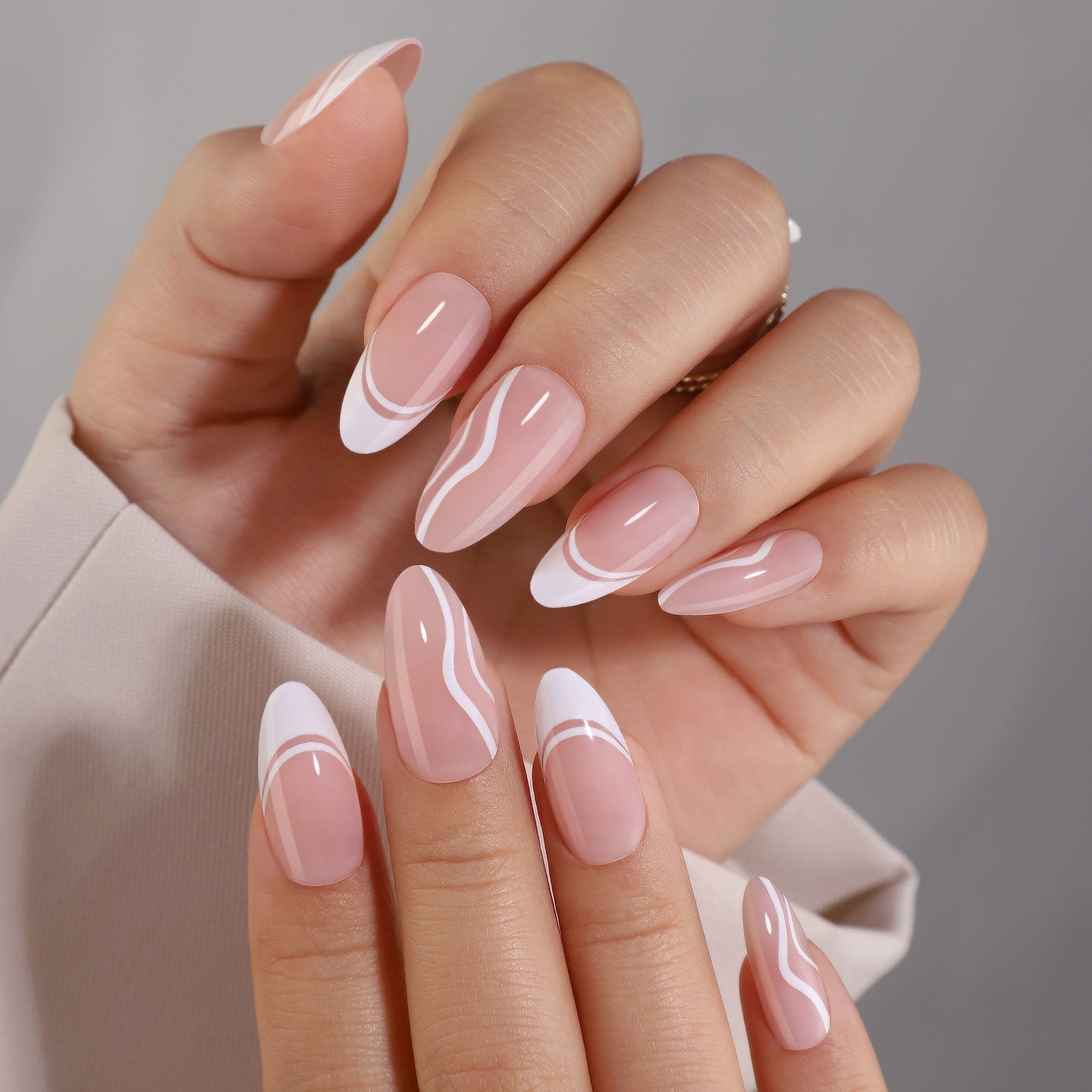
→ Adesivi per unghie (per design senza allungamento) o unghie press-on (SHANGMENG offre oltre 100 design tra cui floreali, French manicure e sfumati).
"Ho un budget limitato."
→ Le unghie press-on a $10–20 a set offrono il miglior rapporto costo-durata. Un set di acrilico in salone costa $50–80, più $30–45 ogni 2–3 settimane per il riempimento.

Se stai scegliendo specificamente tra unghie press-on e unghie in acrilico, abbiamo un'analisi completa basata sui dati. Press-On Nails vs. Acrylic Nails: Cost, Damage & Durability →
Perché SHANGMENG rientra nella categoria Press-On
SHANGMENG realizza unghie press-on in gel morbido — il che significa che il nostro prodotto si colloca nella fascia premium della categoria press-on. Ecco cosa significa all'atto pratico:
- Materiale: Gel morbido (non plastica ABS economica) — flessibile, resistente alle scheggiature, con una finitura con rivestimento UV che imita il gel del salone
- Misure: 32 unghie in 16 misure per set — si adatta a circa il 95% delle larghezze delle unghie delle donne
- Applicazione: Biadesivi (per eventi) o colla per unghie (durata di 1–2 settimane) — nessuna lampada, nessun salone
Il termine "gel morbido" nel nostro nome si riferisce al materiale, non a un processo di polimerizzazione UV in salone. Abbiamo scelto questo materiale perché ha davvero l'aspetto e la consistenza delle unghie in gel del salone, senza richiedere alcuna attrezzatura professionale.

SHANGMENG porta oltre 20 anni di esperienza nella produzione di unghie in ogni set — ogni unghia è polimerizzata con UV nella nostra struttura per garantire qualità e vestibilità costanti.
Domande Frequenti
Come si chiamano ufficialmente le unghie finte?
In contesti professionali e medici, le unghie finte vengono definite ricostruzione unghie o allungamento unghie. Le onicotecniche possono anche chiamarle coperture (quando applicate sull'unghia naturale senza aggiungere lunghezza) o allungamenti (quando viene aggiunta lunghezza). I termini di uso comune includono unghie finte, press-on e faux nails: tutti si riferiscono alla stessa categoria.
Le unghie press-on sono considerate unghie finte?
Sì. Le unghie press-on sono un tipo di unghia finta (unghia artificiale). Il termine "unghia finta" descrive qualsiasi trattamento estetico che non sia l'unghia naturale: press-on, acrilico, allungamenti in gel e polvere acrilica (dip powder) rientrano tutti in questa categoria.
Quale tipo di unghie finte dura più a lungo?
Il gel rigido (hard gel), il gel morbido/Gel-X e la polvere acrilica durano tutti circa 3-4 settimane, la durata maggiore in assoluto. Anche le unghie in acrilico durano 2-3 settimane prima di richiedere un ritocco. Le unghie press-on durano 1-2 settimane con la colla, un tempo inferiore ma che non richiede alcuna seduta in salone.
Quale tipo di unghie finte è il meno dannoso?
Le unghie press-on e gli adesivi per unghie (nail wraps) sono i meno dannosi: zero danni se rimossi correttamente. Tra i metodi da salone, il gel morbido (Gel-X) e il polygel sono più delicati dell'acrilico, poiché per la rimozione si utilizza il metodo soak-off (solvente) anziché la limatura.
Posso indossare unghie finte tutti i giorni?
Sì, a patto di scegliere una tipologia a basso impatto di danno. Le unghie press-on, se applicate con una corretta preparazione e rimosse delicatamente con acqua calda, possono essere indossate costantemente senza danneggiare l'unghia naturale. Per i trattamenti più aggressivi come l'acrilico, si dovrebbero prevedere periodi di pausa tra un'applicazione e l'altra per consentire alla lamina ungueale di rigenerarsi.
Qual è la differenza tra unghie in gel e unghie press-on?
"Unghie in gel" può significare due cose: (1) unghie press-on in gel morbido, ovvero unghie preformate realizzate in gel da applicare a casa, oppure (2) allungamenti o coperture in gel da salone polimerizzati sotto una lampada UV. La parola "gel" si riferisce al materiale in entrambi i casi. La differenza sta nel metodo di applicazione: le press-on utilizzano un adesivo, mentre il gel da salone richiede una polimerizzazione UV.
Come faccio a sapere quale misura di unghie press-on ordinare?
La maggior parte dei set di unghie press-on include una guida alle taglie. I set SHANGMENG includono 32 unghie in 16 misure per garantirti la vestibilità perfetta su ogni dito. Un metodo rapido per trovare la misura: premi la parte più larga della press-on contro la tua unghia; dovrebbe coprirla da un bordo all'altro senza sovrapporsi alla pelle. In caso di dubbio, scegli la misura superiore (è meglio leggermente troppo grande che troppo piccola, poiché puoi limare i bordi). Guida completa alle misure per principianti →
In Sintesi
Tutti e sette i tipi di unghie finte rispondono a esigenze diverse:
- Unghie press-on – ideali per l'applicazione a casa, zero danni e massima convenienza
- Unghie in acrilico – ideali per la massima durata e lunghezza in salone
- Gel rigido (hard gel) – ideale per dare forza senza l'odore del monomero
- Gel morbido / Gel-X – ideale per un look da salone leggero con una rimozione delicata
- Polvere acrilica (dip powder) – ideale per un colore resistente alle scheggiature senza l'uso della lampada
- Polygel – ideale per modellare la forma in modo controllato e con un odore minimo
- Adesivi per unghie (nail wraps) – ideali per nail art complesse a zero danni
Se ti avvicini per la prima volta al mondo delle unghie finte, le press-on rappresentano il punto di partenza più sicuro. Nessun investimento in strumenti, nessun vincolo di appuntamenti in salone e nessun danno alle tue unghie naturali. Provale per qualche tempo, scopri le forme e le finiture che preferisci e poi decidi se un trattamento professionale in salone vale il costo e la manutenzione aggiuntivi.
Pronta a provare? Sfoglia i nostri set di unghie press-on SHANGMENG più venduti →
Condividere