













Duck Shape Nails: The Trending Style You Need to Try
Written by Elia, SHANGMENG Style Editor
Key Takeaways: Duck nails, also called flare nails, widen toward the tip instead of tapering inward. Their outline is the main design feature, so look at the silhouette before judging the color or decoration. When choosing a set, compare the amount of flare, the length, and the finish you want.
Duck shape nails are defined by an outward flare: the free edge is wider than the middle of the nail. Seen from above, the outline can resemble a small fan or a duck's bill. This guide shows how to recognize that shape, compare it with familiar alternatives, and choose a design without confusing decoration with silhouette.
What Do Duck Nails Look Like?
Start with the outline. A duck nail does not narrow continuously from the base to the free edge. Instead, its sides move outward as they approach the tip.
- The base sits near the cuticle area.
- The sides widen toward the free edge.
- The tip is broader than the middle of the nail.
- The flare remains visible even when the nail has a simple finish.
That last point matters. French tips, ombre color, shimmer, solid color, and raised decoration describe a design. “Duck” describes the shape underneath the design. A pale French manicure can be duck-shaped, almond-shaped, or square; the outer edges tell you which silhouette you are looking at.
How Is a Duck Shape Different From Other Nail Shapes?
The clearest comparison is the direction of the sidewalls. Almond and stiletto shapes narrow toward the end. Coffin shapes taper before reaching a flat tip. Square shapes keep straighter sides. Duck shapes move in the opposite direction and widen toward the free edge.

Use the labeled comparison above as an orientation guide. It shows the named silhouettes side by side, but it should not be treated as a measurement chart. The practical question is simple: do the sides taper in, stay straight, or flare out?
| Shape | Direction toward the tip | Tip outline |
|---|---|---|
| Duck / flare | Widens outward | Broad free edge |
| Almond | Tapers inward | Rounded point |
| Coffin | Tapers inward | Flat end |
| Square | Stays relatively straight | Flat end |
| Oval | Curves inward | Rounded end |
| Stiletto | Tapers sharply inward | Pointed end |
Is the Duck Silhouette Right for Your Style?
Choose duck nails when you want the outline itself to be noticeable. The flare changes the visual balance of the manicure before color, shimmer, or decoration enters the picture. If you prefer a narrower end, compare the duck collection with an almond shape. If you want a straighter edge from base to tip, compare it with a square shape.
Three questions make the choice easier:
- How much flare do you want? A subtle flare keeps the outline quieter; a stronger flare makes the shape the first thing you notice.
- How much length do you want? Look at length and flare as separate choices. A longer nail does not automatically have a stronger flare.
- Which finish should carry the shape? A simple solid or French finish keeps attention on the outline. Shimmer, ombre, or raised decoration adds another visual layer.
For broader nail inspiration, browse Allure's nail coverage. For a general look at press-on options, see Allure's press-on nail guide.
Which Designs Work With Duck Nails?
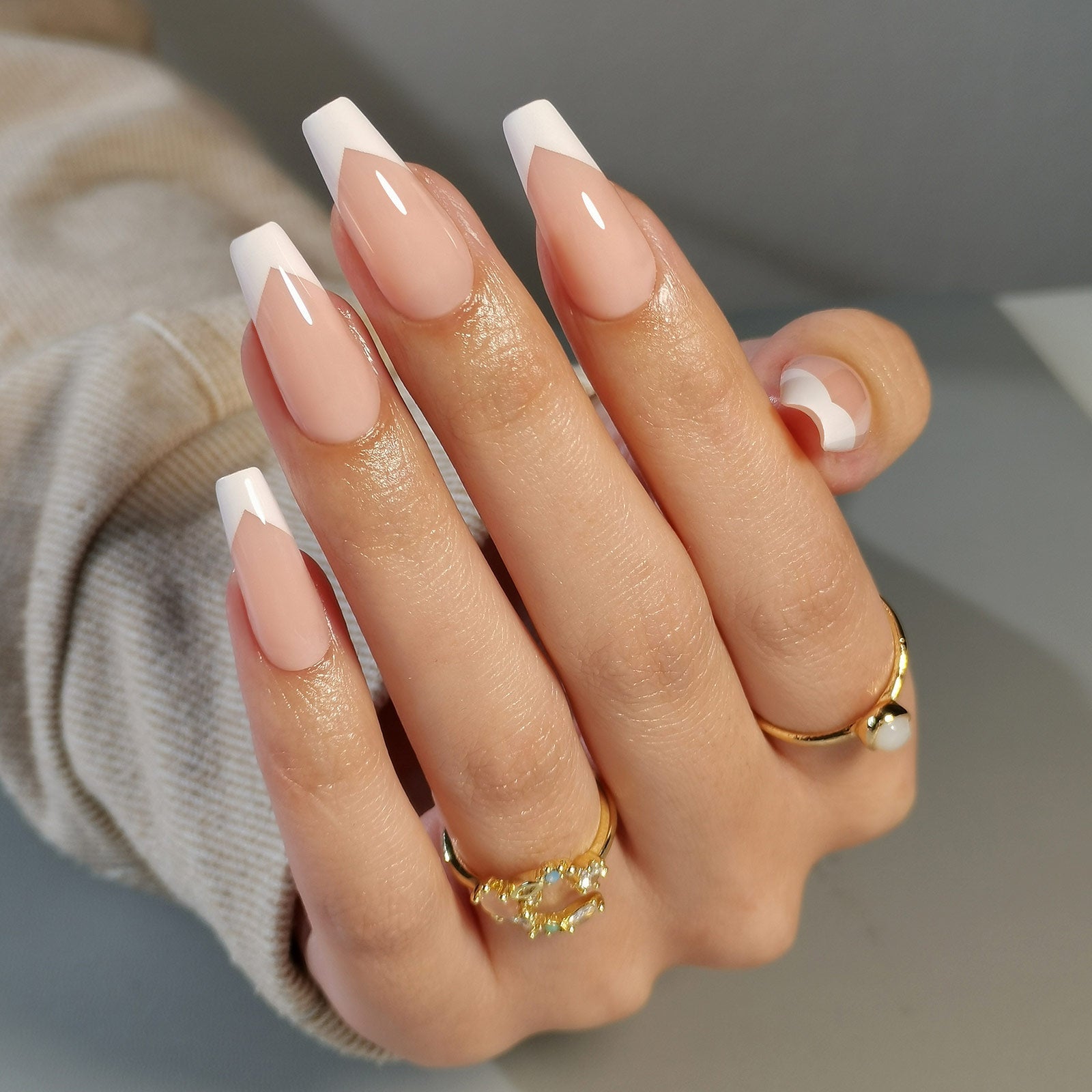
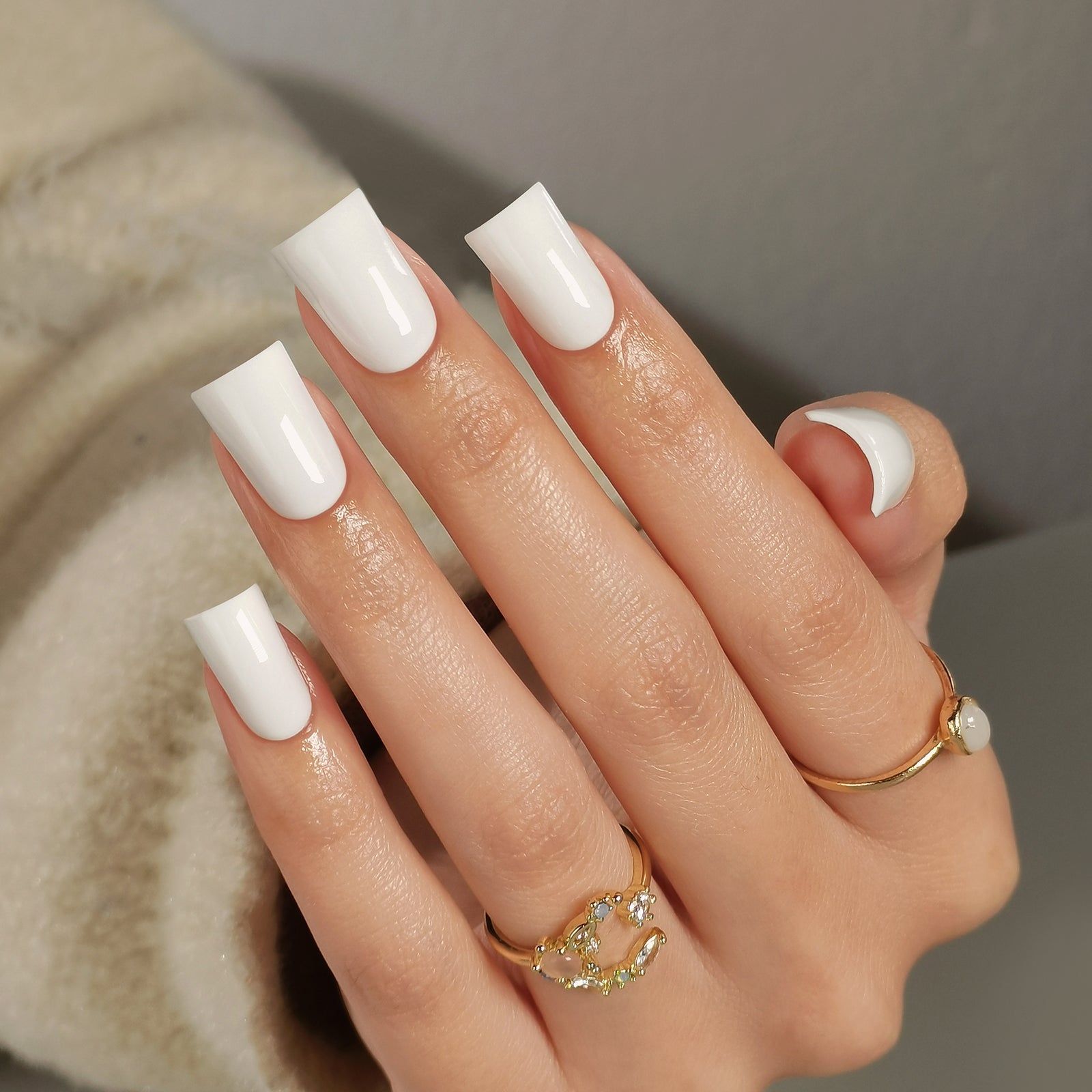
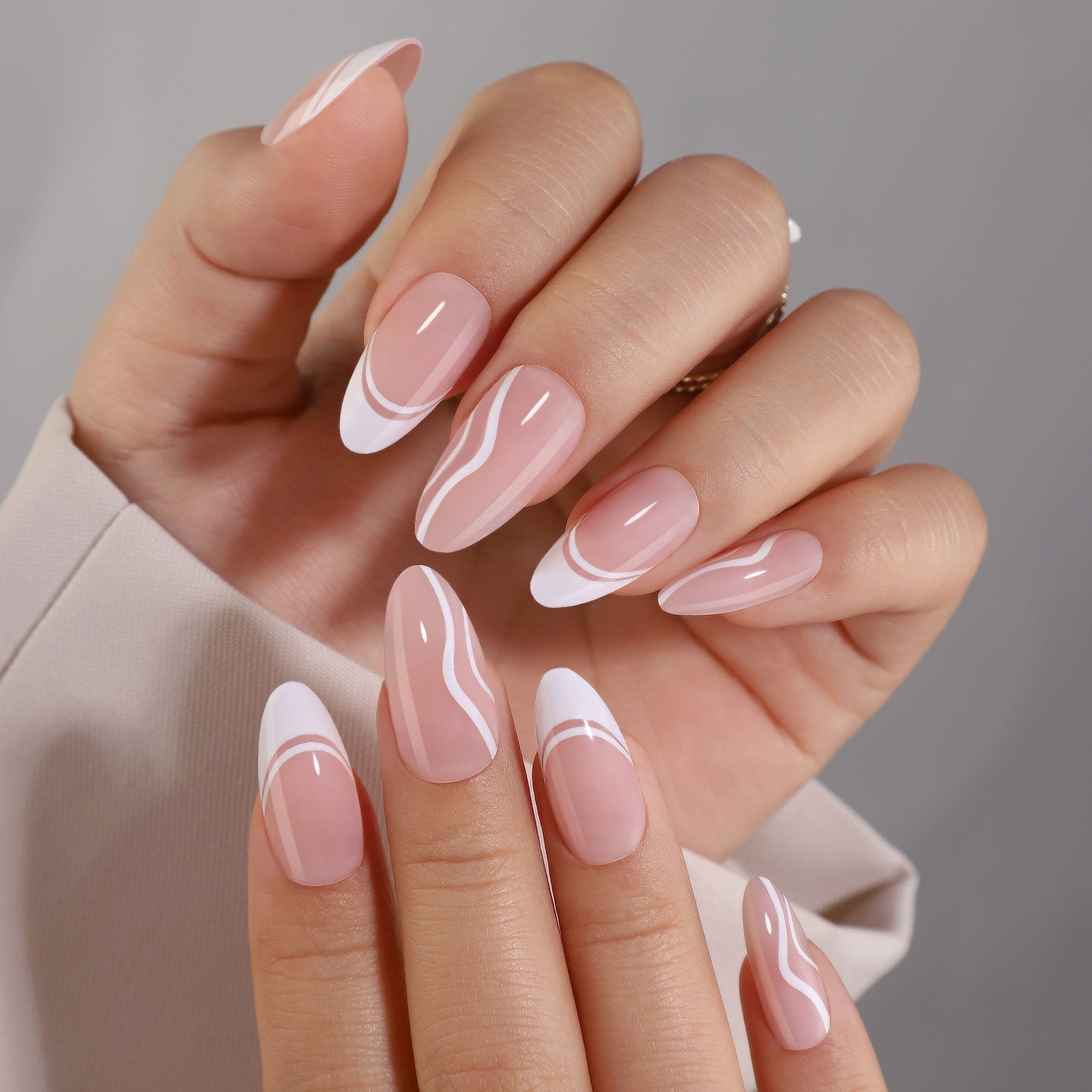
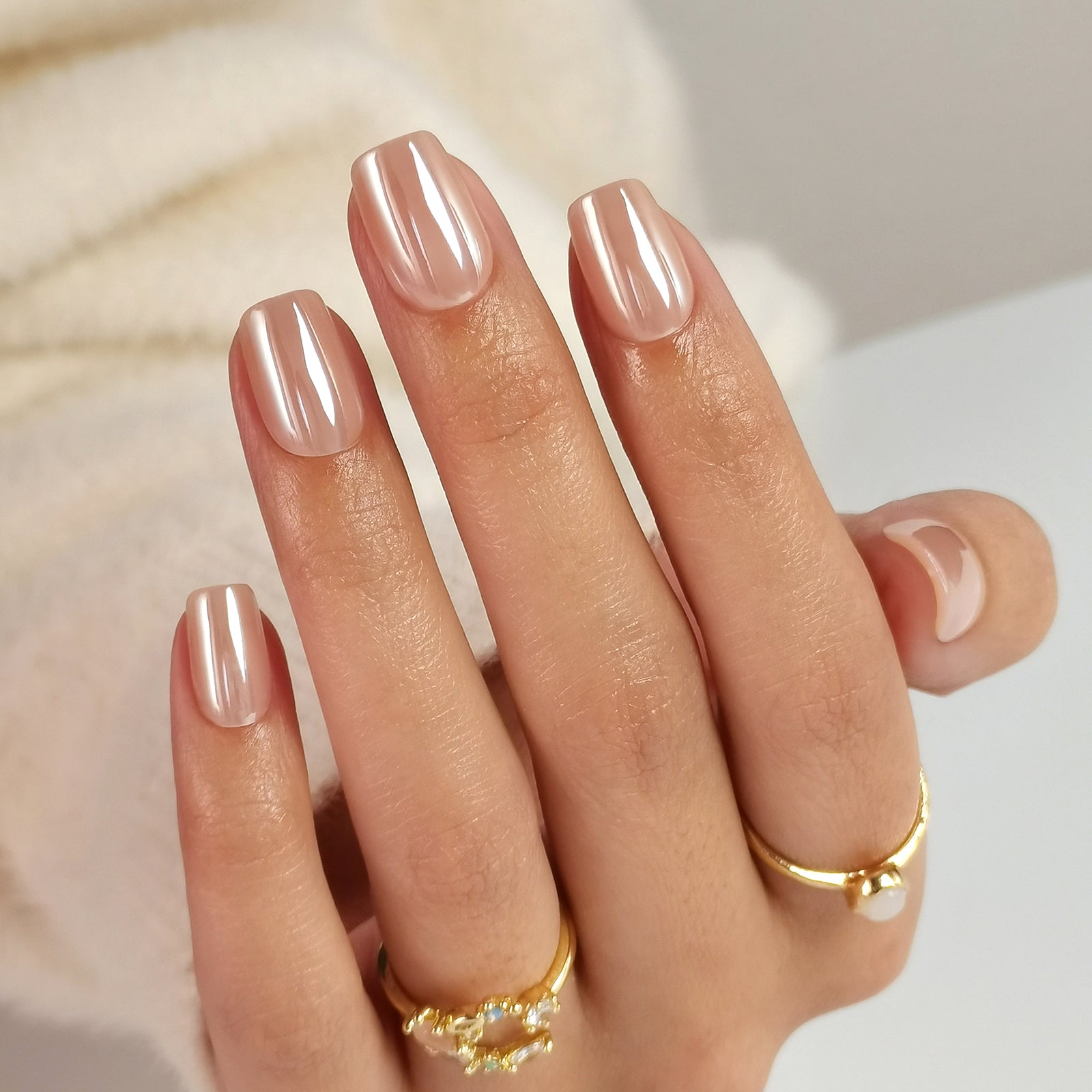
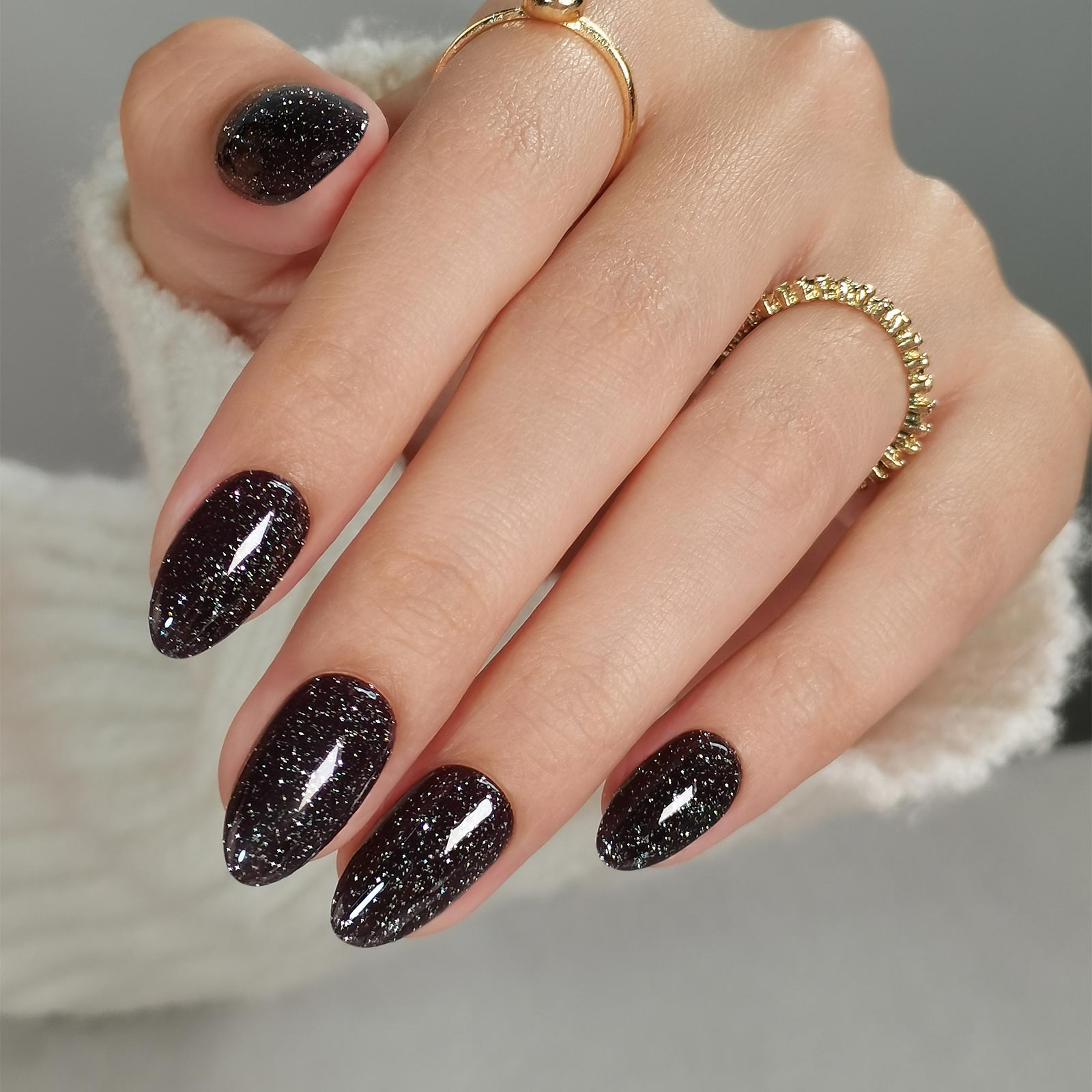
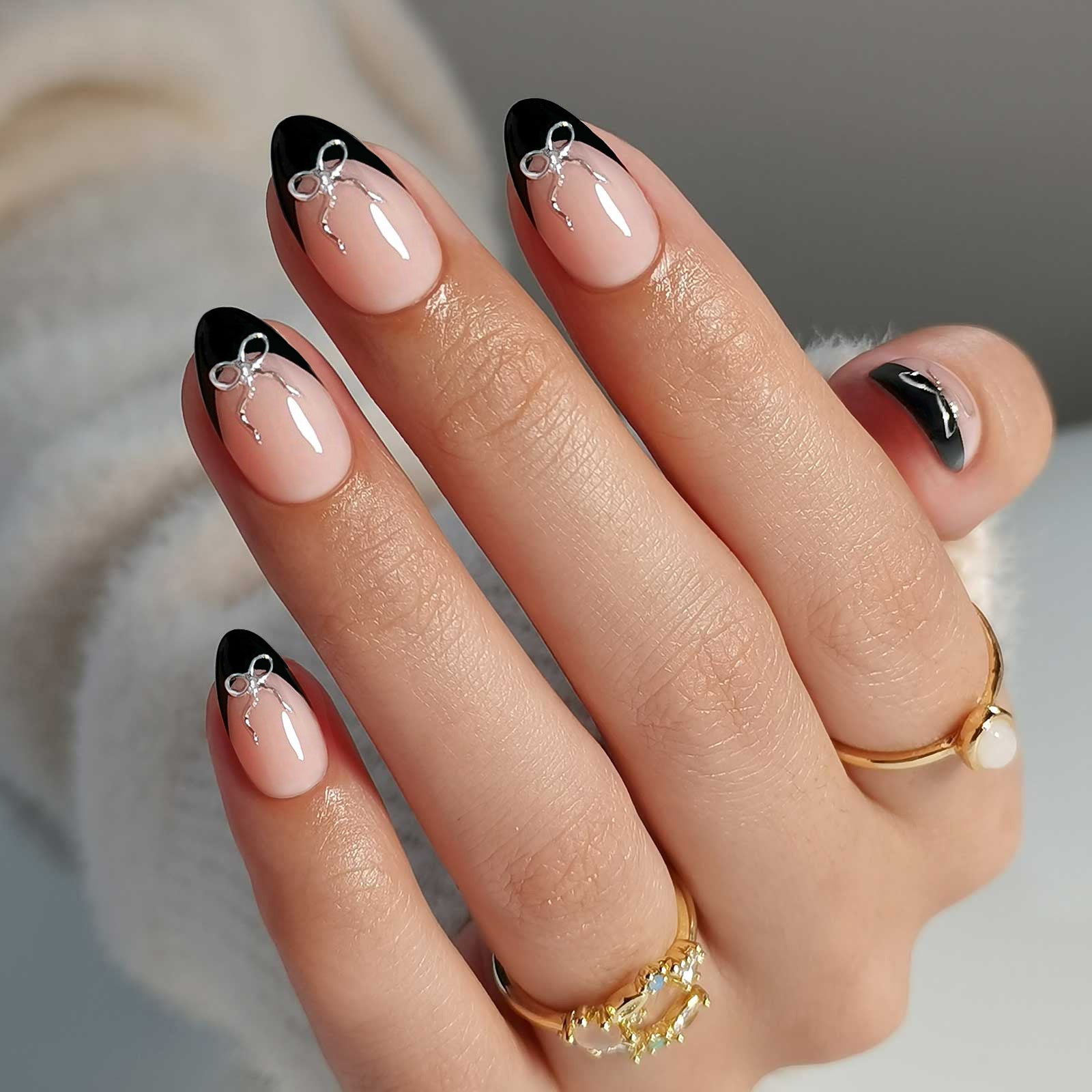
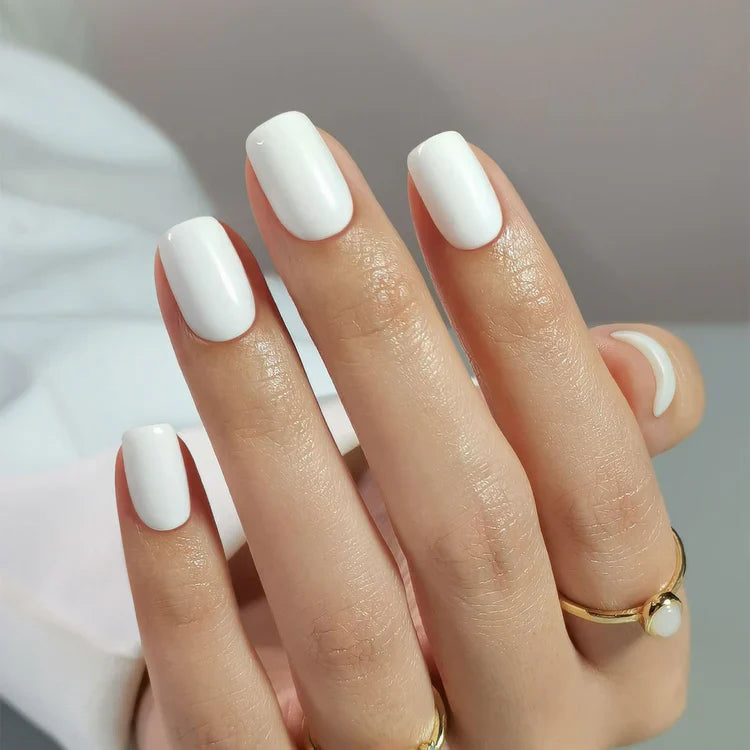
Many finishes can be adapted to a flared outline. The design board below is useful for comparing color and decoration only; its samples do not establish a duck silhouette.

- French tip: A contrasting tip can trace the width of the free edge.
- Ombre: A gradual color change keeps the outline visible without adding a hard boundary.
- Shimmer: Reflected light adds movement across the surface.
- Solid color: One uninterrupted color leaves the silhouette easy to read.
- Raised decoration: Pearls or other dimensional details add texture as a separate design choice.
When comparing product photos, check shape and finish in that order. First look for the outward flare. Then decide whether the color and decoration fit the look you want.
Not sure whether the flare fits your style? Start with duck shapes, then compare a tapered almond silhouette and the wider best-seller range.


How Should You Choose and Apply Duck Press-Ons?
Treat sizing, shape, and adhesive as separate decisions. Before applying anything, lay out the nails and compare the available pieces. Follow the instructions supplied for the set and adhesive you choose. Keep the flare intact; filing the sides inward changes the defining duck silhouette.
The current SHANGMENG duck product pages describe each set as 32 nails in 16 sizes. Those pages also state up to two weeks of wear with liquid nail glue and proper prep. These are product-specific statements for the currently verified SHANGMENG duck styles, not universal promises for every duck nail or every adhesive method.

If sizing or application remains uncertain, use How to Choose the Right Press-On Nail Size as a separate guide. The goal here is to preserve the flare while following the instructions for the specific set in hand.
What Does an Unmistakable Duck Shape Look Like?
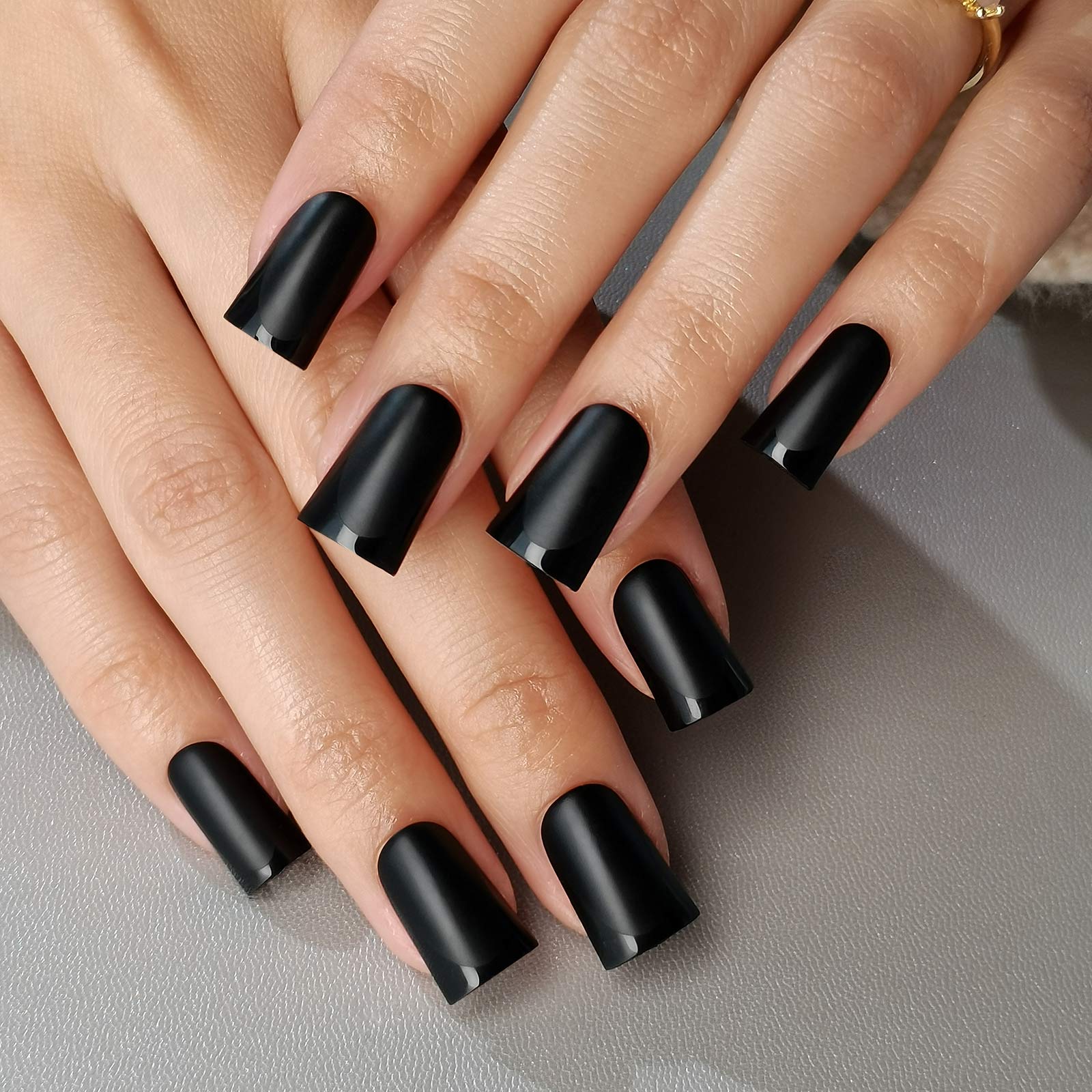
The product image below makes the defining geometry easier to see. Each loose nail widens from its narrower base toward a broad, flat free edge. Color and finish vary slightly across the set, but the outward flare remains the shared feature.

Use that outline as your check when browsing: narrow near the base, wider at the free edge. If a photo shows only color or decoration and hides the sidewalls, it cannot answer the shape question by itself.
Related SHANGMENG Guides
These guides provide more shape comparisons:
- Almond Shape Nails Guide
- Square Oval Nails: The Shape That Does It All
- Squoval Nails: The Shape That Works for Everyone
FAQ
What are duck nails?
Duck nails, also called flare nails, are defined by sides that widen toward the free edge. The tip is broader than the middle of the nail, creating a fan-like or duck-bill outline. The term describes silhouette rather than color, finish, or decoration. A French tip, shimmer finish, solid color, or raised design can all sit on a duck-shaped base. To identify the shape, ignore the artwork for a moment and trace the outer edges from the base to the tip. If those edges move outward, you are looking at a flare or duck silhouette.
Are duck nails the same as square nails?
No. Both can end in a flat edge, but their side outlines differ. A square nail keeps a straighter width as it approaches the tip. A duck nail becomes wider toward the tip. That direction is more useful than the end shape alone when comparing photos. If a product image is taken at an angle or focuses on decoration, look for another view that shows both sidewalls. A flat tip by itself does not establish a duck shape; the outward flare does.
How can I choose a duck nail design from photos?
Judge the silhouette first and the decoration second. Start with a clear top-down view and check whether the nail becomes wider toward the free edge. Then compare length, color, finish, and any raised details. A design board can help you choose between French, ombre, shimmer, solid, and dimensional looks, but it may not prove the underlying shape. Product photos that show the full side outline are more useful for deciding whether the flare is strong enough for the look you want.
Where can I find SHANGMENG duck shape press-ons?
Browse the SHANGMENG duck press-on nail collection for the currently listed duck styles. The collection page is the right place to check the present assortment and current product details. If you decide that an outward flare is not the silhouette you want, compare it with the linked almond and best-seller collections above rather than choosing by color alone.
Share