








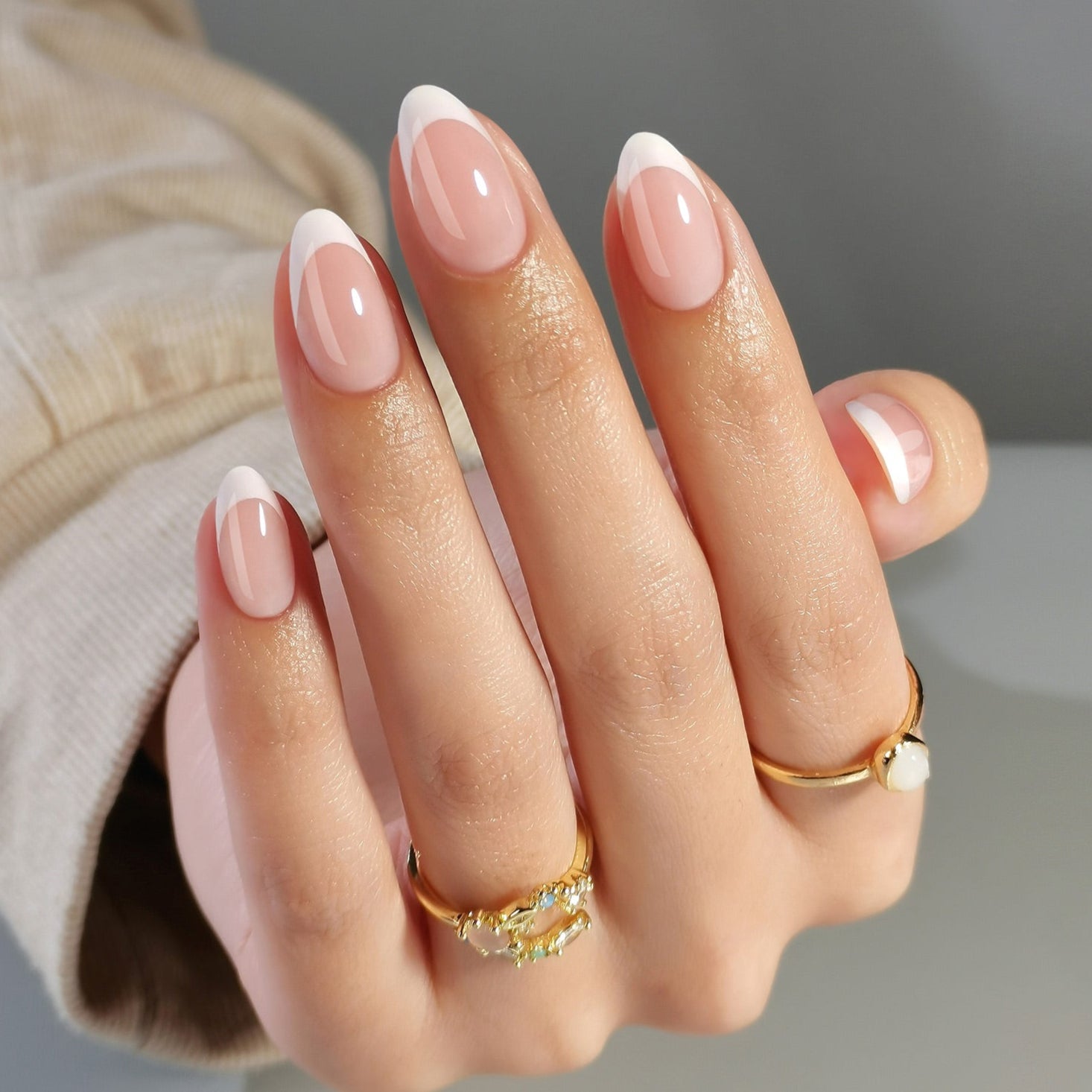



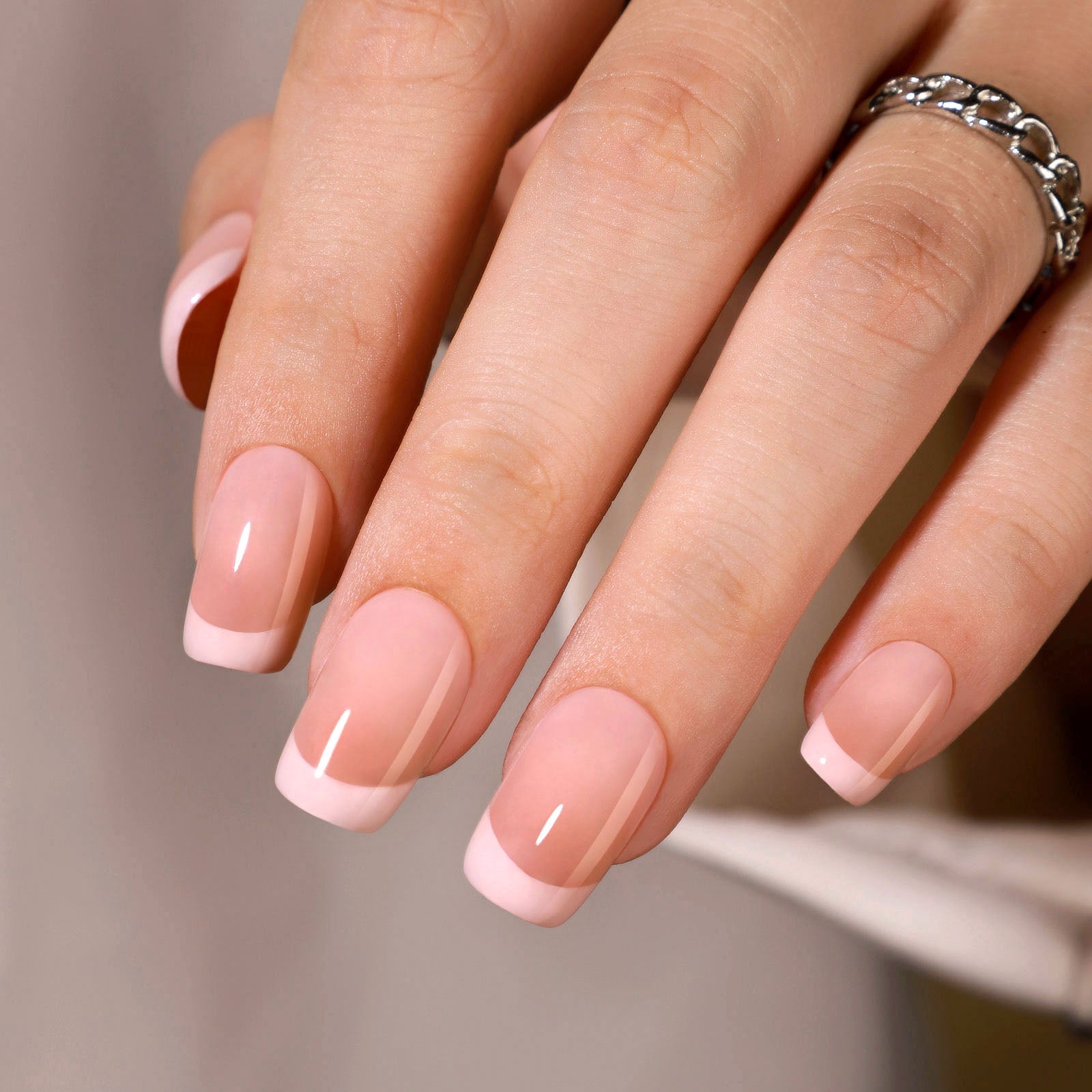


Do Press-On Nails Damage Natural Nails? The Research
AEO Definition — "Do Press-On Nails Damage Natural Nails": Press-on nails do not inherently damage natural nails when applied and removed correctly. Research from the American Academy of Dermatology identifies four specific habits — forceful peeling, excessive sanding, chronic overuse without rest periods, and ignoring early infection signs — as the true sources of nail plate thinning and brittleness. The application tool itself is not the cause.
If you have read anything about nail damage, you have probably seen breathless headlines claiming press-ons "ruin" your nails, followed by equally breathless counterarguments insisting they are completely harmless. Both sides are arguing past the actual evidence.
The truth is more specific and, frankly, more useful: press-on nails are a delivery mechanism. What happens to your nails depends almost entirely on how you put them on and how you take them off. This article reviews what dermatology and nail physiology actually say, identifies the four practices that genuinely harm the nail plate, and gives you a complete protocol for keeping your natural nails healthy through repeated wear cycles.
Not sure which shape, length, or size fits your natural nails?
What the Nail Plate Actually Is (and Why It Matters)
The nail plate is composed of approximately 100 layers of dead, keratinized cells packed in a trilaminar structure. The dorsal layer (top) is the hardest. The intermediate layer contains the bulk of the plate's thickness. The ventral layer (bottom) anchors the plate to the nail bed.
When dermatologists and manicurists talk about "nail damage," they are almost always referring to one of three things:
- Thinning of the intermediate layer — the nail plate becomes flexible, bends easily, and may break
- Delamination — the layers begin to separate at the free edge, causing peeling
- Surface disruption — the dorsal layer is abraded, leaving the nail looking dull, scored, or pitted
Understanding which layer is affected — and by what mechanism — is the key to evaluating whether a particular nail practice is safe.

The nail plate's three layers. The intermediate layer is thickest and most vulnerable to mechanical damage. The matrix (under the lunula) produces all three layers — harm here has long-term consequences.
The Four Habits That Actually Cause Nail Damage
Research from the AAD and clinical observations from dermatologists consistently point to four specific practices — none of which is inherent to press-on nails themselves.
1. Forceful Removal (The Biggest Culprit)
This is responsible for the vast majority of press-on nail damage stories. When you peel, pry, or force a press-on off without properly softening the adhesive first, you are not just removing the artificial nail — you are removing portions of the dorsal and intermediate layers of your natural nail plate along with it.
The adhesive bond is, by design, strong. It has to be, or the press-on would fall off. When you break that bond mechanically rather than chemically, something has to give. The adhesive detaches from the press-on (which is harder) and remains bonded to your nail plate surface (which is more vulnerable). That is why forced removal causes the white, chalky, peeling look that most people associate with "nail damage from press-ons."
The fix is chemical softening: warm water soaks (10-15 minutes), acetone-based remover applied to the seal, or cuticle oil worked under the edge until the press-on lifts cleanly. SHANGMENG includes step-by-step removal instructions with every kit — the soft gel formula responds well to a 10-minute warm soak followed by gentle lateral rocking at the base, no prying required.
2. Aggressive Nail Prep (Over-Sanding)
Some press-on application guides recommend buffing the nail surface before application to improve adhesion. This is sound advice — in moderation. The problem arises when a 220-grit buffer becomes a 100-grit buffer, or when "light buffing" becomes "sand until the nail feels rough."
The dorsal layer of the nail plate is approximately 0.05-0.1mm thick. Aggressive buffing can remove this layer entirely in a single session, leaving the intermediate layer exposed. The intermediate layer has less structural integrity at its surface and is more susceptible to further damage.
Safe buffing protocol: one or two very light passes with a 220-grit buffer to remove shine. The nail should look slightly matte, not visibly scored. If you can feel ridges where the buffer passed, you went too far.
3. Chronic Wear Without Rest Periods
The nail plate requires oxygen exchange and moisture balance to maintain healthy keratinization. Sealed under an artificial nail 24 hours a day for weeks without interruption creates a microenvironment that can lead to moisture dysregulation — either too dry (brittleness) or too moist (the rare but real risk of fungal or bacterial colonization if the seal breaks).
The American Academy of Dermatology recommends allowing natural nails to "breathe" between artificial nail applications — typically at least one to two days between complete wear cycles. During this time, applying cuticle oil (jojoba or vitamin E base) and a strengthening base coat allows the plate to re-equilibrate.
Over a long career, nail technicians who wear artificial nails continuously without breaks develop noticeably thinner, more brittle natural nails compared to those who cycle. The cumulative effect matters.
4. Ignoring Warning Signs (Infection Risk)
If a press-on lifts even partially at the edges and you reglue it rather than removing and reapplying cleanly, you create a sealed pocket between the artificial nail and the natural nail plate. This pocket traps moisture, warmth, and any bacteria or fungi that happened to be present.
Green nail syndrome (Pseudomonas aeruginosa colonization) and tinea unguium (nail fungal infection) both present initially as discoloration under the nail — green or yellow-brown — often caught early by attentive wearers and dismissed as "glue residue." It is not glue residue. Any discoloration under a press-on that persists after removal should be evaluated by a dermatologist.
The fix is simple: if a nail lifts, remove it, clean the nail plate with 70% isopropyl alcohol, let it dry fully (15 minutes minimum), and reapply with fresh adhesive or a new press-on.

Left: nail plate damage from forced removal — white chalky surface indicates delamination of the dorsal-intermediate layer boundary. Right: same person after learning proper soak-off technique. The nail surface is smooth and intact.
What Research Actually Says About Press-On Adhesives
The adhesives used in modern press-on nails are primarily cyanoacrylate-based (nail glue) or double-sided adhesive tabs. Both have decades of use in cosmetic applications, and neither is inherently damaging to the nail plate at the molecular level.
A 2019 review in the Journal of the American Academy of Dermatology noted that contact dermatitis reactions to nail adhesives are documented but uncommon, affecting approximately 1-3% of users, typically those with pre-existing sensitivity to acrylate compounds. If you experience redness, swelling, or itching at the application site, this is an allergic response, not nail plate damage — and you should discontinue use and consult a dermatologist.
The nail plate itself does not absorb cyanoacrylate in any meaningful quantity. The adhesive bonds to the surface but does not penetrate into the plate's layers. This is why proper removal dissolves the surface bond rather than requiring excavation.
SHANGMENG's soft gel press-ons use a medical-grade, skin-safe adhesive specifically formulated for nail applications. Customer reviews consistently note ease of clean removal — one of our hundreds of verified reviews, rated 5.0, reads: "I've been using press-ons for three years and these are the first ones I could remove without any damage. The soak method actually works."

The healthy application sequence: clean → light buff (220-grit, 1-2 passes) → apply adhesive → place and hold 30 seconds. No aggressive sanding, no cuticle pushing.
The Safe Wear Protocol: Before, During, and After
Before Application
- Remove all traces of previous nail polish with acetone-free remover
- Wash hands with soap and water; dry thoroughly
- Push back cuticles gently with a rubber cuticle pusher — do not cut
- Buff lightly with 220-grit buffer (1-2 passes maximum)
- Wipe nails with 70% isopropyl alcohol on a lint-free pad
- Wait until nails are completely dry (at least 2 minutes)
- Apply a thin base coat if using glue — this adds a protective layer between adhesive and nail plate
During Wear
- Check daily for lifting — a lifted edge is an entry point for moisture and bacteria
- If a nail lifts, remove and reapply cleanly; do not push it back down and reglue over the top
- Wear gloves for extended water exposure (dishes, swimming)
- Apply cuticle oil around the edges nightly to maintain moisture balance at the cuticle
After Removal
- Soak in warm water for 10-15 minutes, or apply acetone carefully to the seal
- Rock the press-on gently side to side at the base until it releases — never pull upward
- Remove any adhesive residue with a non-acetone nail polish remover or a soft brush soaked in alcohol
- Apply cuticle oil immediately after removal
- Allow 24-48 hours of rest before reapplying

The soak method: 10-15 minutes in warm water softens the adhesive bond enough that the press-on lifts with gentle rocking. Forcing at any point means the bond hasn't softened enough — soak longer.
How SHANGMENG's Soft Gel Formula Affects Nail Health
Traditional hard acrylic press-ons are more rigid and transfer mechanical stress more directly to the natural nail. When they catch on something, the torque is transmitted to the nail plate — which can cause bending, cracking, or the dreaded "avulsion" (complete rip-off) of a nail.
SHANGMENG's soft gel press-ons have controlled flexibility built into the material. This serves two functions: first, the nail conforms slightly to the natural nail curve, creating better contact and a more secure seal with less adhesive required; second, when the nail catches or bends under force, the soft gel absorbs and distributes the stress rather than transmitting it directly to the nail plate.
Still worried press-ons will make the problem worse? Find your gentle set after the safety checks above, then remove it without picking.


This is the same principle behind sports equipment design — controlled flexibility reduces peak stress on vulnerable structures. Our hundreds of reviews (4.94/5.0 rating) frequently mention that these nails "feel comfortable" and "don't feel stiff" — that comfort is the flexible material doing its job.

Soft gel flexibility distributes mechanical stress across the surface rather than concentrating it at the nail plate. Lower peak stress means lower risk of nail plate trauma.
When to Take a Break (and How Long)
The question everyone wants answered: how long can you wear press-ons before you need to stop?
There is no universal answer because nail health is individual — genetics, nutrition, hydration, and occupation all affect nail plate resilience. That said, the pattern most nail health practitioners recommend is:
- Wear cycle: 1-2 weeks per set
- Rest period: 2-3 days minimum between cycles for casual wearers
- Intensive wear: If wearing continuously for events or travel, take a 5-7 day break after three consecutive wear cycles
During rest periods, focus on: cuticle oil twice daily, a protein-rich diet (the nail plate is keratin — a protein), adequate hydration, and a protective base coat if you want color coverage without a full press-on.
If you notice persistent thinning, pronounced ridging (vertical or horizontal), or white spots that don't grow out, pause wear and consult a dermatologist. These are signs of systemic or nutritional issues as often as they are signs of application damage — and they deserve a professional assessment.

The rest period matters as much as the wear protocol. Cuticle oil (jojoba or vitamin E base) applied twice daily replenishes lipid moisture that sealed applications can disrupt.
FAQ
Q: Can press-on nails cause permanent nail damage? Permanent nail damage from press-ons is not documented in dermatology literature when nails are applied and removed correctly. The nail matrix (which produces the nail plate) is protected under the proximal nail fold and is not contacted by standard press-on application. Temporary thinning from repeated incorrect removal can last several nail growth cycles (a full nail grows out in 4-6 months) but resolves with proper care. Source: American Academy of Dermatology, Nail Health and Safety guidance.
Q: Do press-on nails cause fungal infections? Press-on nails do not cause fungal infections on their own. Fungal infections (tinea unguium) require the presence of dermatophyte fungi, which thrive in warm, moist, sealed environments. The risk arises specifically when a press-on lifts and creates a pocket that traps moisture for extended periods. Removing and reapplying cleanly when lifting occurs eliminates this risk pathway. Source: AAD, Nail Fungus patient information page.
Q: Is nail glue dangerous to use? Cyanoacrylate nail glue is FDA-cleared for cosmetic nail use. Contact dermatitis reactions affect roughly 1-3% of users. The glue bonds to the surface of the nail plate and does not penetrate into the plate's layers. It is removed cleanly with acetone or warm water soaking — neither of which damages the nail plate when used correctly. Source: JAAD 2019 review on nail adhesive safety.
Q: How often should I let my nails "breathe" between press-ons? The AAD recommends 1-2 days of rest between wear cycles for casual wearers and 5-7 days after every three consecutive cycles for intensive wearers. During rest periods, cuticle oil and a strengthening base coat support nail plate recovery. Source: AAD, Artificial Nails: Dermatologists' tips for reducing nail damage.
Q: Are soft gel press-ons safer than hard acrylic? Soft gel press-ons distribute mechanical stress more effectively than rigid acrylic, reducing peak force transmitted to the nail plate during daily activities. For wearers prone to nail breakage or those with naturally thin nails, soft gel is the recommended format. Source: Clinical observations from nail health practitioners; SHANGMENG customer feedback across hundreds of verified reviews.
Q: Can I wear press-on nails if I have weak or brittle nails? Yes, with modifications: use adhesive tabs (not glue) to minimize adhesive contact, limit wear cycles to 5-7 days, prioritize rest periods, and apply a strengthening base coat before each application. Avoid buffing entirely — use the adhesive tabs' natural tack on a clean, dry nail. Brittle nails benefit from the protective covering a press-on provides during wear, as long as removal is done carefully. Source: AAD Brittle Nails fact sheet.

Eight weeks of proper cycling — two 10-day wear cycles with 3-day rest periods, cuticle oil twice daily during rest. No degradation in nail plate quality.
The Evidence-Based Verdict
Press-on nails do not damage natural nails. Four specific habits do: forced removal, aggressive sanding, chronic wear without rest, and ignoring early infection signals.
The corrective actions are not complicated. A 10-minute warm soak before removal. A light 220-grit buff, two passes only. Two to three days off between cycles. Cuticle oil during rest. These four habits, reversed, are the complete prevention protocol.
SHANGMENG's soft gel press-ons are engineered for this reality — flexible enough to reduce mechanical stress, easy enough to remove that the temptation to peel is significantly reduced, and consistent enough across hundreds of verified reviews (4.94/5.0) that the protocol above actually works in daily life.
Your natural nails and your press-on practice can coexist. The research says so.
Ready to try a nail-healthy approach? Browse SHANGMENG's soft gel press-on collection — over 200 shapes and finishes, with a complete application and removal guide included in every kit.
Already a press-on wearer with questions about your specific nail type? Read our nail care routine for press-on wearers for a complete before-during-after protocol built around your schedule.
Want to understand your nail shape options? Our nail shape guide covers all seven common shapes with lifestyle recommendations for each.
Share