


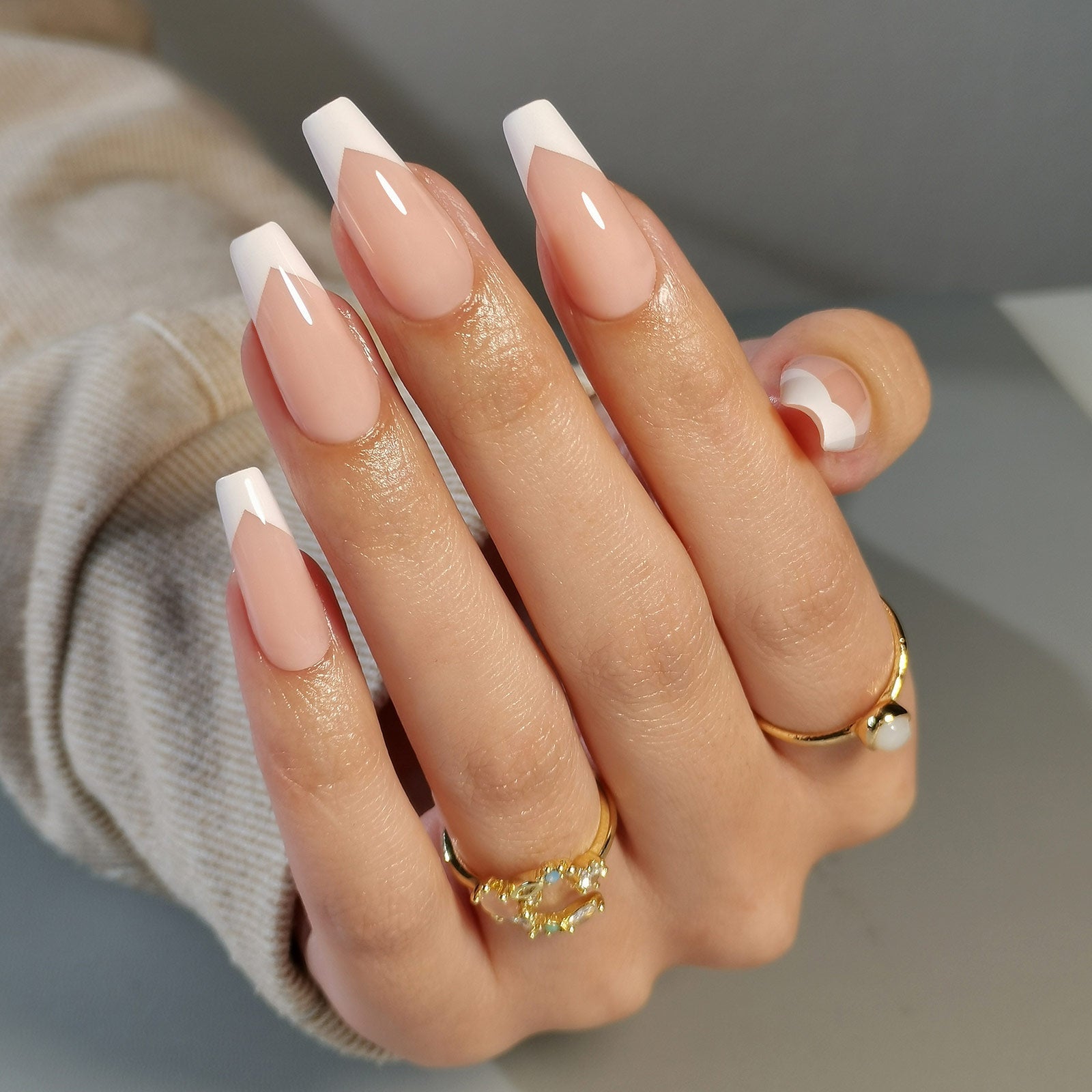


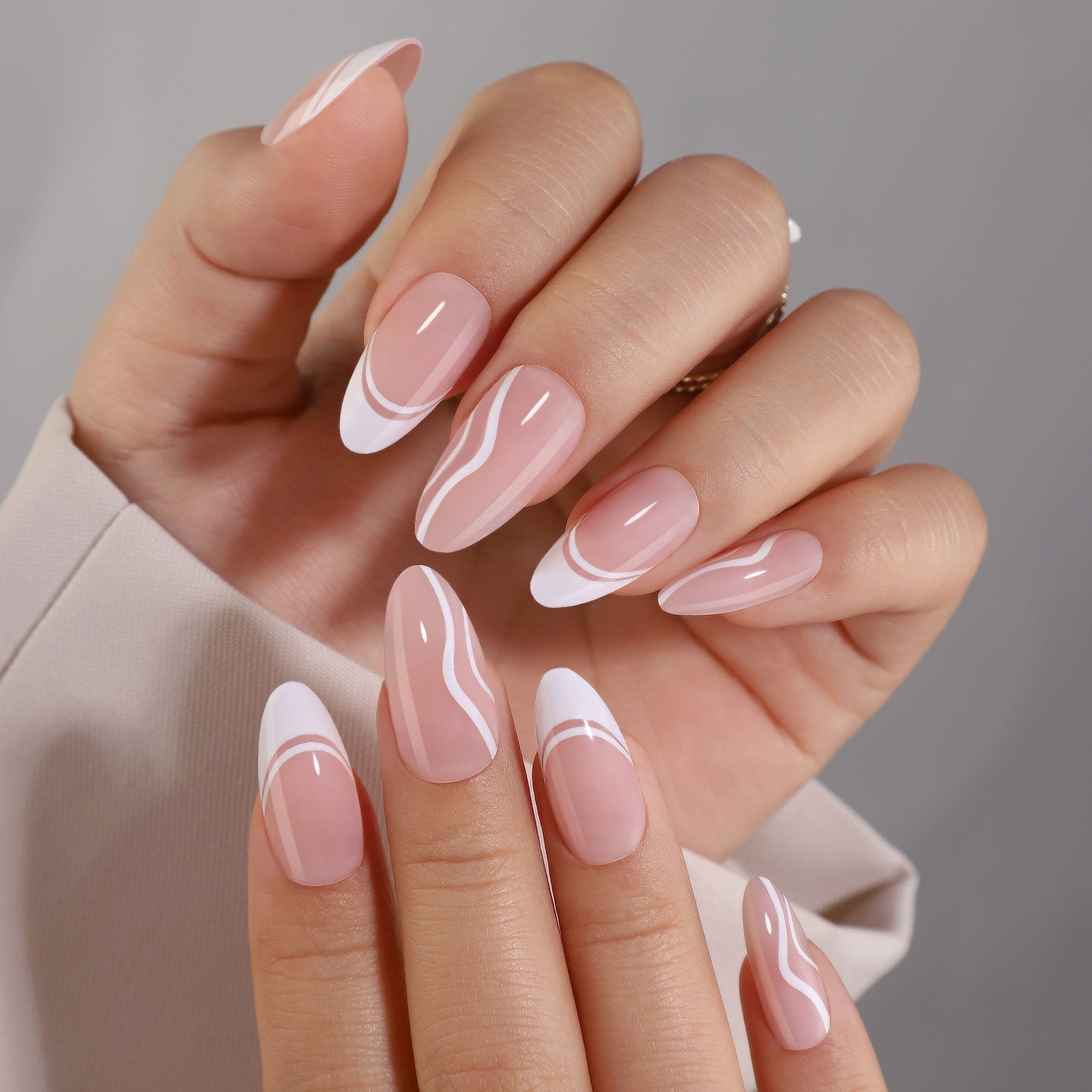









Best Cuticle Oil for Press-On Nails: Do You Even Need It?
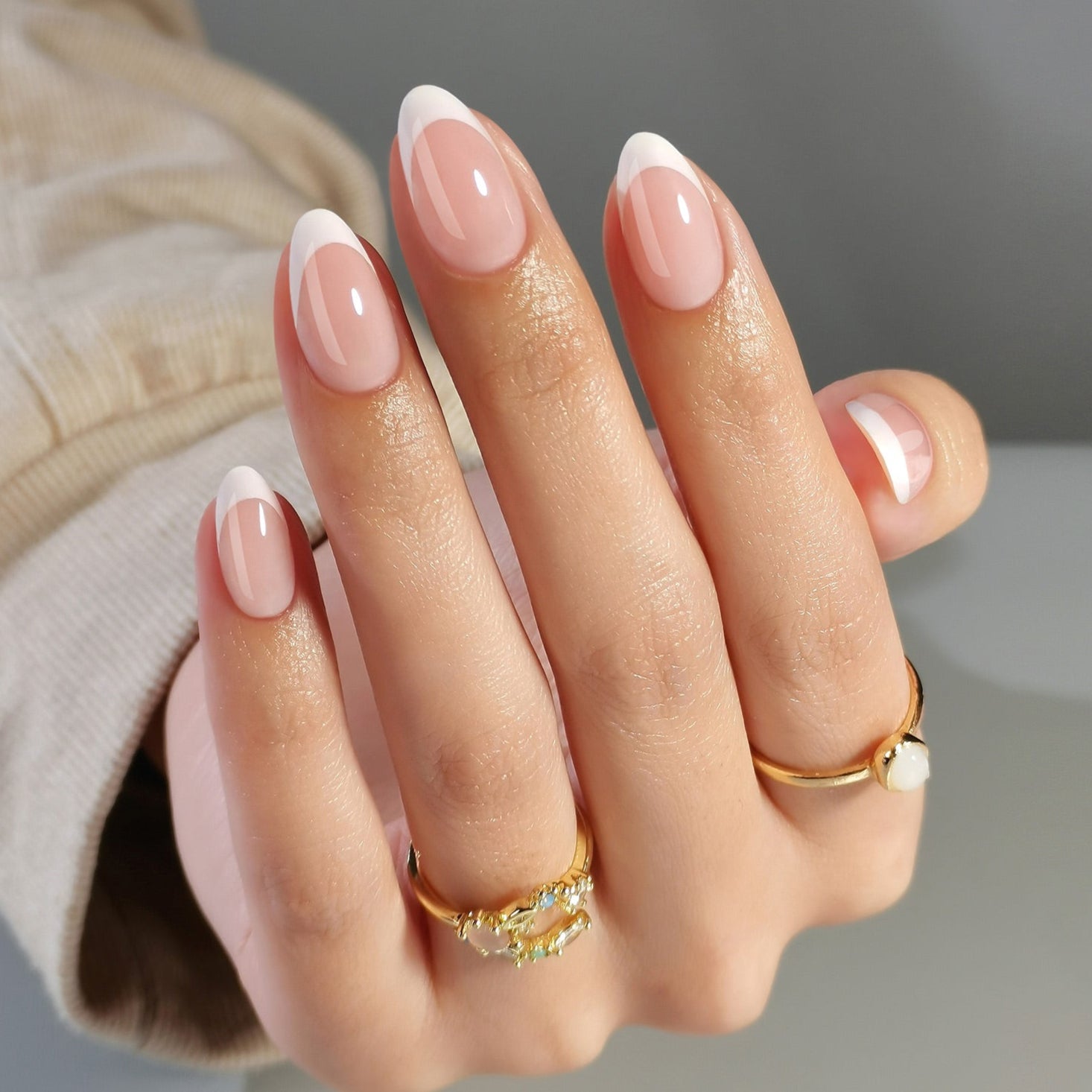
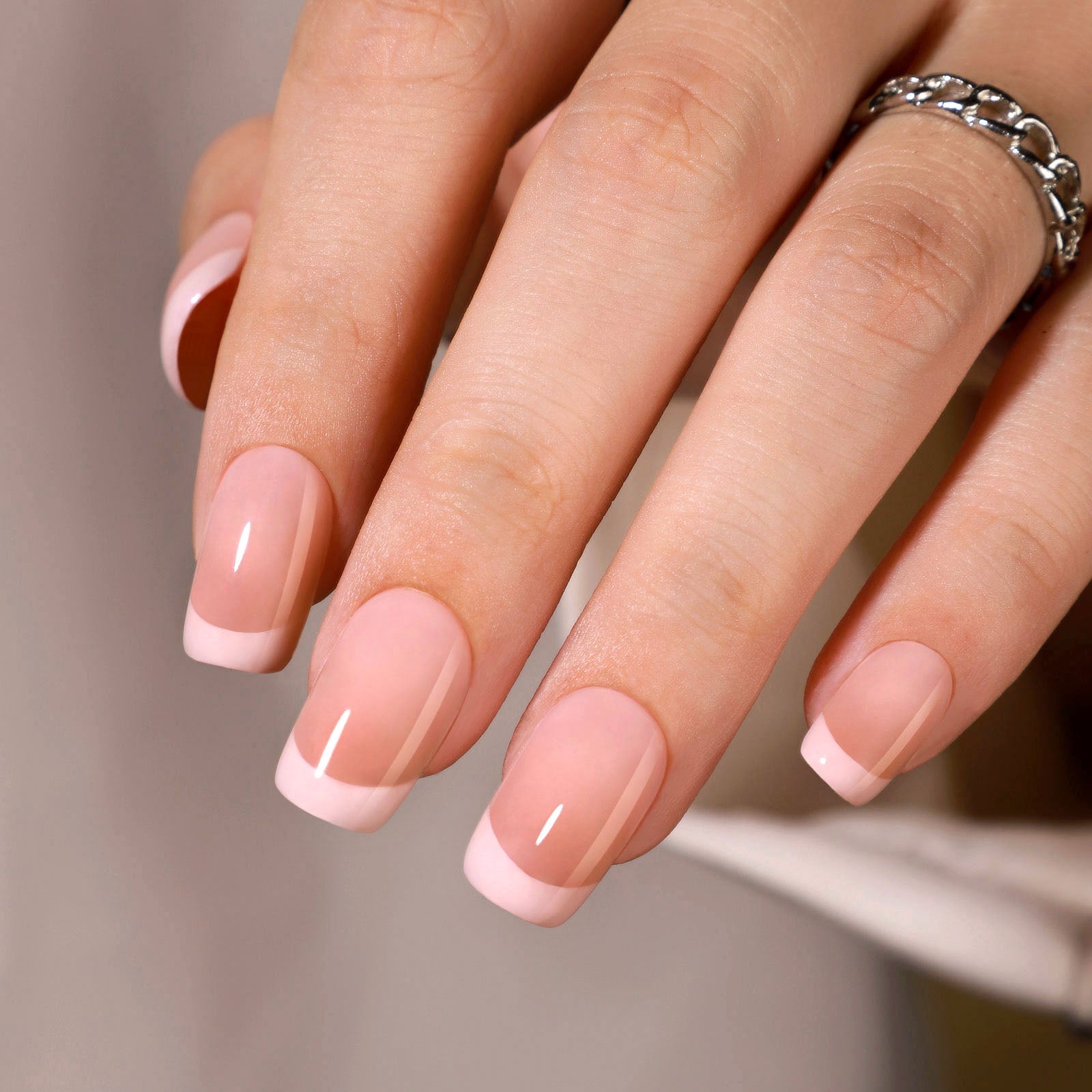
Cuticle oil for press-on nails is beneficial when applied to the surrounding skin, never underneath, because the press-on's occlusive layer reduces air exposure and dries the skin and nail bed.
Here is the short answer: yes, cuticle oil matters — but when you apply it makes all the difference.
Apply it right before putting on press-on nails and you'll sabotage the bond. Apply it at the right moments and you'll keep your natural nails strong, your cuticles healthy, and your press-ons looking salon-fresh for longer.
This guide covers exactly when to use cuticle oil with press-on nails, the five best formulas on the market, a DIY recipe that actually works, and the science behind why your cuticles deserve this level of care.
A salon repair or hydration treatment can cost $60+ before products; a daily cuticle-oil routine is the lower-cost habit that prevents most dryness problems before they start.

Cuticle oil applied to the skin around press-ons — never under them — keeps your natural nail bed nourished throughout the wear cycle.
Not sure which shape, length, or size fits your natural nails?
Do Press-On Nails Actually Need Cuticle Oil?
Short answer: your natural nails do, and cuticle oil is how you deliver that moisture.
Press-on nails themselves do not need oil — they are made of UV-cured soft gel polymer (in SHANGMENG's case) and do not absorb it. But the nail bed underneath, and the skin around your nails, are living tissue that dries out, especially under an occlusive layer like a press-on.
The American Academy of Dermatology's healthy nail tips identify dry cuticles as a leading cause of hangnails, nail splitting, and breakage. When you wear press-ons for one to two weeks, you are reducing air exposure to that skin, which can accelerate dryness — particularly in low-humidity environments or during winter.
What cuticle oil does for press-on wearers:
- Keeps the surrounding skin supple so you do not pick at the nail edges (which is the number-one cause of premature lift)
- Nourishes the natural nail plate below the press-on so the nail you reveal after removal is still healthy
- Reduces the temptation to pry — dry, irritated cuticles make you want to fidget with your nails, which loosens adhesive
- Supports nail growth so your next set fits just as well as the first
Studies published in the Journal of the American Academy of Dermatology confirm that occlusive and emollient ingredients — exactly what cuticle oils contain — measurably improve nail plate hydration and reduce brittleness over a four-week period.

Oil goes on the cuticle and lateral nail folds — the living skin — not under the press-on where it would break adhesive bonds.
When to Apply Cuticle Oil With Press-On Nails (Timing Is Everything)
❌ NOT Before Application
This is the single most common mistake. Cuticle oil — even if it only touches the skin and not the nail plate — migrates. Natural skin oils spread across the nail surface within minutes, creating an invisible barrier that prevents adhesive from bonding properly.
Even if you wipe the nail plate with a prep pad after applying oil, residue often remains in the grooves and micro-texture of the nail. The result: pop-offs within hours.
Rule: apply no oil of any kind in the 12 hours before putting on press-ons. This includes hand lotion, sunscreen, and any oil-based product.
Your nail prep routine should end with a 70%+ isopropyl alcohol wipe — that degreases and creates the clean, slightly tacky surface adhesive needs.
✅ After Removal — Your Most Important Window
The moment your press-ons are off, your natural nails have been under cover for days. This is when cuticle oil does the most good:
- Remove press-ons gently using the soak-off method
- Buff away any glue residue with a gentle 180-grit buffer
- Apply cuticle oil generously to the entire nail plate, cuticle, and lateral folds
- Massage for 30–60 seconds per hand
- Leave on overnight if possible
This post-removal application directly counteracts the dehydration that builds up during extended wear.
✅ During Wear — At the Cuticle Margins Only
Once press-ons are on and the adhesive has fully cured (24 hours after application), you can apply a small amount of cuticle oil to the skin at the base and sides of the nail. Keep oil away from the leading edge of the press-on where it meets the skin — that is the bond zone.
A pointed-tip applicator or a thin brush makes targeted application easier and reduces the risk of getting oil under the nail.
✅ Before Bed, During Wear Period
A nightly application to the cuticle area helps maintain skin health throughout a two-week wear cycle. Use just enough to massage into the skin — excess product on the press-on surface makes nails feel slippery.

Two weeks of targeted cuticle oil application during press-on wear: dryness and hangnails on the left, healthy skin on the right.
5 Best Cuticle Oils for Press-On Nail Wearers (Ranked)
The ideal cuticle oil for press-on wearers has three properties: thin enough to stay on the skin and not migrate to the nail surface, fast-absorbing so it does not feel greasy, and potent enough to actually penetrate the nail plate.
1. Jojoba Oil — Best Overall
Jojoba is technically a wax ester, not an oil, which means its molecular structure closely mimics human sebum. It absorbs rapidly without leaving a film, and its molecules are small enough to penetrate the nail plate and cuticle effectively.
Why it wins for press-on wearers: It does not migrate across the nail surface the way heavier oils do, making accidental contact with the adhesive zone less of a problem during wear.
Look for 100% pure cold-pressed jojoba — clear or very pale gold, not dark or opaque.
2. Sweet Almond Oil — Best for Dry, Damaged Cuticles
High in oleic acid (70%+), sweet almond oil is deeply emollient. If your cuticles are severely cracked or peeling from a previous rough removal, this is what you reach for post-removal.
It is heavier than jojoba, which is why it is better suited for the post-removal recovery phase rather than during-wear application.
3. Vitamin E Oil — Best for Nail Growth Support
Vitamin E (tocopherol) is both an antioxidant and a humectant. It helps with the visible nail health indicators that matter for press-on wearers: nail plate strength, resistance to peeling, and the condition of the skin around the nail.
Research note: A 2012 study in the Journal of Cosmetic Dermatology found topical Vitamin E improved nail plate smoothness and reduced longitudinal ridging over eight weeks. Combine with vitamin supplements for best results.
4. Argan Oil — Best Multipurpose Option
Argan oil sits between jojoba and almond in terms of weight. It contains both Vitamin E and essential fatty acids, absorbs in 1–2 minutes, and leaves minimal residue. It works during wear and post-removal, making it the most versatile pick if you want one bottle for both phases.
5. Formulated Nail Cuticle Serums (Pen Applicators) — Best for On-the-Go
Products like the ones from OPI, CND Solar Oil, or Orly Cuticle Oil come in click-pen or brush applicators that let you apply precisely to the cuticle margin without flooding the nail surface. These typically combine multiple oils (jojoba, orange, vitamin E) for a balanced formula.
The applicator format makes them ideal for applying during the wear period when you need precision.

Cuticle oil formats vary from dropper bottles to precision applicators; the ingredient base matters more than the package style.
DIY Cuticle Oil vs. Store-Bought: Which Actually Works?
DIY cuticle oil is genuinely effective — with one important caveat: the base oil matters more than the add-ins.
Simple DIY Formula That Works
Ingredients: - 80% jojoba oil (fast-absorbing base) - 15% sweet almond oil (emollient depth) - 5% Vitamin E oil (antioxidant + nail support) - 3–4 drops lavender essential oil per 10ml (optional — skin-soothing, not just fragrance)
Mix in a small dark glass dropper bottle. Shake before use. This formula costs about $0.15 per ml to make and outperforms most $12–18 drug store cuticle oils because you are using undiluted actives without filler ingredients.
What Store-Bought Adds
Commercial formulations often include: - Film-forming agents that create a protective barrier (helpful during wear) - Silicone derivatives for instant glide and a polished feel - Fragrance stabilizers that extend the oil's shelf life
If you wear press-ons frequently, a store-bought pen applicator for during-wear precision + your DIY oil for post-removal treatment is the most cost-effective combination.

A three-ingredient DIY blend: jojoba, sweet almond, and Vitamin E — cheaper and more concentrated than most commercial products.
How Cuticle Oil Extends the Life of Press-On Nails
This is the part most people miss: healthy cuticles actually make your press-ons last longer.
Here is the mechanism:
Dry skin → picking and fidgeting → premature lift. When the skin around your nails is dry and uncomfortable, you unconsciously pick at nail edges, push the press-on up from below, or use your nails as tools more aggressively. Each of these micro-behaviors stresses the adhesive bond.
Well-hydrated cuticle area → less irritation → you leave the nails alone → bond survives longer.
For the full picture on wear duration, see our guide on how to make press-on nails last two weeks.
Protecting the Natural Nail Under the Press-On
When you wear any artificial nail for an extended period, the nail plate underneath is in a low-oxygen, low-light environment. The nail still grows and requires nutrients. Cuticle oil applied at the margins — particularly at the proximal nail fold (the base of the nail) — allows some topical nourishment to reach the growing nail matrix.
This is especially important if you wear press-ons continuously back-to-back. Give your nails one day of oil treatment between sets. This is the single habit that most prevents the thinning, peeling nails that people sometimes associate with press-on wear (which are actually caused by aggressive removal, not the press-ons themselves — a nuance covered in our nail glue safety guide).

A nightly 60-second cuticle oil massage is the simplest habit for maintaining nail health through a two-week press-on cycle.
SHANGMENG Soft Gel Press-Ons + Cuticle Oil: The Complete Care Cycle
Here is the full care protocol that our team recommends for anyone wearing SHANGMENG sets continuously:
Days before application: - Apply cuticle oil nightly up until the day before application - Stop all oil and lotion 12 hours before you plan to apply
Application day: - Complete the 6-step nail prep routine (see our nail prep guide) - No oil at all — alcohol wipe is the final step
During wear (Days 1–14): - Apply a small amount of cuticle oil to the skin around the nails once daily (pen applicator preferred) - Avoid the leading edge of the press-on - If you notice the press-on starting to lift slightly at the base, do not try to re-glue — just be gentler with that finger and check for any product getting underneath
After removal: - Apply cuticle oil generously immediately after removal - Massage for 1–2 minutes per hand - Continue nightly oil treatment for 3–7 days before your next set

Still worried press-ons will make the problem worse? Find your gentle set after the safety checks above, then remove it without picking.


The result of a consistent cuticle care routine: SHANGMENG soft gel nails with zero lifting, zero irritation, healthy skin all the way around.
Best Cuticle Oil for Nail Growth: Does It Actually Work?
This is one of the most searched questions in nail care, so let us address it directly with evidence.
Cuticle oil does not stimulate nail growth in the way that, say, biotin might theoretically influence keratin production from within. Nails grow from the matrix — tissue under the skin at the base of the nail — and topical oils cannot reach that deep.
What cuticle oil does do for nail growth:
-
Reduces breakage, which means the nail you grow does not snap off before it can reach usable length. This is the primary mechanism — not growth acceleration, but growth retention.
-
Improves nail plate integrity, making the free edge more resistant to peeling and splitting as the nail extends.
-
Maintains a healthy proximal fold environment, which indirectly supports the matrix tissue's optimal conditions.
The AAD's patient resource on nail health states that moisturizing the nail plate and surrounding skin consistently is one of the few evidence-based topical interventions for brittle nails. The expected result is nails that appear to "grow faster" because they are breaking less, not because growth rate has increased.
For anyone specifically trying to grow out damaged or thin nails between press-on sets, the combination approach — cuticle oil topically plus the right vitamins internally — is the most evidence-aligned strategy. Our nail vitamins guide covers the internal side in detail.

Nail growth originates from the matrix, not the surface. Cuticle oil prevents breakage at the free edge — the real reason well-oiled nails seem to grow faster.
Frequently Asked Questions
Can I apply cuticle oil over press-on nails?
You can apply cuticle oil to the skin surrounding press-on nails, but not directly on top of the press-on surface during wear. The oil will not damage the press-on itself — soft gel is oil-resistant — but if oil migrates under the free edge of the press-on, it can gradually loosen the adhesive bond. Use a precision pen applicator to keep oil on the skin only, particularly at the base of the nail and alongside the cuticle line. Once press-ons are removed, you can apply oil directly to the natural nail plate freely.
How often should I apply cuticle oil when wearing press-ons?
The AAD recommends moisturizing cuticles daily for best results. For press-on wearers specifically, once daily application to the skin around the nail — not under the press-on edge — is the target. If you live in a very dry climate or your hands are frequently in water, twice daily is appropriate. Apply the larger, more generous treatment immediately after removal, and continue nightly for the recovery period between sets.
Will cuticle oil make my press-on nails fall off?
Applied correctly, no. The risk is in the application method, not the oil itself. Oil on the skin around press-ons does not meaningfully reach the adhesive interface. The adhesive zone is at the underside of the press-on, fully bonded to the nail plate surface. Problems arise when oil gets under the free edge — which can happen if you apply too much or if the press-on has a slight lift already. Keep applications minimal, precise, and focused on the skin rather than the nail surface during the wear period.
What ingredients should I look for in a cuticle oil?
The AAD recommends occlusive and emollient ingredients for nail and cuticle hydration. For a cuticle oil intended for use alongside press-ons, look for: jojoba oil or ester (fast-absorbing, low migration risk), Vitamin E (tocopherol, antioxidant + hydration), and sweet almond or argan oil (emollient depth for post-removal recovery). Avoid formulas with silicone as the primary ingredient — they create a surface film but do not penetrate well, so the hydration benefit is short-lived.
Can cuticle oil repair damaged nails after press-on removal?
It helps significantly, but it does not reverse structural damage. If the nail plate is thin, peeling, or has visible white stress marks after removal, this indicates the press-ons were removed by peeling or force rather than soaking (see our gentle removal guide). Cuticle oil applied immediately and nightly after removal will improve the surface condition and reduce further peeling, but the underlying structural repair has to happen as the nail grows out — which takes four to six months for a full nail plate cycle. The oil is prevention and support, not reversal.
Is there a best time of day to apply cuticle oil?
Before bed is the most effective time. During the day, hands wash, type, cook, and otherwise work off topical products within an hour or two. At night, the oil has six to eight uninterrupted hours to penetrate. If you apply cuticle oil while wearing press-ons, evening application also reduces the chance of product migrating under the nail edge during active daytime use. A secondary application in the morning is a good habit but contributes less than the overnight dose.
 Healthy nails start with the right foundation: a quality press-on set and a consistent care routine.
The Bottom Line
Cuticle oil is not optional for anyone wearing press-on nails regularly — it is the bridge between a healthy natural nail and the nail you show to the world.
The key rules to remember:
- No oil for 12 hours before application
- Precision application to skin only during wear
- Generous application immediately after removal
- Jojoba or argan oil for during-wear; sweet almond for post-removal recovery
- Consistency over quantity — a small amount daily beats a weekly heavy treatment
SHANGMENG's soft gel press-ons are made to last. The cuticle care habit is what makes sure the nails underneath keep up with every new set.
Ready to wear press-ons the right way from start to finish? Start with nail prep, finish with gentle removal, and keep your natural nails thriving with the right vitamins and oil routine.
Sources consulted: - American Academy of Dermatology (AAD): Healthy nail tips - MedlinePlus: Nail diseases overview - NCBI Bookshelf: Nail anatomy and physiology reference - Journal of Cosmetic Dermatology: Topical Vitamin E and nail plate integrity (2012)
Share