





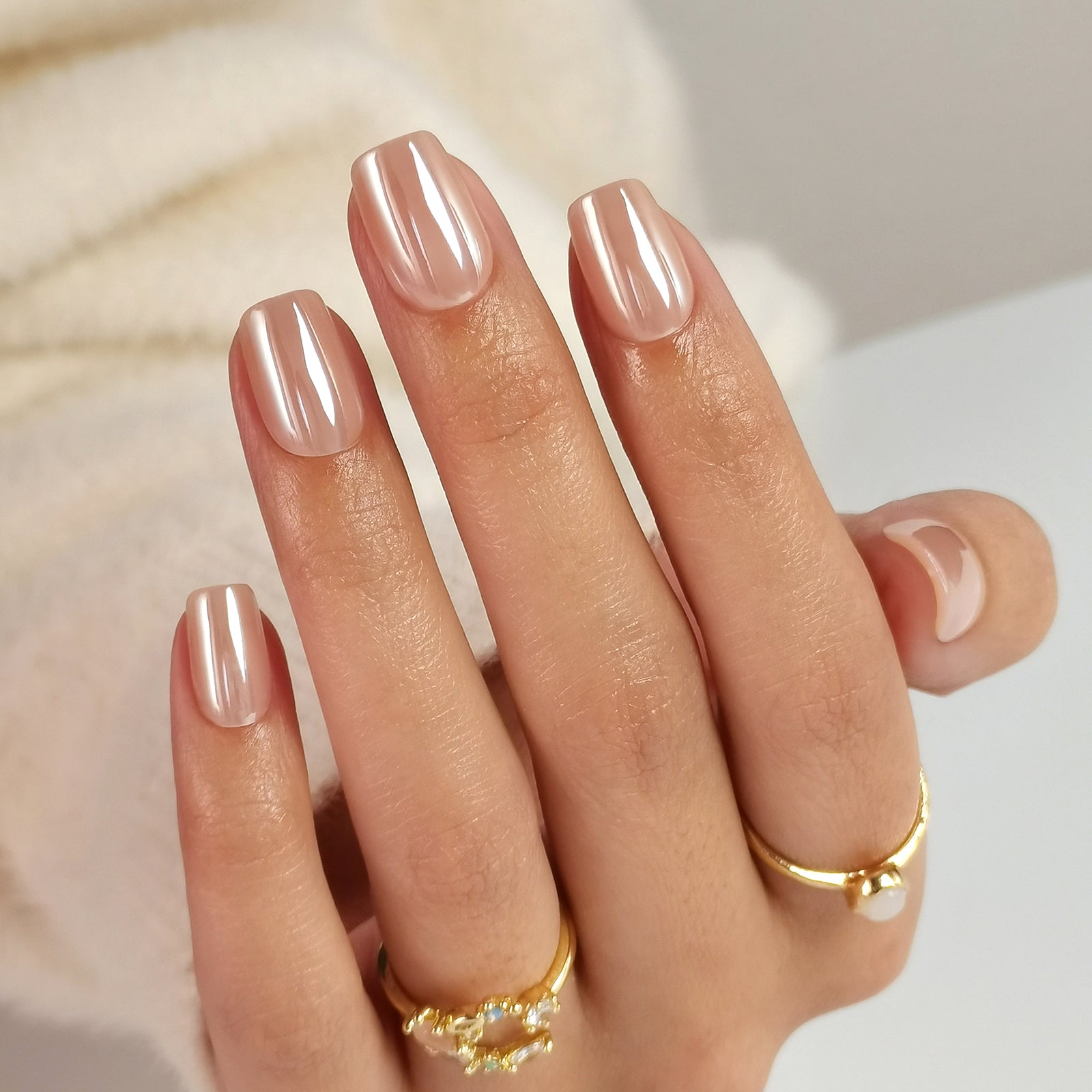

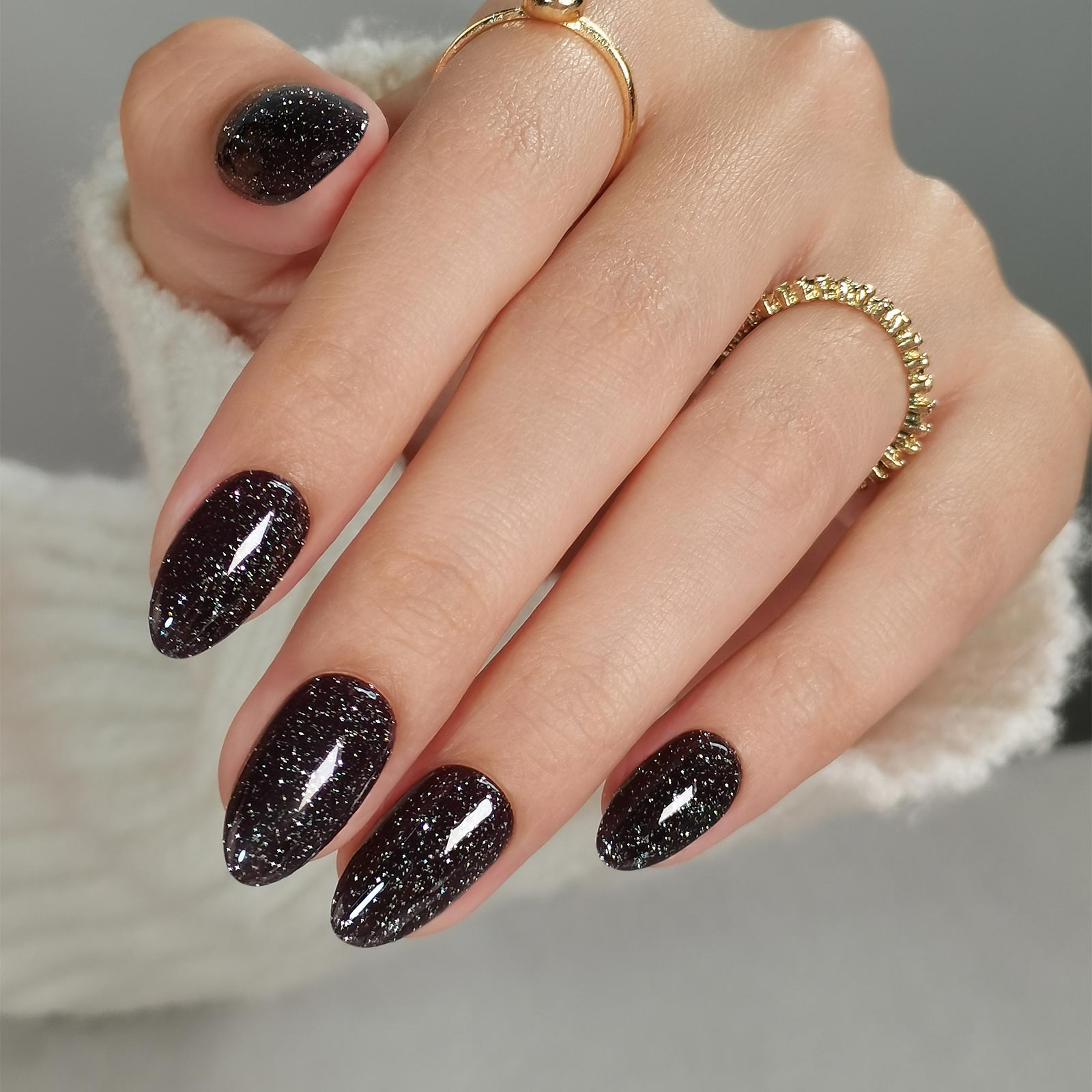
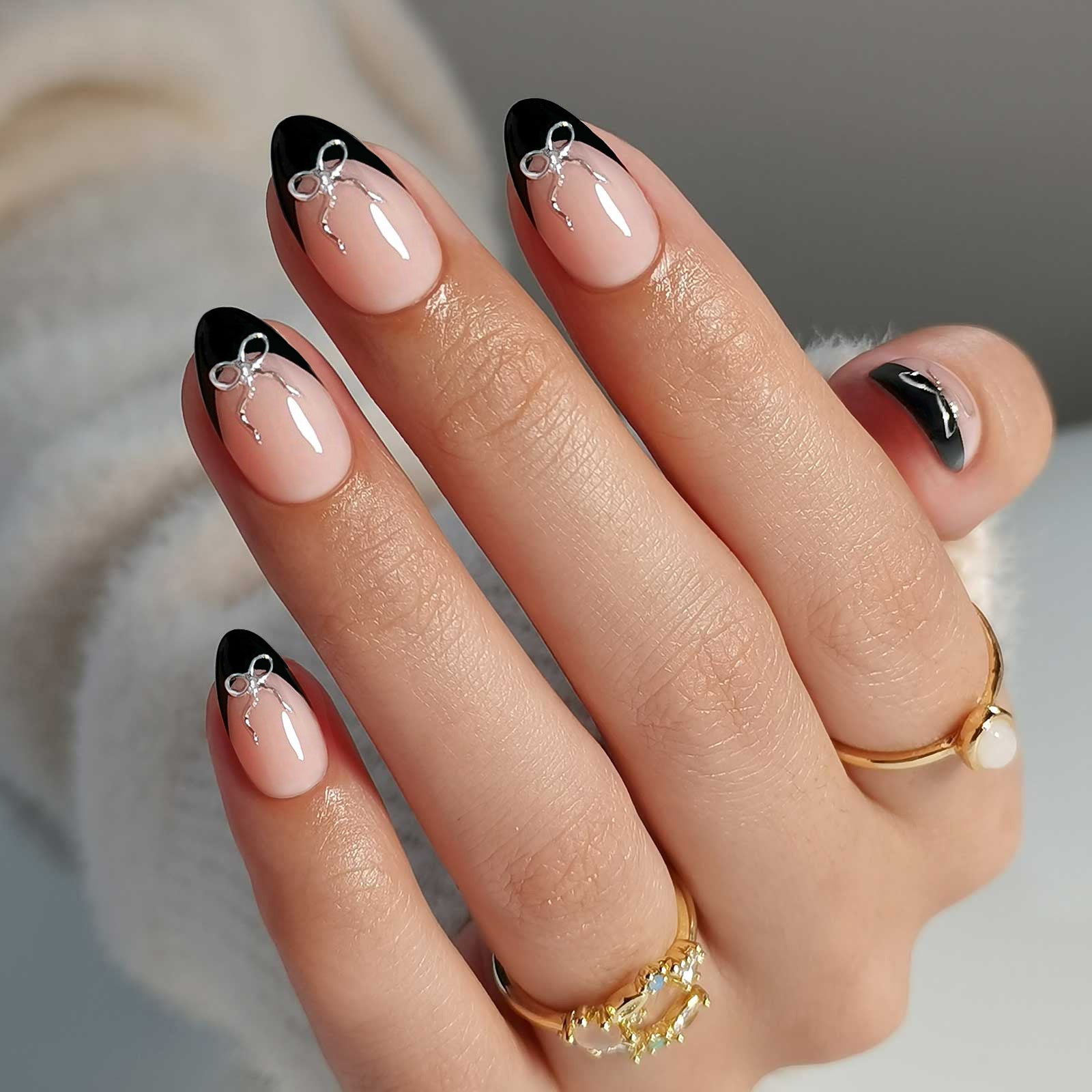


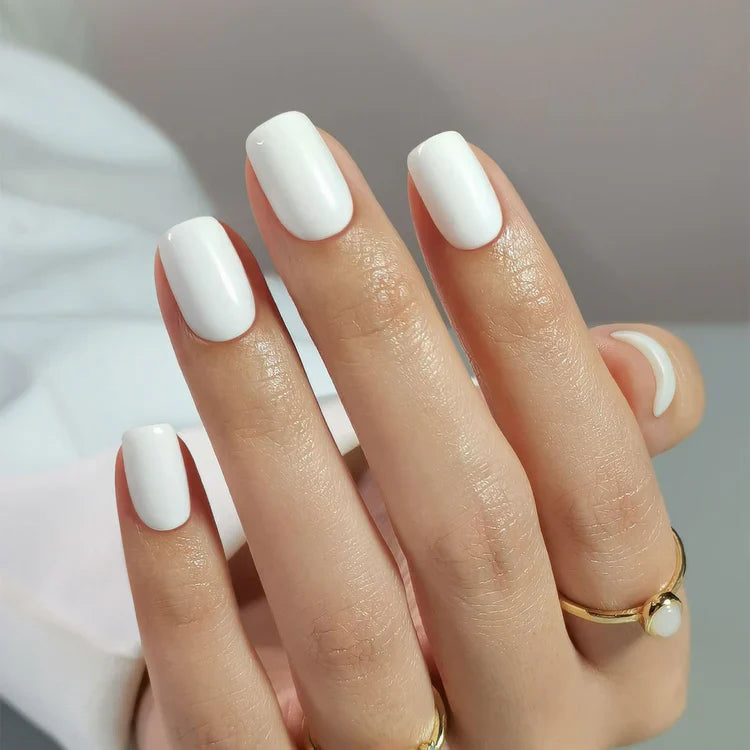
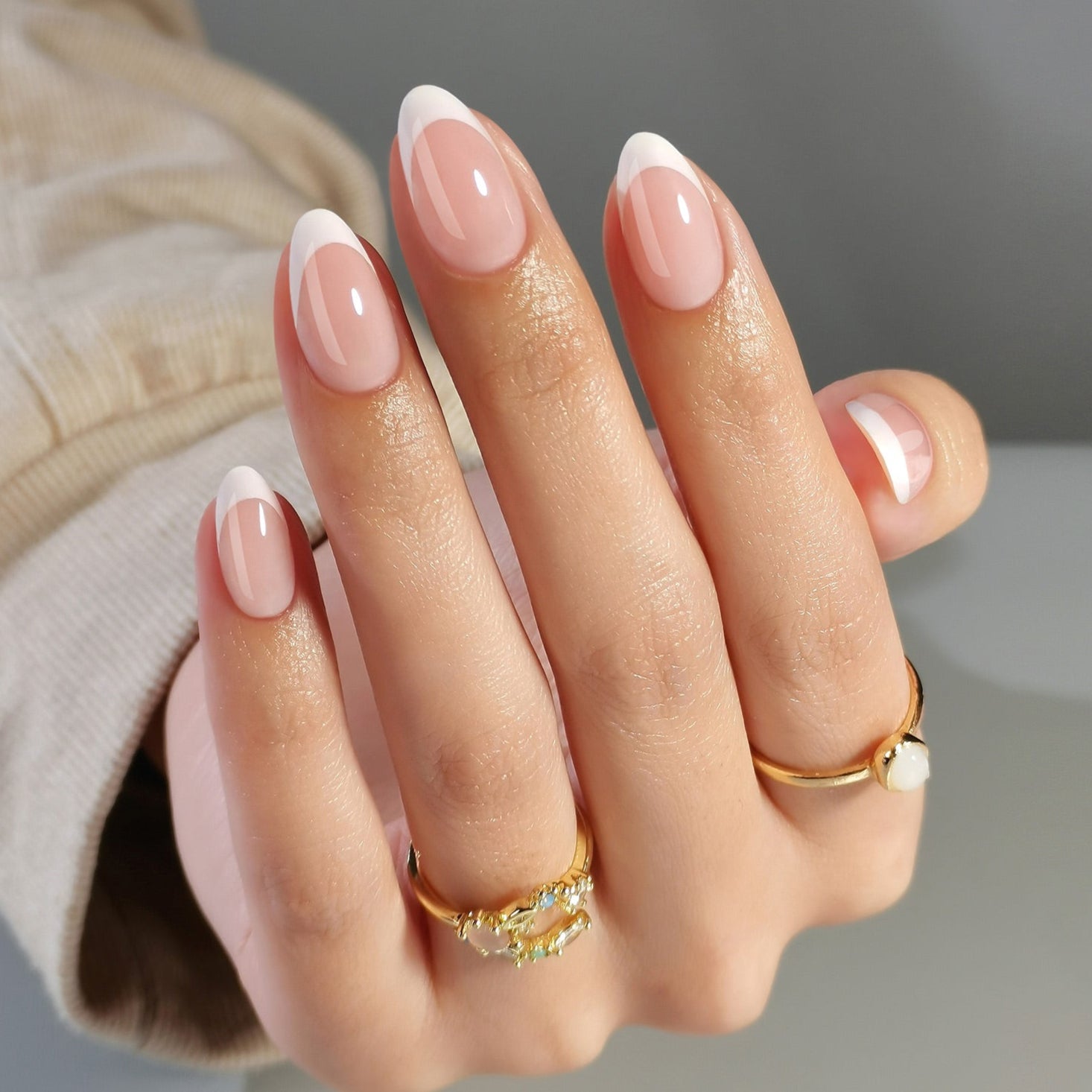


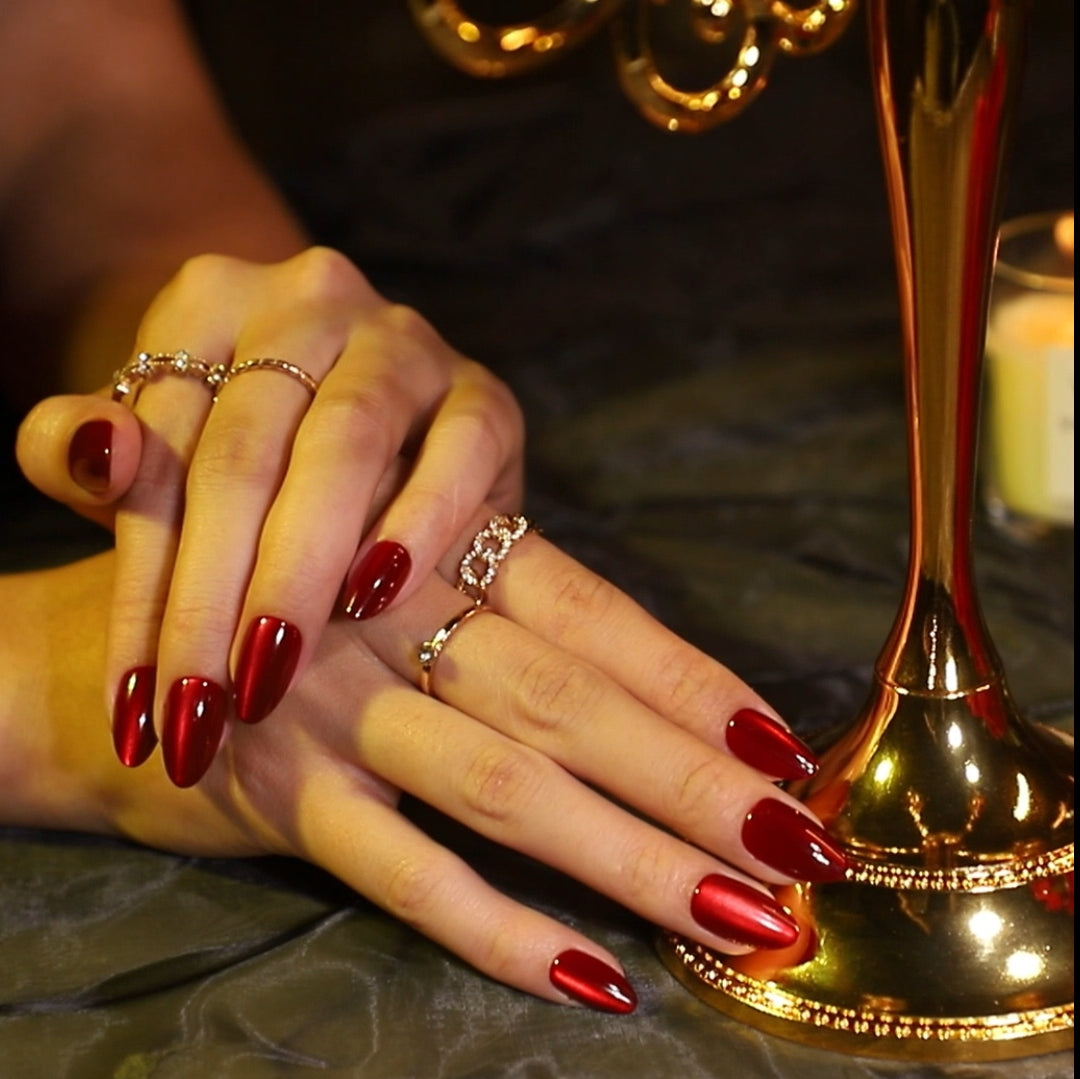

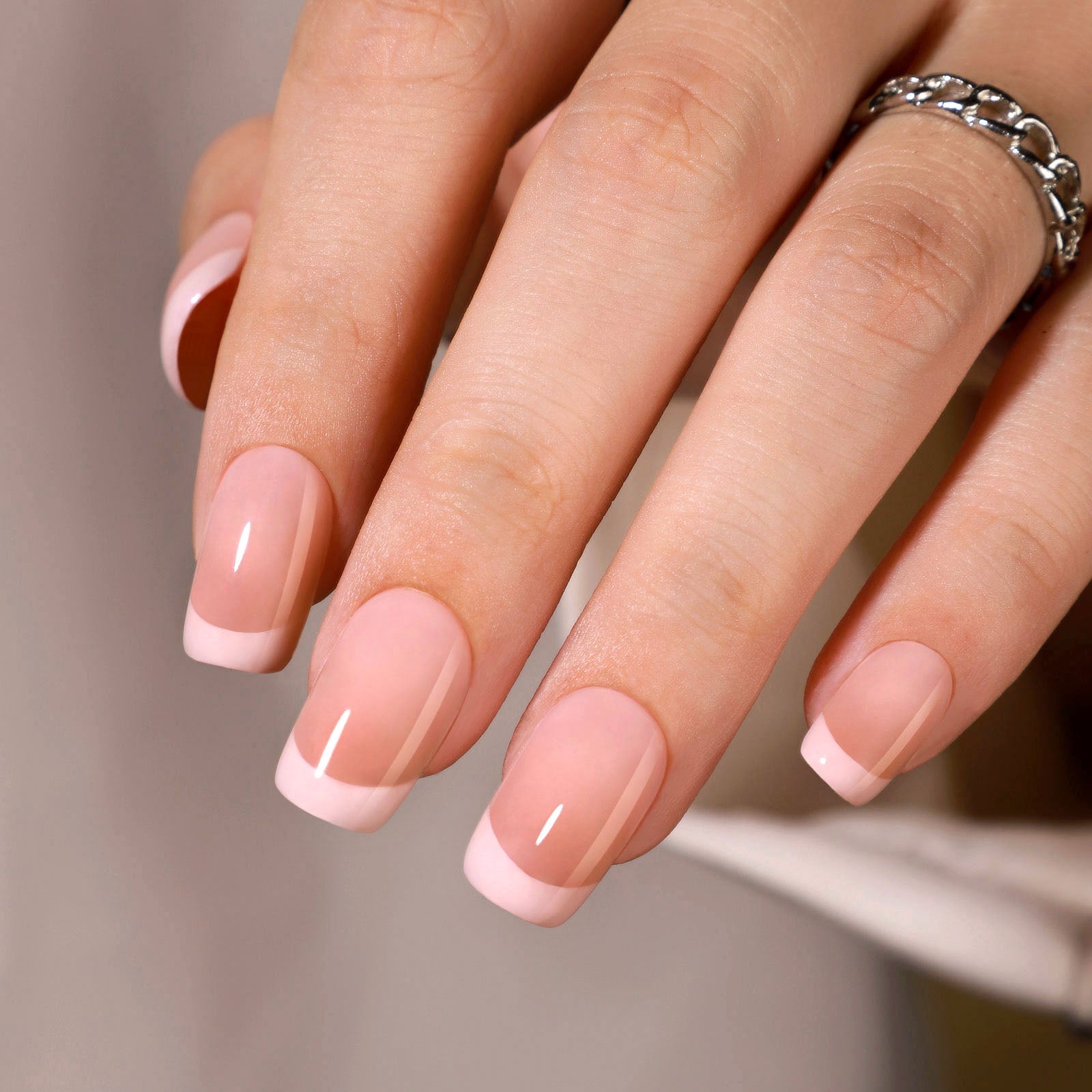


Stick-On Nails: Are They Worth It in 2026?
By SHANGMENG Team — 20+ years manufacturing press-on nails.

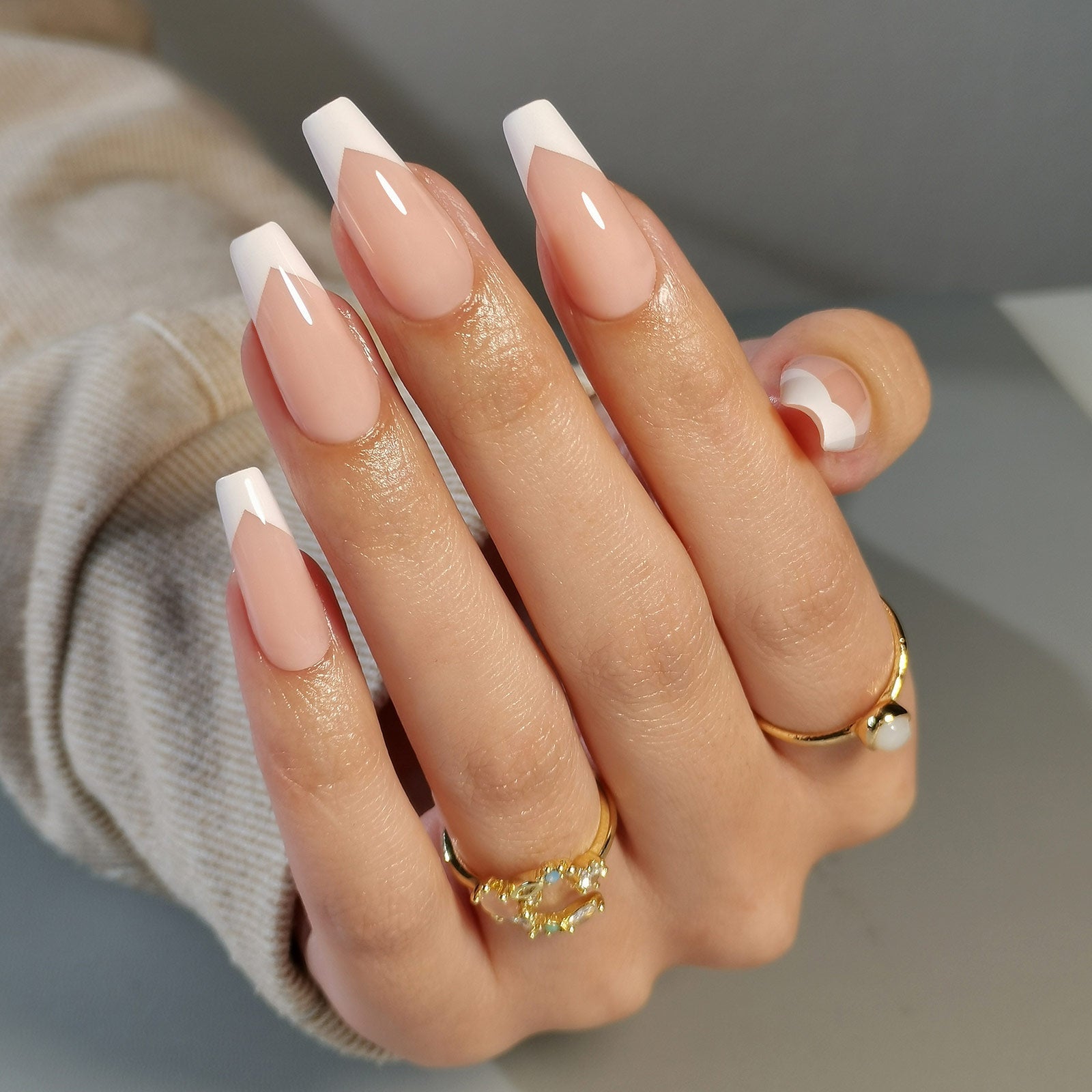
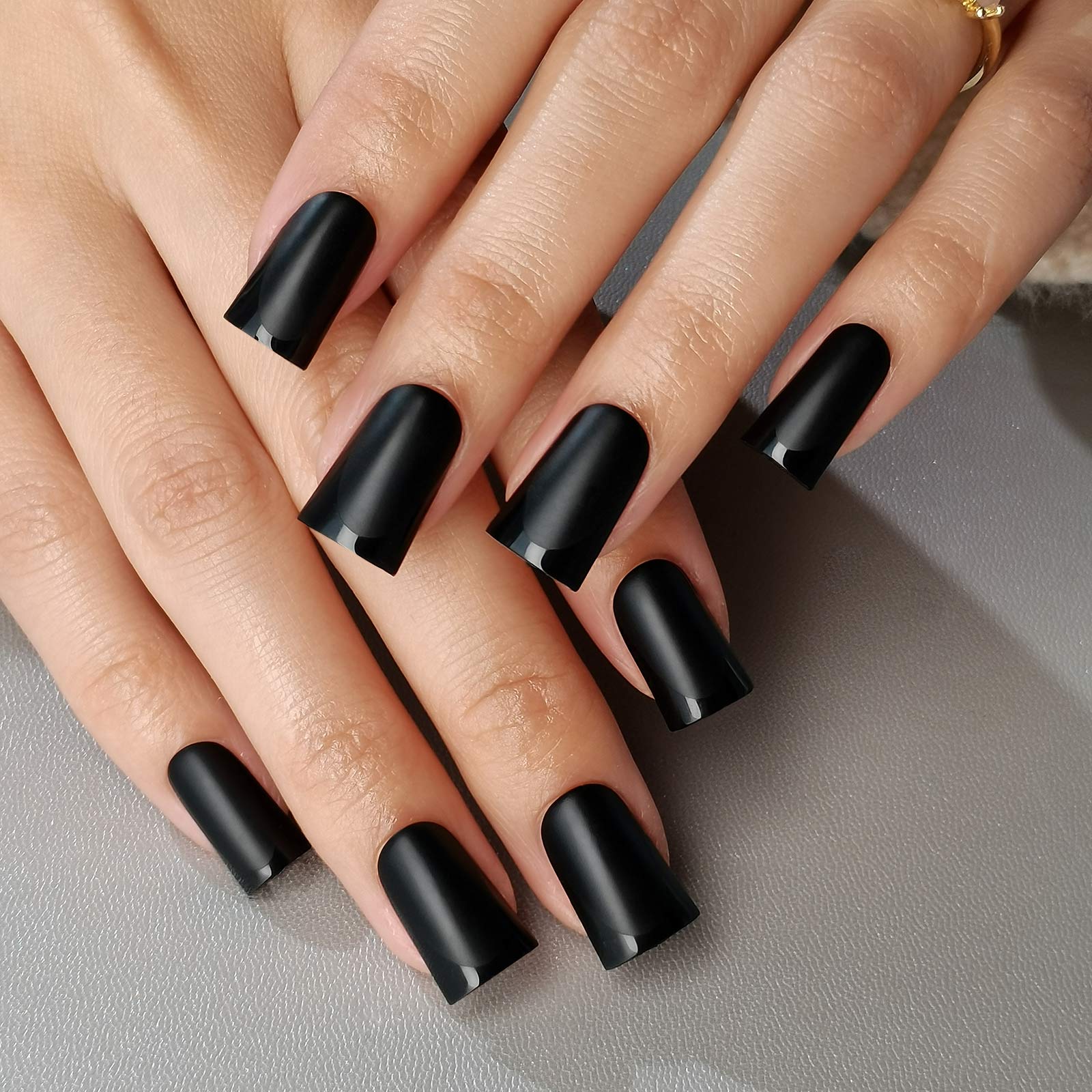
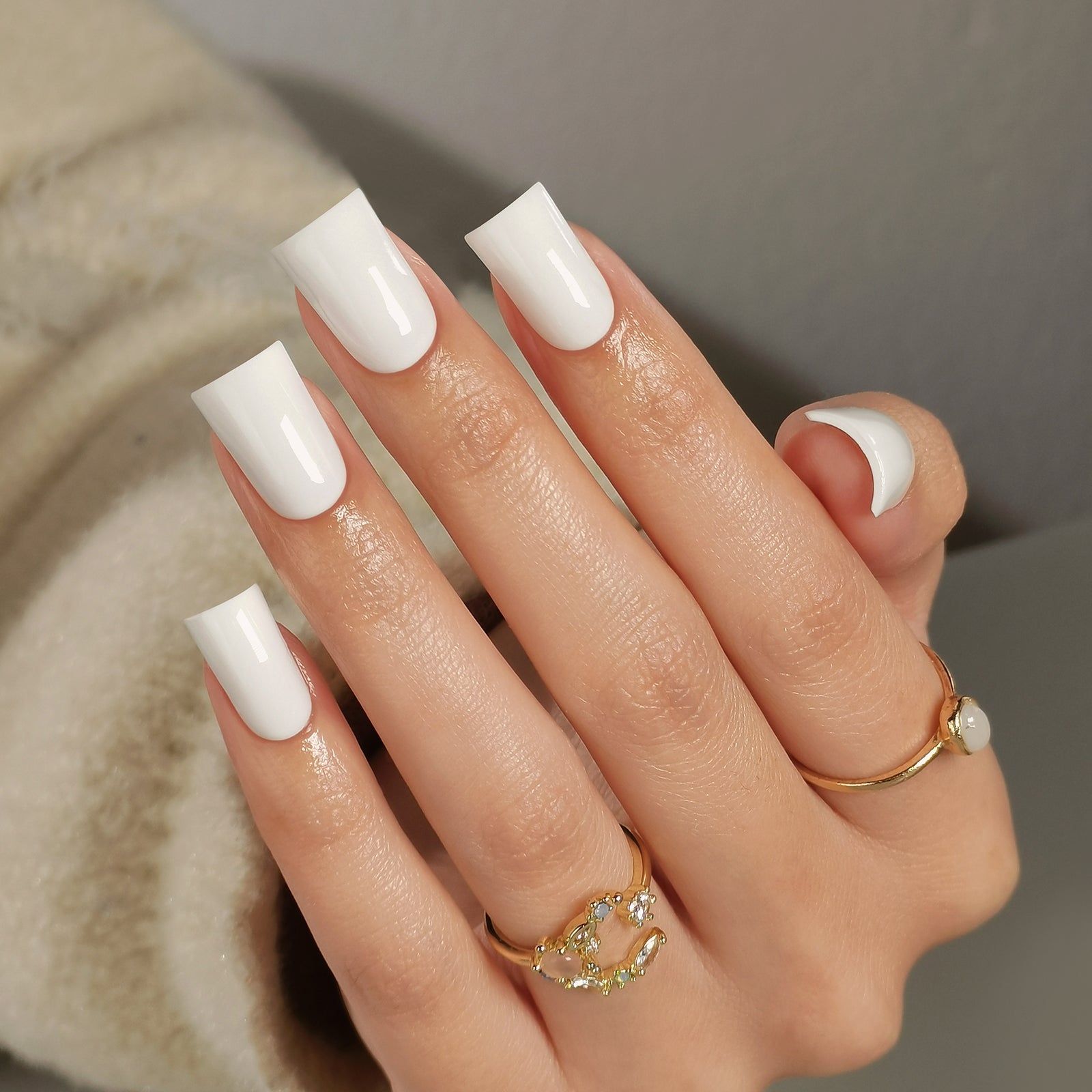
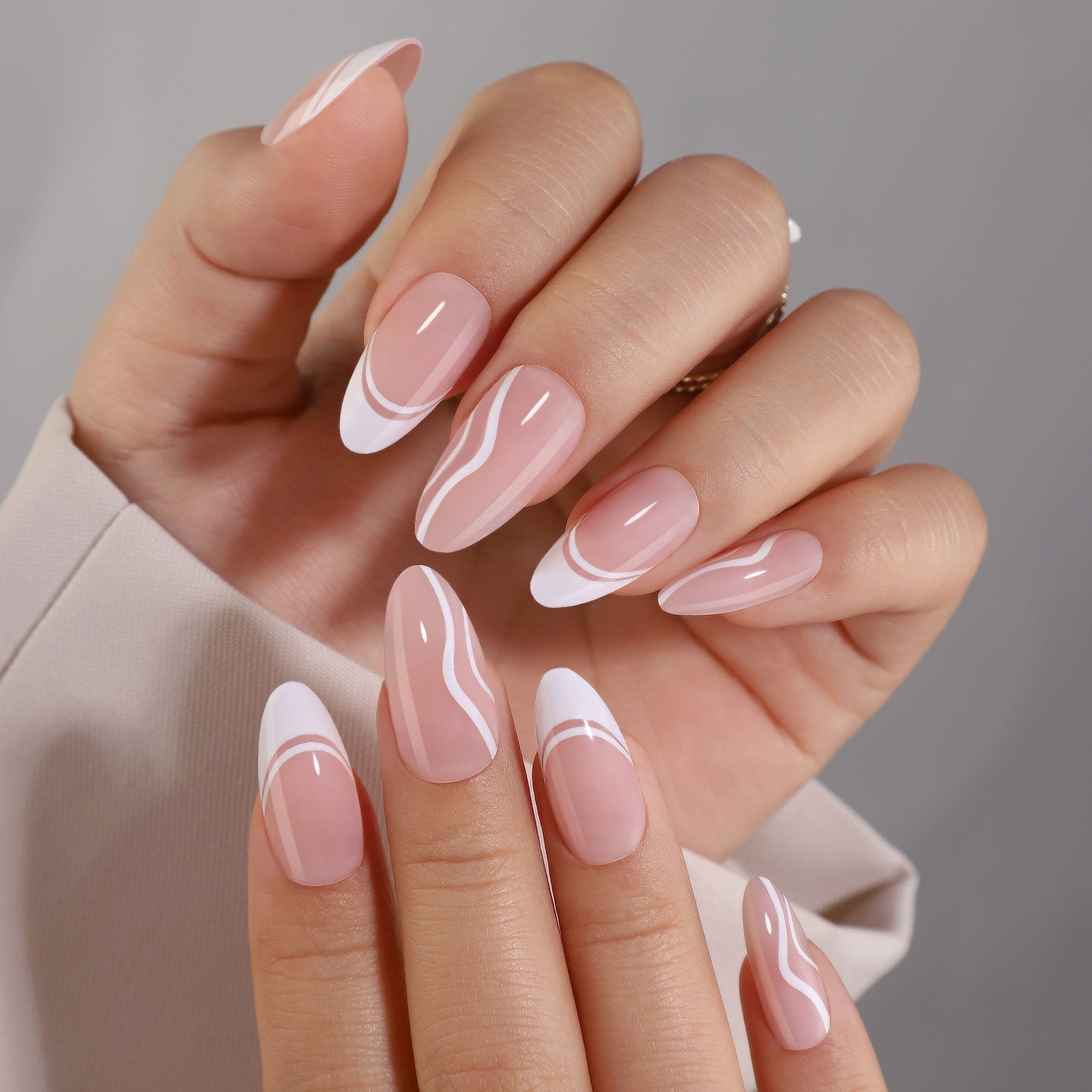
Stick-on nails are pre-designed artificial nails that attach to your natural nail using adhesive — either pre-applied tabs or separate nail glue. A quality set costs $10–15, applies in under 10 minutes, and lasts 7–14 days depending on the adhesive method and your daily routine. Modern soft gel versions are virtually indistinguishable from salon manicures at roughly one-tenth the cost.
Key Takeaways: - "Stick-on nails," "press-on nails," and "glue-on nails" are the same thing in 2026 — the terminology is interchangeable - Soft gel stick-ons last 7–14 days; older ABS plastic versions average 3–5 days — material is the single most important variable - A full set costs $10–15 vs. $45–80 at a nail salon; the math becomes obvious fast - No UV lamp, no drill, no chemical damage — properly removed stick-ons leave natural nails intact - Quality varies dramatically between brands; 16+ size options and UV-cured material are the two non-negotiable markers of a good set
Not sure which shape, length, or size fits your natural nails?
What Are Stick-On Nails?
The naming landscape for artificial nails has always been messy, and "stick-on nails" sits right at the center of it. Walk into a drugstore and you'll see boxes labeled "press-on nails," "glue-on nails," "snap-on nails," and "stick-on nails" — they are describing the same product category. Google confirms this: searches for all four terms land on identical results, and brands use them interchangeably in their product listings.
In practice, a stick-on nail set consists of 20–32 pre-shaped, pre-finished nail tips (enough for one to three applications), an adhesive system, and typically a small prep kit with a file and cuticle pusher. You press each tip onto a prepared natural nail, hold for 10–30 seconds, and you're done.
The more meaningful distinction isn't the name — it's the material and construction era.
First-generation stick-ons (pre-2020): Made from ABS plastic, the same hard polymer used in LEGO bricks. Rigid, prone to snapping, and obviously fake-looking up close. These are the sets that gave the entire category a bad reputation. Average wear time: 2–5 days.
Current-generation stick-ons (2020–present): Made from soft gel — a flexible, semi-translucent polymer that mimics the feel and movement of a real nail. Finished with a UV-curing process that produces a glass-like shine with real depth. Average wear time: 7–14 days. These are the sets that made salons nervous.
The 2024–2025 generation pushed further: manufacturers began offering stick-ons with the same gel formulations used in professional nail systems, complete with C-curve architecture (the slight transverse curve across the nail plate that prevents lifting), precision-molded size gradations, and included nail glue strong enough to hold through dishwashing and gym sessions.
When people ask "are stick-on nails worth it in 2026?" they almost always encountered the first generation and are skeptical about the current one. The gap between those two eras is larger than most people realize.

Stick-On Nails vs Everything Else
Before deciding whether stick-ons are worth it, you need to know what you're comparing them against. Here's an honest side-by-side across the five main artificial nail options available in 2026.
| Stick-On / Press-On | Acrylic | Hard Gel | Dip Powder | Nail Polish | |
|---|---|---|---|---|---|
| Cost per application | $10–15 | $45–80 | $55–90 | $40–65 | $3–8 |
| Time to apply | 8–12 min (at home) | 90–120 min (salon) | 60–90 min (salon) | 60–75 min (salon) | 20–30 min (at home) |
| Longevity | 7–14 days | 3–6 weeks | 3–5 weeks | 3–4 weeks | 5–7 days |
| Natural nail damage | None (if removed correctly) | Moderate to high (filing, acetone) | Low to moderate | Low (gentle acetone) | None |
| At-home application | Yes, easy | No (professional only) | No (UV lamp required) | No (professional only) | Yes |
| Removal process | Soak in warm water or acetone, 10–15 min | Professional removal recommended | Professional removal | Acetone soak | Acetone or remover |
| Design variety | Very high (thousands of styles) | Limited (custom painted) | Limited (custom painted) | Limited (solid colors, ombré) | Moderate |
| Reusable | Yes (with tabs, not glue) | No | No | No | No |
The table makes the core trade-off clear: stick-ons sacrifice longevity (2–4 weeks vs. 3–6 weeks for salon options) in exchange for cost savings, zero nail damage, and the ability to change your look as often as you want.
For someone who visits a nail salon twice a month, the annual cost runs $1,080–1,920. For someone who uses quality stick-ons twice a month, the same period costs $240–360. That's a savings of $720–1,560 per year — before you account for the time saved driving to appointments.
The honest answer to "stick-on nails vs acrylics" isn't that one is better. It's that they're optimized for completely different priorities. Acrylics are built for people who want the longest possible wear and are willing to pay for professional application and accept chemical exposure. Stick-ons are built for people who want salon-quality aesthetics with full control over timing, cost, and nail health.
For a deeper comparison focused specifically on the press-on vs. acrylic debate, our guide on press-on nails vs acrylic nails covers every technical dimension.

The Honest Pros and Cons
Stick-on nails have genuine strengths and real limitations. Here's both sides without the marketing gloss.
What They Do Well
Cost efficiency. A set that lasts two weeks costs roughly the same as a single tip repair at a nail salon. Even at the premium end of the market — $18–22 per set — stick-ons are dramatically cheaper than professional alternatives. The cost calculation shifts even further when you factor in that quality sets can be applied 2–3 times if you're using adhesive tabs instead of glue.
Zero commitment to a single look. You can wear a French manicure on Monday and a full chrome cat-eye set by Thursday. No waiting for the previous set to grow out, no expensive removal fees. This design flexibility is something no salon-applied nail system can match.
No chemical damage. Acrylics and gel nails require filing down the natural nail surface to help adhesive bond, a process that thins and weakens the nail plate over time. Properly applied and removed stick-ons leave your natural nails untouched. This matters for anyone with thin, brittle, or recovering nails who still wants a polished look.
Genuinely fast. Eight to twelve minutes from start to finish, including prep. That's less time than it takes to drive to a nail salon.
Reusability. Sets applied with adhesive tabs — rather than nail glue — can typically be used two to three times if you store them properly. The tabs are the limiting factor, not the nail tips themselves. This makes the per-use cost even lower than the sticker price suggests.
"The fact that they're reusable makes them a decent value too." — A Lady, Verified Buyer
"These nails may be a little more expensive than your average press ons but I really think it's worth it to pay a bit extra for how well made and long lasting they are." — Chelsea, Verified Buyer
Where They Fall Short
Shorter maximum wear than salon options. A well-applied acrylic or hard gel set can last 3–6 weeks with fills. The best stick-on application tops out around 14–18 days under ideal conditions. If you need maximum longevity for an event or a long trip, salon options still hold an edge.
Sizing requires a learning curve. The difference between a nail that fits perfectly and one that's slightly too wide is measured in fractions of a millimeter — but it's the difference between a set that lasts two weeks and one that lifts at day three. Most people need one or two sets to calibrate their size selection. Brands that include 16 or more size options make this easier; brands that offer 10 or fewer make it nearly impossible to get a clean fit on every finger.
Quality varies more than in any other nail category. A drugstore press-on set and a premium soft gel set can be priced within $5 of each other while delivering completely different performance. Without knowing what to look for — material, construction, size range — it's easy to buy the wrong thing and conclude the entire category doesn't work.
Not ideal for very active lifestyles. If your job involves sustained water exposure, heavy manual labor, or frequent contact with oils and solvents, even the best stick-on nails will underperform. These are demanding conditions that challenge even salon-applied acrylics.

What to Look For When Buying
The quality gap in this category is wide enough that buying guidance matters more than in most beauty purchases. These four variables separate the sets that work from the ones that end up in a drawer after day two.
Material: soft gel is non-negotiable. Any set worth buying in 2026 uses soft gel — a flexible polymer that moves with the nail rather than against it. ABS plastic alternatives are stiffer, more prone to snagging, and far more likely to pop off during normal activity. Check the product listing: if it says "soft gel" or "gel," you're in the right place. If it only says "press-on" without specifying material, treat that as a yellow flag.
Size range: 16+ options. The ten fingers on a typical hand span a meaningful width range, and no two people's nail beds are the same. A set that comes in 10 sizes will always leave some fingers fitting poorly. Sets with 16 or more size gradations have been engineered around real variation in human anatomy. SHANGMENG's sets include 32 pieces across 16 sizes, which means two full applications with genuine size choice at each position.
Still worried they will look fake? Choose the shape and finish that matches your natural nail width; the right set reads polished, not pasted on.


UV-cured finish. The gloss and depth of a premium stick-on comes from UV curing — the same process that locks in professional gel polish. UV-cured nails resist chipping and dulling in a way that painted finishes don't. You can test this by pressing a thumbnail into the surface of the nail tip: UV-cured finishes have a hardness that painted alternatives lack.
Included adhesive quality. A complete set should include both adhesive tabs and nail glue, giving you control over longevity vs. removability. Tabs are easier to work with and allow reuse; glue bonds more strongly for longer wear. If a set only includes one option, that's a limitation worth noting.
For a full breakdown of the seven quality markers, see our guide on what makes press-on nails high quality.
If you want a ranked comparison of specific brands, best stick-on nails in 2026 covers nine brands tested against these exact criteria.
How to Apply Stick-On Nails for Maximum Wear
Application technique accounts for more of the wear-time variation than most people realize. Two people can use the same premium set and get dramatically different results based on how they prep and apply. These steps are based on what consistently produces the longest wear.
Step 1: Size every nail before you start. Lay out the tips against each nail without removing any backing. The right size covers the nail plate edge-to-edge without touching the skin on either side. If the tip is slightly too wide, it will lift from the sides within 48 hours. If it's slightly too narrow, it will create visible gaps. Going one size smaller is usually better than one size larger.
Step 2: Clean, buff, dehydrate. This is the step most people skip, and it's responsible for the majority of early lifting. Use the included prep pad (or a cotton round soaked in acetone or 70% isopropyl alcohol) to wipe every nail. Any residual oil, lotion, or moisture will prevent adhesion. A light buffing pass removes the natural shine from the nail surface and gives the adhesive more texture to grip.
Step 3: Apply adhesive to the nail, not the tip. Glue or tab — both go on your natural nail, not on the underside of the artificial tip. This gives you better control over placement and prevents adhesive from spreading onto skin.
Step 4: Press from the cuticle down and hold for 30 seconds. Position the tip at the cuticle line first — this is the most important alignment point — then press down toward the free edge. Hold with firm, even pressure for a full 30 seconds. The bond forms primarily in the first 30 seconds; rushing this step costs you days of wear.
Step 5: Avoid water for two hours. The adhesive continues curing after application. Washing dishes, showering, or swimming in the first two hours significantly weakens the bond before it's fully set. Plan applications for times when you won't need to wet your hands.
For more detail on extending wear beyond the standard window, how to make press-on nails last 2 weeks covers every variable.
"They're easy to apply and come with everything you need. I took the nails off after a week and before I started the removal process all the nails were still solidly on." — Chelsea, Verified Buyer
Common Mistakes That Make Stick-Ons Fall Off
Early lifting is almost never a product defect. It's nearly always one of these application or aftercare errors.
Skipping the dehydration step. The natural nail surface produces oils continuously, and even freshly washed hands carry enough residual moisture to compromise adhesion. The prep pad isn't optional. Nail tech professionals call this "squeak clean" — after wiping, the nail surface should feel slightly rough, not smooth or slippery.
Choosing the wrong size. A tip that's even a millimeter too wide contacts the surrounding skin and lifts from the side within hours of normal activity. When in doubt between two sizes, go smaller: a slightly narrower tip will stay on longer than a slightly wider one.
Not pressing long enough. Thirty seconds feels like a long time when you're holding each nail. Most people cut this to 10–15 seconds. The chemical bond in both adhesive tabs and nail glue needs full pressure throughout the initial cure window. Use a timer if you have to.
Water exposure in the first two hours. This is the most common mistake. The adhesive is still curing and is highly vulnerable to water intrusion. Even brief exposure — rinsing your hands to wash off excess glue — can create weak points in the bond that widen over the following days.
Applying over moisturizer or cuticle oil. Oils and emollients are incompatible with adhesive bonding. Apply stick-ons before your hand care routine, not after. If you've applied lotion within the past few hours, do a full acetone wipe even if your hands feel dry.
Prying instead of soaking during removal. This one doesn't affect the current set's wear time, but it damages the natural nail for the next application. Soak for 10–15 minutes in warm water or acetone before attempting removal. Tips that are properly soaked slide off with minimal pressure.
Detailed troubleshooting for every lifting scenario is in our guide to how to make press-on nails last 2 weeks.

SHANGMENG Stick-On Nails: A Direct Answer
We make stick-on nails — specifically, soft gel UV-cured sets in 32 pieces across 16 sizes — and we're going to be direct about where they fit in the landscape rather than just telling you they're the best option for everyone.
SHANGMENG sets are built for people who want maximum wear time from a stick-on nail. The soft gel material has enough flex to absorb impact without lifting, and the UV-cured finish produces a gloss level that holds through two weeks of normal use without dulling. The 16-size system means most people can get a genuine precision fit on all ten fingers, which is the single biggest factor in determining how long any stick-on set lasts.
With hundreds of verified reviews averaging 4.94 out of 5.0, the feedback pattern is consistent: people who follow the prep steps get 10–14 days of wear; people who skip prep get 4–6 days and blame the product. The instructions aren't boilerplate — they're calibrated to this specific material.
"These are honestly really nice press on nails that are thick enough to look like you had an actual manicure." — A Lady, Verified Buyer
"I am obsessed with the color of these nails! I have gotten so many compliments on this color and not one person has questioned whether it was salon applied." — Patricia D, Verified Buyer
Where SHANGMENG sets are not the right answer: if you need maximum reusability (tabs-only application with very delicate removal maximizes reuse potential, but not everyone wants to work within those constraints), or if you want the absolute cheapest possible option (our sets run $11–14, which is market-rate for soft gel but more than drugstore ABS alternatives).
Browse our press-on nails collection, explore nails by shape, or start with the beginner's guide to press-on nails if you're new to the format.

Frequently Asked Questions
Are stick-on nails the same as press-on nails?
Yes. "Stick-on nails," "press-on nails," "glue-on nails," and "snap-on nails" all describe the same product category: pre-finished artificial nail tips attached with adhesive. The terms developed in parallel across different retail and marketing contexts but converged as the category matured. Google treats these searches as equivalent intent, and most brands use the terms interchangeably on packaging. The only meaningful distinction is between the adhesive type (tabs vs. glue) or material (soft gel vs. ABS plastic) — not the name.
For a full exploration of related terminology, see clip-on nails vs press-on nails.
Do stick-on nails damage your natural nails?
Properly applied and correctly removed stick-on nails do not damage the natural nail. The key word is "correctly" on both ends. Application damage occurs when the tip is too wide and creates sidewall pressure, or when adhesive is applied so thickly it spreads under the cuticle. Removal damage occurs when tips are pried off without soaking — this can take layers of the natural nail plate with it. Soak in warm water or acetone for 10–15 minutes before removing. The natural nail should require zero force to release. By contrast, acrylic and hard gel systems require mechanical filing of the nail surface as part of application, which thins the nail plate over repeated appointments regardless of how carefully the service is performed. Stick-ons, done right, leave zero lasting impact.
How long do stick-on nails really last?
The honest range is 5–14 days depending on three variables: material quality, application prep, and aftercare. Soft gel sets applied on properly dehydrated nails, pressed for 30 seconds per tip, and kept dry for the first two hours routinely last 10–14 days. ABS plastic sets, or soft gel sets applied without prep, average 3–6 days. The ceiling for stick-on wear is around 14–18 days under ideal conditions — shorter than salon acrylics (3–6 weeks) but equivalent to many gel polish services that begin lifting at the two-week mark. See how long do press-on nails last for a full breakdown by adhesive type and lifestyle factor.
Can you shower with stick-on nails?
Yes, after the initial cure period. The first two hours after application are critical — water exposure during this window weakens the bond before it fully sets. After that, brief water exposure (showering, hand washing) is generally fine with quality adhesive. Extended submersion — long baths, swimming laps, soaking dishes — will accelerate lifting regardless of adhesive quality. Keeping nails out of prolonged water contact is the single most effective aftercare habit for extending wear. If you must wash dishes frequently, waterproof gloves add several days to the lifespan of any set.
Are stick-on nails reusable?
Sets applied with adhesive tabs can typically be reused two to three times. The tabs are the limiting factor: they lose adhesion after one use and need to be replaced, but the nail tips themselves can be cleaned, stored, and re-applied. Nail glue creates a bond strong enough that removal usually damages the tab or the nail tip — these sets are generally single-use. If reusability matters to you, buy a set with tabs included and invest in replacement tabs separately. Store used tips in the original tray, cuticle-down, to preserve the C-curve shape.
Are expensive stick-on nails better than cheap ones?
Not automatically — but there is a real price floor below which quality becomes unreliable. The correlation between price and performance in this category is weak at the high end (premium branding doesn't guarantee better nails) but meaningful at the low end (sets under $6 almost always use ABS plastic and minimal size options). The two factors most worth paying for are material (soft gel vs. ABS) and size range (16+ sizes vs. 10 or fewer). A $12 soft gel set with 16 sizes will consistently outperform a $9 set with 10 size options, but a $22 set from a heavily marketed brand may use the identical nail tips as the $12 option with most of the price premium going to packaging and influencer costs.
What's the best stick-on nail brand in 2026?
It depends on what you're optimizing for. For maximum wear time and size fit: SHANGMENG's soft gel sets (32 pieces, 16 sizes, UV-cured, 4.94/5.0 across hundreds of reviews) consistently rank at the top of independent tests. For design variety: BTArtbox offers one of the widest catalogs in the category. For instant drugstore availability: imPRESS by Kiss is the most widely distributed option, though performance is notably lower than specialty soft gel brands. For a ranked comparison across nine brands with real wear-time data, see best stick-on nails in 2026.

The Bottom Line
Stick-on nails in 2026 are a fundamentally different product from the plastic snap-ons that defined the category a decade ago. The shift from ABS plastic to soft gel UV-cured formulations changed the performance ceiling of at-home nail applications — and the category hasn't had a major reputation update to match.
The math is straightforward: $12–15 per set, 8–12 minutes of application time, 7–14 days of wear, zero salon appointment required, no chemical damage to your natural nails. Against a $60–80 salon manicure that takes 90 minutes and files down your nail plate, the case for quality stick-ons is strong.
The caveat is that quality is not uniform. The difference between a set that lasts two weeks and a set that falls off on day two is almost entirely about material and fit — and those variables are invisible from a product photo. Knowing what to look for (soft gel, 16+ sizes, UV-cured finish) turns a category that feels like a lottery into one with predictable outcomes.
Ready to try a set? Start with our beginner's guide to press-on nails or shop the full press-on nails collection directly.
Sources: American Academy of Dermatology nail care guidance; Allure press-on nail coverage; NIH National Library of Medicine nail anatomy reference; SHANGMENG internal wear-time data from hundreds of verified buyer reviews.
Share