


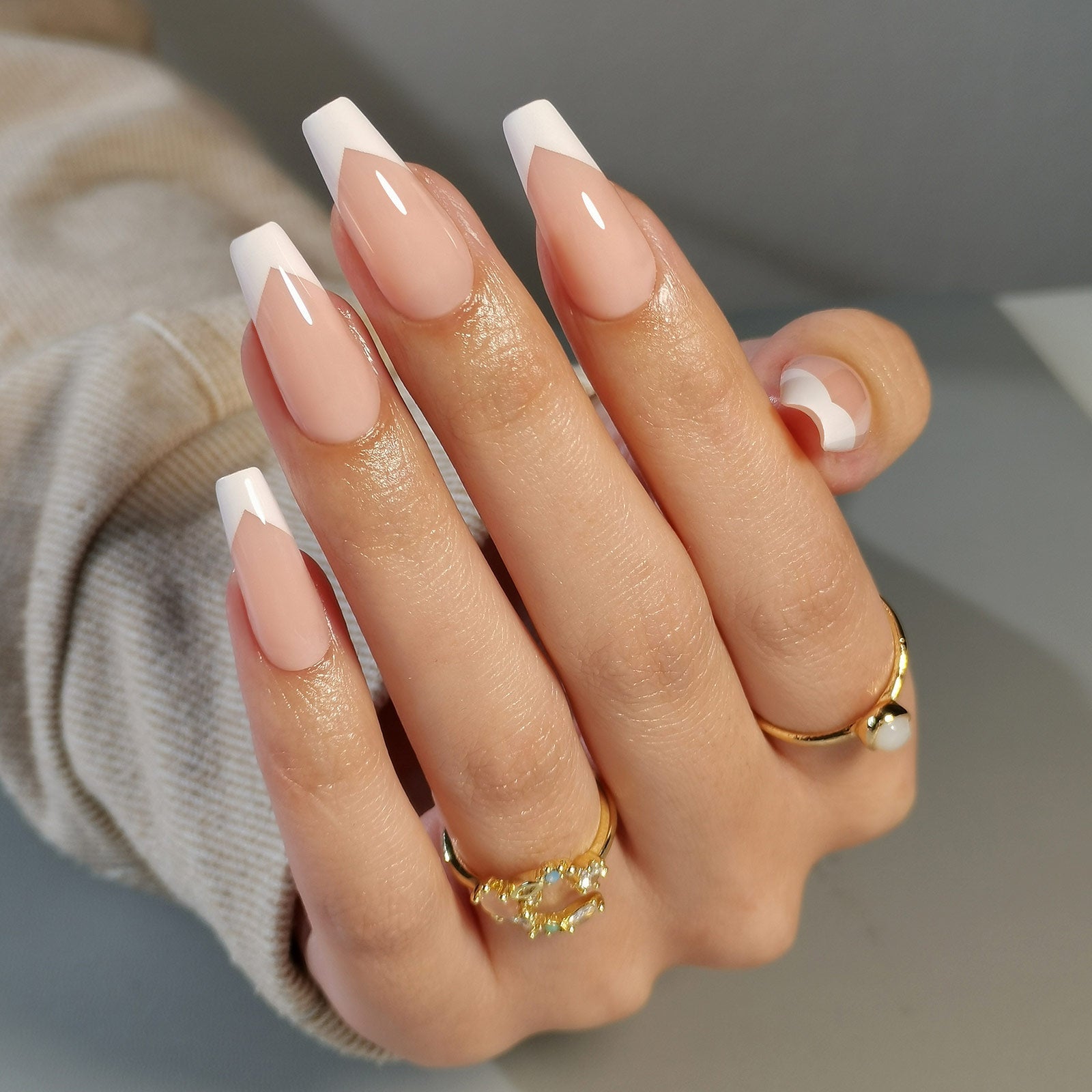
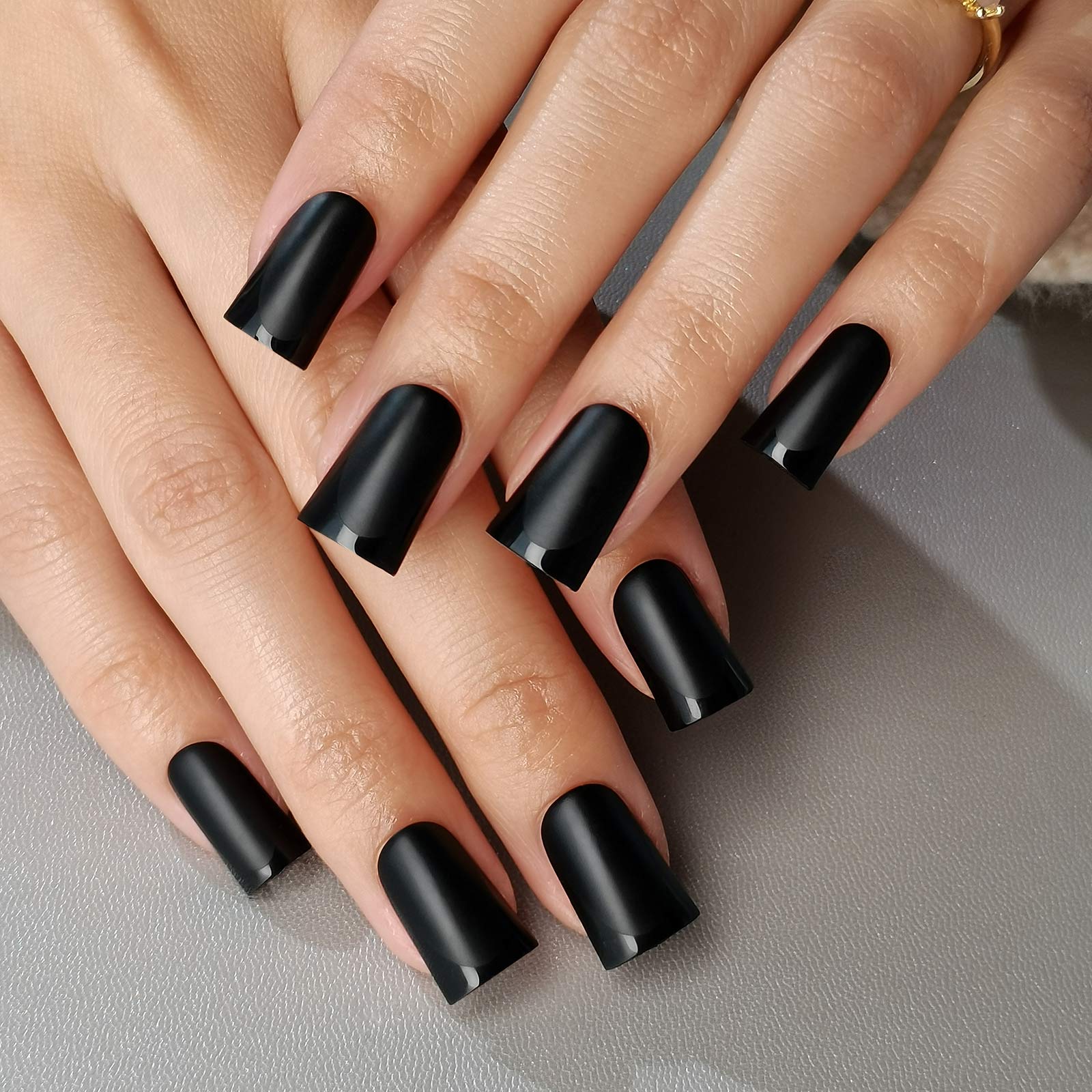


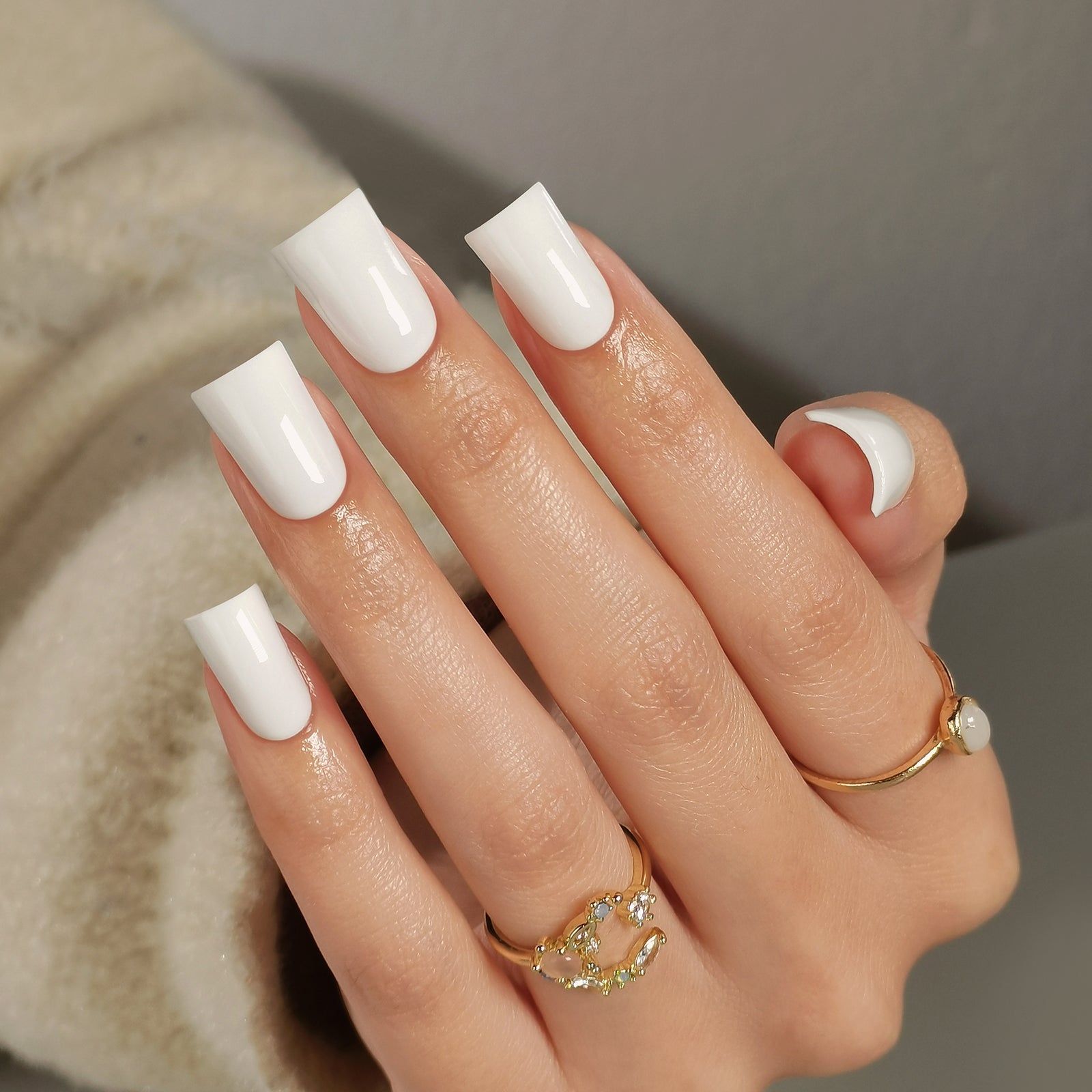
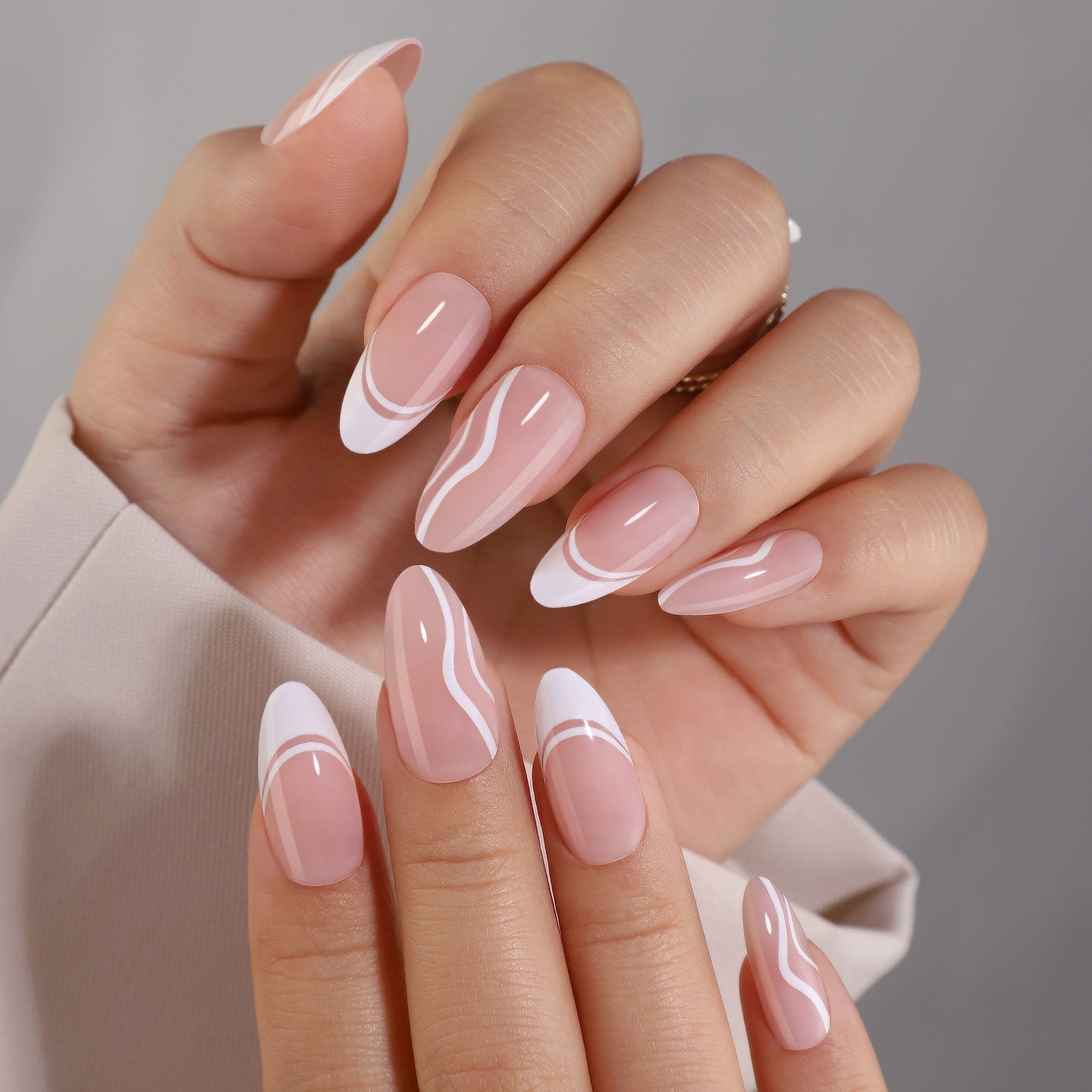

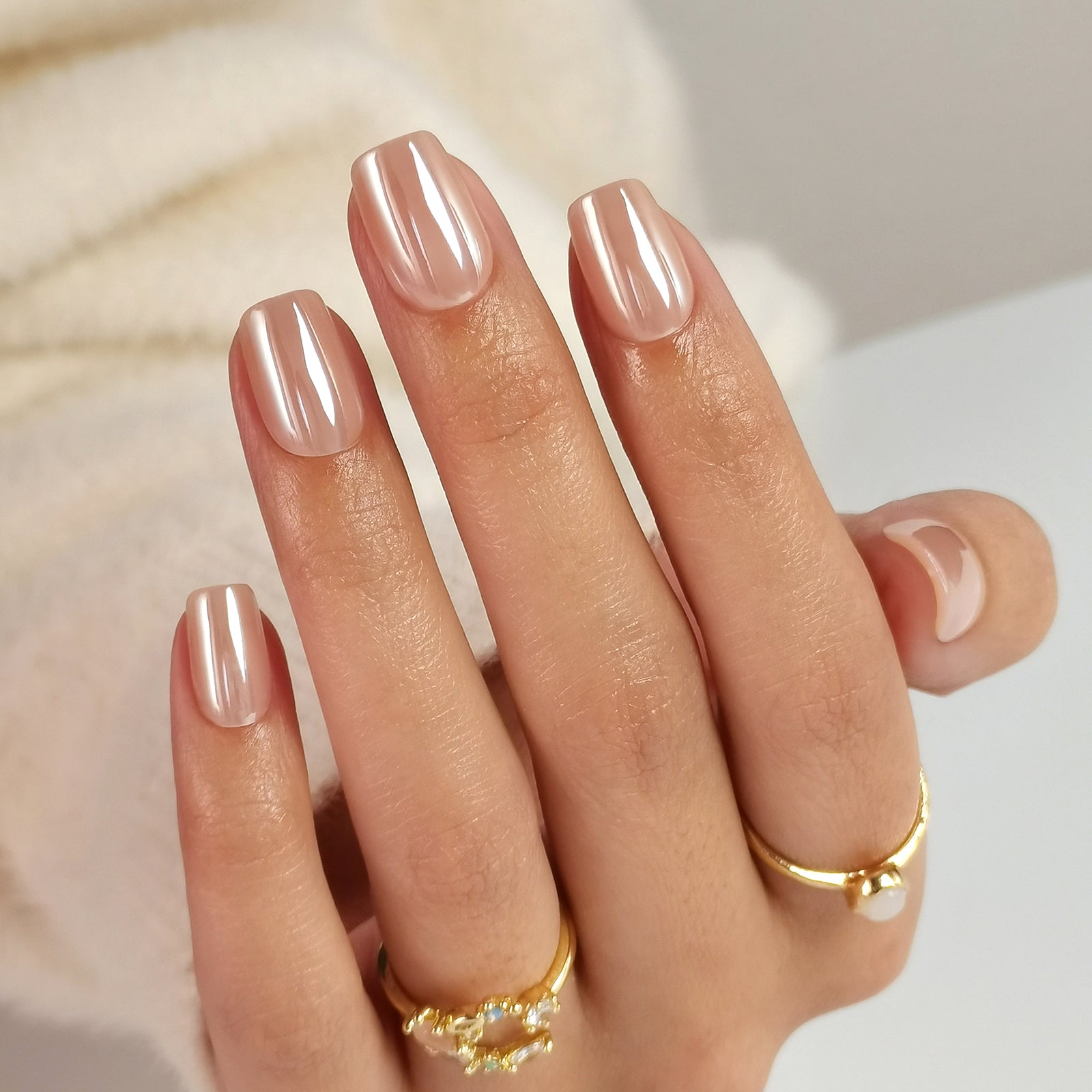

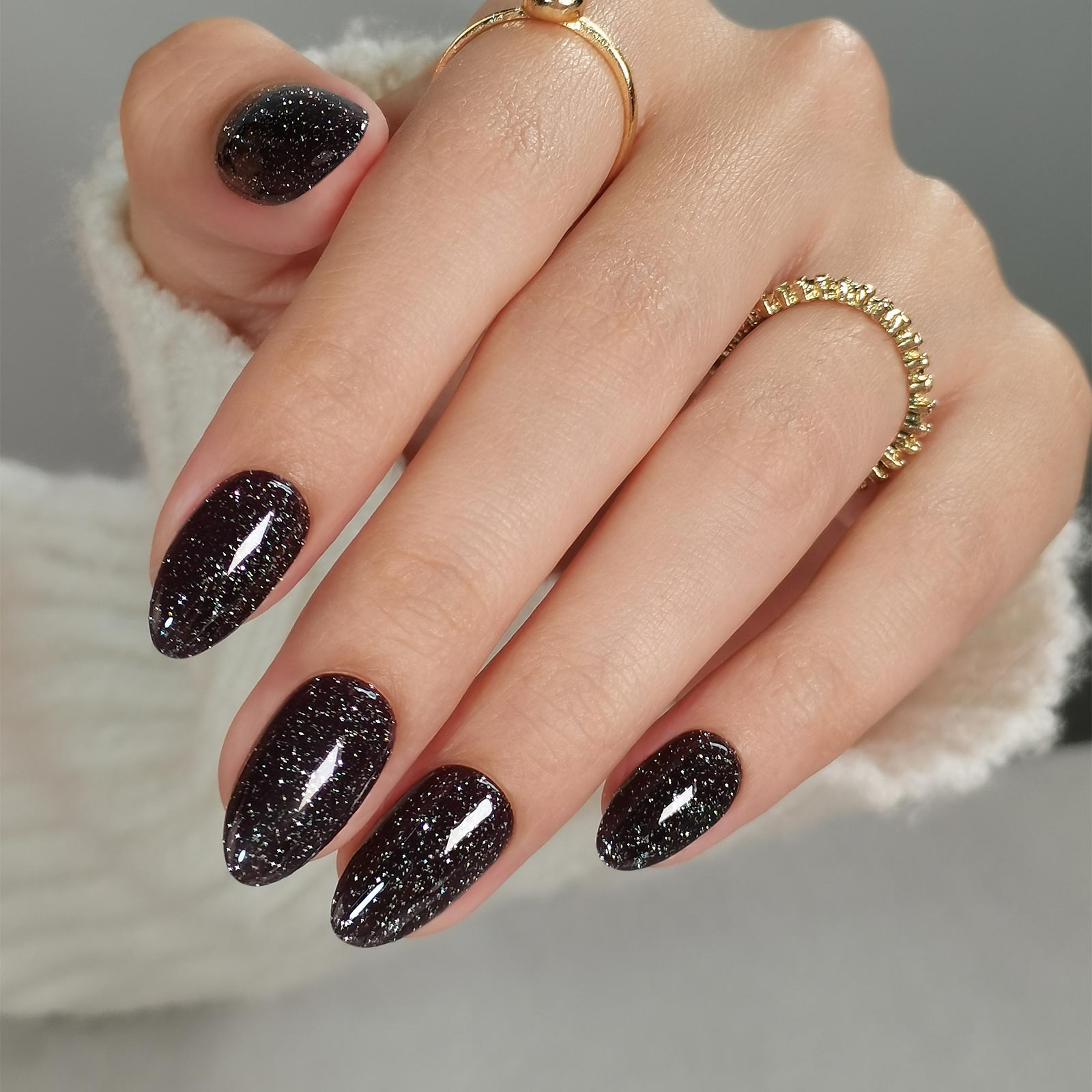
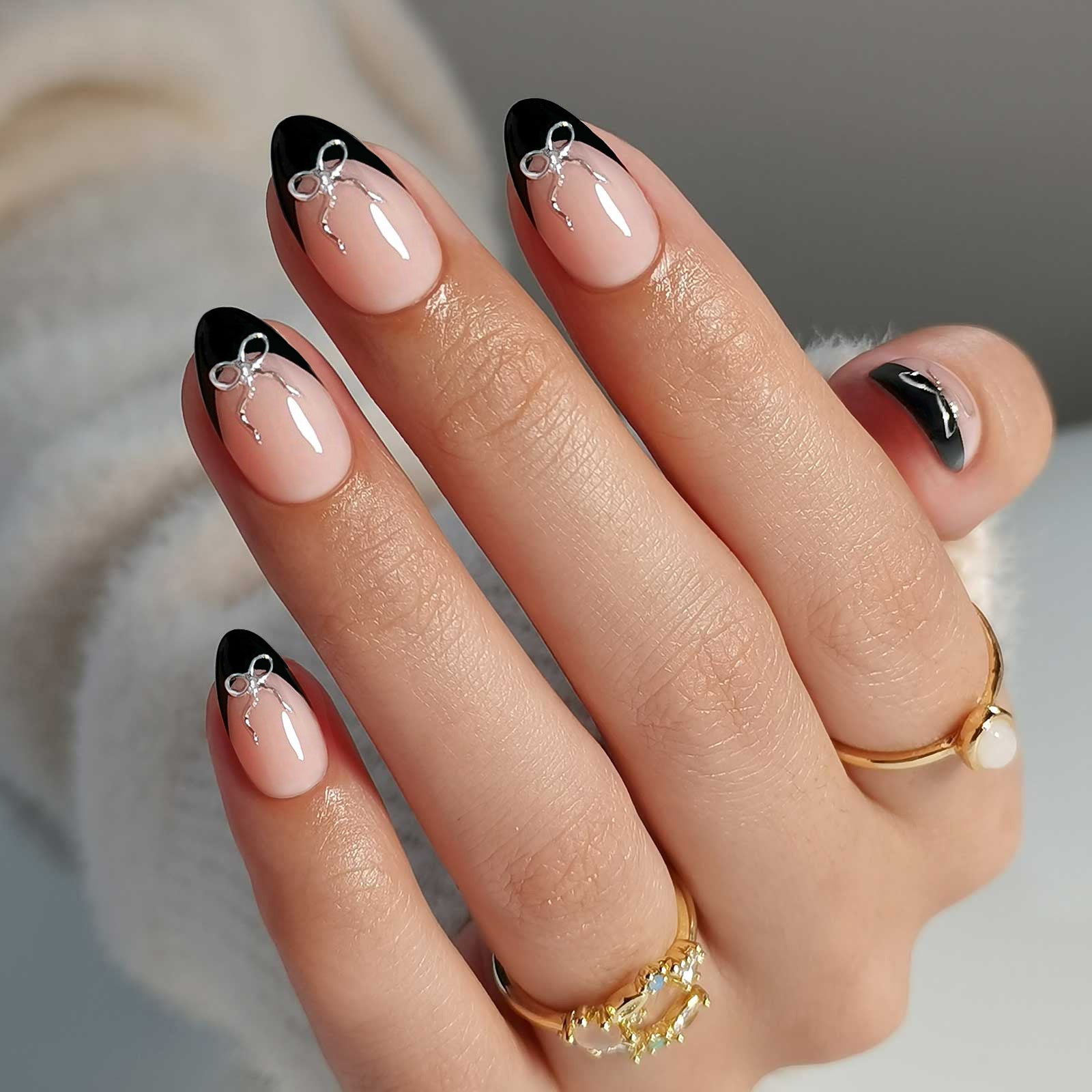


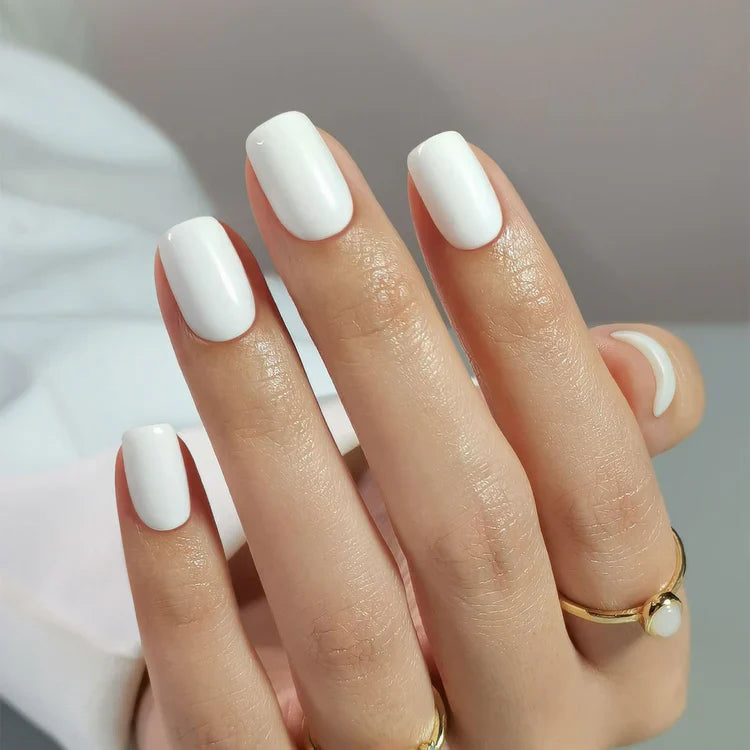





Press-On Nails vs Dip Powder: Which Is Better in 2026?
Two of the most popular alternatives to a traditional gel or acrylic salon visit — but they work completely differently and suit different lifestyles.
Dip powder gives you salon-level durability. Press-on nails give you salon-level looks with zero commitment and zero damage. The "better" option depends entirely on how you live and what you value.
This comparison covers every meaningful dimension, with real numbers and no bias toward either method.
Not sure which shape, length, or size fits your natural nails?
What Are Dip Powder Nails?
Dip powder nails (also called SNS or signature nail systems) use a layered powder and resin system applied at a salon:
- A base coat (resin/bond) is applied to the natural nail
- The nail is dipped into a colored acrylic powder — typically 2–3 times for opacity
- An activator is applied to harden the layers
- A topcoat seals the surface
The result is a hard, thick coating that bonds directly to the natural nail surface. No UV lamp is required. The cured powder is harder than gel but slightly more flexible than traditional acrylic.
What makes dip unique: The color and structure come from the powder, not a liquid pigment. This produces a very consistent, opaque finish that resists chipping under normal daily conditions.
What it's not: Dip powder is not a press-on system and not soft. It cannot be removed without filing or soaking in acetone. It cannot be "paused" and reapplied at home.

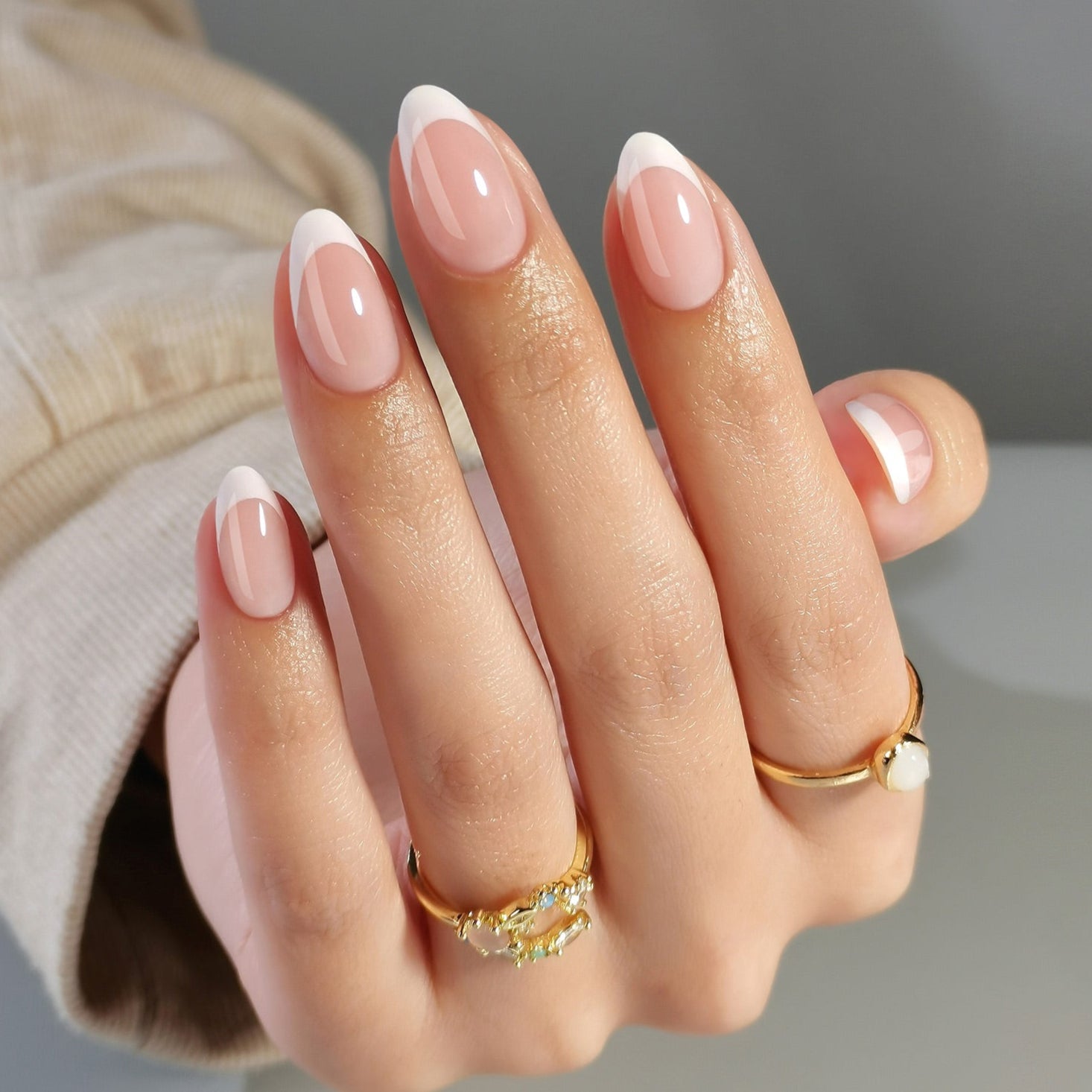
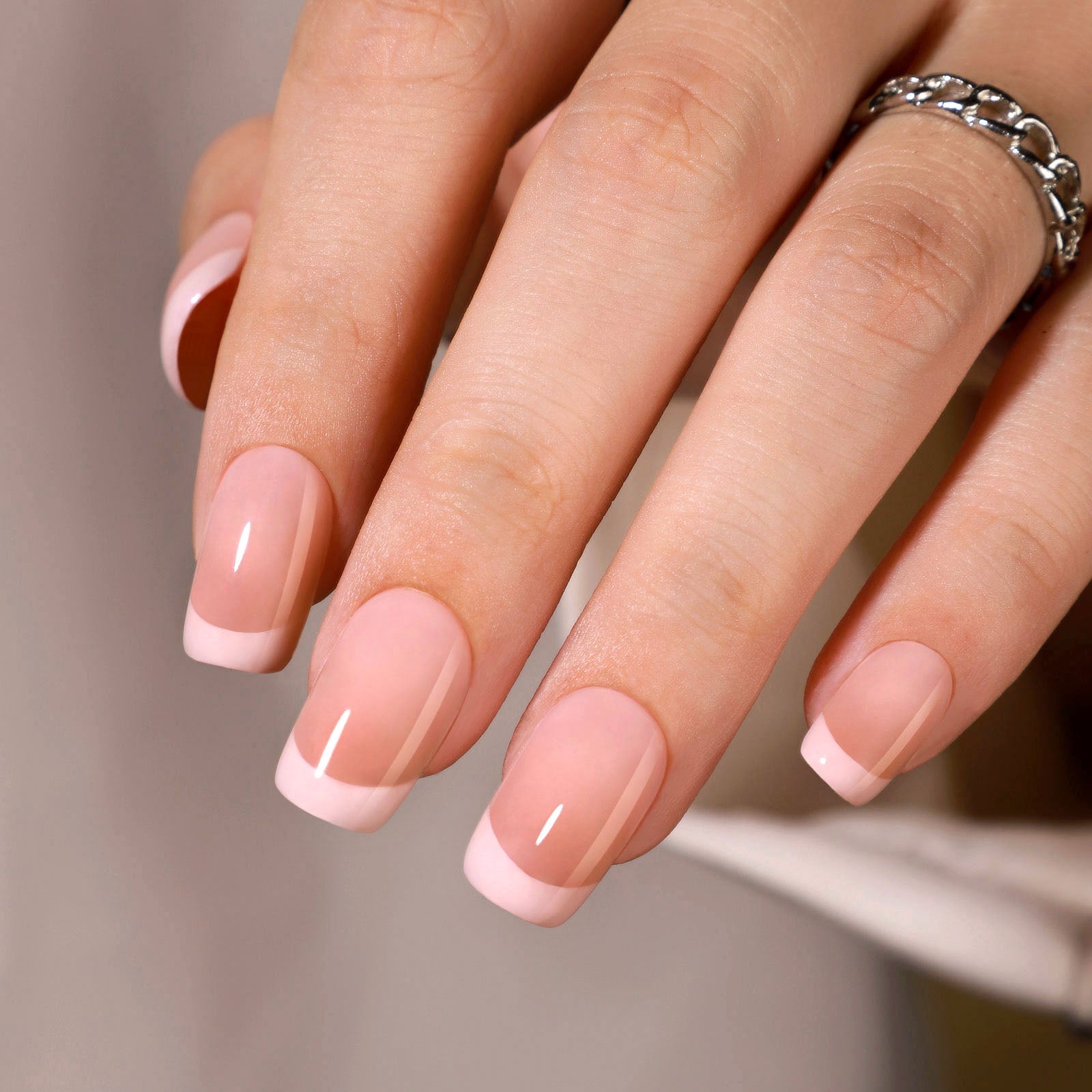
The materials are different from the start: press-ons are pre-shaped soft gel tips, while dip powder builds color and thickness through layered powder and resin.
Press-On vs Dip Powder: 7-Dimension Comparison
| Dimension | Press-On Nails | Dip Powder |
|---|---|---|
| Cost per manicure | $3–$15 (reusable) | $35–$55 (salon), $20–$40 (home kit) |
| Application time | 15–30 minutes (home) | 45–75 minutes (salon) |
| Durability per wear | 1–14 days | 3–4 weeks |
| Removal ease | Easy (warm water soak) | Hard (filing + 15-min acetone soak) |
| Nail damage risk | Low–None (proper removal) | Moderate (acetone dehydration, thinning) |
| Skill required | Minimal | Moderate–High (application is finicky) |
| Reusability | Yes (3–5 times with care) | No |
Pros and Cons of Dip Powder
What Dip Powder Does Well
Longevity. For people who work with their hands but still want polish-free nails, dip's 3–4 week hold is genuinely difficult to match with any at-home method. Many users report going a full month between salon visits.
Chip resistance. The hard powder coating resists chipping better than gel polish. Once it's on and set, it takes significant force to chip.
No UV lamp required. Unlike gel manicures, dip activates with a liquid catalyst, not UV light. This matters for some people who are concerned about cumulative UV exposure from gel lamps.
Color consistency. The powder system produces an even, opaque finish that's hard to replicate at home with liquid polish.
Where Dip Powder Falls Short
Cost adds up fast. A single salon dip manicure runs $35–$55. At monthly visits, that's $420–$660 per year — before tip.
Removal is the biggest problem. Removing dip powder requires heavy filing of the surface layer, followed by wrapping each finger in foil-soaked acetone for 10–20 minutes. The acetone penetrates and dehydrates the nail. Most nail health experts note that it's the acetone removal, repeated monthly, that causes most of the damage associated with dip powder — not the powder itself.
Application is unforgiving. Home dip kits exist, but the process has a learning curve. The powder has to be tapped off at the right moment, layered correctly, and activated precisely. A bad first layer can't be fixed easily.
No flexibility. Once it's on, it's on. If a nail breaks, you're filing it down. If you change your mind about the color, you're removing the whole set.

After acetone removal of dip powder (left): characteristic white, dehydrated, sometimes thinned nail surface. After press-on removal with warm water soak (right): natural nail largely intact.
Pros and Cons of Press-On Nails
What Press-Ons Do Well
Speed and flexibility. A full set of press-on nails takes 15–30 minutes to apply at home. No salon appointment, no dry time, no waiting. Change your nails for a specific event, then switch back.
Cost per wear. A quality soft gel set like SHANGMENG runs $11.99–$14.99 and is reusable 3–5 times. Over a year of bi-weekly nail changes, that's dramatically less than monthly dip appointments.
Low damage when removed correctly. A warm water soak with cuticle oil releases the adhesive without chemical penetration of the nail surface. The natural nail is not filed, thinned, or dehydrated by the removal process.
No skill barrier. Sizing, fitting, and applying takes a bit of practice but is accessible to beginners on the first try. There's no layering sequence, no powder technique, no activator chemistry to manage.
Reusability. Quality soft gel press-ons can be cleaned, stored, and reworn 3–5 times. No other nail method in this price category offers that.
Where Press-Ons Have Limits
Durability gap. Press-ons with adhesive tabs typically last 3–7 days. With nail glue and careful prep, 1–2 weeks. They will not reliably match the 3–4 week hold of salon dip powder for most users.
Active lifestyle friction. Swimming, heavy manual work, or prolonged water exposure shortens press-on wear significantly. Dip powder is more resistant to these conditions.
Sizing fit. Getting the right size match for every finger matters. A poorly sized nail lifts earlier. This is a one-time learning curve — most repeat users nail it quickly — but it's an additional variable that doesn't exist with painted-on systems.

15–30 minutes, no salon, no appointment. Press-ons fit into a morning routine in a way that salon dip visits simply can't.
When to Choose Dip Powder
Dip powder makes sense if:
- You need maximum longevity. You work with your hands, your lifestyle is hard on nails, and you genuinely need 3–4 weeks between nail appointments.
- You go to the salon regularly anyway. If you already have a monthly salon routine for other services, adding dip powder is a natural fit.
- You prefer a uniform, thicker finish. The opaque, hard finish of dip powder has a specific aesthetic that some users prefer — it reads as more "substantial" than press-ons to some.
- You're not concerned about monthly acetone exposure. If you use cuticle oil regularly and keep your nails healthy between appointments, the dehydration from dip removal is manageable for many people.
When to Choose Press-On Nails
Press-ons make more sense if:
- Your schedule doesn't allow salon visits. 15 minutes at home beats 75 minutes round-trip plus salon time.
- You want to change your look frequently. Press-ons make it practical to match nails to an outfit, an event, or a season.
- Nail health is a priority. No acetone soak, no filing, no thinning. Soft gel press-ons removed with warm water are among the lowest-impact nail enhancement options available.
- You're watching spending. At under $5 per wear (with reuse), SHANGMENG press-ons cost 85–90% less per manicure than salon dip.
- You travel or work from home. The ability to apply a full manicure in your hotel room or living room — with no supplies beyond the set and a tab or two — is a practical advantage.
Related: Press-On Nails vs Acrylic Nails: Cost, Damage & Durability | Press-On Nails vs Gel Nails: An Honest Comparison

The dip powder lifestyle requires a salon. The press-on lifestyle requires a few minutes and a clean work surface.
Still not sure which option is worth trying first? Find your best set by solving the concern you just compared: fit, finish, wear time, or price.


Cost Comparison: Full Year of Manicures
Assuming bi-weekly nail changes (26 manicures per year):
| Method | Cost Per Occasion | Annual Cost |
|---|---|---|
| Salon dip powder (monthly, 13×/year) | $45 avg + $10 tip | $715/year |
| Salon gel polish (bi-weekly) | $40 avg + $8 tip | $1,248/year |
| Home dip kit (monthly, refills quarterly) | ~$25/application | $325/year |
| SHANGMENG press-ons (bi-weekly, 3× reuse) | ~$4.50/wear | ~$117/year |
The home dip kit option is the closest comparison to press-ons in terms of cost, but it still requires the acetone removal process, the 45-minute application session, and a learning curve that many find frustrating.
Related: How Much Do Acrylic Nails Cost? Full Price Breakdown
Nail Health: The Honest Comparison
This is the dimension where the two methods diverge most clearly.
Dip Powder and Nail Health
The American Academy of Dermatology identifies acetone-based removal as the primary source of nail damage from enhancement products. Dip powder's application doesn't thin the nail — but its removal does. Specifically:
- Acetone dehydrates the nail plate and surrounding skin
- Repeated monthly exposure compounds this effect over time
- Users who skip removal preparation (buffing the surface layer) often cause additional thinning by over-soaking
Many users maintain healthy nails through dip powder with proper cuticle oil use and occasional breaks, but the chemical removal requirement is a real variable to manage.
For general nail-care hygiene after any salon or at-home enhancement, Mayo Clinic's healthy fingernail guidance also emphasizes gentle care, moisturization, and avoiding harsh products when nails feel brittle or dry.
Press-On Nails and Nail Health
Soft gel press-ons applied with tabs or a thin glue layer have minimal impact on the natural nail when removed correctly. The warm water soak method releases the adhesive without chemical penetration.
The main nail health risk with press-ons is forcible removal — peeling without soaking. This can strip the top layers of the natural nail, similar to pulling off a sticker from a painted surface. The fix is always the same: soak first.
A second risk is moisture trapping. If a press-on lifts slightly at the edges and water gets underneath, that trapped moisture can create conditions for nail fungus over extended wear. The solution: remove any nail that has lifted more than 1mm at the free edge, rather than pressing it back down.
Related: Soft Gel Manicure vs Press-On Nails: Which Lasts Longer? | How Long Do Press-On Nails Last? The Complete Answer
Frequently Asked Questions
Are press-on nails better than dip powder?
For most people in 2026, yes — in terms of cost, nail health, and convenience. Press-on nails cost 85–90% less per wear than salon dip powder, require no acetone removal (the primary source of dip-related nail damage), take 15–30 minutes to apply at home, and can be reused 3–5 times per set. Where dip powder still wins: durability (3–4 weeks vs 1–2 weeks) and hold under physically demanding conditions. If longevity is your primary concern, dip remains stronger per wear. If everything else matters equally, press-ons offer a better overall package. (Source: American Academy of Dermatology — Nail Enhancements and Damage)
How long do dip powder nails last vs press-on nails?
Dip powder nails typically last 3–4 weeks per application at a salon, assuming proper aftercare (no prolonged water exposure, regular cuticle oil use). Press-on nails last 3–7 days with adhesive tabs and up to 14 days with nail glue and thorough nail prep. The gap is real but narrows when you factor in reusability: a press-on set worn 3 times covers 9–21 days of nail coverage per $13 set. (Source: NAILS Magazine — Dip Powder Durability)
Does dip powder damage nails more than press-ons?
Generally yes, primarily because of acetone removal. The application phase of dip powder doesn't thin the nail, but the removal phase — which requires filing the surface layer and soaking in acetone foil wraps — dehydrates and can thin the nail plate over repeated cycles. Press-on nails removed with a warm water soak don't require chemical penetration of the nail surface. The main damage risk with press-ons is forcible removal without soaking, which can strip the top nail layer. (Source: AAD — How to Stop Damaging Your Nails)
Can I do dip powder nails at home?
Yes — home dip kits are widely available for $20–$50 per kit. The application process is learnable but has a steeper curve than press-ons: you need to manage the powder-to-resin ratio, get the layer count right, and apply the activator evenly. The removal process at home requires the same acetone foil-wrap method as a salon. Most home kit users report that it takes 3–5 attempts to get the application looking clean and even.
Are press-on nails good for people who don't like salons?
Yes — this is one of the primary use cases where press-ons clearly win. The entire process happens at home in 15–30 minutes, with no appointment, no tipping, no scheduling around a salon's hours, and no waiting for a technician. SHANGMENG sets include everything needed: the 32 nails, multiple size options, and adhesive.
What's cheaper: press-on nails or dip powder?
Press-on nails are significantly cheaper per manicure. Salon dip powder costs $35–$55 per application. Home dip kits run $20–$40 per application including supplies. SHANGMENG press-on sets cost $11.99–$14.99 per set and are reusable 3–5 times, bringing the per-wear cost to approximately $3–$5. Over a full year of bi-weekly nail changes, press-ons cost roughly $117 vs $715 for monthly salon dip.
The Bottom Line
Neither method is objectively better in every situation. But for most people reading this in 2026 — who want great-looking nails without a standing salon appointment, a monthly acetone session, or a budget that assumes $700/year on nails — press-ons are the practical answer.
SHANGMENG soft gel sets give you the finish quality of a dip manicure, the flexibility of a style you can change weekly, and a nail health profile that doesn't require recovery time between wears.
Shop SHANGMENG Press-On Nail Sets →
Want to go deeper on the comparison? How Long Do Press-On Nails Last? The Complete Answer breaks down every durability variable — adhesive type, prep quality, and wear conditions — with specific day counts.
Share