













Gel Base Coat for Press-On Nails: Does It Actually Help?
By Paul, SHANGMENG Nail Care & Application Guide.
Key Takeaways: - A gel base coat can extend wear on ABS hard plastic press-ons and on naturally oily nail beds where standard glue or adhesive tabs tend to fail first. - For soft gel press-ons — like SHANGMENG's — a gel base coat is usually unnecessary: the soft gel material already forms a stronger mechanical bond than ABS plastic can, and the correct nail prep does most of the work. - If you try a gel base coat, cure time matters: an undercured or fully cured base coat creates a slick layer that weakens adhesion. A tacky-cure (10–15 seconds, leaving the inhibition layer) is the correct approach. - Proper nail prep — dehydrator, primer, push cuticles back — delivers more adhesion improvement than any topcoat product applied on top of bad prep.
The TikTok algorithm has a predictable affection for nail hacks that look like they should not work but apparently do. Gel base coat under press-ons is one of them: a handful of creators started recommending it in 2024 as a way to make press-ons last two to three weeks instead of the typical one, and the videos accumulated millions of views before anyone stopped to ask what was actually happening at the adhesion interface.
This guide does ask that question — and answers it with specifics, not vibes.
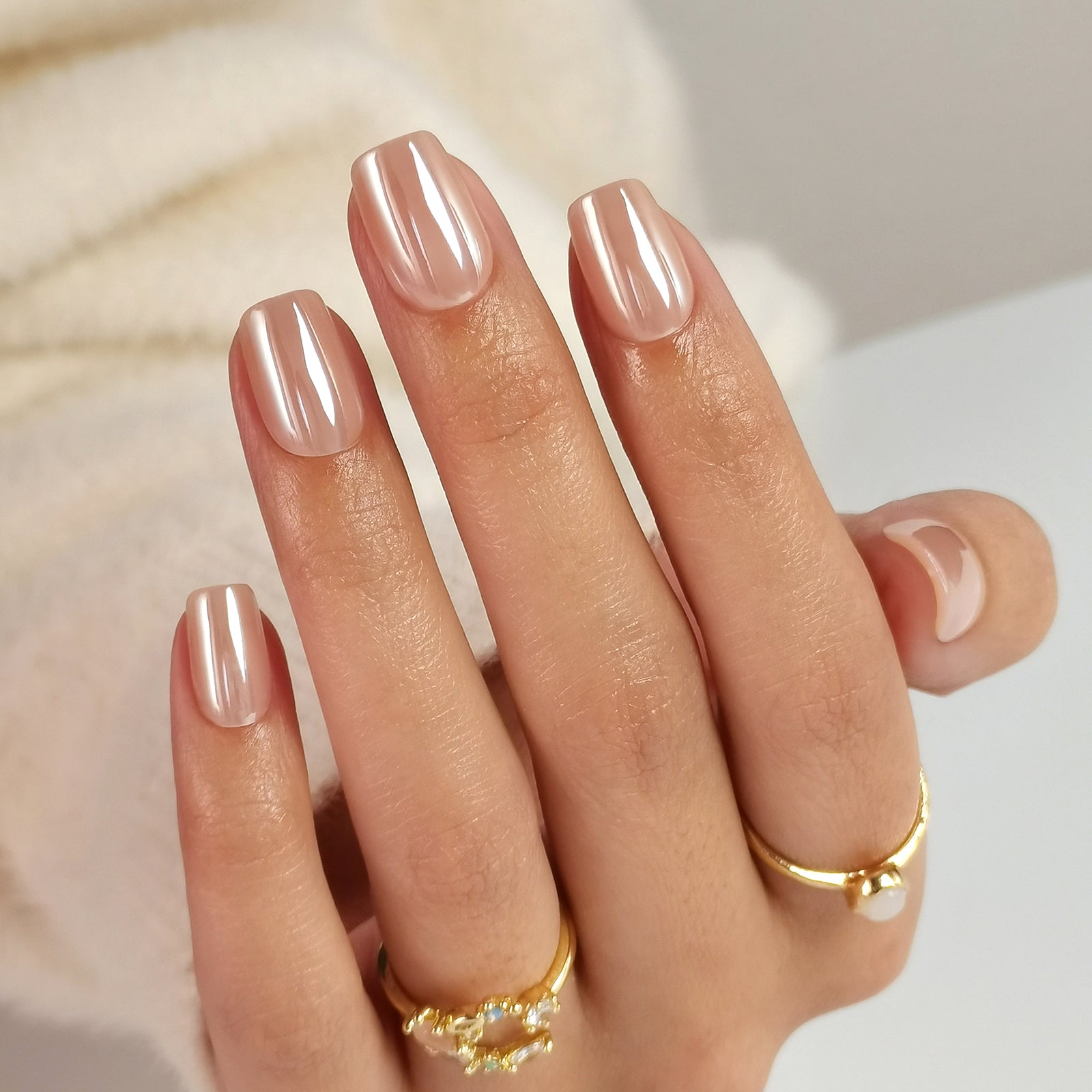
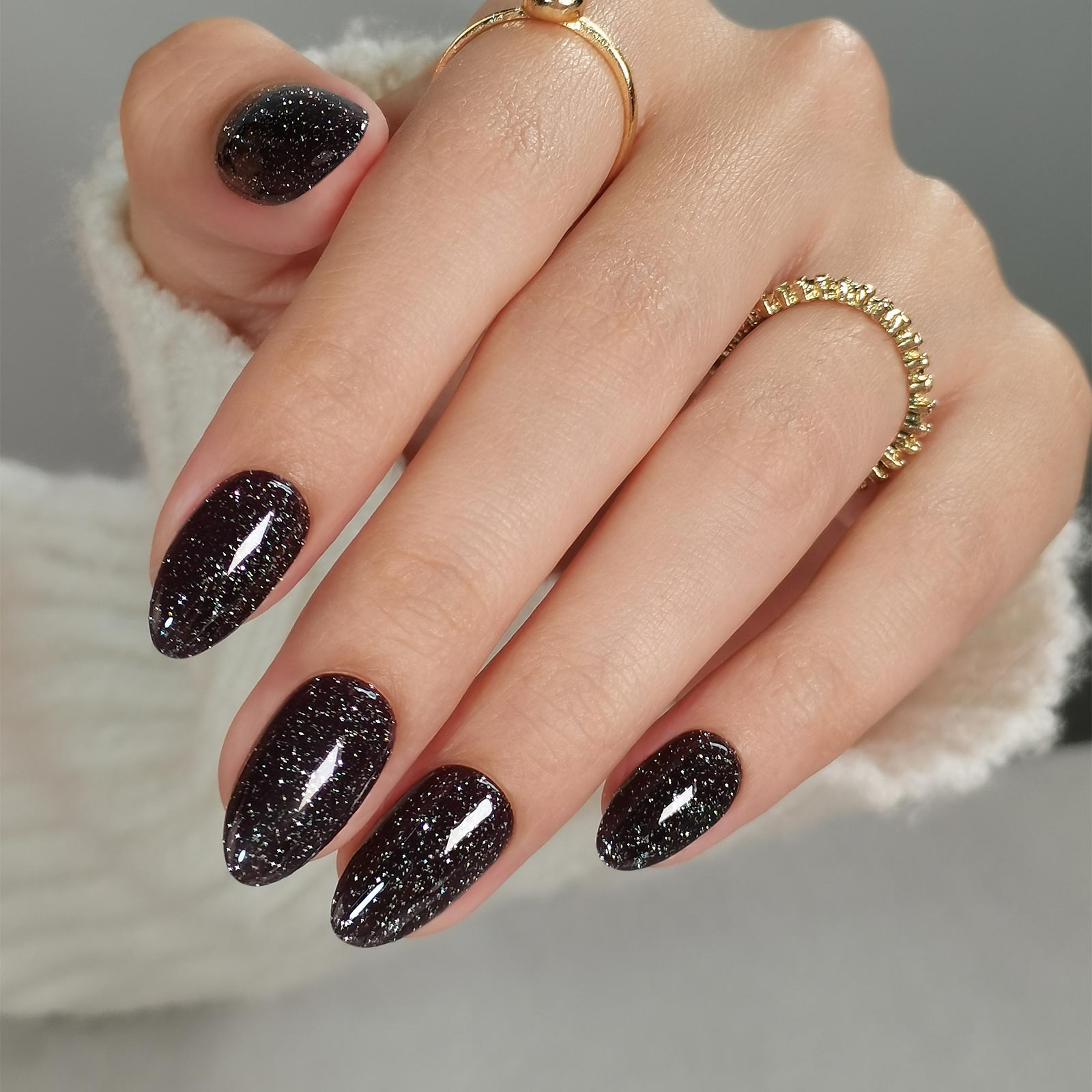
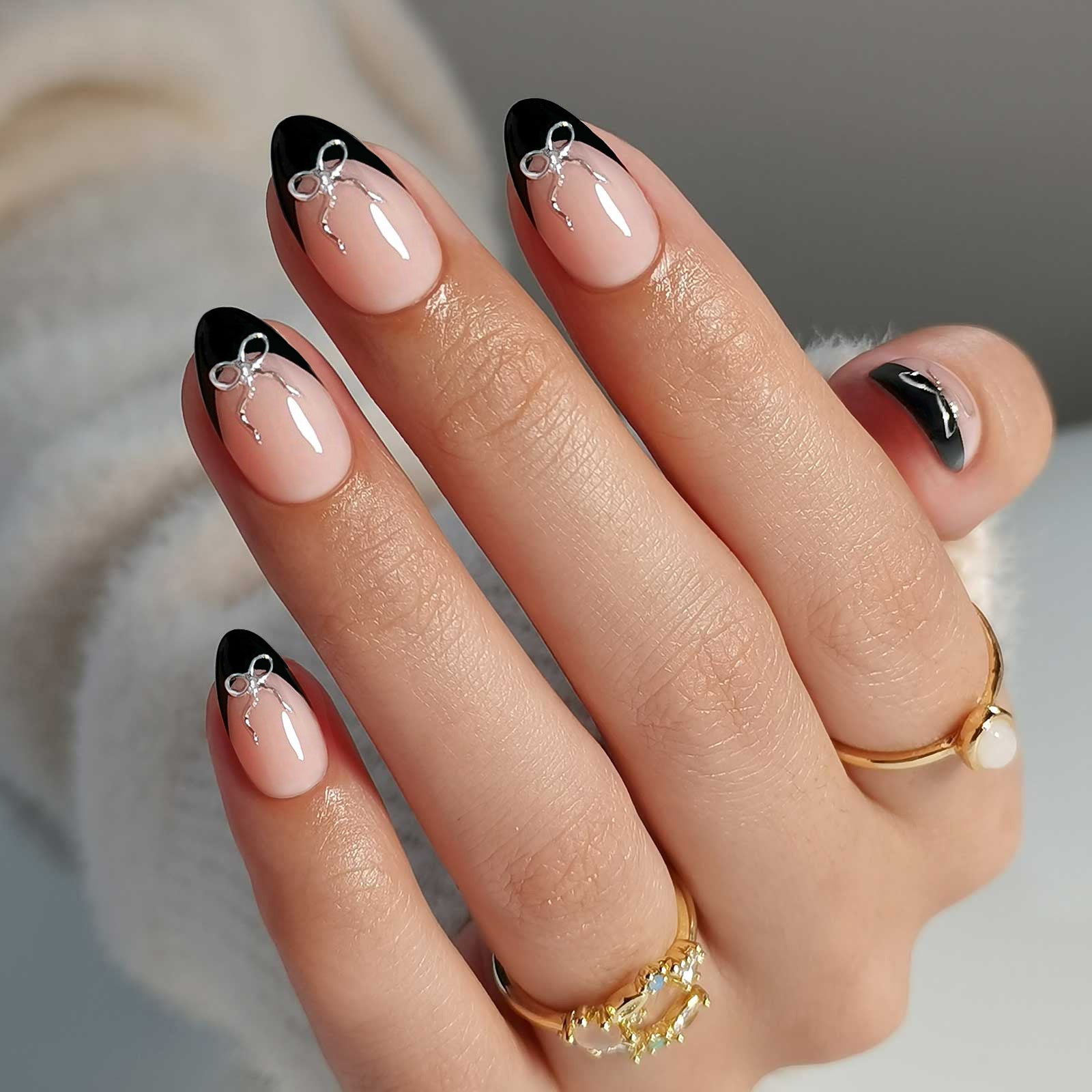
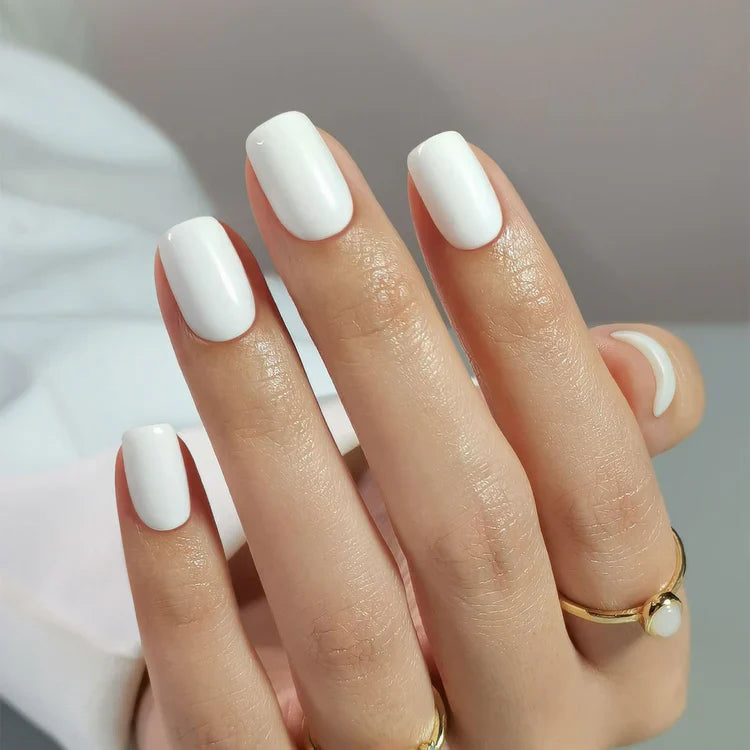
Not sure which shape, length, or size fits your natural nails?
The TikTok Hack Explained
The claim, as it circulates on short-form video, goes roughly like this: apply a thin gel base coat to your natural nail, cure it under a UV lamp for a short time (often 10–15 seconds rather than a full cure), leave the tacky surface uncovered, then press your press-on nail directly onto that surface. The tacky layer, the logic goes, gives the press-on something extra to grip.
Some versions of the hack add nail glue on top of the base coat. Others skip glue entirely and use only the tacky base layer. A few creators apply the gel to the underside of the press-on rather than the natural nail.
The results people report vary enormously — which is exactly what you would expect if the hack works in some scenarios and not others. Understanding why requires knowing what the base coat is actually interacting with.
How a Gel Base Coat Works Under Press-Ons
What gel base coat is designed to do: Gel base coats are formulated to bond to the natural nail plate and create a foundation that subsequent gel polish layers adhere to. The chemistry involves acrylate monomers that partially penetrate the nail plate's protein structure and crosslink under UV light. This is why gel manicures last longer than regular polish — the base coat creates a genuine chemical attachment to the nail surface, not just a surface coating.
What happens when you leave it tacky: When gel base coat is exposed to UV light for less than its recommended cure time, it does not fully crosslink. The surface remains sticky — this is the "inhibition layer," a thin zone of oxygen-inhibited uncured gel that is deliberately present in fully cured gel products too (it is what allows the next gel layer to bond). A deliberately undercured base coat creates a thicker, more aggressively tacky surface.
What the press-on is attaching to: When you press a nail onto that tacky layer, you are essentially embedding the underside of the press-on into a layer of uncured gel. This can work — but the outcome depends heavily on what the press-on is made of.

When a Gel Base Coat Actually Helps
Scenario 1: ABS Hard Plastic Press-Ons
ABS (acrylonitrile butadiene styrene) plastic is the material most budget press-on nails are made from. It is rigid, smooth, and does not have inherent porosity — nail glue bonds to it through contact adhesion rather than chemical penetration. This means the bond strength is limited by how well the glue can grab a relatively inert plastic surface.
A tacky gel base coat can improve this bond in two ways:
- Mechanical grip: The sticky gel fills microscopic surface irregularities on both the ABS and the natural nail, increasing contact area.
- Flexible intermediary: A thin gel layer between the rigid ABS and the natural nail can absorb minor flex stress better than a rigid glue layer alone, reducing peel-point stress at the edges.
This is a real and measurable benefit. If you are using hard plastic press-ons and finding that edges lift after three to four days, a tacky gel base coat is worth trying.
Scenario 2: Naturally Oily Nail Beds
Nail bed oil production varies significantly between people — and elevated sebum output is one of the most common reasons nail glue fails early. Oil is non-polar; most cyanoacrylate-based nail glues are polar. Non-polar oils create a barrier that prevents the polar glue from forming direct contact with the nail plate surface.
A gel base coat, applied after standard dehydration, can act as an oil-resistant primer. The acrylate chemistry bonds to the nail plate even in mildly oily conditions, and the tacky surface that remains is itself non-oily. The press-on then adheres to the gel surface rather than to residual nail bed oil.
For people who consistently find that their press-ons last less than five days regardless of prep steps, this is the most likely root cause, and a gel base coat is a legitimate solution.

Scenario 3: Extended Wear Goals (10+ Days)
Standard press-on nail glue, applied over good prep, reliably delivers 7–10 days of wear for most people. If you need 14+ days — travel, a special event runway, a situation where you cannot easily redo your nails — layering nail glue over a tacky gel base creates two adhesion mechanisms working in parallel. Neither mechanism fails at the same time or in the same way, which extends total wear duration.
For more on extended wear techniques, see the full guide to making press-on nails last two weeks.
When a Gel Base Coat Is Unnecessary
Soft Gel Press-Ons: Already Adhesion-Optimized
This is the case that matters most for SHANGMENG nails. Soft gel press-ons are made from a flexible gel material — the same chemistry family as gel polish and builder gel. Unlike ABS plastic, soft gel is porous at a micro level and has surface chemistry compatible with nail glue and adhesive tabs.
What this means in practice: The adhesion challenge with soft gel press-ons is not the press-on side of the bond — it is the natural nail side. Correct nail prep (dehydrator, primer, removing shine, pushing back cuticles) creates the surface conditions the soft gel needs to bond properly. Adding a gel base coat adds a layer between the natural nail and the press-on that the soft gel material does not need and that standard press-on glue was not formulated to interact with.
SHANGMENG soft gel press-ons are designed and tested to bond directly to a properly prepped natural nail with nail glue or adhesive tabs. Adding a gel base coat is, in most cases, an unnecessary complication that does not improve results and occasionally makes them worse (see Risks section below).

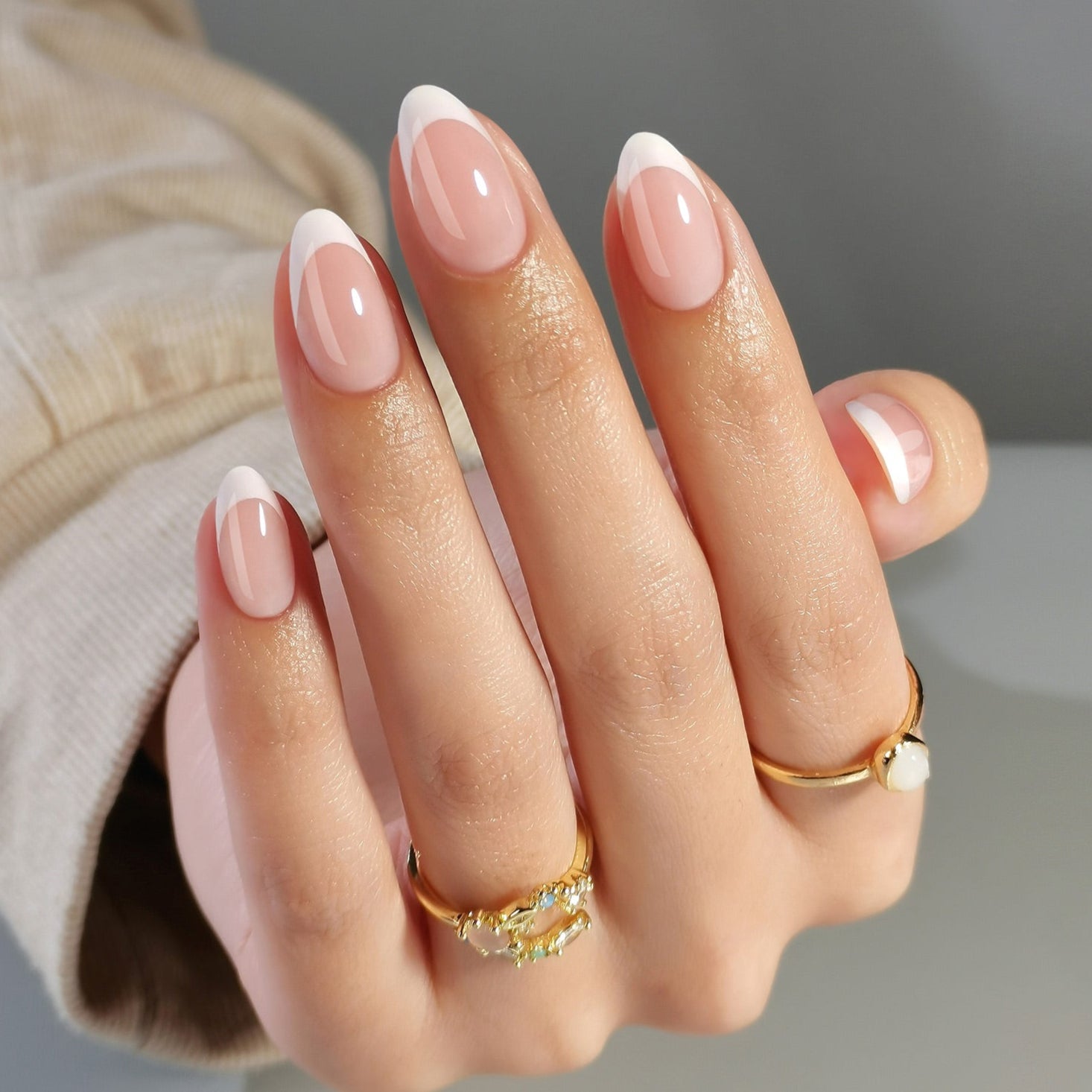
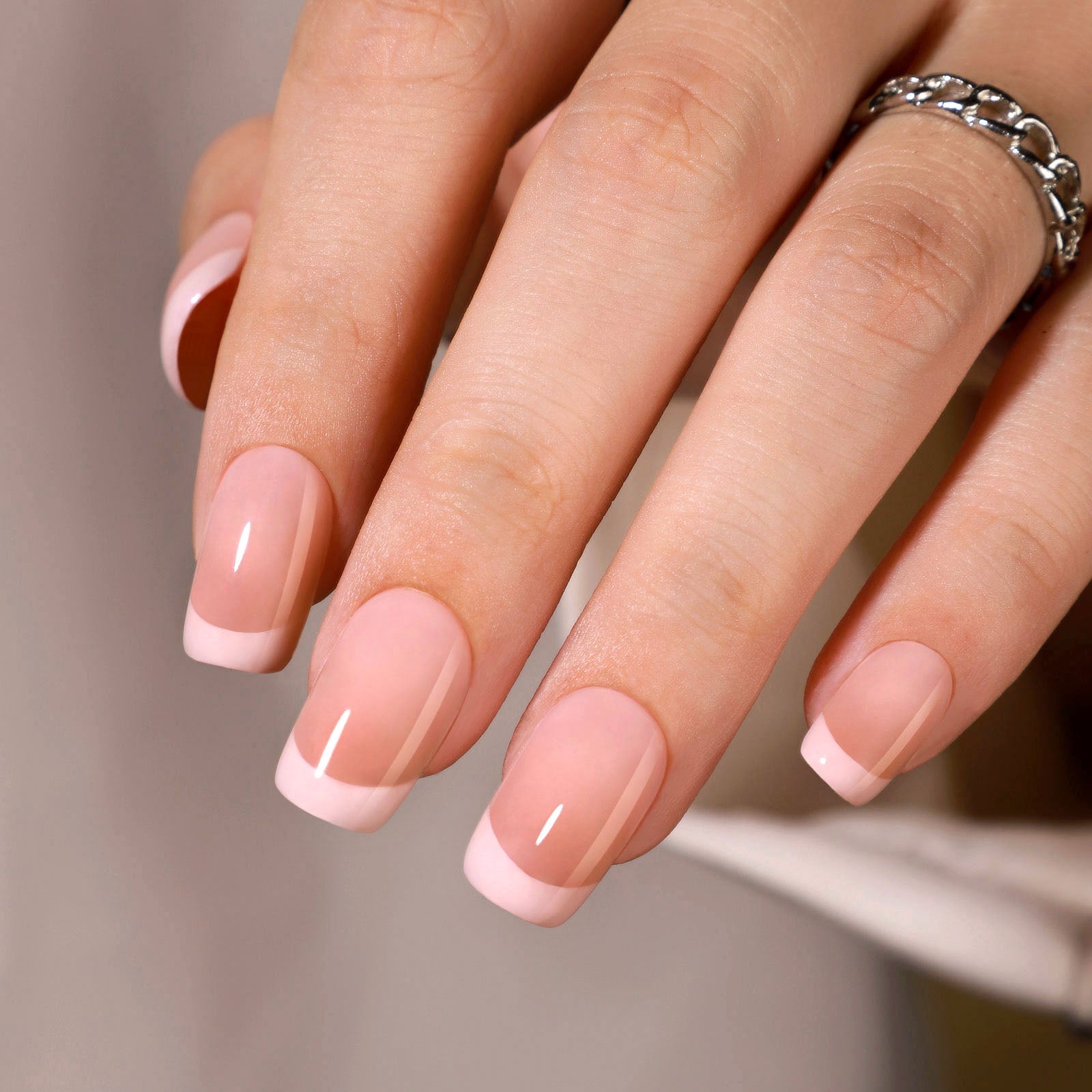
Still worried they will look fake? Find your shape and finish by matching your natural nail width; the right set reads polished, not pasted on.


Good Prep Is Already in Place
If your nail prep is solid — dehydrator applied and fully dry, cuticles pushed back to the nail plate, shine removed with a fine buffer, and nail glue applied in a thin even layer — adding a gel base coat is redundant. The prep has already optimized the surface. The marginal gain from adding another layer is close to zero, and you add the risk of application errors (see below).
For detailed nail prep guidance, see nail prep for press-on nails.
Step-by-Step: Using Gel Base Coat Correctly
If your situation fits one of the "when it helps" scenarios above, here is the precise sequence:

Step 1: Full nail prep first. Complete your standard prep before you touch the gel base coat. File shape if needed, push cuticles back to the nail plate, buff the shine off the natural nail surface with a 180-grit buffer, apply a nail dehydrator and let it fully evaporate (30–60 seconds). Do not skip dehydration because you are adding a gel base coat — dehydration removes surface oil and moisture that would prevent the gel from bonding to the nail plate.
Step 2: Apply a thin gel base coat. Apply the thinnest possible layer of gel base coat to the natural nail. Thick application increases the risk of uneven curing and creates a soft, spongy layer that reduces rather than increases adhesion strength. Avoid the skin and cuticle edge — gel base on skin will peel and take your press-on with it.
Step 3: Cure for 10–15 seconds only — leave the tacky layer. This is the critical variable. Do not follow the base coat's standard cure time (typically 30–60 seconds for a full cure). Cure for 10–15 seconds under a UV or LED lamp. The surface should feel sticky when you touch it lightly — not wet, not hard. If it has hardened to a smooth, non-sticky surface, you have fully cured it and it will not function as an adhesion layer for your press-on. Fully cured gel is actually slicker than bare nail and will reduce adhesion.
Step 4: Apply nail glue to the press-on (optional but recommended). A thin layer of nail glue on the underside of the press-on, combined with the tacky gel base on the natural nail, creates the strongest combined bond. Avoid using thick glue — it will fill the space between press-on and nail before proper contact is established.
Step 5: Press and hold. Place the press-on at the cuticle edge first, rock gently forward to the free edge, and press firmly for 30–60 seconds. The gel base coat remains pliable enough to allow minor repositioning for the first few seconds before the glue sets. After 30 seconds, the glue will have set enough to hold position.
Step 6: Cap with a top coat (optional). Applying a thin layer of gel top coat at the seam where the press-on meets the natural nail — then curing — creates a seal that resists water and mechanical stress at the most common lift point. This is particularly effective for people with active lifestyles or who wash their hands frequently.
For product guidance on the strongest glue options to use in combination with this technique, see strongest nail glue 2026 and UV nail glue for press-ons.

Risks and What Can Go Wrong
Full cure creates a slick barrier. The most common mistake is running the full recommended cure time. Fully cured gel base coat does not bond to nail glue or adhesive tabs — it creates an additional hard, smooth layer that the press-on cannot grip. This is worse than applying no gel base coat at all.
Lifting at the cuticle from gel on skin. Any gel base coat that cures on skin rather than nail plate will begin to peel within 24–48 hours. As it peels, it brings the press-on edge with it. This is the origin of many "the gel base coat made things worse" reports online — the application touched skin, and the skin peeled.
Allergic sensitization. Uncured acrylate monomers in gel base coat are the primary sensitization risk in professional nail services. Regular exposure to uncured gel — particularly if it contacts skin — can cause contact dermatitis in some people. This is not a reason to avoid gel base coat entirely, but it is a reason to minimize skin contact and to note whether any skin irritation develops after use. For a complete guide on nail glue chemistry and safety, see what is nail glue made of.
Removal complications. The combination of gel base coat and nail glue creates a more complex adhesion system than either alone. Soaking in acetone is effective for removal, but a fully cured gel layer may require longer soak time. Do not force press-ons off — if resistance is higher than normal after a 15-minute acetone soak, soak for another five minutes rather than pulling.
Gel base coat is not a substitute for nail glue. Some tutorials suggest using only the tacky gel base coat without nail glue. Tacky gel on its own is not strong enough to hold a press-on through normal daily activity — the bond will feel secure immediately after application and begin to fail within hours. Use gel base coat as a primer layer, not a replacement adhesive.

SHANGMENG Press-On Nails: What We Recommend
SHANGMENG soft gel press-ons are made with a flexible gel formula that is designed to bond effectively without a gel base coat intermediate. Our nail prep guide covers the exact five-step prep sequence that delivers 7–14 days of wear for most people, and our best nail glue guide covers the product choices that pair best with soft gel material.
If you have oily nail beds or have previously found that your nails lift at three to five days regardless of prep: try the gel base coat technique described above as your first experiment before changing glue types. Oily nail beds are the most common single cause of early lift, and the gel base coat addresses it directly.
Gel base coat is one tool in that prep toolkit, used correctly for the right scenarios.

Frequently Asked Questions
Can I use any gel base coat for press-on nails?
Any standard gel base coat formulated for natural nails will work for this technique — the brand matters less than the cure approach. Look for a base coat with a manageable viscosity (not too thick) so you can apply a thin layer. Avoid "peel-off" gel base coats — they are designed to release from the nail, which is the opposite of what you want. For nail glue compatibility information, see UV nail glue for press-on nails. (Source: International Journal of Cosmetic Science, gel adhesive chemistry overview)
Do I need a UV lamp if I'm using gel base coat under press-ons?
Yes. Gel base coat does not air-dry — it requires UV or LED light exposure to begin the crosslinking reaction that creates the tacky surface you need. An uncured gel base coat that has not seen UV light is still fully liquid and will not function as an adhesion primer. A basic LED lamp (36W) is sufficient and cures most base coats within 10–15 seconds at that power level. (Source: CND technical education materials)
Will gel base coat work with adhesive tabs instead of nail glue?
Adhesive tabs are double-sided acrylic tape — they bond through mechanical pressure to smooth surfaces. A tacky gel surface does not improve adhesive tab performance the way it improves nail glue performance. The gel tacky layer and the adhesive tab are both trying to do the same thing, which creates interference rather than compounding benefit. Use gel base coat with nail glue, not with adhesive tabs. (Source: testing by press-on nail formulation labs)
How do I remove press-ons if I used gel base coat?
Soak cotton pads in acetone, place them on each nail, and wrap with foil for 15–20 minutes (longer than the standard 10 minutes if you also used a gel top coat seal). The acetone will dissolve both the nail glue and the gel base coat. After soaking, the press-ons should slide off with minimal pressure. Do not peel or force — gel base coat bonds more aggressively than standard adhesive and can take surface nail plate cells with it if forced. (Source: board-certified dermatologist guidance on gel product removal)
Can I use gel base coat if I have natural nails that are very short?
Yes — nail length does not affect the technique. The consideration for very short nails is that the adhesion area is smaller, so both the gel base coat layer and the glue layer need to be thin and even. Thick product on a small nail surface area increases the risk of product migrating to skin at the edges. Apply both layers with a fine brush rather than the standard applicator if your nails are very short. (Source: nail technician application guidelines)
Does gel base coat prevent press-on nails from damaging natural nails?
Gel base coat does not reduce the mechanical damage from press-on nail application or removal — that risk is determined by how you remove the press-on (gentle soak-off versus forced peeling). What gel base coat does prevent is some of the chemical dehydration that nail glue alone can cause over multiple applications, because it acts as a partial barrier between the nail plate and the glue. Over time, using gel base coat may reduce the cumulative dryness effect of repeated press-on applications. (Source: American Academy of Dermatology — Artificial Nails: Tips for Reducing Nail Damage)
SHANGMENG nail sets come in 32 pieces across 16 sizes with a soft gel formula designed for 7–14 days of wear. Browse the full collection at shangmengnails.com.
Share