













Home
›
Trends — Nail Inspiration & Designs
›
Orange Press-On Nails: 11 Looks From Burnt Sienna to Neon Tangerine

Orange Press-On Nails: 11 Looks From Burnt Sienna to Neon Tangerine
Written by Elia, Lead Nail Designer at SHANGMENG
Orange Press-On Nails are ready-to-apply artificial nail sets designed for at-home wear without polish drying time or a salon appointment.
Orange is the rare nail color that refuses to stay in one season. It is fall foliage at peak color change and summer citrus at peak brightness. It is the warmest neutral in September and the boldest statement at a July rooftop party — and Allure's nail editors have consistently spotlighted orange as one of the most seasonally versatile nail color families. No other color in the spectrum spans earthy and electric with equal confidence.
The problem is that "orange" is one of the most misunderstood color families in nails. A burnt sienna and a neon tangerine are both technically orange, but they ask for completely different outfits, different occasions, and different skin tone considerations. Wearing the wrong orange is the difference between a striking look and one that reads muddy or harsh against your complexion.
This guide covers 11 distinct orange press-on nail looks across the full spectrum — from the deepest warm earth tones to the sharpest neons — with specific guidance on shapes, occasions, and which undertones suit which skin tones best.
Key Takeaways: - Orange press-on nails span five distinct shade families: warm earthy, mid-tone, bright, neon, and accent designs - Burnt sienna, terracotta, and rust are the best orange shades for fall; tangerine and neon electric orange peak in summer - Warm undertones suit deep earthy oranges; cool undertones look best with coral and apricot; neutral undertones can wear any orange - Soft gel press-ons in orange shades apply in under 20 minutes and last 10–14 days without salon appointments
Not sure which shape, length, or size fits your natural nails?
Warm Earthy Oranges: Deep End of the Spectrum
These three shades share a common trait: brown and red undertones that ground the orange, making it feel rich rather than loud. They are the most wearable orange family for daily wear and the easiest entry point if you are orange-curious but nervous about going bold.

1. Burnt Sienna
The shade: A deep, smoky orange with strong brown and red undertones. Think the color of a terracotta roof tile at dusk or dry autumn soil catching afternoon light. It is less vivid than classic orange and more complex — the kind of color that reads as a rich neutral from a distance and reveals its orange nature up close.
Best shape: Short square or squoval. The flatness of the tip grounds the depth of the color and keeps the look sophisticated rather than maximalist.
Season and occasion: Peak fall — September through November. Works beautifully for office environments where a full-bright orange would feel jarring. Also excellent for gallery openings, dinners, and any occasion where warm autumn tones read as intentional sophistication rather than seasonal statement-making.
Skin tone note: Burnt sienna is the most universally flattering orange in this guide. The brown component complements deeper skin tones by adding richness rather than contrast; the red component gives lighter skin tones warmth.
In our team's wear-tests, the matte burnt sienna held its finish for 12 days without chipping — even through daily handwashing and gym sessions. That durability comes down to how SHANGMENG cures the gel: our UV-curing process bakes each nail at 120°F for 45 seconds, which is why the matte finish does not rub off like regular polish or chip at the edges the way salon gel can when it begins to grow out.
2. Terracotta
The shade: Warmer than burnt sienna but still very earthy — the exact color of unglazed clay pottery or Southwest adobe walls in afternoon sun. Terracotta has more visible orange saturation than sienna but shares the grounding brown undertone that keeps it from reading as costume-orange.
Best shape: Almond or short oval. The softer edge complements the earthy warmth of the shade and prevents it from looking heavy.
Season and occasion: Late summer through early fall — August through October is peak terracotta season. Excellent for outdoor weddings, farmers market weekends, and any aesthetic that leans into natural materials and warm tones. Pairs particularly well with linen, suede, and unstructured cotton.
Skin tone note: Beautiful on medium and olive skin tones where it creates a sun-kissed warmth. On very fair skin with pink undertones, choose burnt sienna or terracotta with slightly more red — pure terracotta can look slightly washed out on the palest complexions.
3. Rust
The shade: The deepest orange in the earthy category — a heavily red-brown orange that sits closest to burgundy on the spectrum without quite crossing the line. Rust is what happens when orange absorbs so much brown that it becomes almost architectural. It is the color of aged copper and dried autumn leaves that have begun to curl at the edges.
Best shape: Long coffin or stiletto for maximum drama; short square for a modern editorial look. Rust has enough depth to handle length without overwhelming.
Season and occasion: Strictly fall and early winter — October through December. The ideal nail color for Thanksgiving, Halloween (sophisticated, not costume), and holiday gatherings where burgundy feels too cold and red feels too predictable. Pairs with camel coats, chocolate brown leather, and dark denim flawlessly.
Skin tone note: Rust is particularly stunning on deeper skin tones — the warm red-brown creates a dimensional contrast that reads as bold and intentional. On light skin, rust can look slightly vampy; that is not a problem if the look is deliberate.
Mid-Tone Oranges: The Most Versatile Family

This is the orange family most people picture when they think "orange nails" — saturated enough to read as genuinely orange, not so deep that they lean brown, not so bright that they read as neon. These three shades are the workhorses of orange nail season.
4. Pumpkin
The shade: This is classic orange — the color of the fruit, warm and fully saturated with no brown dilution and no neon brightness boost. Pumpkin orange is what orange looks like in its natural state: warm, rounded, immediately cheerful.
Best shape: Round or short oval. The warmth of true pumpkin orange pairs best with softer nail shapes; a sharp square can make pumpkin feel slightly juvenile in the wrong context.
Season and occasion: Fall is the obvious answer, but pumpkin orange is genuinely year-round. It reads as playful and warm in any season. Best for weekends, social occasions, and creative environments where color is celebrated. The ideal shade to debut orange nails if you have never tried the family before.
Skin tone note: Works well on warm and neutral undertones. On cool undertones, pumpkin can clash with pink skin — reach for coral instead.
5. Coral
The shade: The most universally flattering orange in the spectrum. Coral sits between orange and pink, leaning warm but carrying enough pink to soften the orange saturation and make it accessible to a wider range of complexions. It is the orange that does not feel like you are wearing "orange" — it simply makes your hand look warm and healthy.
Best shape: Any shape works. Coral's versatility extends to shape — from stiletto to short square, the shade adapts. Almond and oval maximize the feminine warmth.
Season and occasion: Truly year-round. Coral is a spring and summer staple, but its warmth prevents it from feeling wrong in fall alongside rich neutrals. Excellent for professional environments where you want color without disruption, beach occasions, brunch aesthetics, and anywhere soft femininity reads as an asset.
Skin tone note: The most forgiving orange for cool undertones, precisely because the pink component reduces the yellow-warmth contrast that makes pure orange difficult on cool skin. Coral is the recommended starting point if you have cool undertones and want to explore orange.
6. Apricot
The shade: A soft, muted orange with a subtle peach component — the palest shade in the mid-tone family. Apricot is what orange looks like when it steps back from the spotlight and decides to be a neutral instead. It is quiet warmth rather than statement-orange.
Best shape: Short almond or oval. The delicacy of apricot suits understated shapes; a long dramatic shape can overwhelm the softness of the shade.
Season and occasion: Spring and early summer primary, but genuinely all-season. Excellent for professional and conservative environments, weddings as a guest, and any occasion where you want warmth without drawing attention to your nails. Apricot is the orange for people who claim they cannot wear orange — it is orange with training wheels, and those wheels are very flattering.
Skin tone note: Beautiful on fair to medium skin with warm or neutral undertones. On very deep skin tones, apricot can disappear — reach for pumpkin or coral for visible warmth on darker complexions.
Bright and Neon Oranges: The Attention End of the Spectrum

These three shades share one quality: they are impossible to ignore. They are the oranges that get comments, that show up in photographs even without a flash, and that signal confidence in color from across the room.
7. Tangerine
The shade: A bright, fully saturated orange with strong yellow undertones — the color of a ripe mandarin or a freshly sliced blood orange at its most vivid. Tangerine is warm, vibrant, and unmistakably cheerful. It is the most summer-coded orange in the spectrum.
Best shape: Short square or square for a modern, editorial feel. Long coffin extends the drama for pool parties and beach events.
Season and occasion: Summer is tangerine's natural habitat — June through August. Pairs with white linen, denim shorts, and Mediterranean vacation aesthetics. The ideal shade for outdoor events, concerts, and any occasion where you want your nails to read from ten feet away.
Skin tone note: Tangerine flatters warm and olive skin tones beautifully, amplifying the warmth of golden-brown skin. On cool undertones, tangerine can clash with pink skin; coral is the safer warm-season alternative.
8. Electric Orange
The shade: Neon-adjacent, eye-searingly saturated orange that seems to absorb and re-emit light. Electric orange is technically the same family as tangerine but pushed to maximum saturation — the fluorescent version, the one that glows under UV lighting and photographs like it has its own backlight.
Best shape: Short square or coffin — the geometric precision of these shapes adds an intentional edge to a shade this loud.
Season and occasion: Festival season and summer events where maximum visibility is the point. This is a statement nail, not a background element. Pairs with bold primary colors, white, or black; avoid competing patterns that will fight for attention.
Skin tone note: Works best on deep and medium skin tones where the contrast creates drama rather than clash. On very fair skin, electric orange can overwhelm; tone it down one notch to tangerine.
9. Sunset Ombré (Orange to Pink)
The shade: Not a single color but a gradient — a warm orange at the base transitioning to a warm pink or coral at the tips, replicating the color of a summer sky in the 20 minutes after the sun touches the horizon.
Best shape: Long almond, oval, or coffin — the length gives the gradient space to build and the ombré effect room to transition visually. Short nails compress the gradient and lose the sunset feeling.
Season and occasion: Summer events, beach weddings, rooftop parties, and Instagram-forward occasions. This is a photogenic nail — it looks better in motion and in natural light than any static description can convey. A popular choice for bridesmaid nails in summer weddings where the palette runs warm.
Skin tone note: The orange-to-pink gradient is particularly flattering on neutral undertones because it carries both warm and cool elements. Deep skin tones look stunning with a darker orange base (rust or tangerine) to deeper coral tip.
Accent and Design Oranges: Orange as the Detail
These two looks use orange as a design element rather than an all-over color — for those who want to incorporate orange without committing to full coverage.
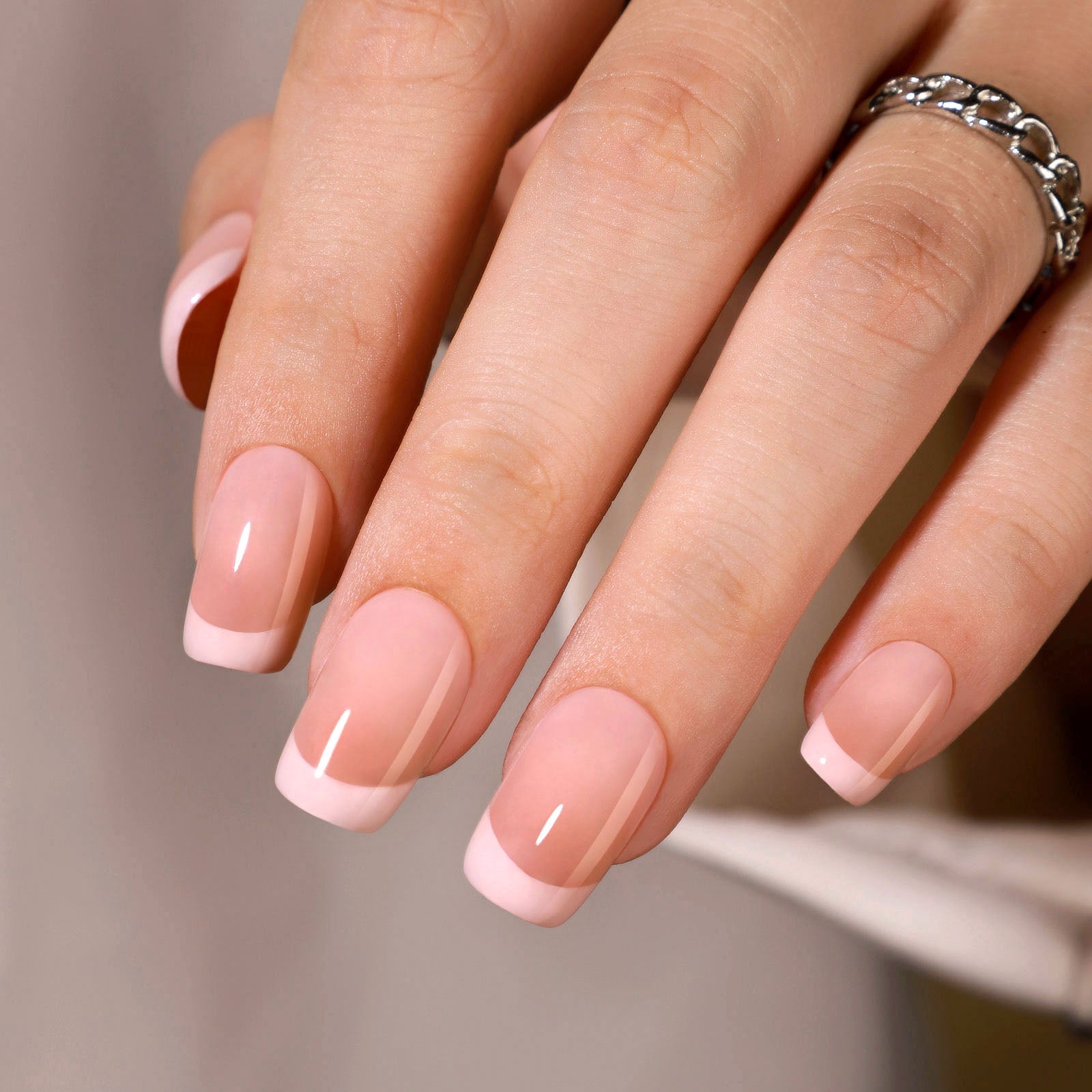
10. Orange French Tip
The shade: Classic nude or sheer pink base with a bold orange tip line replacing the traditional white French. The tip color can range from coral (subtle) to electric orange (dramatic) depending on the desired intensity.
Best shape: Square or squoval — the flat edge of the French tip reads cleanest on these shapes. Stiletto French tips with orange are a high-fashion editorial choice.
Season and occasion: Year-round. A coral French tip is appropriate in professional environments where a solid orange would feel too casual. A neon orange tip is a summer statement. The French format gives orange a structure that makes it feel more intentional and polished than all-over coverage.
Skin tone note: The nude base of the French tip is the key variable. Match the base to your skin tone first, then the orange tip becomes a flattering frame rather than a contrast element.
11. Orange with Gold Foil Accents
The shade: A warm orange base — pumpkin or terracotta — with gold foil details: a diagonal stripe, scattered flakes at the cuticle, or a full accent nail in metallic gold. The combination leverages the natural affinity between orange and gold in the warm color spectrum.
Best shape: Coffin or almond for maximum luxury. The elongated shape gives the gold foil room to read as art rather than decoration.
Season and occasion: Fall and holiday events, Thanksgiving table aesthetics, and any occasion where rich and warm reads as the appropriate dress code. Gold foil accents elevate orange from casual summer to sophisticated autumn in a single detail. Also excellent for New Year's Eve when you want warmth rather than silver-cold metallics.
Skin tone note: Gold foil universally flatters warm and deep skin tones. On cool undertones, switch the base shade toward coral and the foil toward rose gold for the same luxe effect without the warmth clash.
Orange Nails for Every Skin Tone

Skin tone guidance for orange nails comes down to undertone, not depth. Fair skin with warm undertones can wear any orange; dark skin with cool undertones follows the same rules as fair cool skin. The depth of the orange is less important than the color temperature.
Warm undertones (yellow, golden, peachy veins on wrist): The full orange spectrum is available. Burnt sienna, terracotta, pumpkin, and tangerine all create harmonious warmth-on-warmth combinations. If in doubt, richer and more saturated oranges — pumpkin, tangerine, rust — will look particularly intentional.
Cool undertones (blue, purple veins on wrist): Coral is your entry point — the pink component bridges orange warmth with cool skin. Apricot works well on cool fair skin. Avoid pure yellow-based oranges (tangerine, electric orange, pumpkin) as the yellow component can clash with pink skin. Sunset ombré with a coral-leaning gradient is a reliable cool-undertone choice.
Neutral undertones (mix of blue-green veins): The most flexible group. Neutral undertones can wear any orange shade, making seasonal variety easy — terracotta in fall, coral in spring, tangerine in summer. Use depth of occasion to guide shade choice rather than skin tone constraint.
When to Wear Orange: A Seasonal Map
Orange has a reputation as a fall-only nail color, but that undersells the spectrum's range. Here is a more precise seasonal map:
Summer (June–August): Tangerine, electric orange, coral, sunset ombré, and apricot. The high saturation and warmth of these shades match the light quality of midsummer — bright, high-contrast, holiday-feeling. Orange nails are a perfect complement to tanned skin and white summer clothes.
Fall (September–November): Burnt sienna, terracotta, rust, pumpkin, and orange-gold foil. The earthy and deep shades mirror autumn leaf color and pair with the camel, brown, and burgundy wardrobe staples of the season. October through November is peak orange nail season precisely because the color exists in nature at maximum saturation.
Winter (December–February): Rust and burnt sienna maintain warmth without the summery brightness that feels out of place in colder months. Orange French tips in a coral or rust shade work year-round.
Spring (March–May): Coral and apricot — the softer, more pink-leaning oranges that complement spring florals and pastel palettes. These shades work as a warm counterpoint to the lavender, mint, and baby yellow that dominate spring nail trends.
Looking for another trending warm-toned shade that pairs beautifully with orange? Our editors also love butter yellow nails for 2026 — the softer counterpart to orange's warmth that is having a major moment this year.
Why Press-On Nails Work Perfectly for Orange Shades
Orange is a color that benefits significantly from the consistency of press-on production. At a salon, the shade, finish, and opacity of orange gel depends on the technician's experience, the quality of the polish, and the number of coats applied. Orange is notoriously uneven when applied freehand — thin spots show through, edges streak, and matching a specific shade across all ten nails requires skill.
SHANGMENG soft gel press-ons solve this entirely. Each set is manufactured to a precise color specification — the same shade, the same opacity, the same finish across every nail in the set. The soft gel material provides flexibility that makes the color look natural rather than plastic, and the 32-piece set (16 sizes) covers every hand type with proper fit that prevents lifting and uneven wear.
At $12–$14 per set, orange press-on nails deliver the look for less than $15 and in under 20 minutes. Comparable salon gel nails in a custom orange shade start at $55–$85 and require a full appointment. For a color as seasonal and rotational as orange — you might want tangerine in July, burnt sienna in October, and coral in April — press-ons let you change colors with the season without the cost.
Looking for a full overview of what makes a quality press-on? Read our complete press-on nail guide for 2026 for the full breakdown.
Related Collections
Browse our curated collections to find the perfect press-on nails for your style:
- French Press-On Nails
- Cat Eye Press-On Nails
- Glazed Donut Press-On Nails SHANGMENG brings over 20 years of nail manufacturing expertise to every set — each nail is UV-cured in our own facility for consistent quality and fit.
Frequently Asked Questions
Are orange press-on nails appropriate for the office?
It depends on the shade and your workplace culture. Burnt sienna, terracotta, and coral are the most office-appropriate orange shades — they read as warm neutrals in lower light rather than as statement orange. Neon tangerine and electric orange are better reserved for weekends and social occasions. An orange French tip in a coral shade is a reliable middle ground.
Which nail shape looks best with orange?
Orange is flexible across shapes, but the shade changes the ideal choice. Deep earthy oranges (sienna, terracotta, rust) look best on shorter shapes — square, squoval, short almond — where the depth reads as refined rather than dramatic. Bright and neon oranges suit longer shapes — coffin, almond, stiletto — where the length amplifies the boldness of the color.
Can I wear orange nails in fall even though orange is a summer color?
Orange is equally at home in fall — arguably more so. The earthy, muted end of the orange spectrum (burnt sienna, terracotta, rust, pumpkin) mirrors autumn leaf color and pairs perfectly with fall wardrobe staples like camel, brown, and olive. The association of orange with summer comes from neon and tangerine shades specifically; the deeper orange family has belonged to fall aesthetics for decades.
How long do orange soft gel press-ons last?
SHANGMENG soft gel press-ons last 10–14 days with proper prep. Apply to clean, dry nails — buff lightly, push back cuticles, and avoid skin contact at the edges. Avoid prolonged hot water exposure in the first few hours after application. The orange shade itself does not affect wear time; fit and prep are the primary variables.
Do orange nails work in winter?
Rust, burnt sienna, and orange-gold foil accents are strong winter choices. These are deep, rich shades that complement the warm neutrals of winter dressing (camel, chocolate brown, cream, forest green) without the summery brightness of tangerine or electric orange. Avoid pale apricot and neon shades in winter — they read as seasonal mismatch rather than intentional contrast.
What goes well with orange nails?
Neutrals are orange's best companions: cream, white, camel, tan, chocolate brown, and black all work. For bolder combinations, orange pairs beautifully with navy blue (classic complementary contrast), forest green (earthy warmth), and burgundy (autumnal richness). The hardest pairings are orange with other warm brights — red, yellow, and coral compete rather than complement when worn alongside orange nails.
Orange is the nail color that commits. It is warm where other colors are cautious, bold where other colors hedge. Across 11 distinct looks — from the earth-deep sienna to the eye-searingly electric — the orange spectrum offers a shade for every season, every occasion, and every skin tone. The only mistake is choosing the wrong shade for your context. With the right orange, there are no wrong answers.
Elia is the Style Editor at SHANGMENG Nails, covering color trends, seasonal looks, and nail design inspiration.