


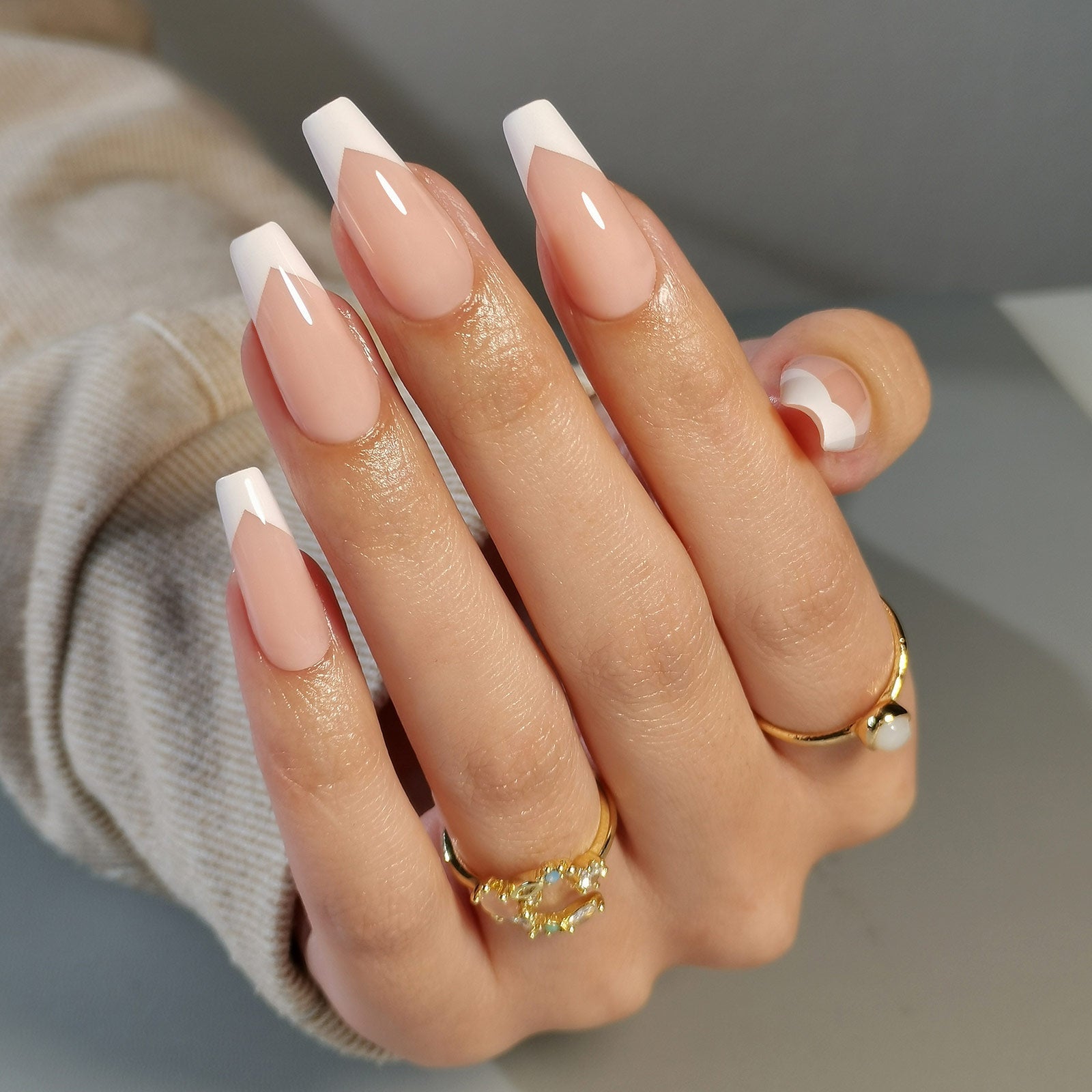
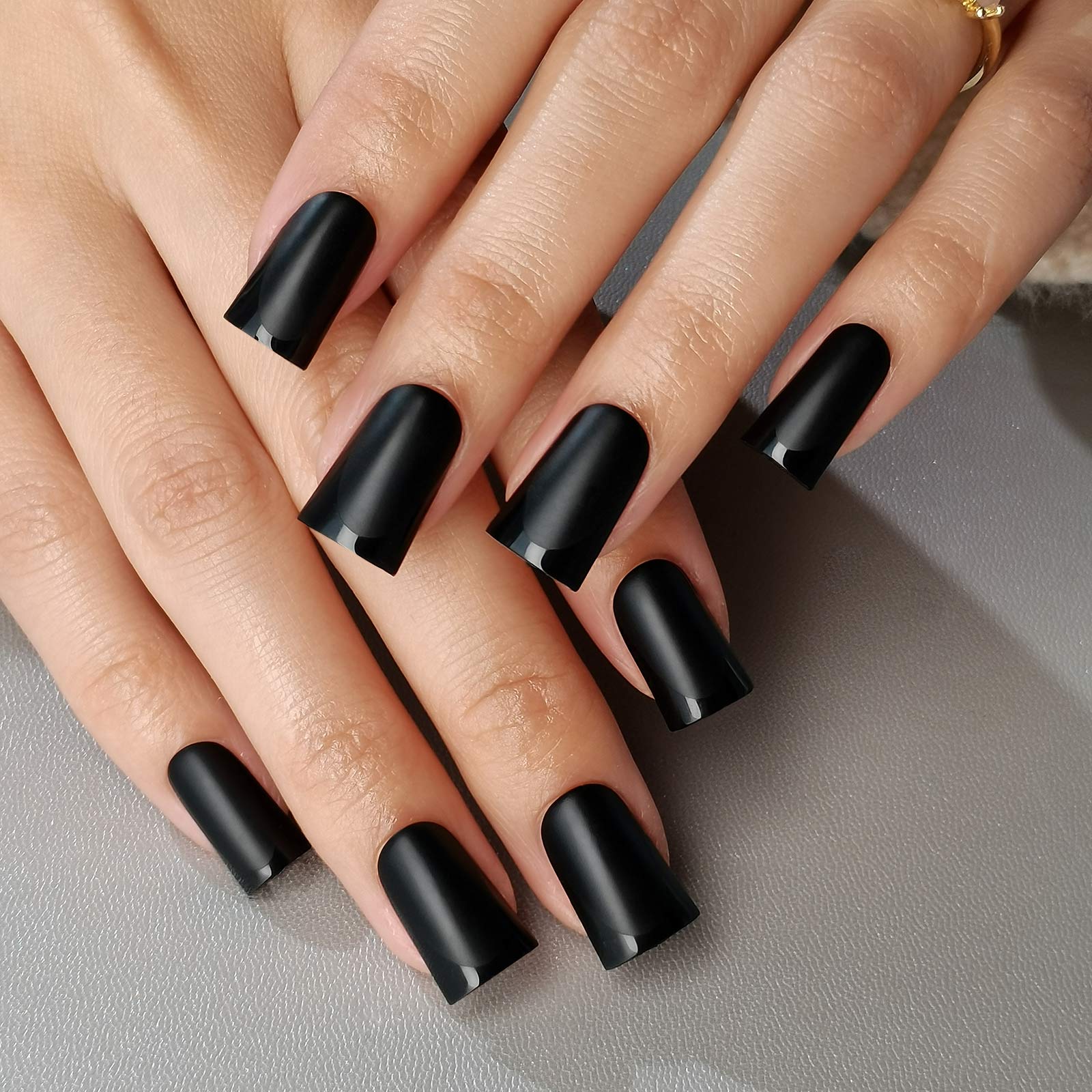


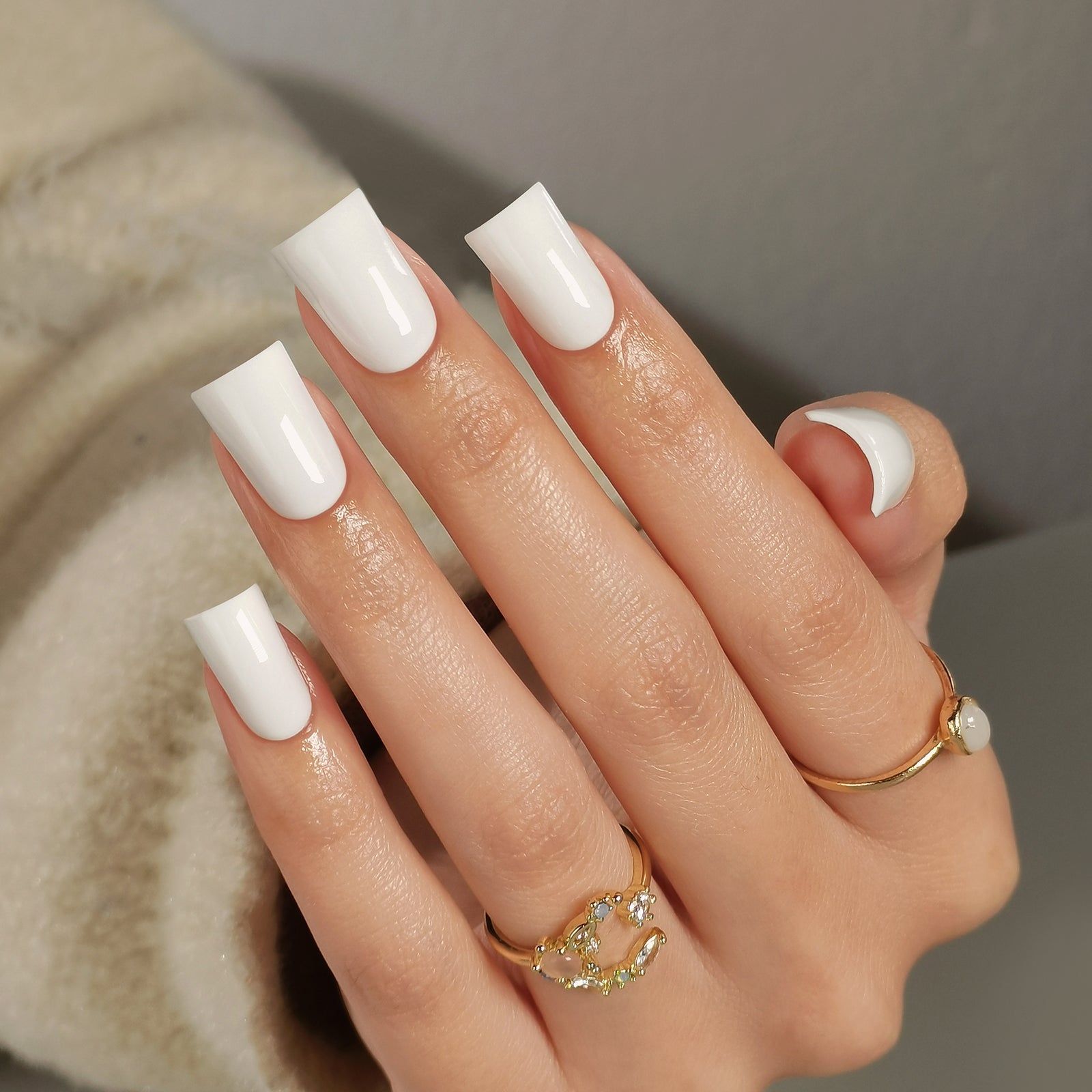
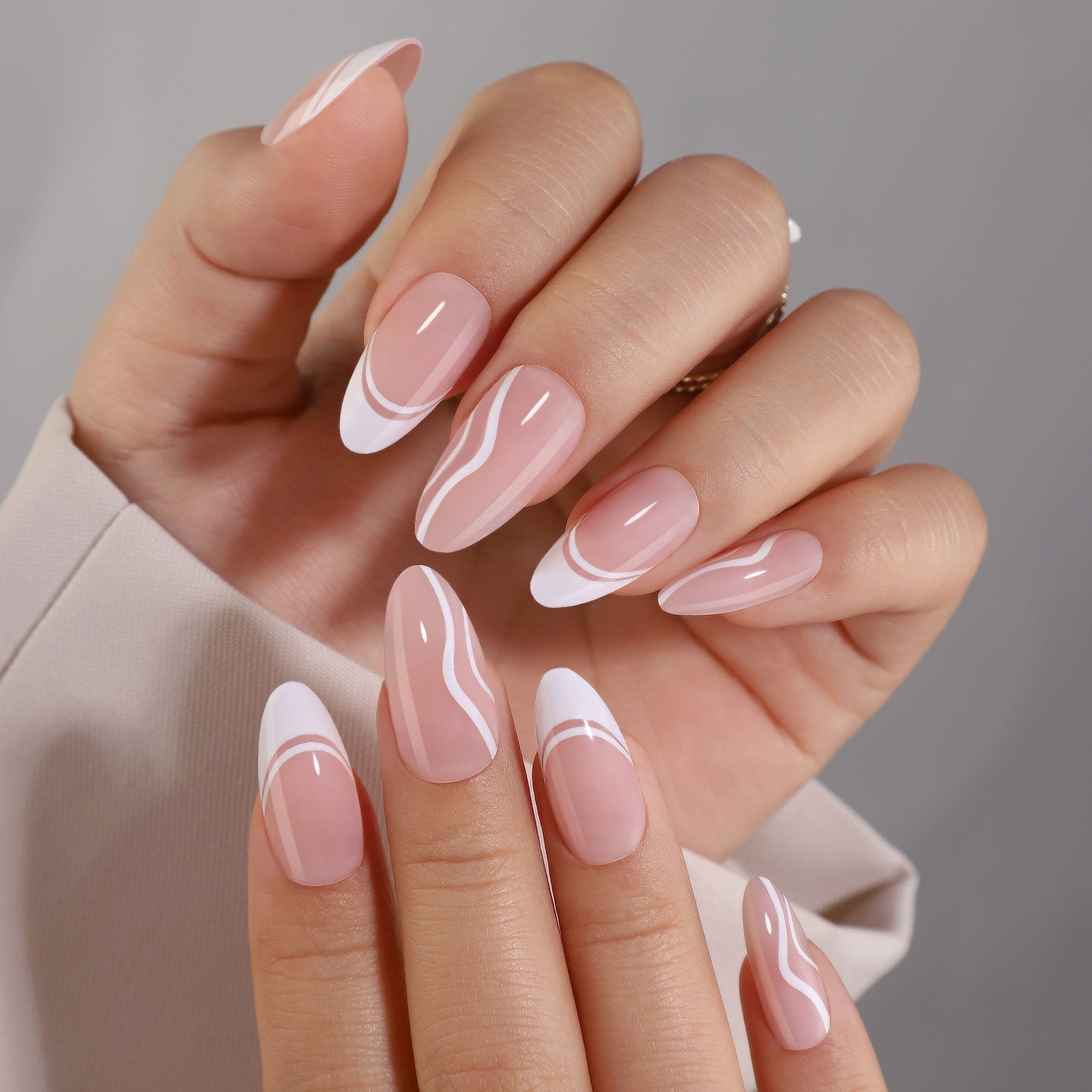

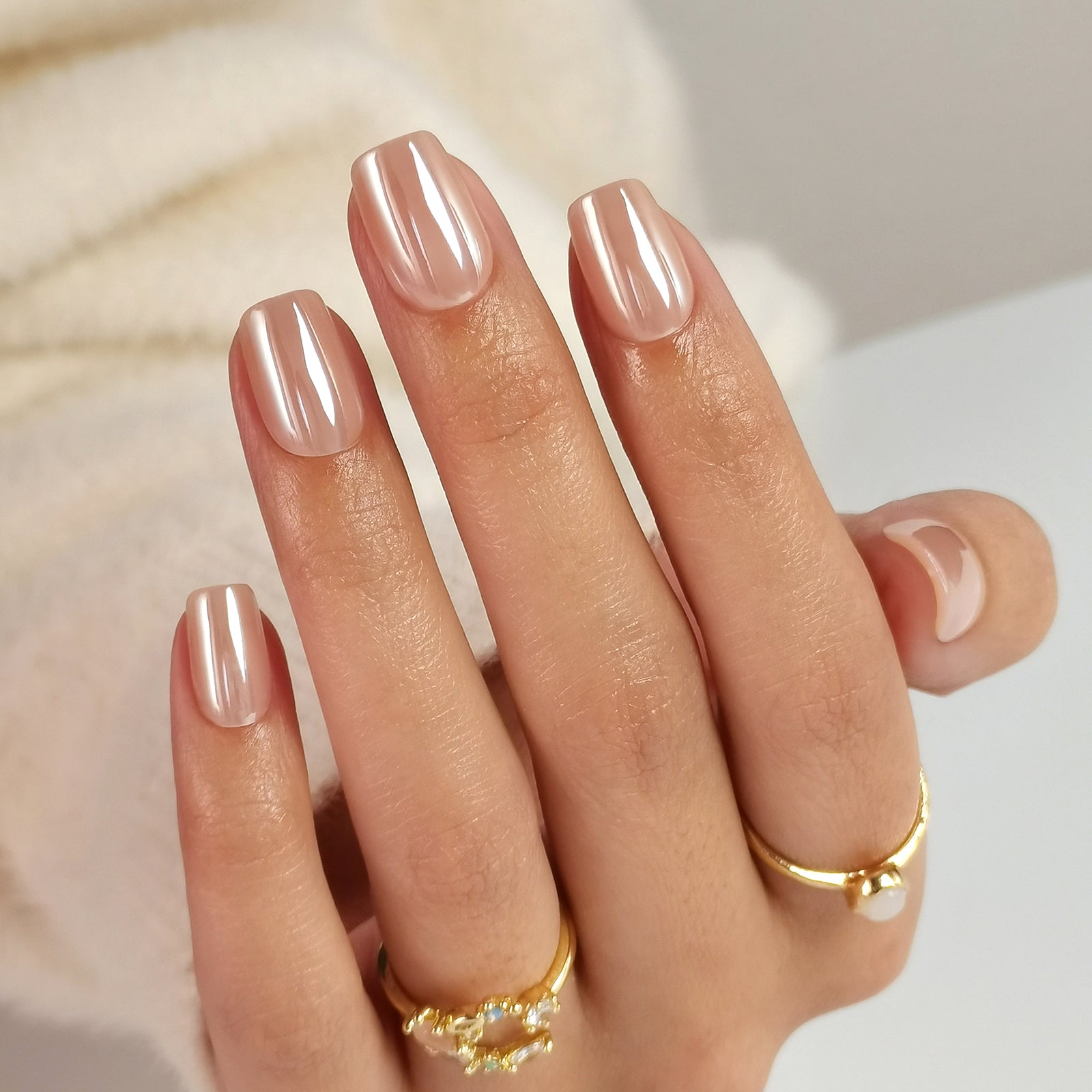

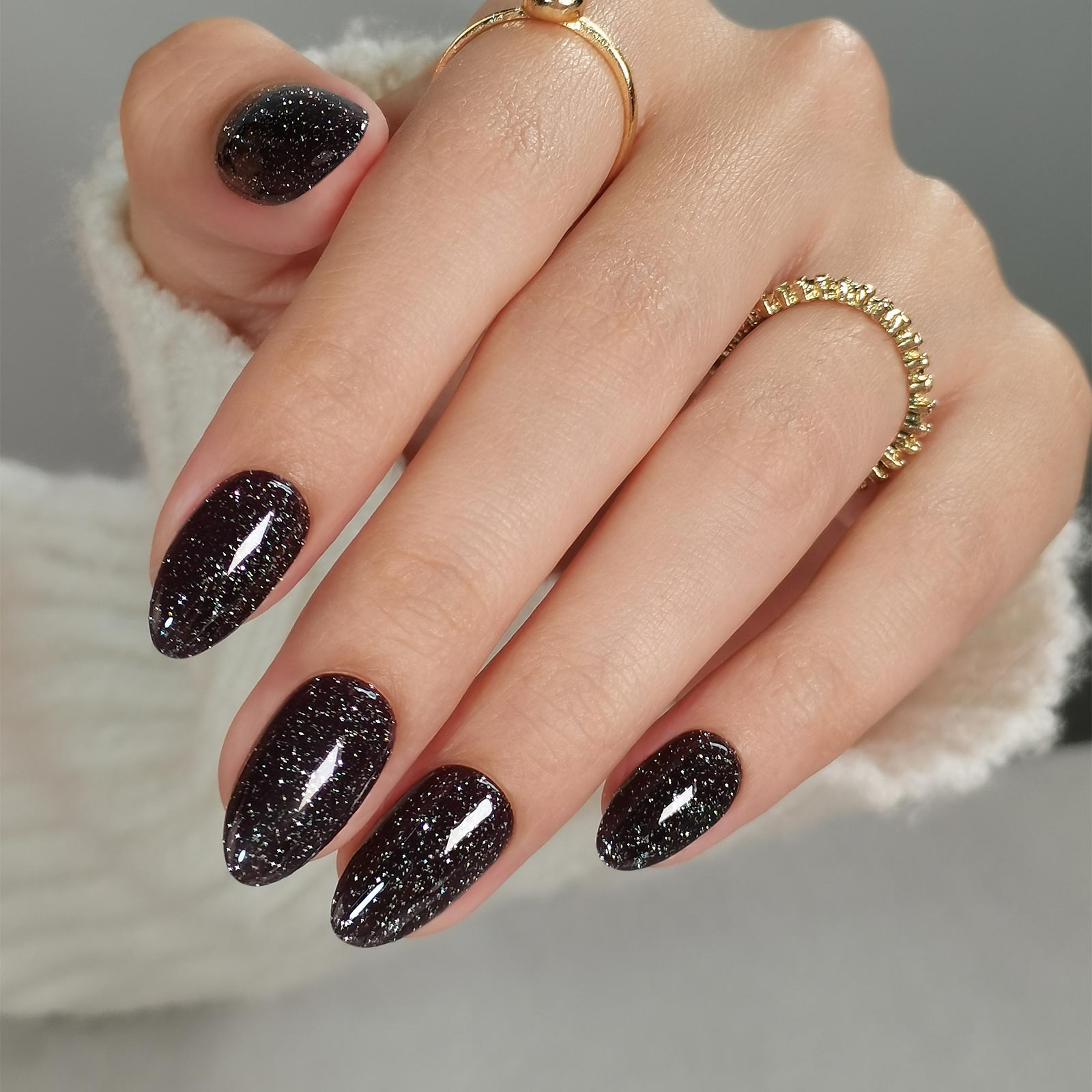
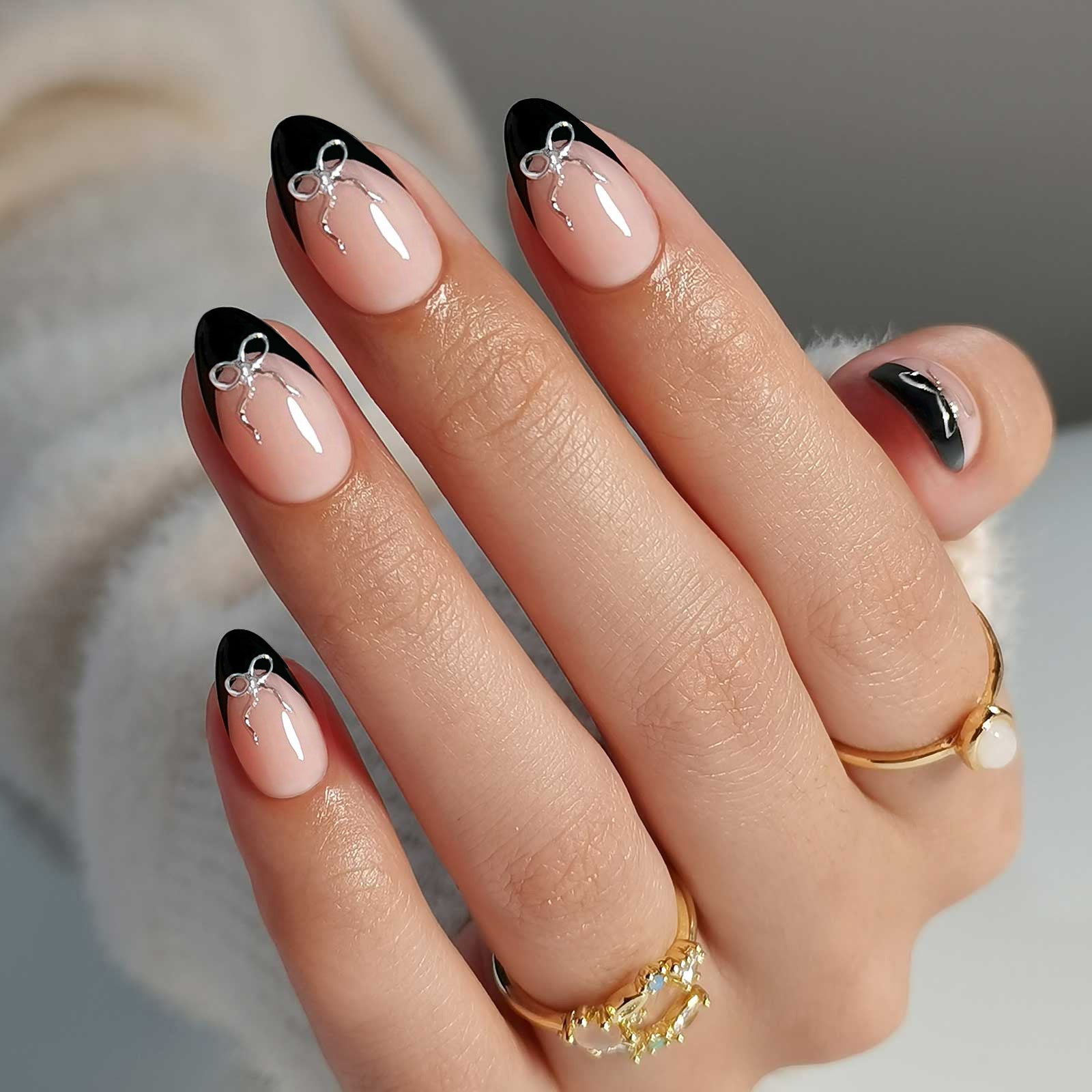


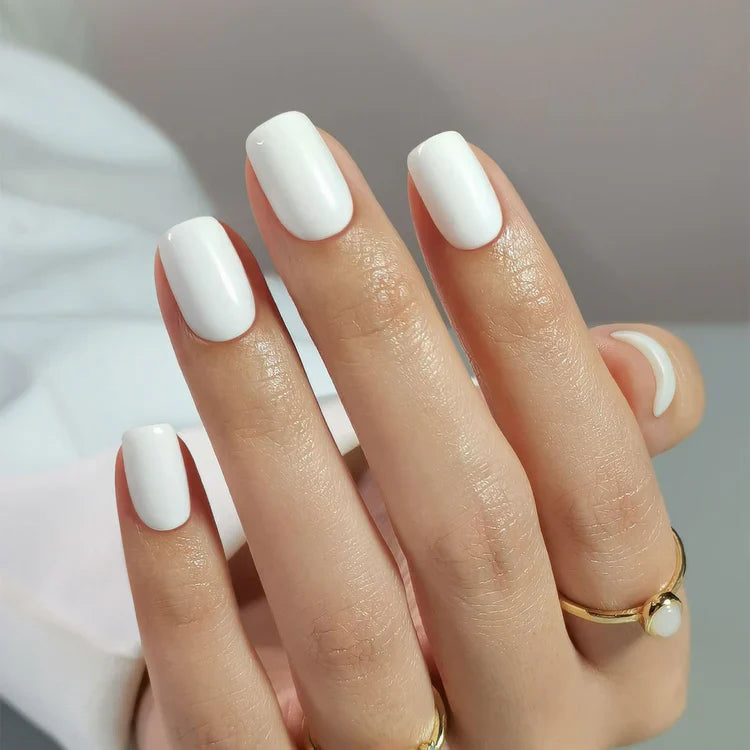





Long Nail Bed: Press-On Fit Guide & Sizing Tips
Written by Elia, SHANGMENG Style Editor
Nail bed length is one of those things you either think about all the time or never — until you try on press-on nails and something doesn't look quite right. The press-ons sit too far from the cuticle. Or they make your fingers look shorter than you expected. Or the sizing guide says size 4 but size 4 doesn't look like size 4 on your hand.
If you have a long nail bed — meaning the distance from your cuticle to where your nail separates from the finger is longer than average — press-on nail sizing works slightly differently for you. This guide explains the anatomy, how to measure correctly, and which shapes and sizes will look best.
Not sure which shape, length, or size fits your natural nails?
Key Takeaways
- Nail bed length is the distance from the cuticle to the hyponychium (where the nail free edge begins) — typically 10–20mm; "long" is generally 16mm or more
- Long nail beds make nails appear more naturally elongated — they're considered aesthetically advantageous because they make any nail shape look elegant and proportional
- Press-on sizing is about width, not nail bed length — the right press-on covers your nail from edge to edge without touching the skin on either side
- Long nail beds benefit from extra attention to cuticle edge alignment during press-on application — the larger the nail plate, the more visible any misalignment is
- SHANGMENG sets include 32 Nail Tips · 16 Sizes — more size variety means a precise width fit even on hands with unusual proportions
What Is a Nail Bed, Exactly?
The nail bed is the skin under the visible nail plate — the pink area beneath the nail that you can see when you look at your hand from above. More precisely, it refers to the tissue that runs from the base of your nail (just past the lunula, the pale crescent) to the point where the nail separates from the finger.
One practical note before the anatomy: understanding your nail bed length helps you get better results whether you're paying $50–70 at a salon for gel extensions or choosing a $10–15 press-on set at home. The fit considerations apply equally to both — but with press-ons, you can adjust sizing between sets without paying a technician to reshape the set.
For broader context, aad.org and aad.org are useful independent references when comparing at-home nail routines with salon-style results.

The key anatomical points:
Cuticle (proximal nail fold) — the visible fold of skin at the base of your nail. This is where press-on nail application starts — alignment here is critical.
Lunula — the white crescent at the base of the nail, visible most clearly on the thumb. This is where new nail cells are produced.
Nail bed — the pink-toned tissue beneath the nail plate, running from the lunula to the hyponychium. This is the structure we refer to as "long" or "short."
Hyponychium — the skin just beneath the free edge of the nail, where the nail plate separates from the finger. This is the boundary point that determines nail bed length.
Free edge — the white, extended portion of the nail that has grown past the fingertip. This is what gets clipped and is separate from the nail bed.
The nail bed doesn't grow — it's a fixed anatomical structure. You're born with the nail bed length you have. What changes as a nail grows is the length of the free edge, not the nail bed.
How Long Is a "Long" Nail Bed?
Nail bed length varies considerably between individuals and even between fingers on the same hand. Here's a rough breakdown:
| Nail bed length | Classification |
|---|---|
| Under 10mm | Short |
| 10–14mm | Average |
| 14–16mm | Moderately long |
| 16mm+ | Long |
To measure your nail bed: use a soft measuring tape or ruler. Place the zero point at the base of your nail (just past the cuticle, where the nail begins). Measure to the point where the nail plate starts to appear white or separated from the skin — this is your hyponychium. This measurement is your nail bed length.
Most people have different nail bed lengths across their fingers. The middle finger typically has the longest nail bed; the pinky the shortest. It's also common to have asymmetry between your dominant and non-dominant hand.
Related: Nail Lengths Explained: From Micro Short to Extra Long
Why Long Nail Beds Are Considered Desirable
Long nail beds are consistently described as aesthetically advantageous in nail care literature and among nail technicians. Here's why.
They make nails look longer. Because the nail bed appears as a solid pink area, a long nail bed extends that "polished" appearance further up the finger. Even very short nails — with zero free edge — look elegant on a long nail bed because there's substantial nail plate visible.
They make nail shapes look more proportional. Almond, coffin, and stiletto shapes are designed with a certain ratio of nail plate to tip in mind. On long nail beds, these shapes look as intended — the proportions work. On very short nail beds, these shapes can look like extensions, because the tip dominates the nail plate.

They show off nail art better. Nail art — gradient, ombre, detailed work — has more surface area to work with on a long nail bed. The same design looks more impactful.
Press-on nails fit more naturally. Because there's more natural nail visible, press-on nails blended onto a long nail bed look more convincing — there's no "just the tip" appearance that can give away a press-on on shorter nail beds.
How Nail Bed Length Affects Press-On Sizing
Here's where the anatomy becomes practical. When people say "sizing" in press-on nails, they almost always mean width — how wide the press-on is at its base. But nail bed length creates a separate consideration: cuticle coverage.
A standard press-on is sized to sit at the cuticle — its base should rest just above the cuticle line, with the press-on covering the full nail plate down to the cuticle edge. If the press-on sits too high (gap between cuticle and press-on base), it looks obviously artificial. If it sits too low (overlapping the cuticle), it will lift prematurely as the skin pushes against the underside of the press-on.
For long nail beds, alignment matters more. With a longer nail plate to cover, there's more vertical distance where misalignment becomes visible. A 1mm positioning error on a 10mm nail bed is barely noticeable; the same error on a 17mm nail bed is clearly visible.
Sizing considerations specific to long nail beds:
-
Width sizing doesn't change. You still select by width — the press-on that covers your nail plate edge to edge without overlapping skin. This is the same regardless of nail bed length.
-
Natural length matters. People with long nail beds often have more natural nail plate to work with, which means press-ons sit on a larger adhesive area — this can actually improve wear time and stability.
-
Nail shapes hit their best proportions. For most people, "medium" press-on lengths look best on long nail beds — because the nail plate is already longer, you don't need as much extension to achieve the look of long nails. Short-length press-ons on long nail beds can look especially elegant and natural.
Which Nail Shapes Flatter Long Nail Beds Most
Because long nail beds already provide length, the choice of nail shape becomes more about overall proportions than about visual elongation.
Almond — the most universally flattering shape on long nail beds
The tapered, oval-pointed almond shape works beautifully on long nail beds because the taper starts from a base with plenty of natural length already present. The result looks proportional rather than exaggerated. Almond is also forgiving of slight sizing variations because the tapered edges don't call attention to the nail width the way square or coffin edges do.
Square — very clean and precise
Square nails make long nail beds look particularly sophisticated. The clean horizontal line at the tip creates a crisp, graphic look when combined with the vertical length of a long nail bed. Best for people who prefer a more minimal, architectural aesthetic.
Oval — the everyday classic
Similar to almond but more rounded, oval nails on long nail beds have a natural, unfussy appearance — they look like well-groomed natural nails rather than nail art. Best for people who want a polished look that doesn't read as "nails."
Coffin — the editorial pick
Long coffin nails on long nail beds can be genuinely striking — the extended shape is meant to look dramatic, and a longer nail bed supports that drama better than a short one does. Best for longer lengths; short coffin on long nail beds can look undersized.
Stiletto — use cautiously
Very pointed stiletto shapes on long nail beds can appear extremely long overall. This is a feature for people who want an extreme look, but a consideration for people who want something that reads closer to natural.


How to Measure for Press-On Nails with Long Nail Beds

The measurement that matters for press-on sizing is always width — not nail bed length. Here's the correct technique:
Step 1: Find the widest point
The widest point of most nails is just above the cuticle line — the very base of the nail plate. This is where you measure.
Step 2: Measure edge to edge
Use a flexible measuring tape or a ruler. Place it across the nail at the widest point, measuring from the skin on one side to the skin on the other. Do not include the skin — measure nail plate only.
Step 3: Record each finger separately
Your fingers will have different widths. Record each one. Thumbs are widest (typically 14–18mm); pinkies are narrowest (typically 9–12mm).
Step 4: Match to size chart
Most press-on size charts are numbered 0–9 or labeled XS–XL. Match your measurement to the closest size. When between sizes, go slightly smaller — you risk the press-on overlapping the skin if you go larger, which creates lifting.
For long nail beds specifically: pay extra attention to cuticle-line alignment during application. Position the press-on so its base sits approximately 0.5mm above your cuticle — close enough that there's no visible gap, but not so close it overlaps the skin fold.
Common Fit Issues on Long Nail Beds (And How to Fix Them)
"The press-on looks too short"
If press-on nails look shorter than expected on your hands, it may be because your nail bed is long relative to the total press-on length. The solution: choose a longer press-on length within your size (most brands offer short/medium/long within each shape). On long nail beds, a medium length often delivers the proportional look that requires a long length on shorter nail beds.
"The press-on curves away from my nail at the tip"
This indicates a curvature mismatch — your natural nail is more curved than the press-on. Apply gentle pressure to the tip for an extra 30 seconds during application. If the issue persists, this shape may not be ideally suited to your nail curvature — try a softer-curved shape.
"The sides lift within a day or two"
Sizing is too wide. Move down one size. On long nail beds, the larger nail plate surface can make sizing feel more forgiving than it is — a press-on that's only marginally too wide will still lift at the edges.
Related: How to Get Rid of False Nails Without Damage
Frequently Asked Questions
What is considered a long nail bed?
A nail bed measuring 16mm or more (from cuticle base to hyponychium, where the free edge begins) is generally considered long. Average nail bed length is 10–14mm. To measure yours, use a flexible measuring tape or ruler along the surface of the nail from the cuticle to where the nail plate starts to look white or separated from the skin.
Do long nail beds affect how press-on nails look?
Yes — in a positive way. Long nail beds provide more natural nail plate for the press-on to sit on, which makes the transition from natural nail to press-on look more seamless. They also mean you often need less nail extension length to achieve the look of long nails, since the nail bed itself provides the visual length.
Can I wear any shape press-on nail on a long nail bed?
Most shapes work well on long nail beds. Almond and oval are especially flattering because they complement the natural elongation. Square and coffin work well for a more structured look. Very short coffin can occasionally look undersized on very long nail beds — if this happens, try medium length in the same shape. Stiletto on long nail beds creates an exceptionally dramatic look, which is great if that's the goal.
Why do my press-on nails always lift at the cuticle area?
Lifting at the cuticle (the base of the press-on) usually means either the cuticle wasn't fully pushed back before application, there's skin overlapping the nail plate at the base, or there's moisture trapped under the press-on from incomplete surface prep. Make sure to push cuticles back with a cuticle pusher, use an alcohol prep pad, wait 30 seconds for it to dry completely, then align the press-on base 0.5mm above the cuticle line — not touching the skin fold.
Long nail beds are genuinely an advantage in the press-on world — they provide natural length, create more adhesive surface area, and make almost any shape look proportional. The main fit consideration is alignment rather than sizing: with more nail plate to cover, precision in positioning pays off more than it does on shorter nail beds.
Share