













Why Do My Nails Curve Down? Causes & What You Can Do
Why Do My Nails Curve Down? 6 Common Causes & What You Can Do
Key Takeaways: Nails curving downward is usually caused by genetics, aging, or repeated nail damage — and is rarely a sign of serious illness. Mild curving is normal and doesn't require treatment. If the curving is sudden, painful, or accompanied by discoloration, see a doctor. Press-on nails can cosmetically mask curved nails while protecting them as they grow out.
If you've noticed your nails bending or curving downward at the tips — like they're wrapping around your fingertip — you're not alone. This is one of the most commonly searched nail health questions, and the answer is usually simpler than you'd expect.
6 Reasons Your Nails Curve Downward
1. Genetics (Most Common)
Nail shape is largely inherited. If your parents or grandparents have nails that curve at the tips, yours likely will too. This is the most common cause and is completely harmless — it's just how your nails grow.
Genetically curved nails tend to: - Be consistent across all fingers - Have been present since childhood or teenage years - Not change suddenly
2. Long Nails + Thin Nail Plate
When nails grow past the fingertip, gravity and daily use cause them to curve downward — especially if the nail plate is naturally thin. This is why you might notice curving more when your nails are long and less when you trim them short.
The physics: A natural nail plate is only 0.5-0.8mm thick. Once it extends 3-5mm past the fingertip, the unsupported tip acts like a diving board — bending under its own weight and from 5,000+ daily keystrokes and everyday gripping.
3. Repeated Nail Damage
Years of acrylic nails, gel manicures, or aggressive filing can thin the nail plate over time. Thinner nails are more flexible and more prone to curving. The American Academy of Dermatology notes that repeated salon treatments are a leading cause of nail thinning in women.
Signs of damage-related curving: - Curving that started after years of salon manicures - Nails feel thinner or more flexible than before - White spots or peeling on the surface
4. Aging
As we age, nails naturally become drier, more brittle, and may develop more curvature. This is normal and happens gradually over decades. The nail growth rate also slows — from about 3.5mm/month in your 20s to about 2mm/month in your 60s.
5. Iron Deficiency (Spoon Nails)
In some cases, nails that curve upward (like a spoon) rather than downward can indicate iron deficiency anemia. This is called koilonychia and is a medical condition that requires a doctor's evaluation and blood work.
Note: Nails curving downward is rarely related to iron deficiency. That's an upward curve.
6. Clubbing (Rare — See a Doctor)
Nail clubbing is when the fingertips swell and the nails curve dramatically around them, looking bulbous. This can be a sign of: - Lung disease - Heart conditions - Liver disease - Inflammatory bowel disease
When to see a doctor: If your nails have changed shape suddenly (over weeks/months, not years), especially with swelling of the fingertips, pain, or discoloration.


What You Can Do About Curved Nails
For Mild, Genetic Curving (No Treatment Needed)
Most nail curving is cosmetic, not medical. If your nails have always curved slightly and it doesn't cause pain:
- Keep nails shorter — Less unsupported length = less visible curving
- Moisturize — Apply cuticle oil daily to keep nails flexible (not brittle)
- Biotin supplement — Some evidence suggests biotin (2.5mg/day) may strengthen thin nails, though results take 3-6 months (NIH Office of Dietary Supplements)
- Avoid harsh chemicals — Wear gloves for cleaning, limit acetone exposure
For Damage-Related Curving
If salon treatments thinned your nails:
- Stop acrylic/gel for 3-6 months — Let nails grow out completely
- Use nail strengthener — Products with keratin or calcium help rebuild
- Apply cuticle oil 2-3x daily — Rehydrates the nail plate
The Press-On Nail Solution
Press-on nails can help curved nails in two ways:
-
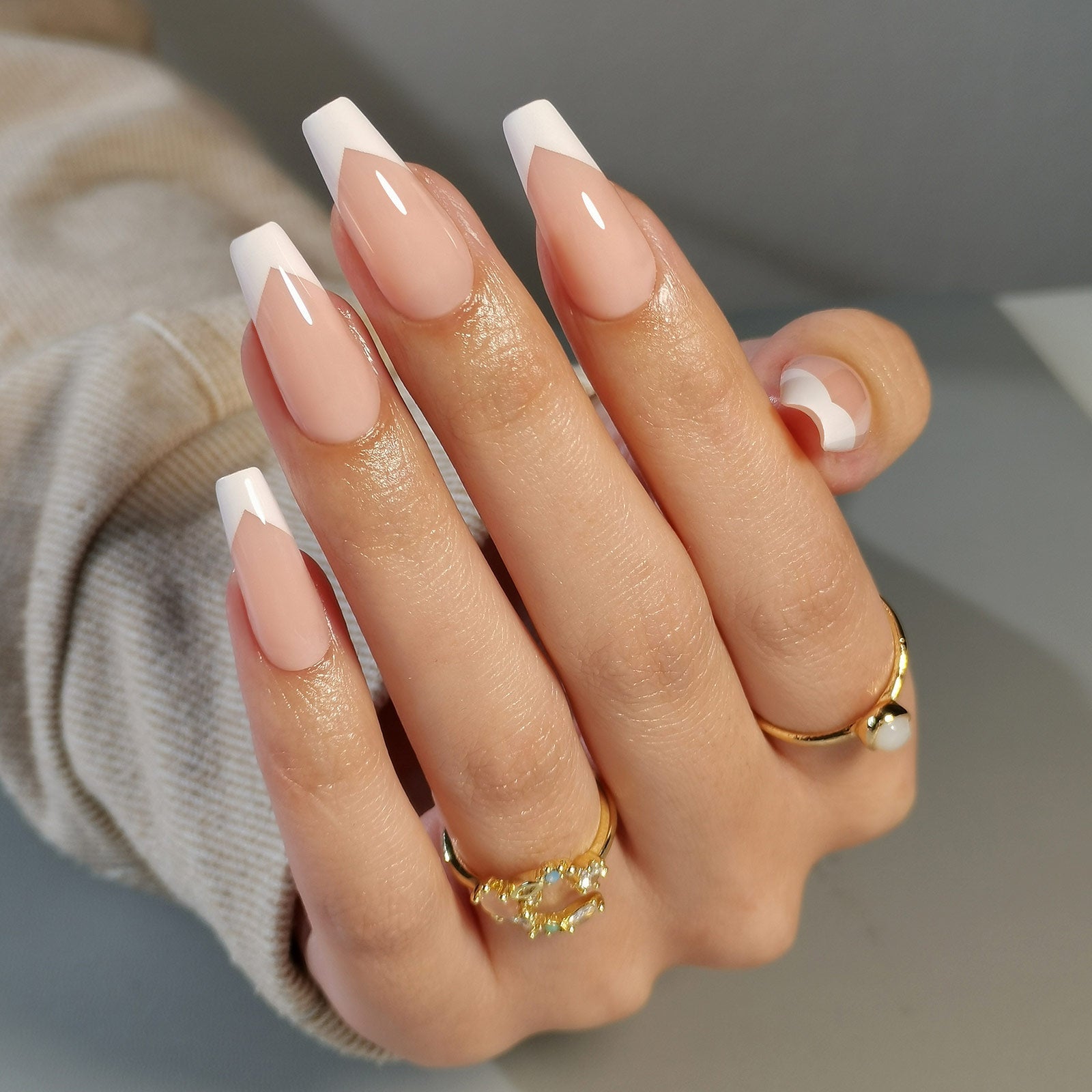
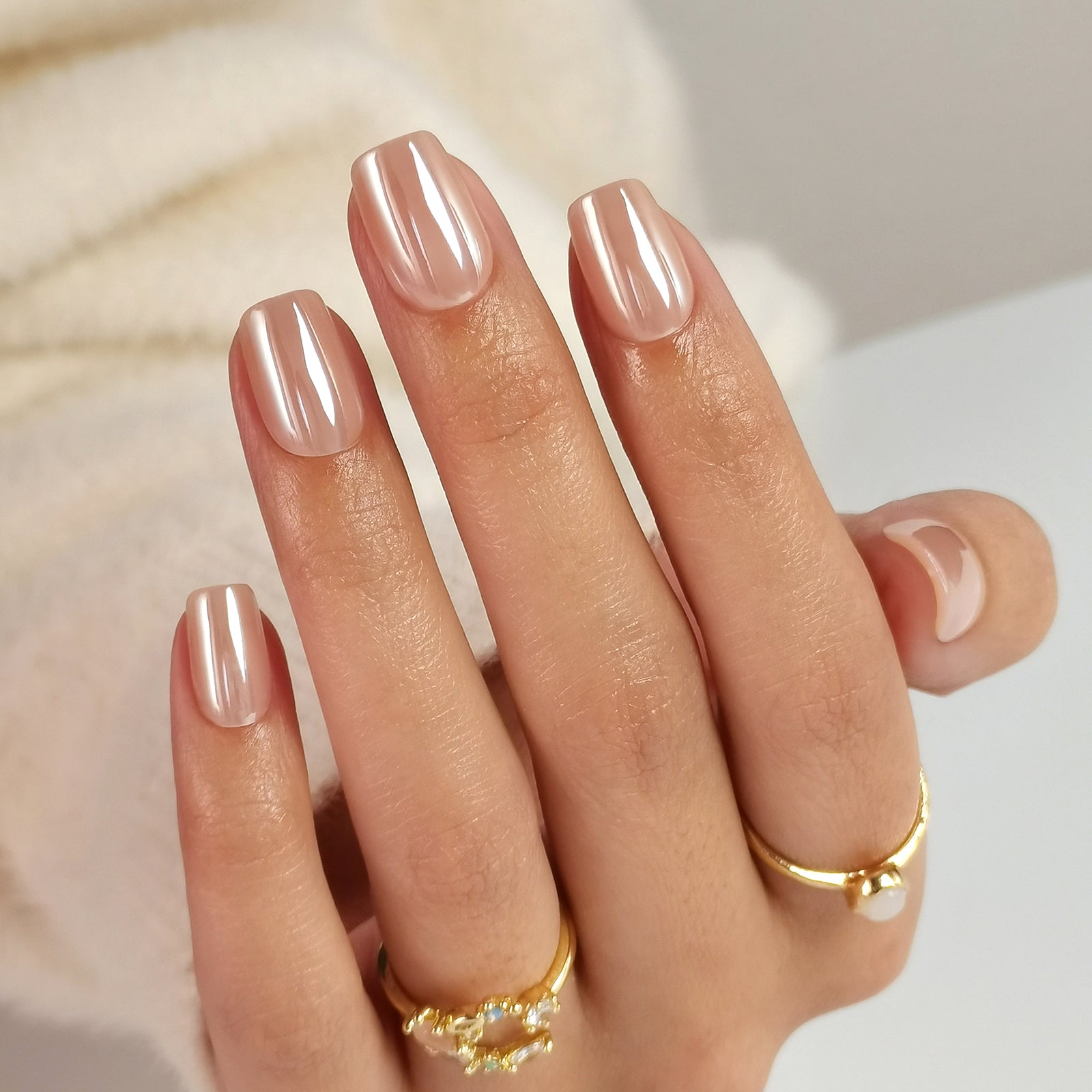
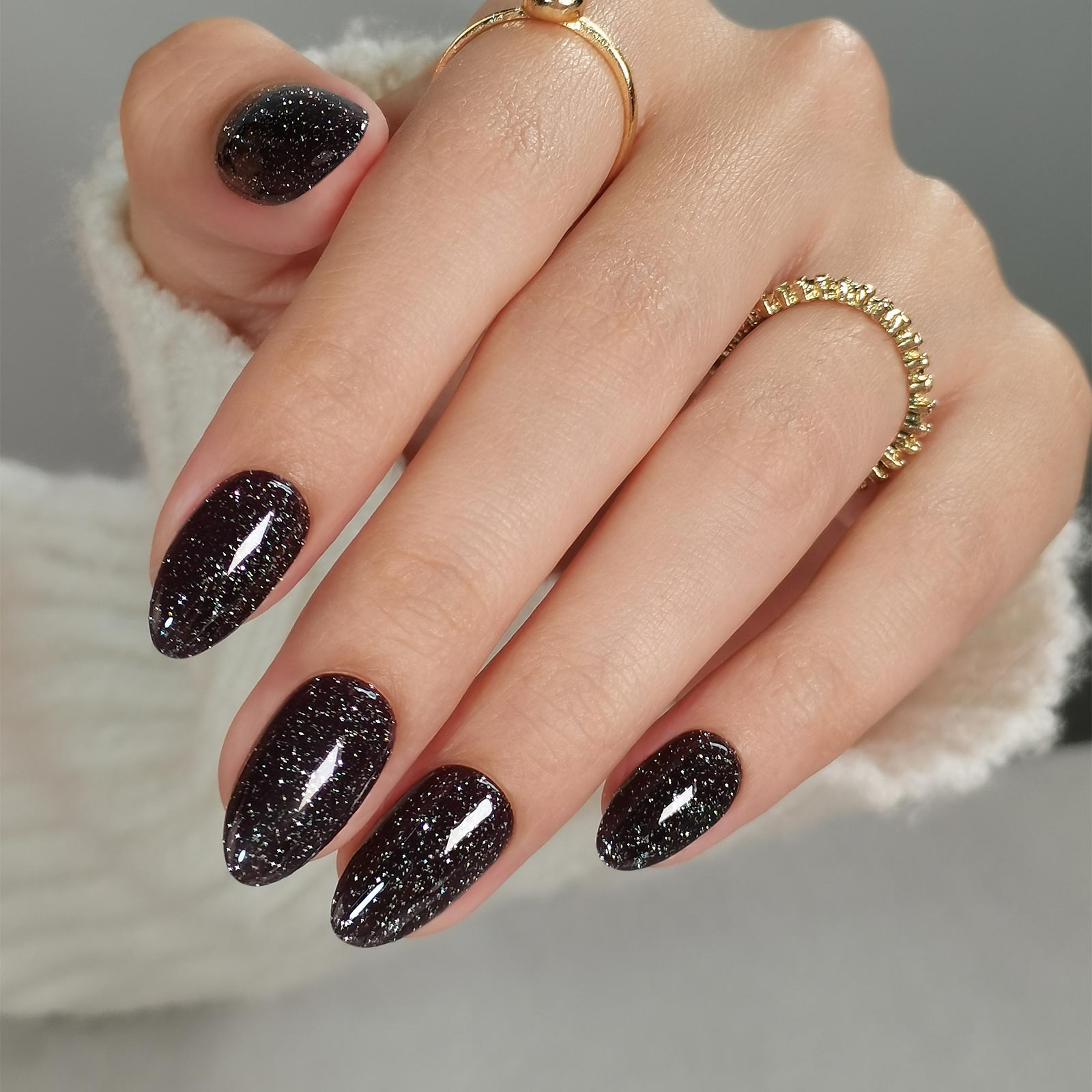
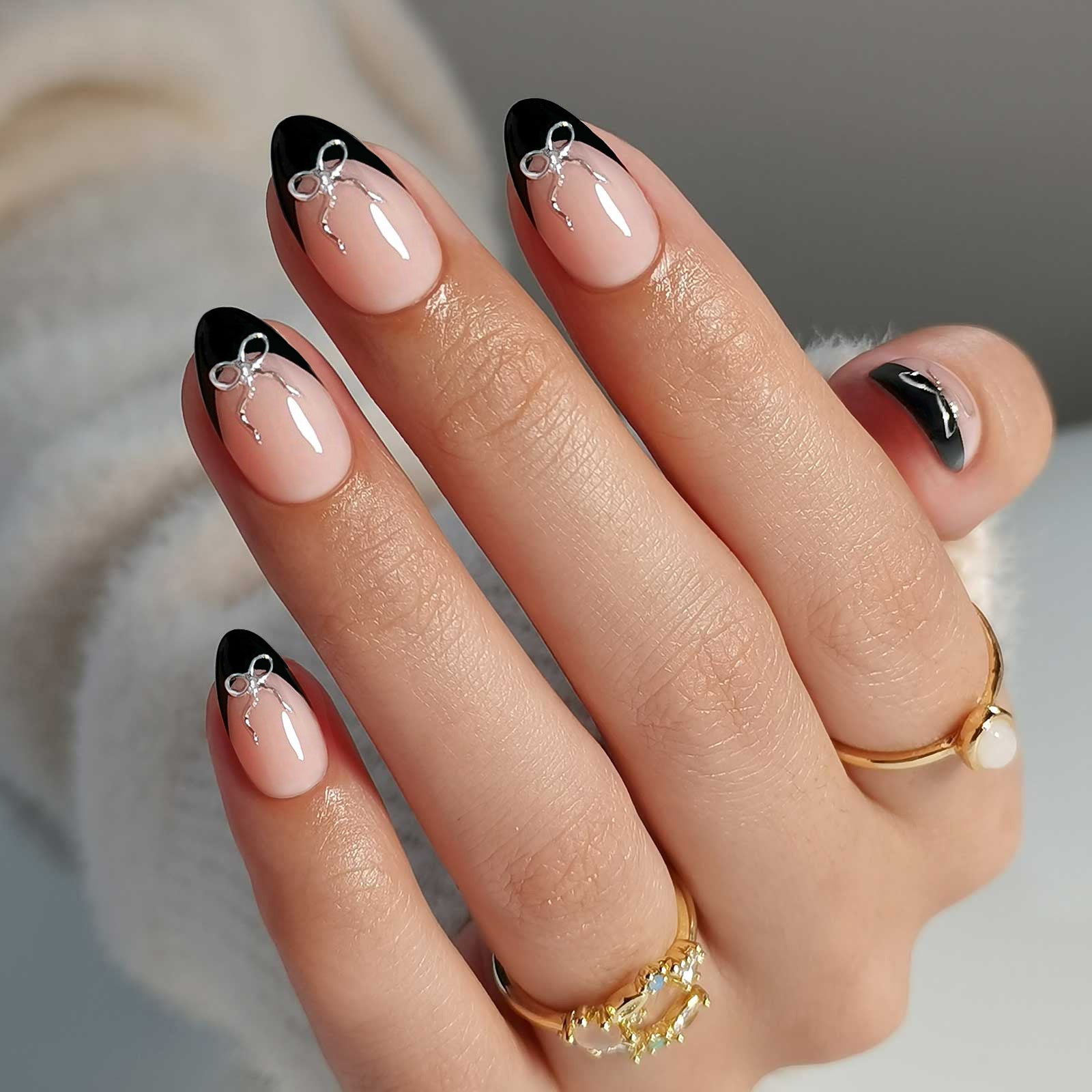
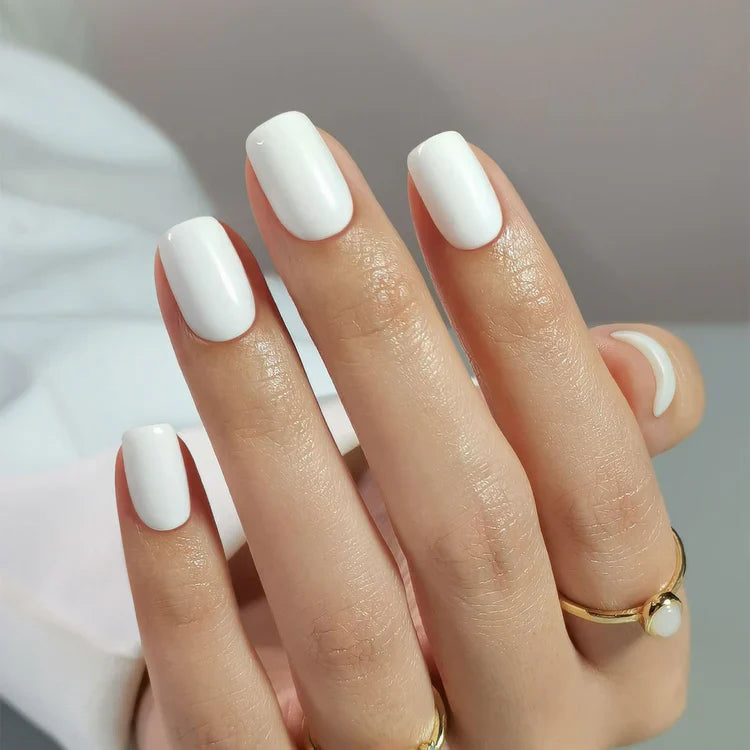
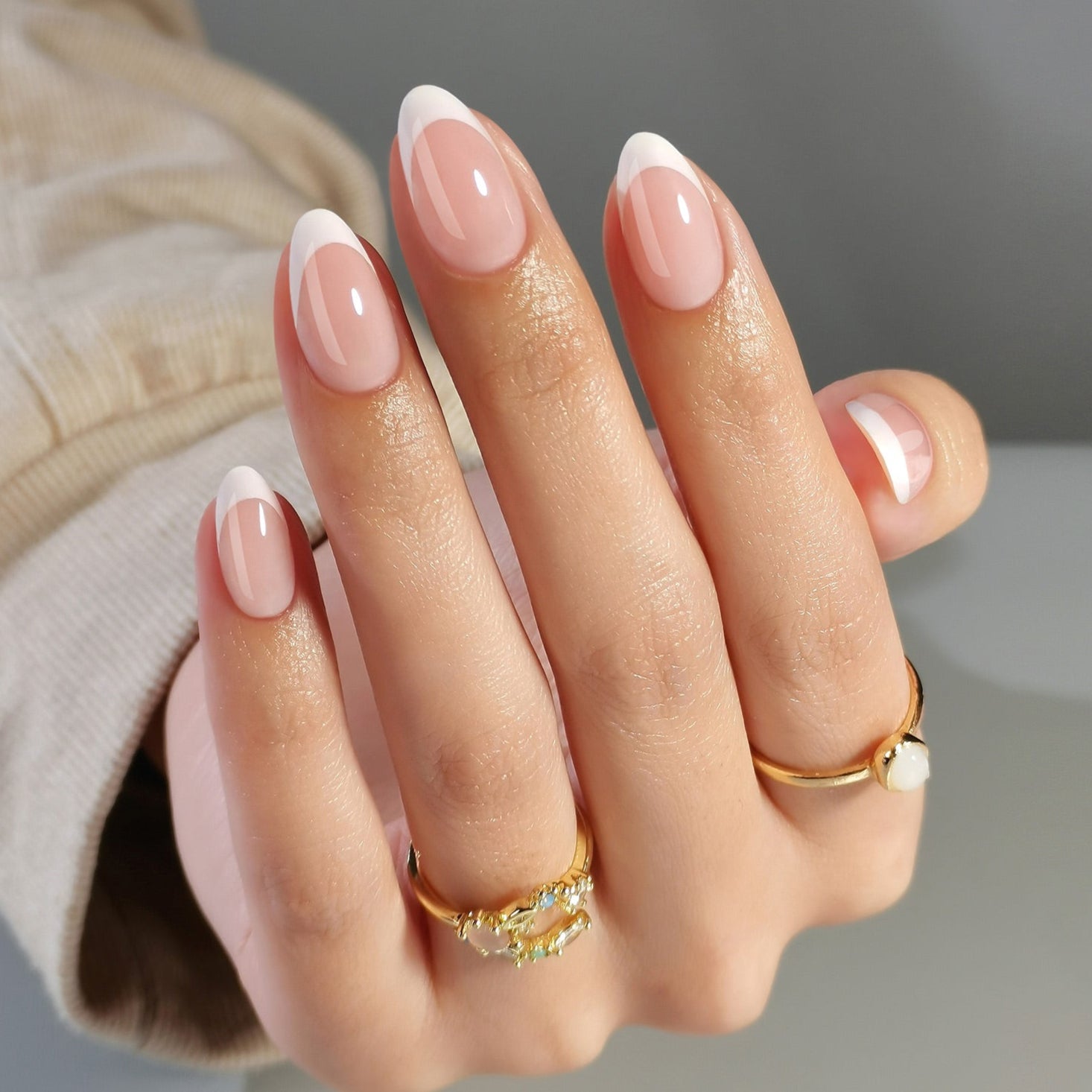
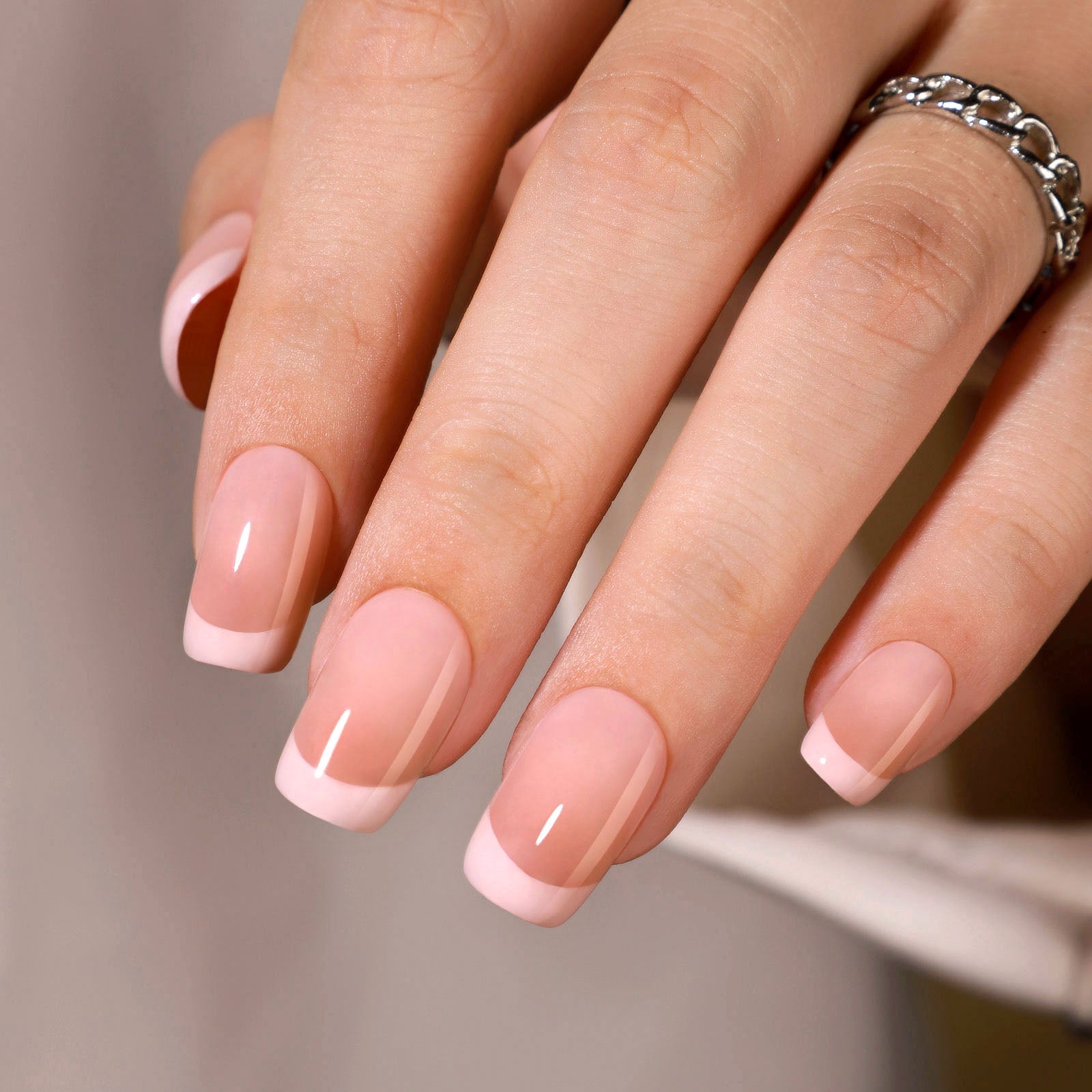
Cosmetic cover — A well-fitted press-on nail sits flat on the nail bed, visually masking the underlying curve. Nobody can see the natural nail underneath.
-
Protection during recovery — If you're growing out damaged nails, press-ons protect the thin nail plate from further damage while it strengthens. The adhesive layer creates a shield without the chemical damage of acrylic.
Sizing tip for curved nails: Choose the correct width and use nail glue (not adhesive tabs) for a stronger bond that accommodates the curve. Apply from the cuticle and press firmly at the center to conform the press-on to your nail shape.
Still worried press-ons will make the problem worse? Use the safety checks above first, then choose a gentle set you can remove without picking.


"These are some of the nicest press on nails I've ever used. The curve fits my nail bed nicely, and so far they've held up well to everyday wear and tear." — Deirdre C Schaneman, Verified Buyer ⭐⭐⭐⭐⭐
"They're not flimsy and they curve to fit your actual nail!" — DLPR, Amazon Verified Purchase ⭐⭐⭐⭐⭐ (2 helpful)
Related: Press-On Nails for Beginners | How to Choose the Right Size


When to See a Doctor
See a healthcare provider if you notice:
- ⚠️ Sudden change in nail shape (weeks, not years)
- ⚠️ Fingertip swelling (bulbous tips = possible clubbing)
- ⚠️ Discoloration (yellow, blue, or dark lines under the nail)
- ⚠️ Pain around or under the nail
- ⚠️ Nails separating from the nail bed
For most people, curved nails are just a cosmetic characteristic — like having straight hair or curly hair. They don't indicate a health problem.
Related SHANGMENG Guides
These guides go deeper on the styles, fit, and application details mentioned above:
FAQ
Q: Is it normal for nails to curve down as they grow? A: Yes, it's very common and usually normal. As nails extend past the fingertip, the unsupported portion naturally curves downward due to gravity and daily contact. This is especially noticeable with thin or long nails. If the curving has been consistent throughout your life, it's almost certainly genetic and harmless.
Q: Can press-on nails fix curved nails? A: Press-on nails don't "fix" the underlying curve, but they provide an excellent cosmetic solution. A well-fitted press-on nail sits flat over your natural nail, creating a smooth, straight appearance. They also protect thin or damaged nails while they recover. Use nail glue rather than adhesive tabs for the best bond on curved nail surfaces.
Q: Do curved nails mean I'm unhealthy? A: In the vast majority of cases, no. Nail curving is usually genetic, age-related, or caused by nail damage from salon treatments. The only type of nail curving that may indicate a health issue is sudden-onset "clubbing" — where the fingertips swell and nails curve dramatically around them. If you're concerned, a simple doctor's visit can rule out any underlying conditions.
Protect your nails while they recover
Salon treatments that caused the damage cost $50-80 per visit. Press-on nails at $10-15 per set are the gentlest way to look great while your natural nails grow back stronger — and they won't thin your nails further.
Related: How to Remove Press-On Nails Safely
Share