













Why Are My Fingernails Clear? Causes & What to Do
Written by Sophie, SHANGMENG Nail Health Specialist
If your fingernails look clear, glassy, or almost see-through — to the point where you can see your nail bed more than usual — you're not imagining it. Nail transparency is a real and observable change, and it has a range of causes from completely normal to genuinely worth investigating.
The short answer: most clear or transparent nails are the result of natural thinning (from age), low biotin levels, or overexposure to water and harsh chemicals. A small percentage reflect underlying health conditions. Here's how to tell the difference.
Key Takeaways
- Mildly transparent nails are normal — nail plates have some natural translucency, and this varies by genetics, hydration, and age
- Increasing transparency with thinning and brittleness is the most common complaint and is usually linked to biotin deficiency, frequent water exposure, or chemical contact
- Sudden or significant nail transparency alongside other symptoms (pale skin, fatigue, or changes in nail texture) warrants a doctor's visit
- Nail bed color showing through the nail is normal — what's not normal is the nail becoming so thin it appears almost invisible
- Protective nail solutions (press-on nails or nail hardeners) can shield the nail while natural nail health is addressed
What Determines Normal Nail Color?
Healthy nails are naturally semi-transparent. The pinkish color most people associate with healthy nails isn't the nail plate itself — it's the nail bed (the vascular tissue underneath) showing through the translucent nail plate. The white area at the base (the lunula) is where new nail cells are still maturing and are less transparent.
A nail's apparent "color" is therefore determined by three factors: 1. The thickness of the nail plate — thicker nails appear more opaque 2. The color of the nail bed — reddish-pink from blood vessels beneath 3. Hydration of the nail plate — well-hydrated nails are more opaque; dehydrated nails become more transparent
When nails appear "too clear" or unusually transparent, it's typically because the nail plate has thinned, the nail is dehydrated, or the nail bed has changed color — each of which has different causes.

Cause 1: Natural Thinning With Age
Nail plate thickness decreases naturally with age. According to the American Academy of Dermatology (AAD), nail growth rate slows after age 25 and continues to decline through later decades — and as nails grow more slowly, the individual cells of the nail plate are produced with slightly less density.
This is the most common cause of nails that appear clearer or more translucent than they did in younger years. The change is gradual, symmetrical (affects all nails equally), and consistent — which distinguishes it from pathological causes.
Reference: AAD — Nail Care Secrets
What to do: Age-related nail thinning responds well to nail hardeners (formaldehyde-free versions applied as a base coat), reduced water exposure, and dietary attention to biotin, collagen, and protein.
Cause 2: Biotin (Vitamin B7) Deficiency
Biotin — also called vitamin B7 or vitamin H — is the micronutrient most directly associated with nail plate formation. Research published in the Journal of the American Academy of Dermatology found that biotin supplementation (2.5mg per day) increased nail thickness by approximately 25% in participants with brittle, thin nails.
Reference: NIH — Biotin Fact Sheet
Biotin deficiency in adults is relatively rare in people with varied diets, but it's seen more frequently in: - People who consume large amounts of raw egg whites (which bind biotin) - Individuals with inflammatory bowel conditions that impair nutrient absorption - Those on extended antibiotic courses that reduce gut bacteria biotin synthesis - People with very restricted diets
Signs of biotin insufficiency beyond thin nails include: hair thinning, dry skin around the mouth, and fatigue.
What to do: Dietary sources rich in biotin include eggs (cooked), salmon, avocado, nuts, and sweet potato. If dietary modification isn't sufficient, discuss supplementation with your physician before starting — biotin supplements can interfere with certain laboratory tests (particularly thyroid function and cardiac markers).
Cause 3: Overexposure to Water and Chemicals

Nails absorb water and expand when wet, then lose moisture and contract when dry. Repeated cycles of wetting and drying — particularly with hot water, which strips the nail's natural oils more aggressively — progressively weaken the nail plate structure. The nail cells (onychocytes) become disrupted in their layered arrangement, and the nail appears thinner and more transparent.
This is extremely common in: - Healthcare workers who scrub hands frequently - Swimmers and water sports athletes - Domestic workers and parents with young children - People who use nail polish remover (particularly acetone-based) more than twice monthly
Harsh cleaning products, hand sanitizers used very frequently, and commercial dish soaps accelerate this effect beyond water alone.
What to do: Wear gloves during dishwashing and cleaning. Apply cuticle oil twice daily (jojoba or argan base absorbs fastest). Use acetone-free nail polish remover. After washing hands, apply a hand cream or cuticle balm rather than air-drying.
Cause 4: Protein Deficiency
Nail plates are composed almost entirely of a protein called keratin. When total dietary protein intake is severely inadequate — common in extremely restrictive diets, eating disorders, or prolonged illness — the body deprioritizes keratin production for nails (a non-vital tissue) in favor of maintaining muscle and organ function.
The resulting nails may appear thin, transparent, or pale, and may also become brittle and slow-growing. This is less common than biotin insufficiency and is usually accompanied by hair changes (diffuse thinning) and muscle weakness.
What to do: In most diets that include animal products, protein deficiency sufficient to affect nails is unlikely. In plant-based diets, ensure adequate total protein and particularly complete amino acid profiles through complementary proteins (legumes + grains) or protein supplementation.
Cause 5: Medical Conditions That Affect Nails
A smaller percentage of clear or transparent nails reflect underlying systemic conditions. These are worth knowing about — not to cause alarm, but to recognize when nail changes should prompt a medical conversation.
Alopecia areata: This autoimmune condition primarily affecting hair can also cause nail changes including thinning, pitting, and altered nail plate structure. Nails may appear more translucent than usual alongside hair loss.
Terry's nails: Characterized by nails that appear almost entirely white or opaque rather than transparent, with only a narrow pink strip at the free edge. Associated with liver disease, congestive heart failure, and diabetes. Note: Terry's nails are white/opaque, not clear — this is the opposite of transparency and worth distinguishing.
Anemia: Iron deficiency anemia can cause pale nail beds that make the nail appear more translucent, alongside paleness of the skin and mucous membranes.
Reference: NIH — Nail Changes in Systemic Disease

Normal vs. Concerning: How to Tell the Difference
| Sign | Likely Benign | Worth Investigating |
|---|---|---|
| Appearance | Mildly translucent, stable | Increasingly clear over weeks/months |
| Affected nails | All nails equally | One or two nails only |
| Texture | Smooth surface, normal thickness | Pitting, ridges, or very thin/flexible |
| Associated symptoms | None | Fatigue, hair loss, pale skin, or pain |
| Duration | Lifelong or very gradual | Noticeable change in last 3-6 months |
A simple rule: gradual + symmetric + no other symptoms = likely normal. Rapid + asymmetric + accompanied by other changes = see a doctor.
Protecting and Improving Clear or Thin Nails
While addressing the underlying cause, practical steps protect the nail plate from further thinning:
- Keep nails shorter: Thinner nails break more easily at length. Shorter nails are less likely to catch and peel.
- Apply nail hardener: Formaldehyde-free nail hardeners (Nailtiques Formula 2 is frequently recommended by dermatologists) strengthen the existing nail plate without causing brittleness.
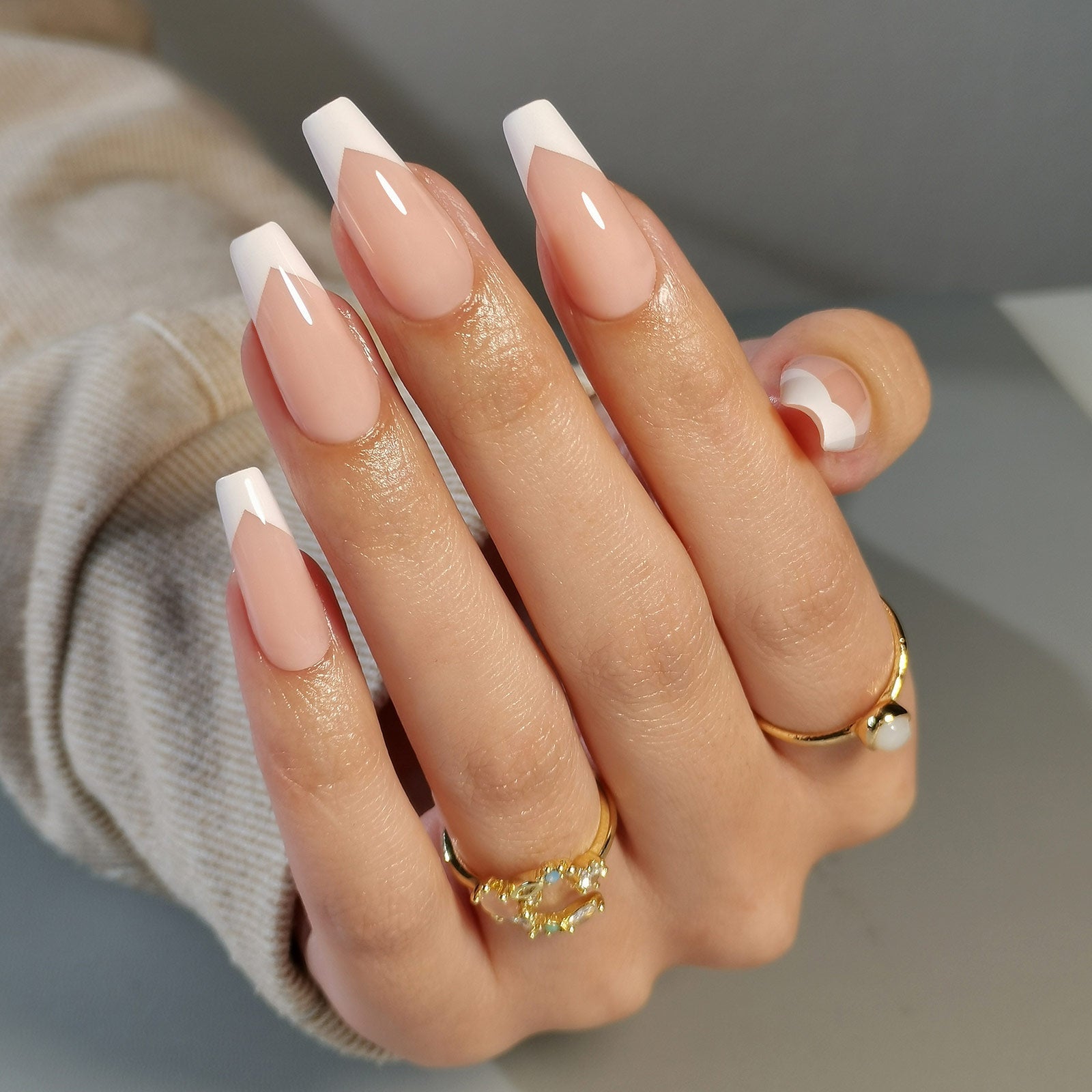
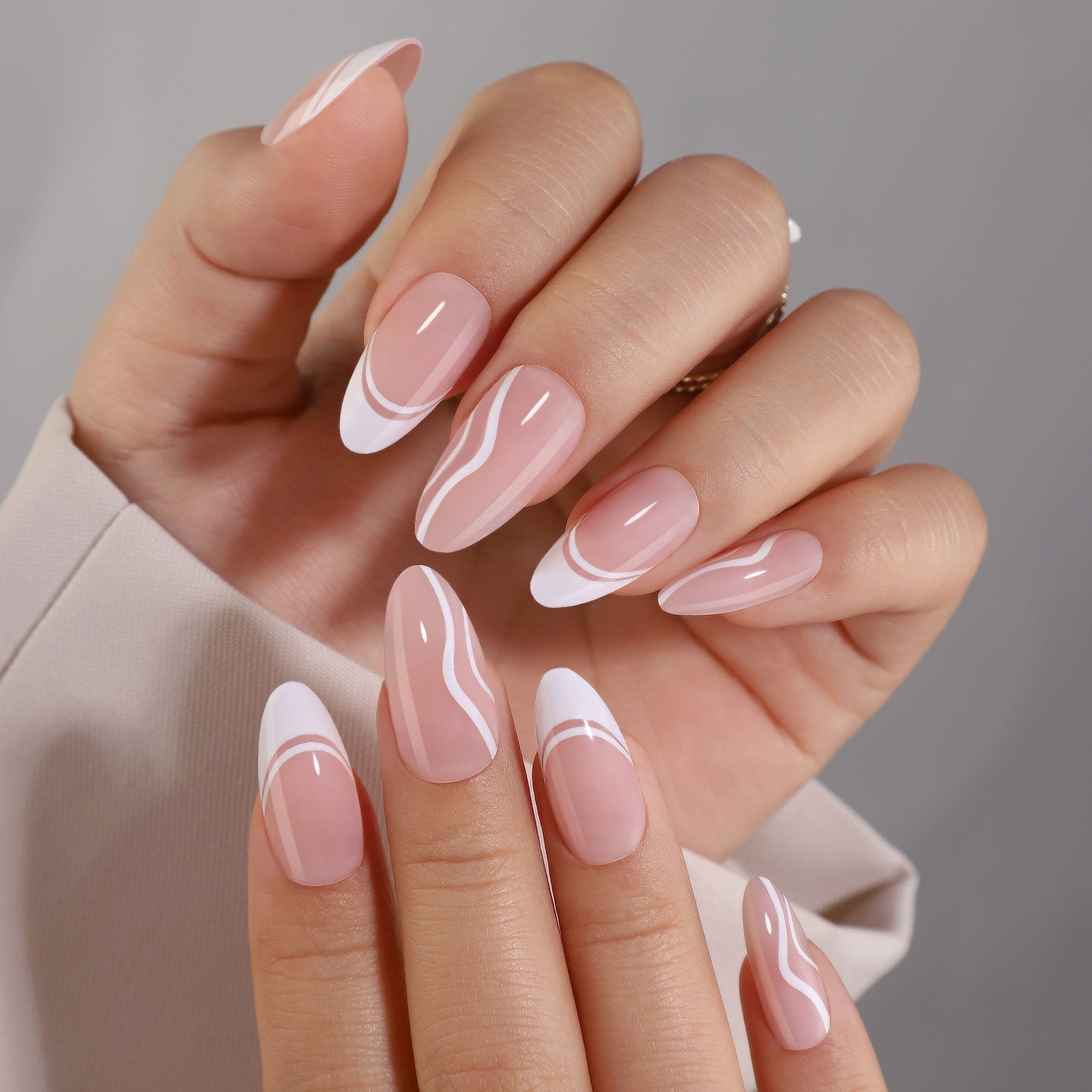
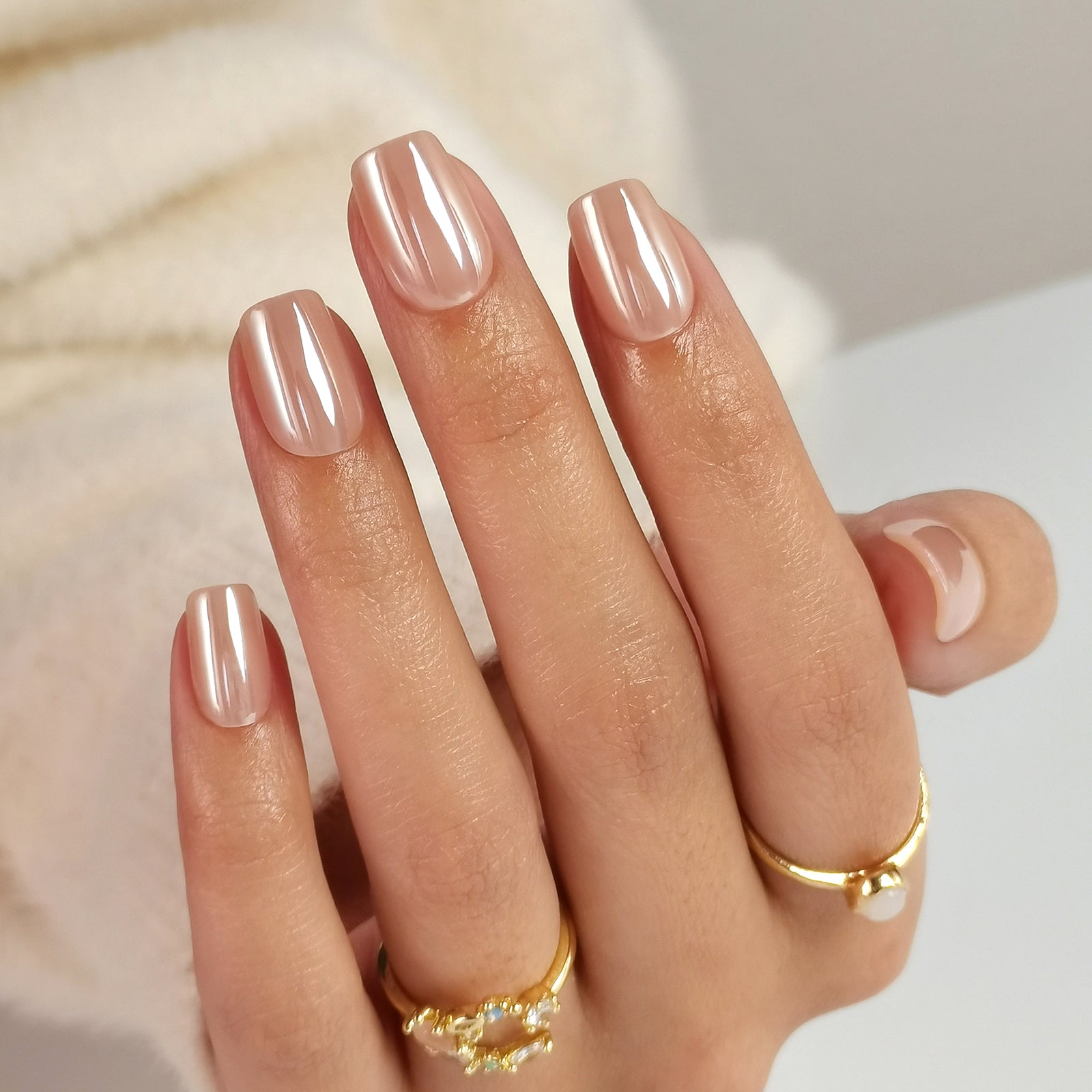
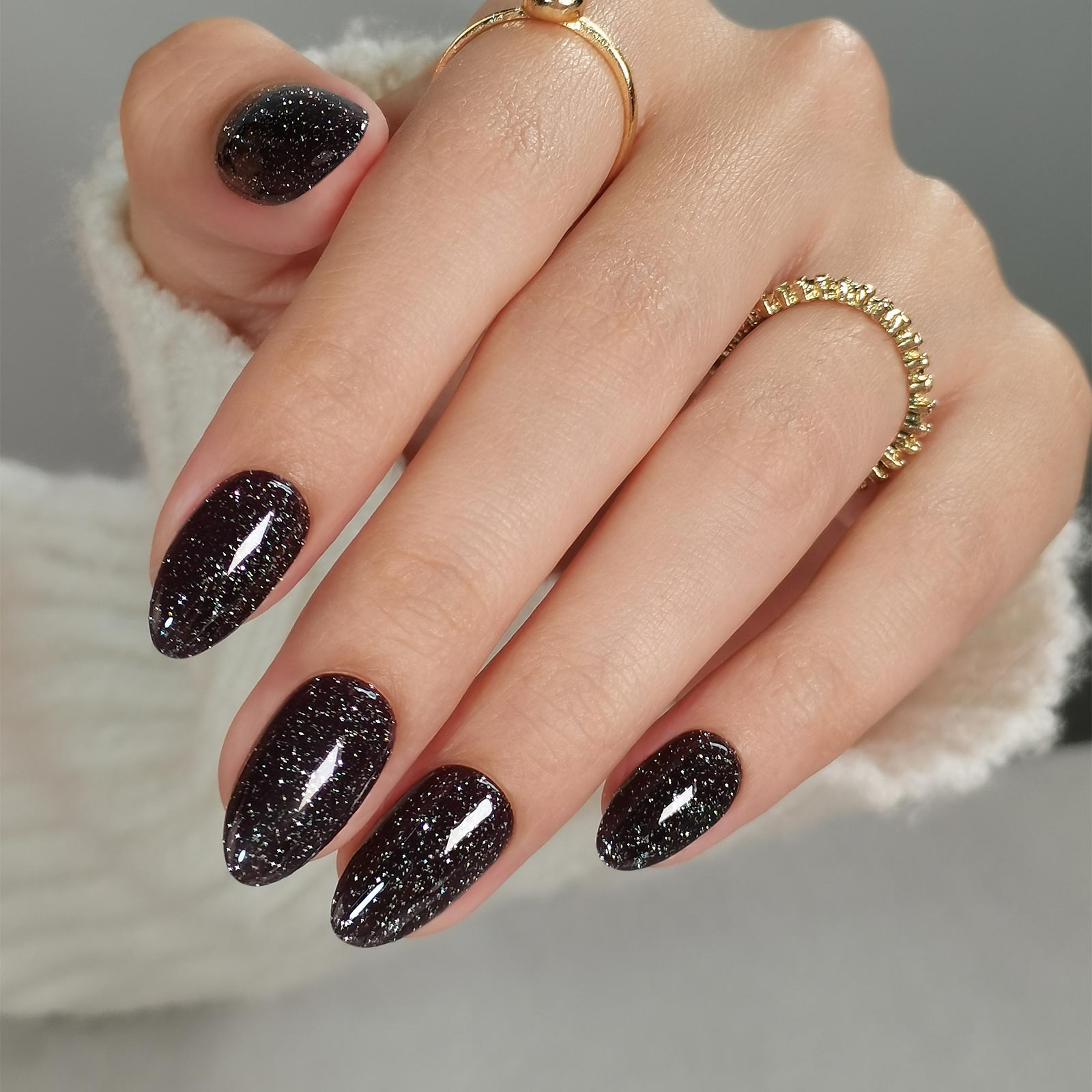
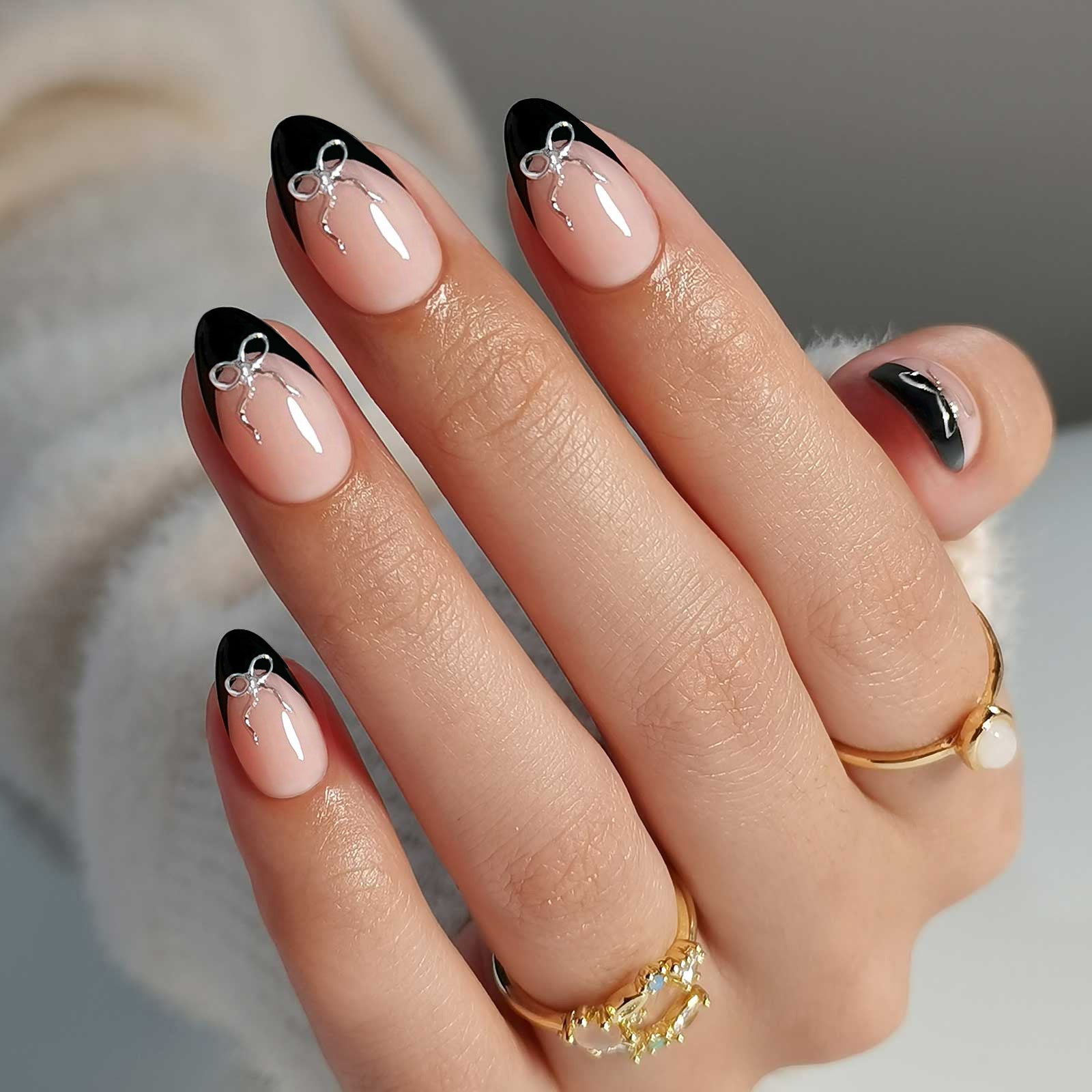
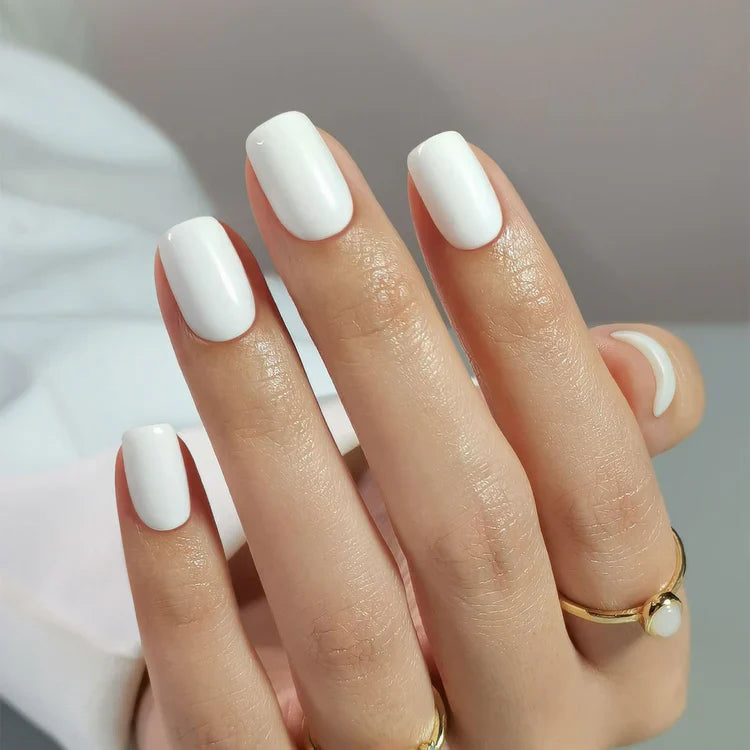
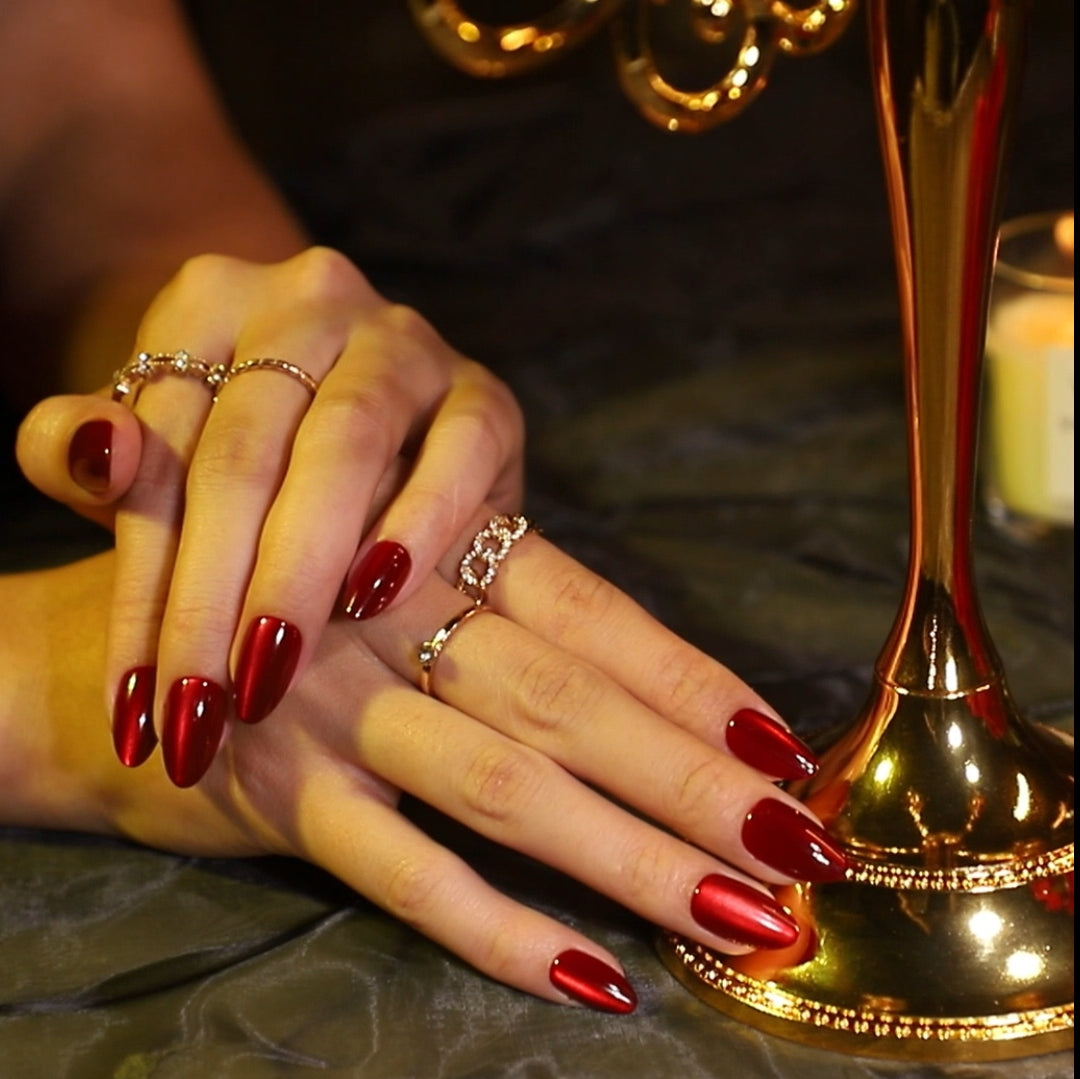
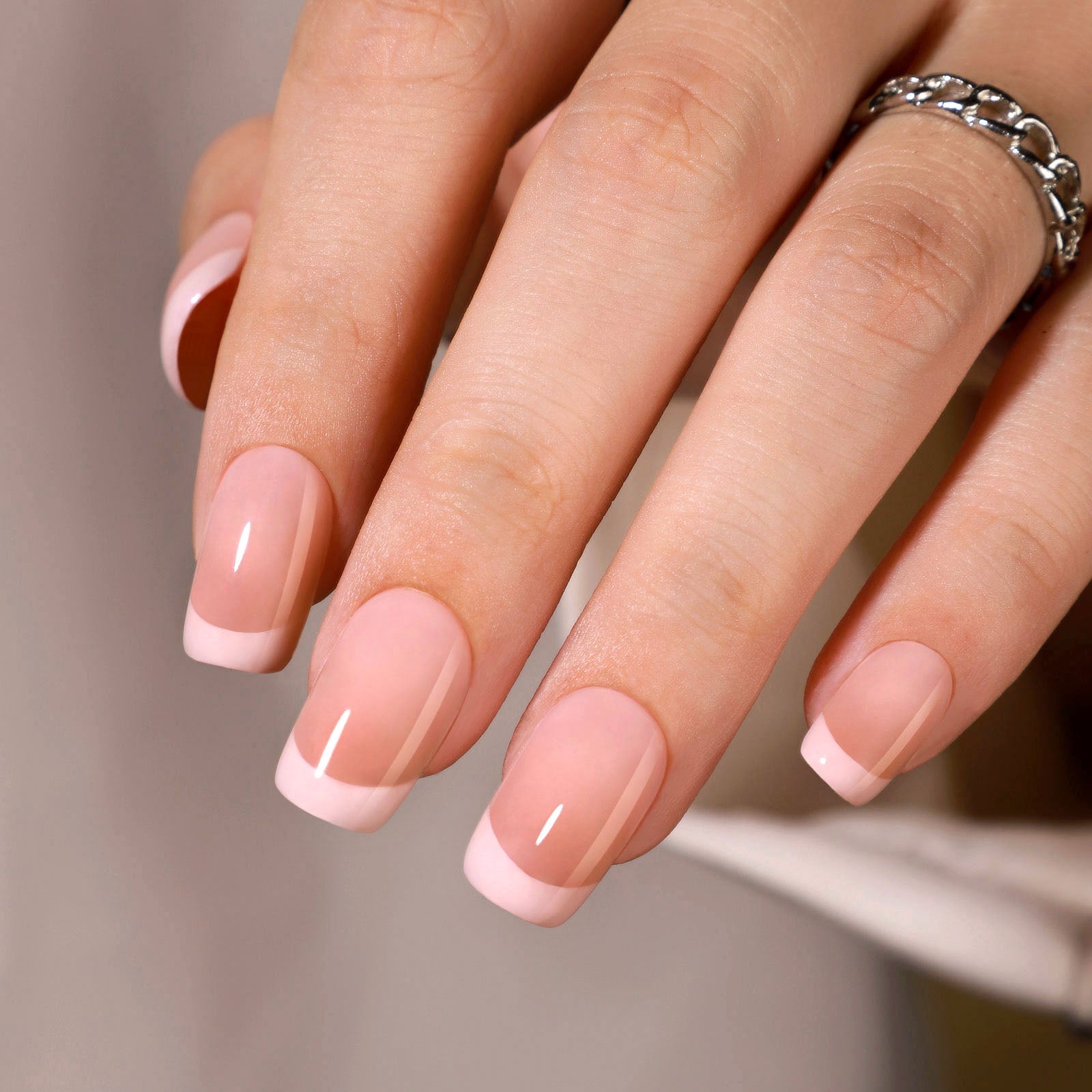
- Use press-on nails during recovery: Press-on nails — particularly soft gel construction — protect the natural nail plate underneath while looking polished. This is one of the few scenarios where press-on nails serve a functional purpose beyond aesthetics.
Still worried press-ons will make the problem worse? Find your gentle set after the safety checks above, then remove it without picking.


Explore More → Press-On Nails Collection
Frequently Asked Questions
Is it normal to have very transparent fingernails?
Some level of transparency is completely normal — all nail plates are semi-translucent by structure, which is why you can see the pinkish nail bed through them. What's abnormal is a noticeable increase in transparency over time, particularly if accompanied by thinning, brittleness, or other changes. If your nails have always been somewhat transparent and look the same as they did years ago, that's likely your natural nail structure.
Can biotin supplements fix clear, thin nails?
Biotin supplementation (2.5mg/day) has been shown to increase nail thickness in people with biotin insufficiency and thin nails. However, it's important to note that biotin only helps if deficiency is actually contributing to the problem — it won't thicken nails that are transparent for other reasons (like age-related thinning or excessive water exposure). Before supplementing, consider discussing it with your doctor, as high-dose biotin can interfere with certain blood tests.
How long does it take for nails to recover and become more opaque?
Nail plates grow approximately 3-4mm per month, meaning full replacement of the visible nail plate takes 3-6 months. Improvements from dietary changes or addressing water exposure will show up gradually as new nail grows in from the base — you won't see the change immediately in the existing nail, but in the new growth. Nail hardeners can improve the appearance of existing nail within 2-4 weeks by adding a protective surface layer.
Can I wear press-on nails if my natural nails are very thin?
Yes — press-on nails can actually be beneficial for thin nails because they create a protective layer over the fragile natural nail. Choose soft gel construction (more flexible, less likely to cause the natural nail to bend under pressure), size carefully, and use adhesive tabs rather than permanent glue for easier removal. Avoid aggressive removal methods like prying — soak in warm water to release adhesive tabs cleanly, protecting the thin nail beneath.
Clear or transparent nails are almost always explainable and usually addressable. Whether the cause is dietary, environmental, or simply the natural changes that come with time, understanding what's driving the change gives you a clear path forward — and the reassurance of knowing whether a doctor's visit is genuinely necessary or whether the solution is as simple as adding more eggs to your diet.
A salon gel manicure that protects thin nails costs $40-80 and requires a UV lamp — plus you'll be back in 3 weeks. SHANGMENG soft gel press-on nails are $12-15 per kit, apply in 15 minutes, and protect the natural nail underneath while you address the root cause. Worried they won't stay on thin nails? Proper prep (buffed, alcohol-wiped surface) gives the same hold on thin nails as healthy ones.
Related reading: What Vitamins Are Good for Nails? | Curved Nails: What Your Nails Are Telling You
Share