













Curved Nail Shapes: What Your Nails Are Telling You
Written by Sophie, SHANGMENG Nail Health Specialist
Your nails do more than hold polish — they're a window into what's happening inside your body. Nail curvature, in particular, is one of the most telling signs that dermatologists and physicians look for during routine exams. But before you panic at a little bend, it's worth understanding what "normal" actually looks like — and what kinds of curvature genuinely warrant medical attention.
Here's what nail science says about curved nails, from the harmless to the clinically significant.
Not sure which shape, length, or size fits your natural nails?
Key Takeaways
- Normal nails have a slight natural arch following the curve of the fingertip — this is not cause for concern
- Spoon nails (koilonychia) curve upward and can indicate iron deficiency anemia — one of the most treatable causes of nail changes
- Clubbed nails curve downward with enlarged fingertips and may signal respiratory or cardiovascular issues — always warrants medical evaluation
- Nail pitting and other texture changes alongside curvature can indicate psoriasis or connective tissue disorders
- If nail curvature appears suddenly or worsens rapidly, see a doctor — slow, gradual changes from birth are usually benign
What Is a Normal Nail Curve?
Before diagnosing anything, understand the baseline. A healthy nail has a gentle convex curve following the shape of the fingertip. If you look at your nail from the side, it should arch slightly — not lie completely flat, and not curl dramatically in either direction.
This natural curve comes from the nail plate forming over the nail bed, which itself follows the contour of the distal phalanx (the tip of your finger). Nails that appear slightly curved in photos or feel rounded are almost universally normal.

What actually matters clinically is the direction and degree of curvature — specifically, whether the nail curves upward (concave), downward (convex and exaggerated), or laterally (sideways).
Spoon Nails (Koilonychia): When Nails Curve Upward
Koilonychia — the medical term for spoon-shaped nails — is characterized by nails that are scooped out in the middle, curving upward at the edges like a spoon. A classic test: if you can place a water droplet on the nail without it rolling off, the concavity may be clinically significant.
According to the American Academy of Dermatology (AAD), koilonychia is most commonly associated with iron deficiency anemia, particularly in women of reproductive age. Other causes include:
- Hemochromatosis (excess iron absorption)
- Hypothyroidism
- Raynaud's disease
- Lupus
- Occupational exposure to petroleum-based solvents
Reference: AAD — Nail Abnormalities
The good news: iron deficiency-related koilonychia is highly treatable. Once iron stores are replenished through diet changes or supplementation (under physician guidance), nail curvature typically normalizes within 3-6 months as new nail growth replaces the affected tissue.

When to see a doctor: If your nails have developed a visible spoon shape that wasn't present before — especially if you're experiencing fatigue, cold intolerance, or pallor alongside the nail change — a simple blood panel (CBC and ferritin) can identify iron deficiency within 48 hours.
Clubbed Nails: When Nails Curve Downward
Nail clubbing — also called "Hippocratic fingers" — is perhaps the most clinically significant nail curvature pattern. In clubbing, the nail curves dramatically downward around the fingertip, the angle between the nail plate and the nail fold increases to more than 180 degrees, and the fingertip itself often becomes enlarged and bulbous.
The National Institutes of Health (NIH) identifies clubbing as a potential marker for serious systemic diseases, including:
- Chronic lung diseases (COPD, pulmonary fibrosis, lung cancer)
- Congenital heart disease
- Inflammatory bowel disease (Crohn's disease, ulcerative colitis)
- Liver cirrhosis
- Hyperthyroidism
Reference: NIH — Nail Clubbing
The Schamroth window test can help you self-check: place the dorsal surfaces of the terminal phalanges of the same finger together. Normally, a small diamond-shaped window is visible. In clubbing, this window disappears — the nail angles are too steep to allow the gap.
When to see a doctor: Unlike koilonychia, clubbing should always be evaluated medically. While some people have mild hereditary clubbing (autosomal dominant trait) that causes no health problems, acquired clubbing requires investigation into the underlying cause. Do not wait.
Lateral Nail Curvature: Ingrown and Pincer Nails
Two types of sideways curvature are clinically distinct:
Ingrown nails (onychocryptosis) occur when the nail edge curves into the surrounding skin, causing pain, redness, and sometimes infection. This is often caused by improper trimming (cutting too short or rounding the corners), tight footwear, or hereditary nail shape. According to the AAD, ingrown nails are one of the most common nail complaints seen by dermatologists.
Pincer nails (trumpet nails) involve the nail plate curling tightly transversely — both edges curve downward, sometimes forming a tube shape that compresses the nail bed. This can be hereditary, associated with systemic medications (particularly beta-blockers), or linked to osteoarthritis.

For mild ingrown nails: soak the finger in warm water for 15-20 minutes, gently lift the nail edge, and place a small piece of cotton or dental floss under the corner. See a physician if the area is infected (pus, significant swelling, worsening pain). Severe ingrown nails may require partial nail avulsion.
What About Curved Nails From Birth?
Some people have naturally curved nails that have been present since childhood — this is almost always benign. Variations include:
- Nails that curve slightly downward at the tips (common in fingers with a pronounced "bulb" shape)
- Nails that grow with a slight arch to one side
- Convex nails with more curvature than average but consistent and unchanging
The key distinction: nails that have always looked a certain way and haven't changed are far less concerning than nails that have recently changed. Sudden or rapid changes in nail shape, color, or texture warrant investigation regardless of what direction they change.
Nail Curvature and Press-On Nails
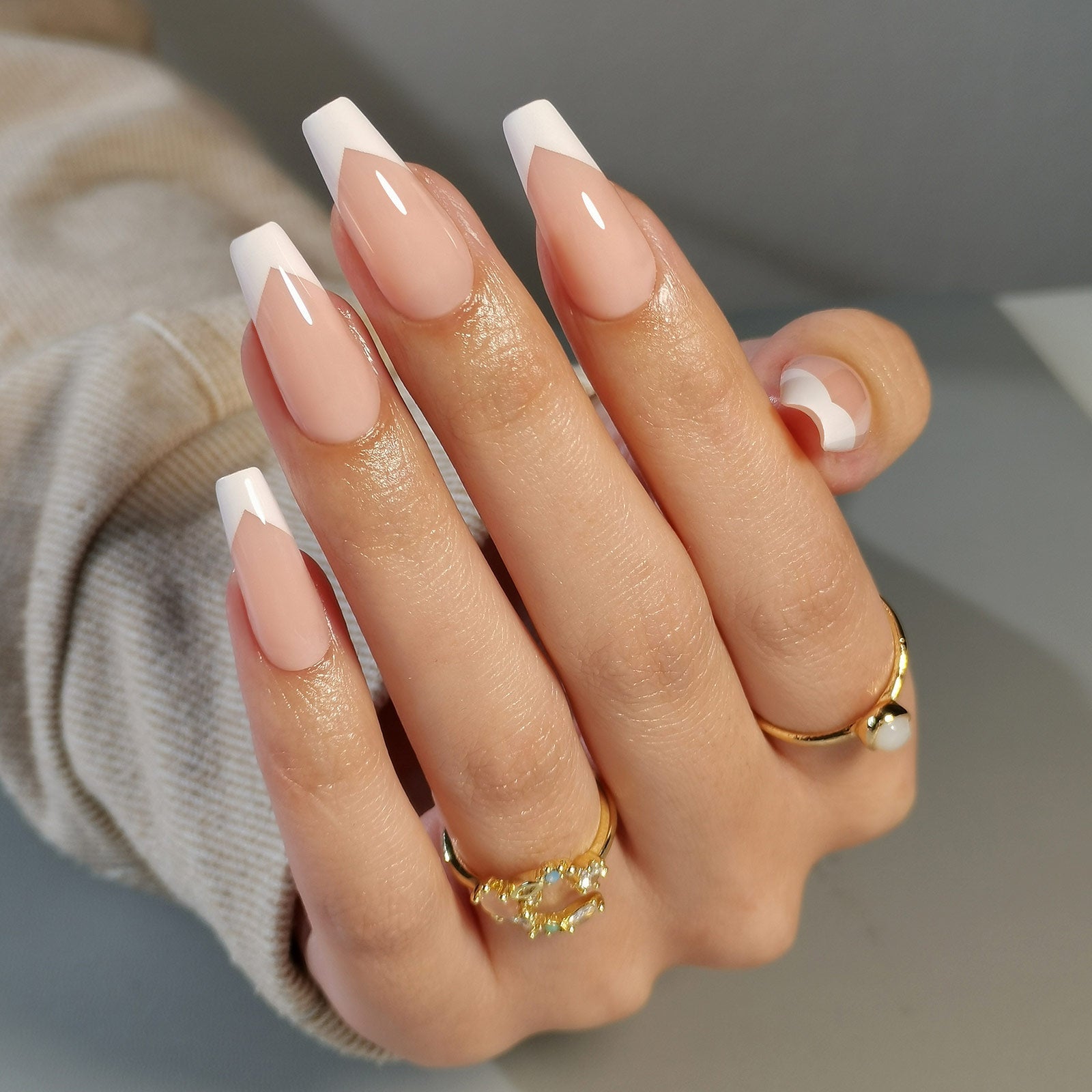
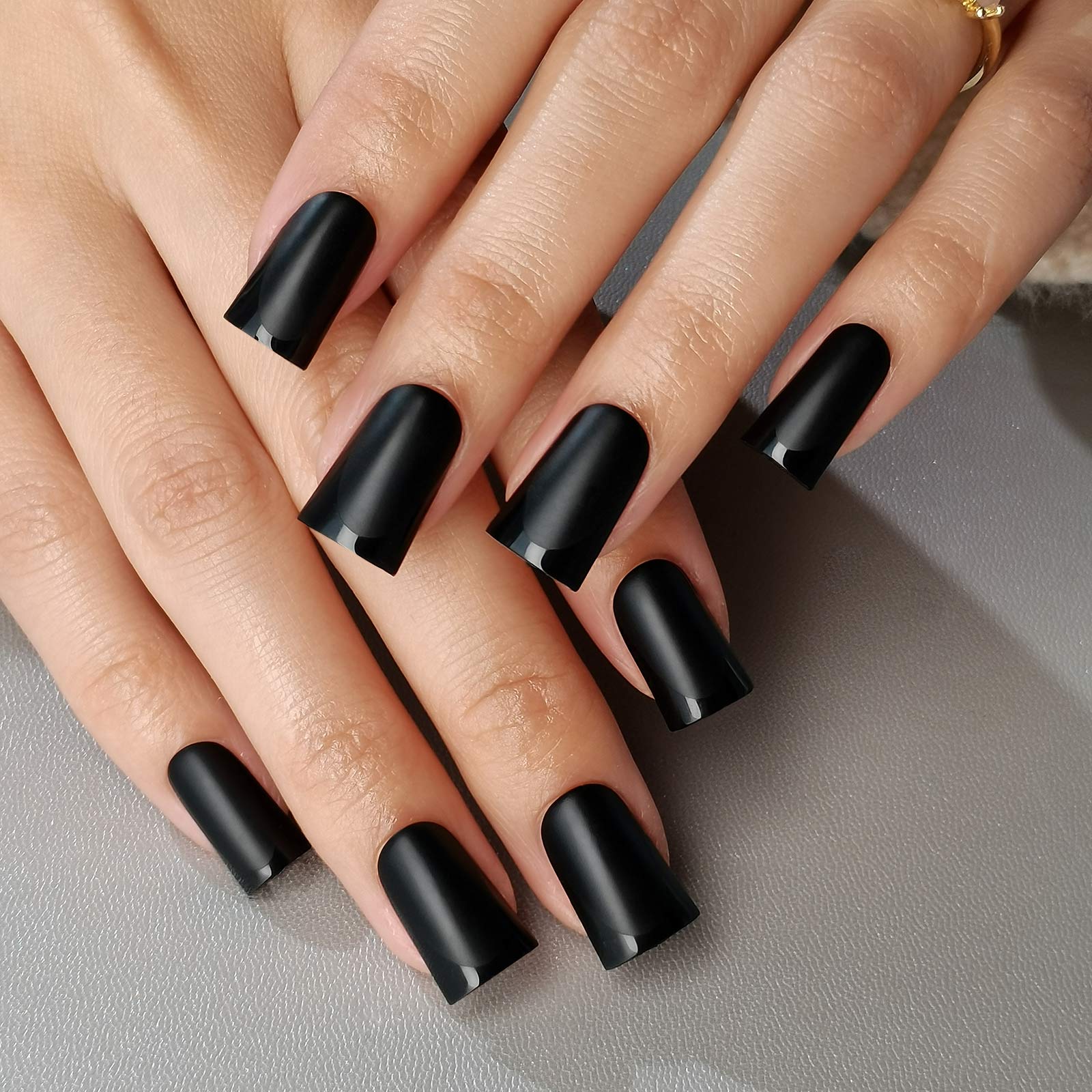
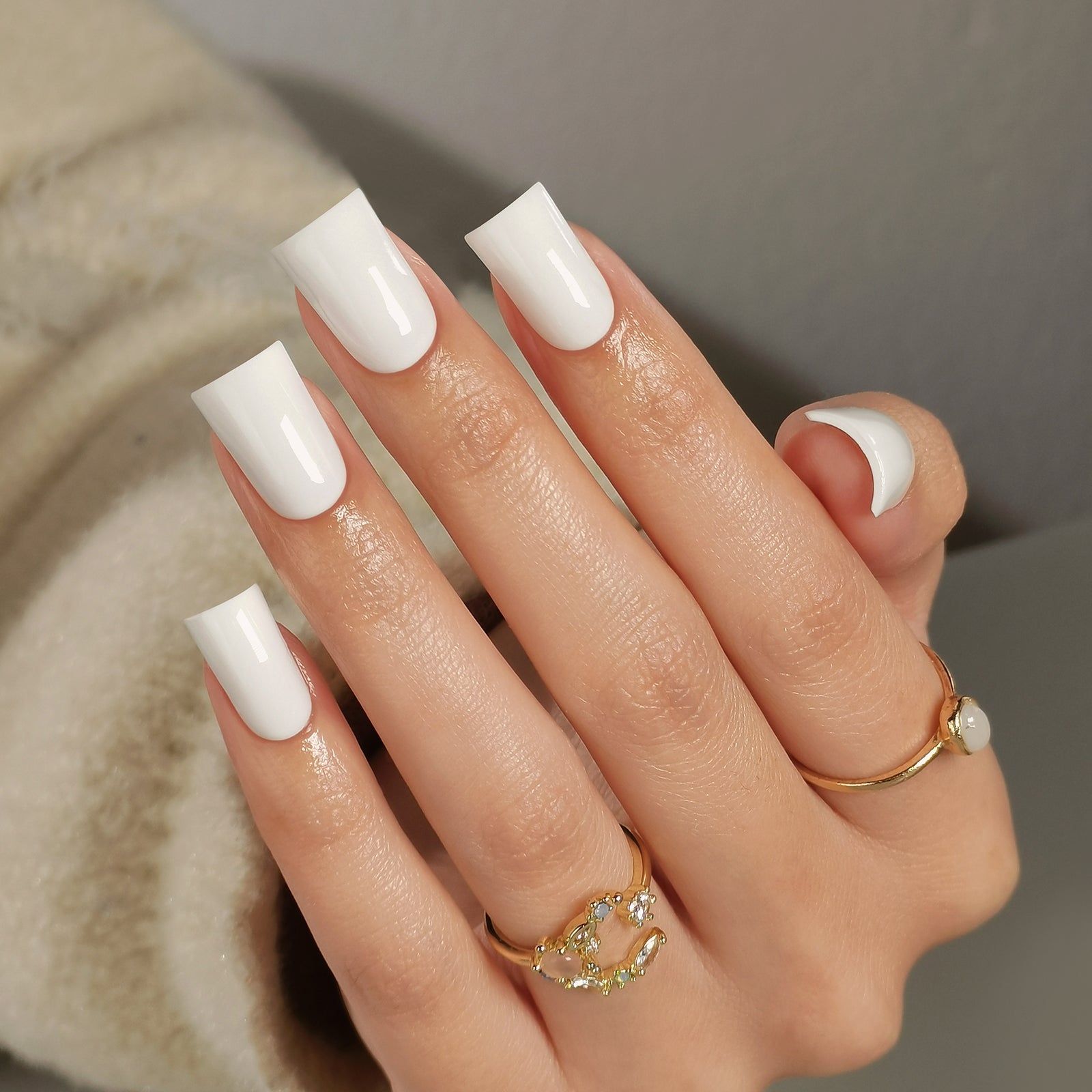
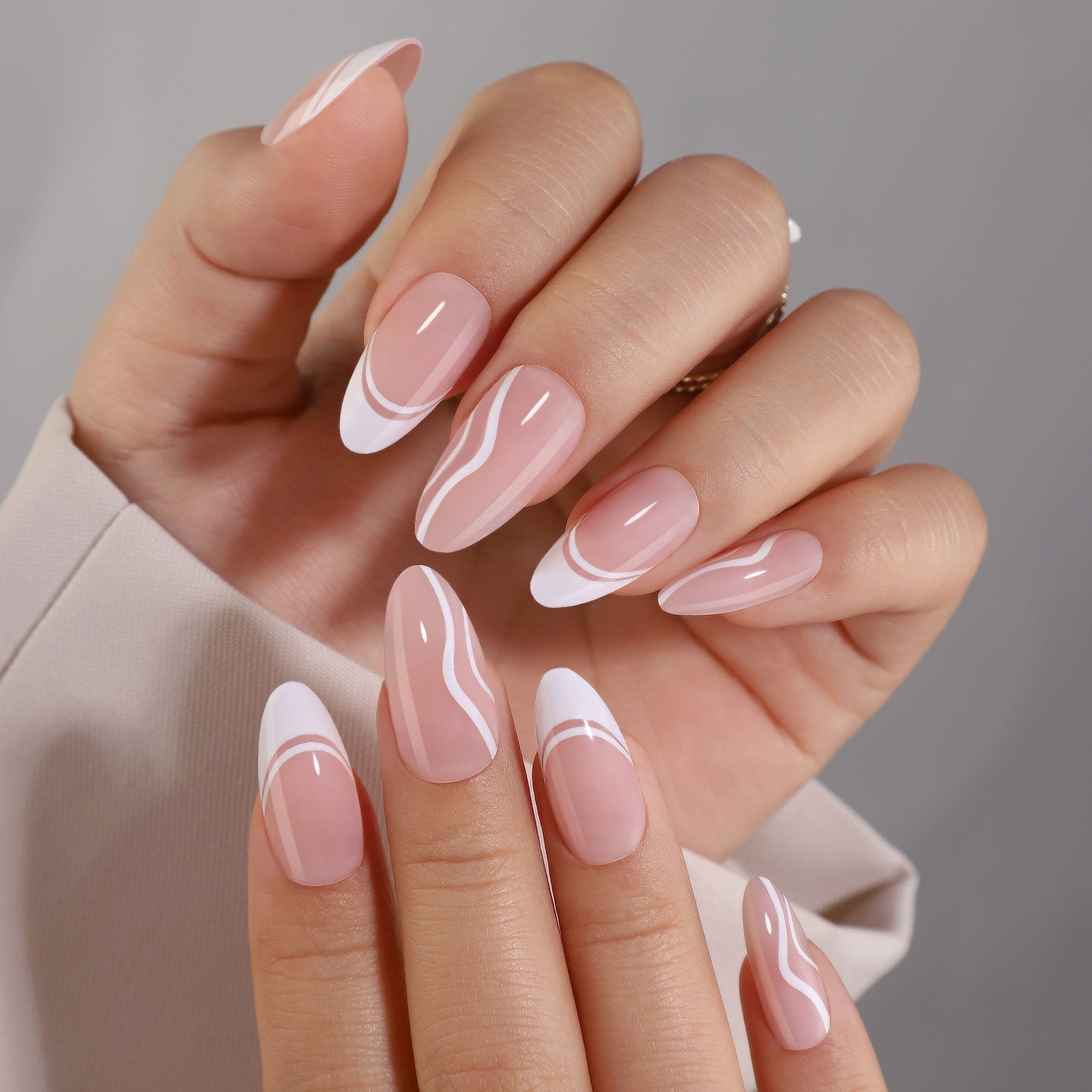
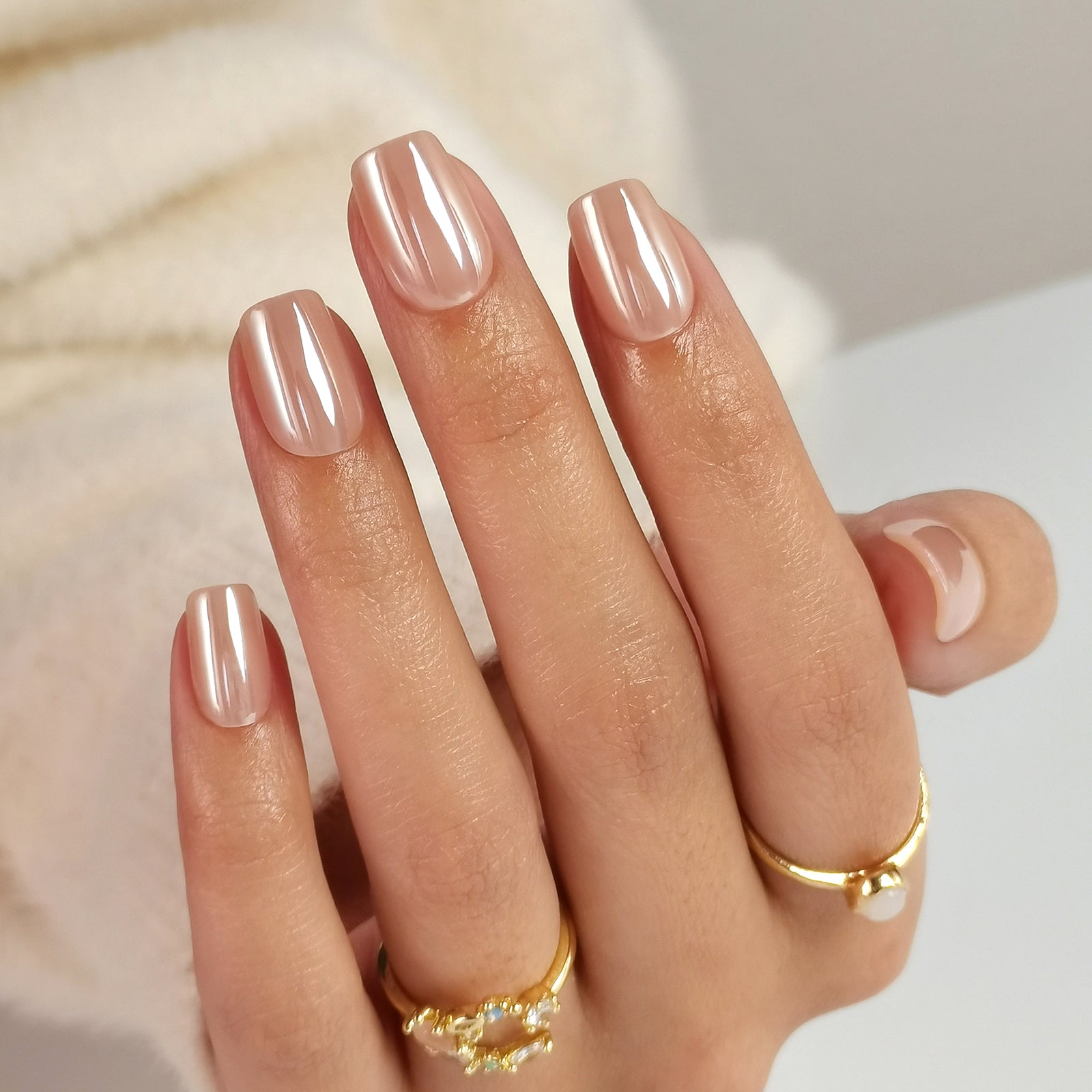
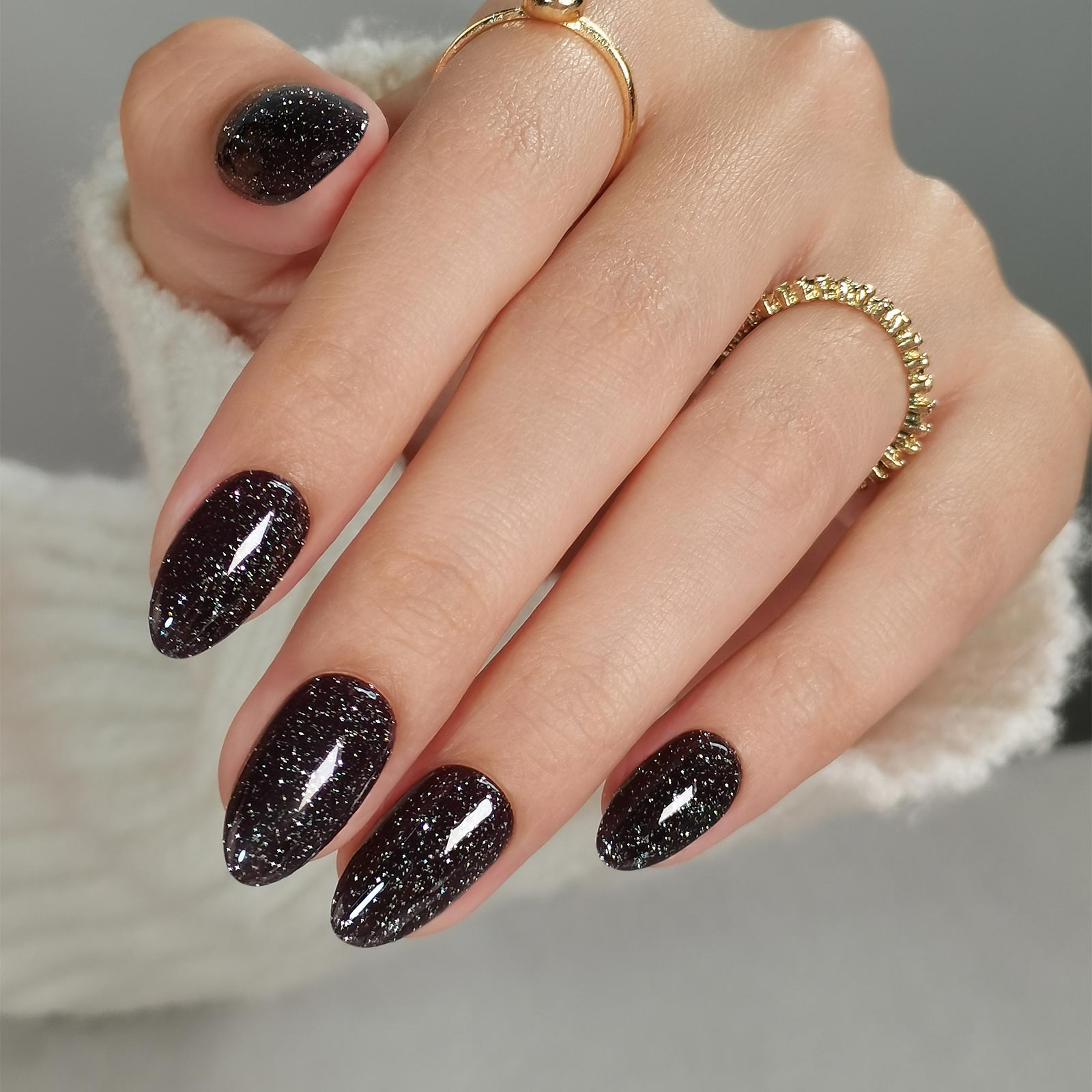
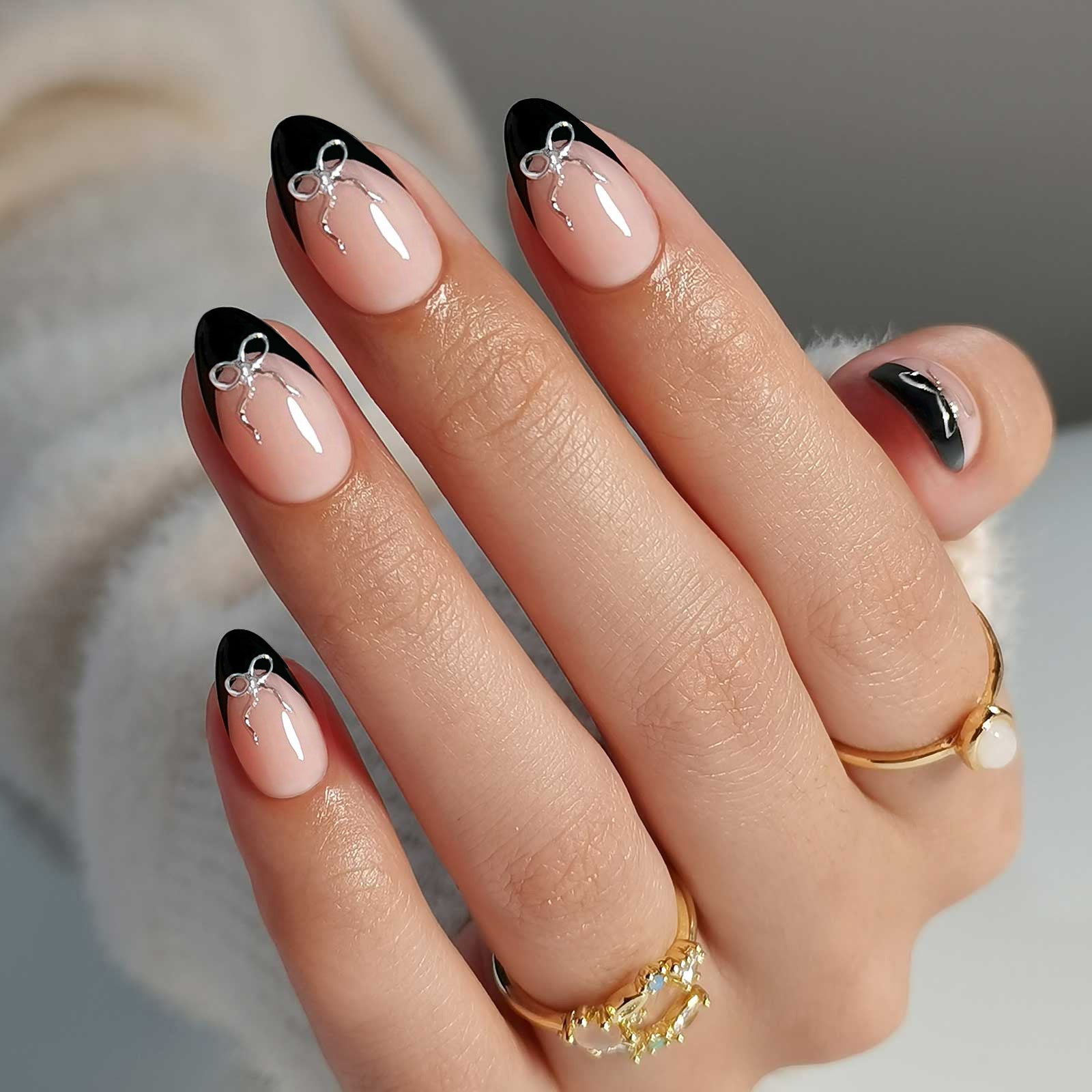
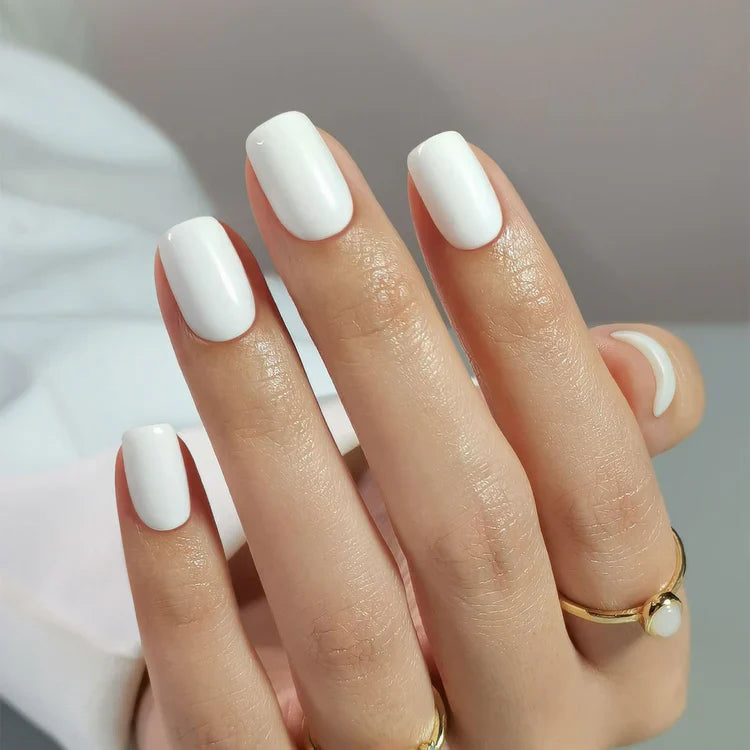
If you have naturally curved nails — whether a mild arch or more pronounced curvature — press-on nail selection matters more than it does for those with flat nail beds.

Here's what works:
- Sizing up: If your nail bed is convex (curves outward), sizing up slightly provides better edge-to-edge contact
- Soft gel construction: Soft gel press-on nails flex with the natural nail contour rather than fighting it — rigid acrylic tips often lift faster on curved nail beds
- Adhesive tabs vs. glue: Adhesive tabs can sometimes accommodate mild curvature better than liquid glue for initial application, though glue provides longer wear
SHANGMENG press-on nail kits include 32 Nail Tips · 16 Sizes to ensure you can match the width and curve of every nail — including the often-tricky pinky and ring fingers that tend to differ most.
Explore More → Press-On Nails Collection
When Nail Curvature Is a Medical Emergency
Most nail curvature changes are not emergencies — but some require urgent attention:
- Clubbing that develops rapidly (over weeks, not months)
- Nail curvature accompanied by bluish discoloration of the nail bed (cyanosis) — can indicate oxygen deprivation
- Any nail change accompanied by chest pain, shortness of breath, or severe fatigue
- Nail changes with significant swelling, pain, or signs of infection
In these cases, the nail itself is not the problem — it's a signal to look deeper.
Frequently Asked Questions
Can spoon nails be caused by something other than iron deficiency?
Yes. While iron deficiency anemia is the most common cause, koilonychia can also result from hemochromatosis (the opposite — too much iron absorption), hypothyroidism, Raynaud's disease, and lupus. Less commonly, it's seen in people with occupational exposure to certain chemicals. A blood panel that includes CBC, ferritin, and thyroid function can help narrow down the cause. The AAD recommends evaluating all systemic causes before assuming iron deficiency.
How do I know if my curved nails are hereditary or a sign of something wrong?
The most reliable indicator is change over time. If your nails have always had a certain curvature and look the same today as they did years ago, that's almost certainly your natural nail shape — likely hereditary. If your nail shape has changed noticeably over weeks or months (becoming more curved, developing a new direction of curvature, or changing in texture), that change warrants medical attention regardless of the direction.
Do press-on nails work on curved nail beds?
Yes, with the right approach. The key is choosing press-on nails with flexible construction (soft gel is better than rigid acrylic), sizing correctly across the widest point of the nail, and using nail glue for curved surfaces rather than adhesive tabs, which can lift more easily at the edges. SHANGMENG's 16-size kit is specifically designed to accommodate the full range of natural nail widths and proportions.
Can I wear press-on nails if I have a medical nail condition?
If your nail curvature is due to an active health condition — particularly one causing nail bed inflammation, infection, or significant structural changes — consult a physician before applying press-on nails. For purely cosmetic hereditary curvature, press-on nails are generally safe and can actually protect the nail surface. When in doubt, ask your dermatologist.
Understanding what your nails are communicating is one of the most practical forms of body literacy. Most curved nails are nothing to worry about — they're simply how your nails grow. But knowing the difference between a harmless arch and a clinical signal means you catch the important changes when they matter.
For those with naturally curved nails who want a polished look without salon appointments:
A salon visit to get nails on curved nail beds runs $40-80 — and you still have to go back every 2-3 weeks. SHANGMENG press-on nails are $12-15 per kit and take 15 minutes to apply at home. Still wondering if press-ons work on curved nail beds? Every SHANGMENG customer with curved nails who sizes and preps correctly gets the same hold as flat nail beds.


Related reading: Why Do My Nails Curve Down? | What Vitamins Are Good for Nails?
Share