













Solid Nail Glue: What It Is, How to Use It & Best Picks
Written by the SHANGMENG Product Team · 20+ Years of Nail Manufacturing Expertise
You've seen it at the beauty counter — a stubby wax-like stick or a sleek applicator pen sitting next to the usual liquid glue bottles. Solid nail glue is a newer adhesive format for press-on nails and nail tips that works differently from the cyanoacrylate liquid you may already know. It activates through friction and body heat rather than a moisture-triggered chemical reaction, which means no drips, no flooded cuticles, and a much gentler application for beginners and kids.
That said, solid nail glue is not a straight upgrade from liquid glue. It trades bond strength and longevity for convenience and cleanliness. Understanding that trade-off is the entire job of this guide.
Below you'll find exactly what solid nail glue is, how it compares to liquid glue and adhesive tabs, a step-by-step application method, the best picks currently on the market, and a clear framework for choosing the right adhesive for your wear goals.
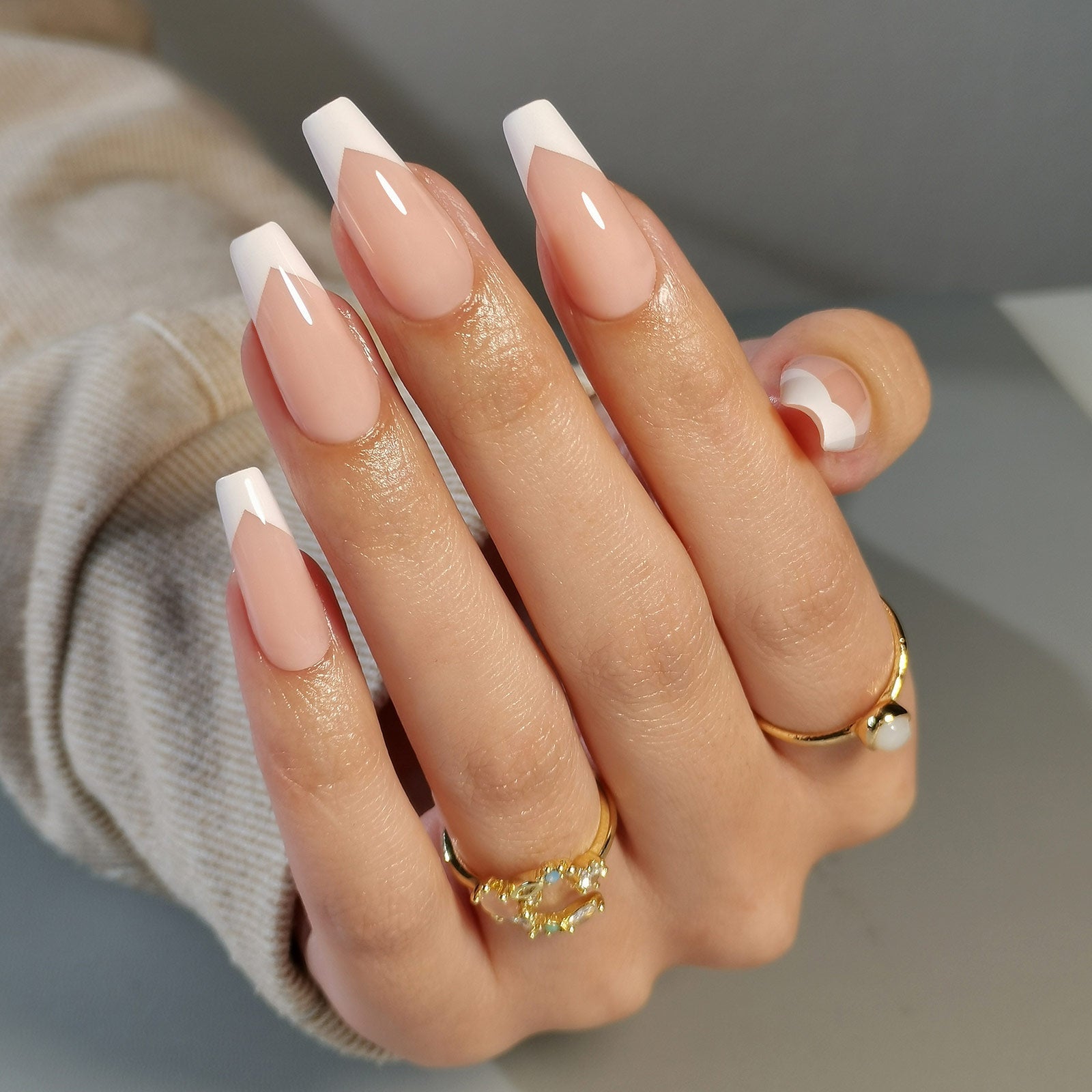
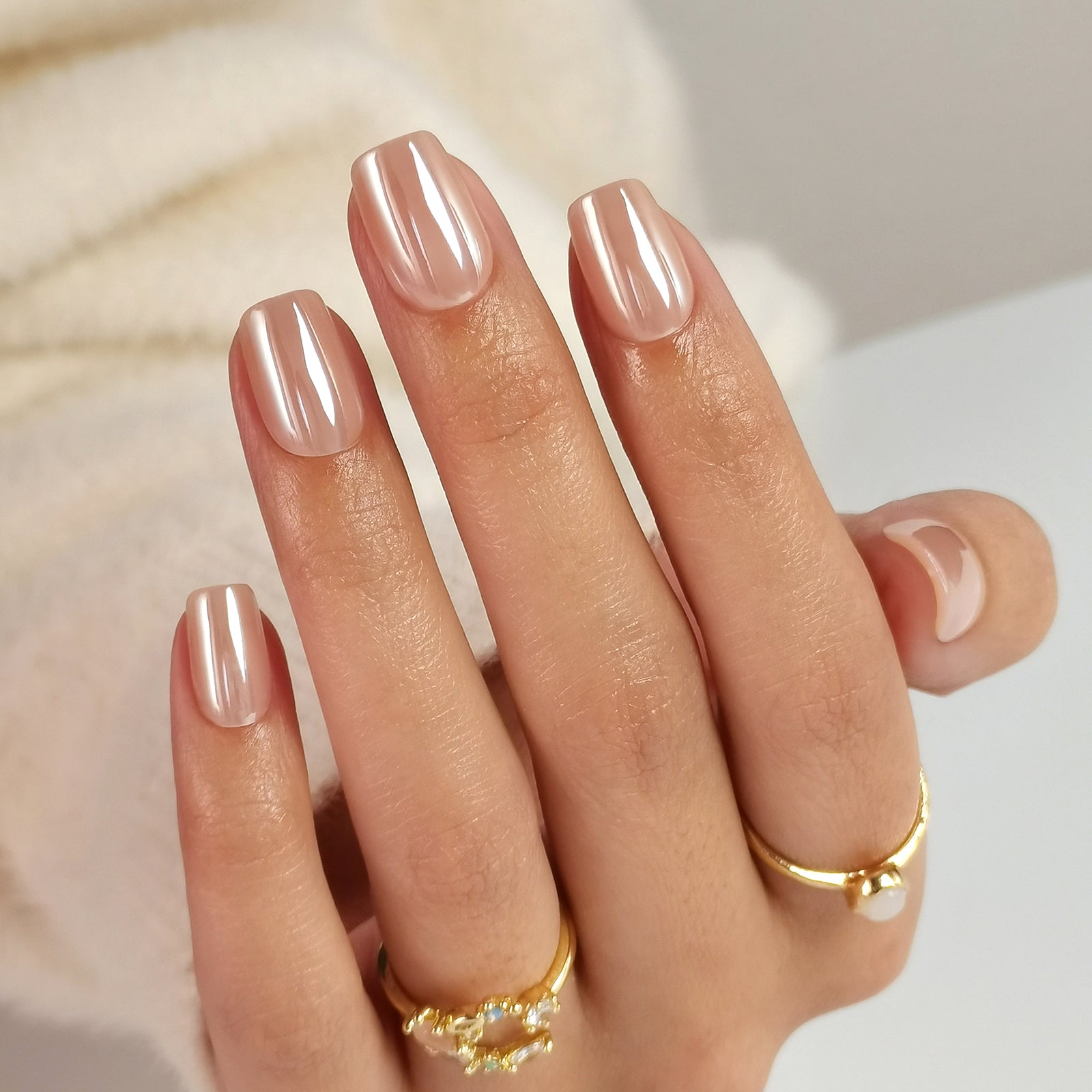
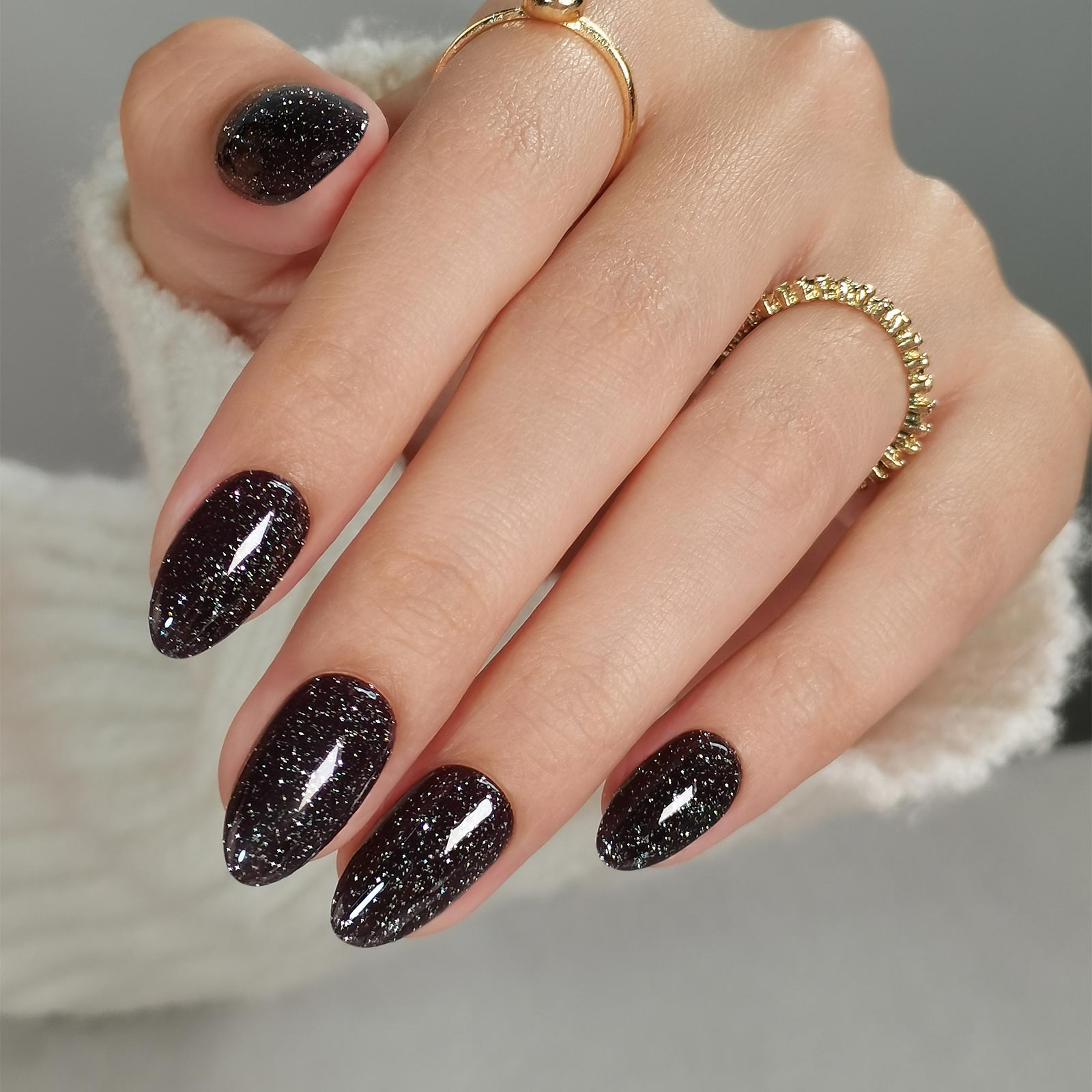
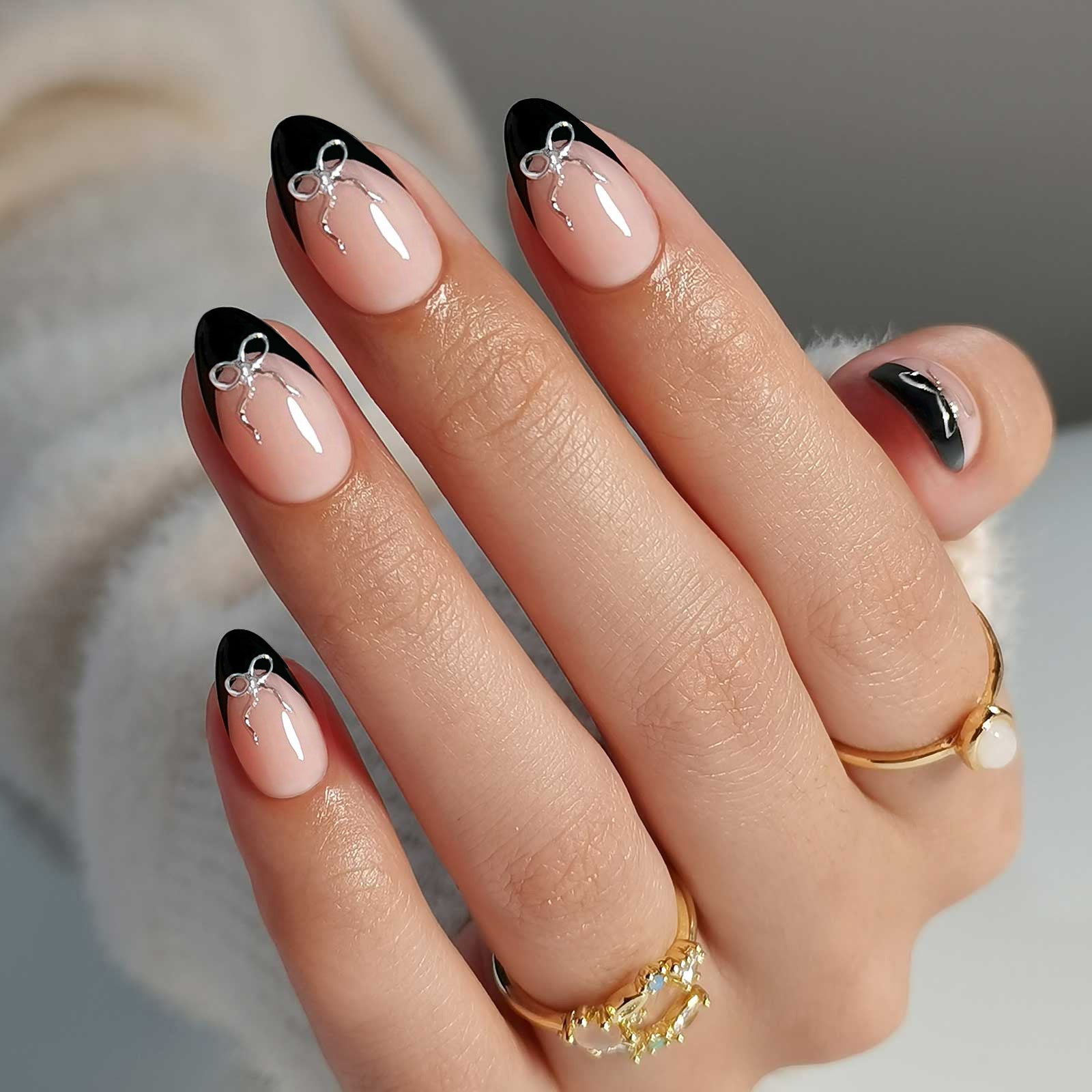
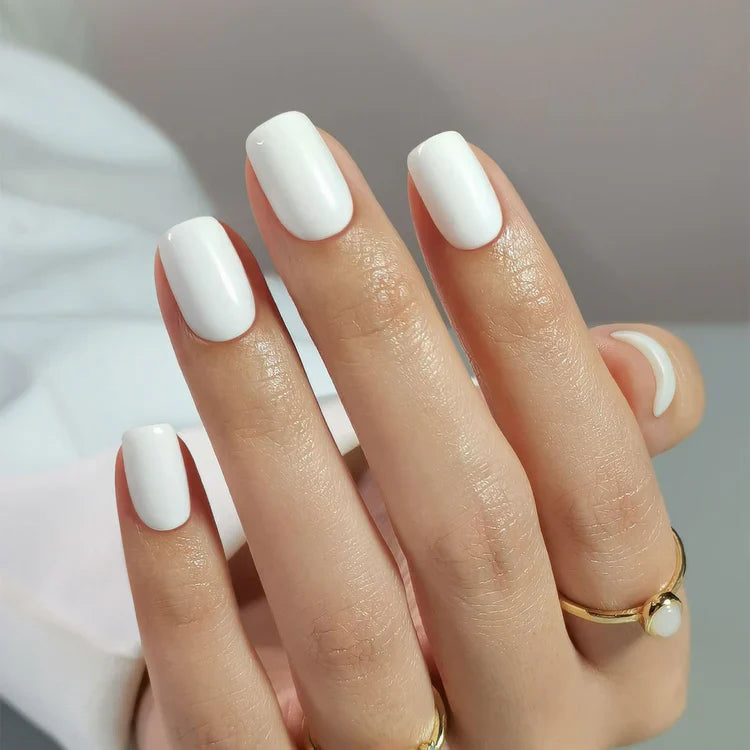
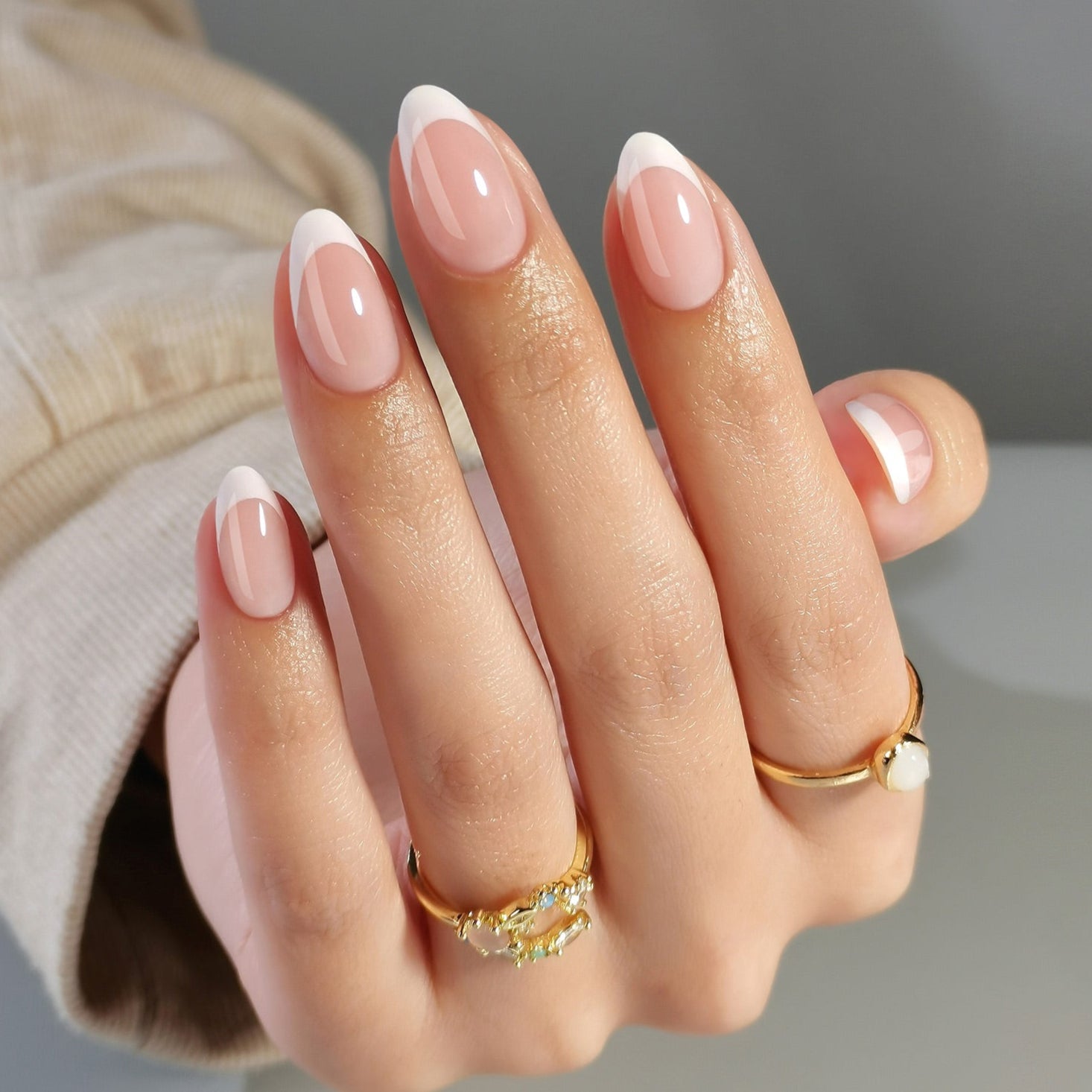
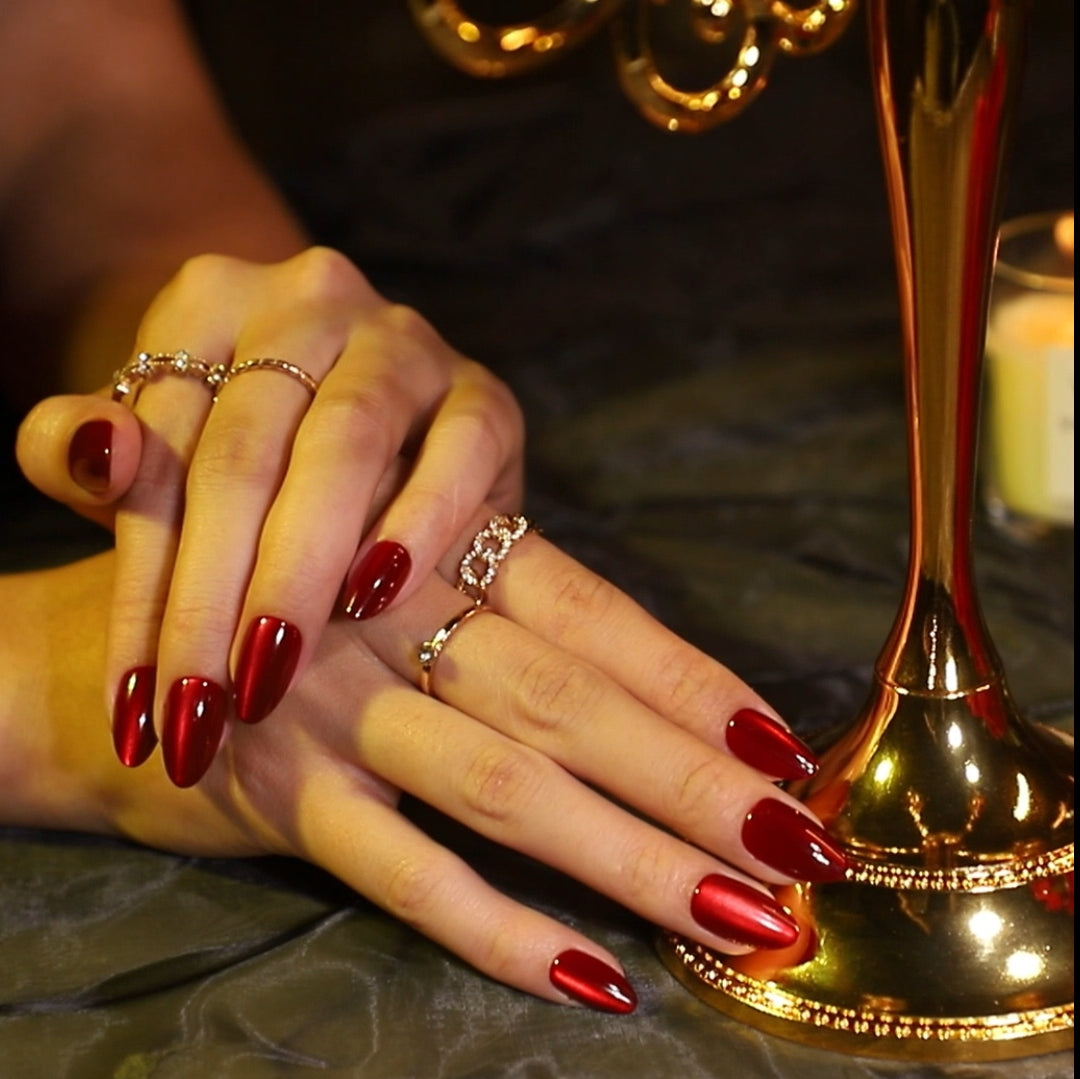
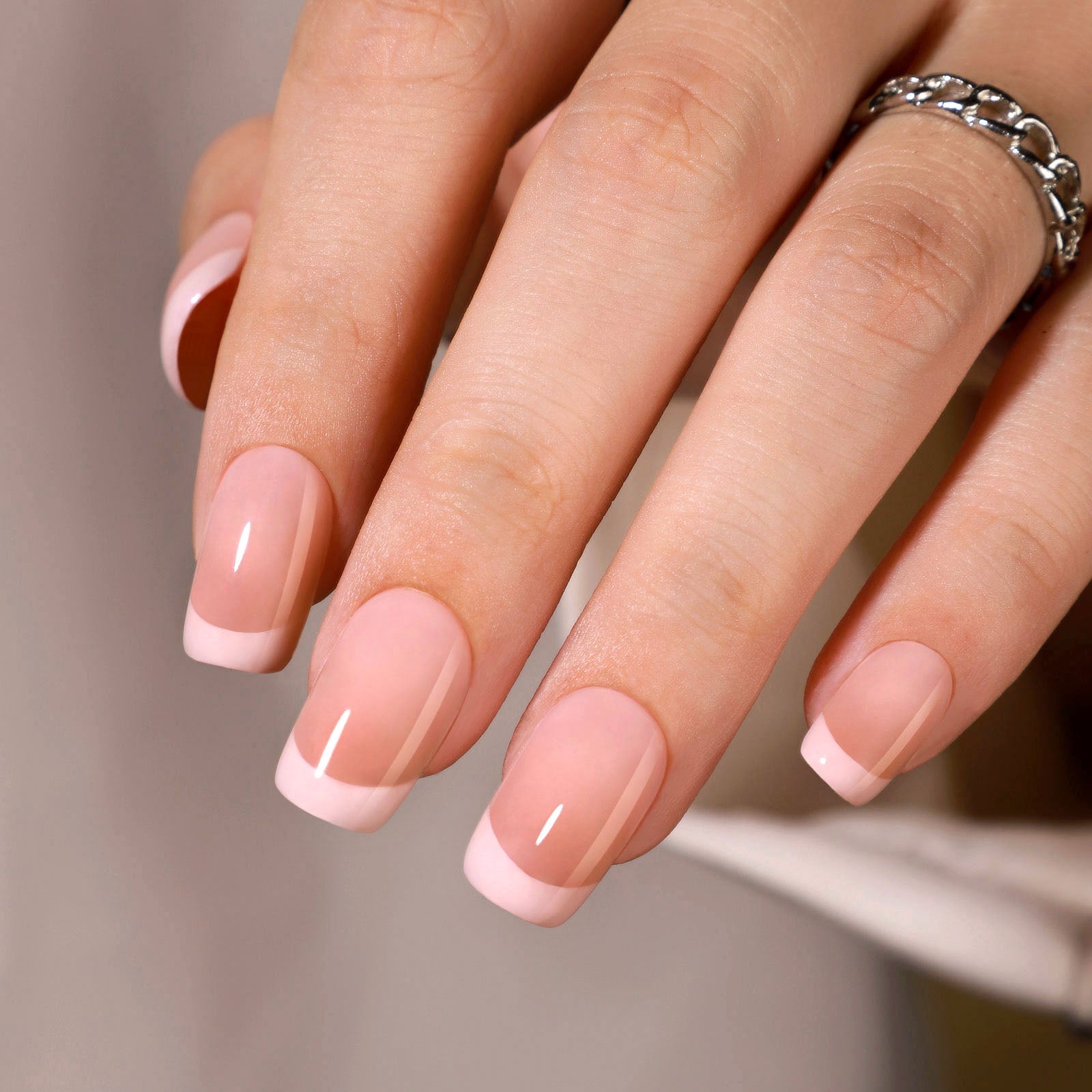
A single salon appointment for this style runs $60–$90 — a SHANGMENG press-on set achieves the same look for $14–$20, applied at home in 15 minutes.
Not sure which shape, length, or size fits your natural nails?
Key Takeaways
- Solid nail glue comes in a wax-like stick or pen format and is activated by rubbing against the nail surface — friction and body heat melt and bond it
- It creates a cleaner, more controlled application than liquid cyanoacrylate — no drips, no skin bonding, no mess
- Bond duration is typically 3–5 days, compared to 1–2 weeks for brush-on liquid cyanoacrylate glue
- Solid glue is best for beginners, occasional wearers, and anyone who wants a gentler removal experience
- For longer wear, brush-on liquid glue remains the strongest at-home option; adhesive tabs offer the safest, no-glue alternative for short events
What Is Solid Nail Glue?
Solid nail glue is a pressure- and heat-activated adhesive formed into a solid state — either a compact wax stick (similar in feel to a glue stick or lip balm) or a pen applicator with a waxy or gel-like tip.

Unlike liquid cyanoacrylate glue, which polymerizes on contact with the moisture on your nail plate, solid nail glue requires physical activation. You rub the stick or pen tip against the natural nail surface — the friction generates enough heat to soften the adhesive and transfer a thin, even layer. Pressing the press-on nail firmly onto the coated natural nail completes the bond as the adhesive cools and sets.
The chemistry inside solid nail glue varies by brand, but most use one of two approaches:
- Wax-based binders with adhesive resins — the friction-melt method, genuinely no liquid involved
- Gel-state cyanoacrylate in a solid carrier — the adhesive is still cyanoacrylate chemistry, but delivered via a solid medium that limits flow and prevents dripping
Both produce a weaker bond than a traditional brush-on liquid application, primarily because the adhesive layer transferred by a solid medium is thinner and harder to control for coverage uniformity.
Formats You Will Encounter
| Format | Description | Best For |
|---|---|---|
| Wax stick | Twist-up like lip balm; rub directly on nail | Full-nail application, beginners |
| Pen applicator | Felt or foam tip with wax-gel formula inside | Precision application, small nail beds |
| Glue pen (liquid-adjacent) | Felt tip with thin liquid cyanoacrylate — often mislabeled "solid" | Touch-ups (technically still liquid) |
Note: "Nail glue pen" is sometimes used to describe both wax-tip solid glue pens and thin-liquid cyanoacrylate pens with felt tips. The liquid-tip pen is technically not solid glue — it's liquid glue in pen packaging. Check the product description: if it says "no drip" and "rub to activate," it is solid. If it says "quick-dry" and "cyanoacrylate," it is liquid in pen form.
Solid Nail Glue vs. Liquid Nail Glue: The Honest Comparison

This is the table most buyers need before purchasing.
| Feature | Solid Nail Glue | Liquid Brush-On Glue |
|---|---|---|
| Bond duration | 3–5 days | 7–14 days |
| Application mess | Minimal — no drips | Moderate — requires care around cuticles |
| Skin bonding risk | Very low | Moderate (excess glue contacts skin easily) |
| Beginner-friendliness | High | Medium |
| Removal ease | Easy (warm water + gentle lift) | Requires acetone or nail glue remover |
| Travel-friendliness | High — no liquid concerns for carry-on | Moderate — small bottles only |
| Price | $4–$12 per unit | $3–$8 per bottle |
| Availability | Growing, but fewer options | Widely available |
| Ideal wear scenario | 3–5 day occasion wear | 1–2 week everyday wear |
Bottom line: If you need nails to last through a weekend event or a few days of work, solid nail glue is a clean and accessible solution. If you need nails to survive two weeks of daily activity — dishwashing, gym, typing — liquid cyanoacrylate from a brush-on bottle is the stronger choice.
For a full breakdown of liquid glue formats and how to choose between them, see our nail glue for fake nails guide.
How to Apply Solid Nail Glue: Step-by-Step

Solid nail glue has a slightly different technique than liquid. Follow these five steps for the best bond duration.
What you'll need: Solid nail glue stick or pen, nail file (180 grit), rubbing alcohol or nail prep wipe, cuticle pusher, your press-on nail set.
Step 1: Prep the Natural Nail Surface
Push back cuticles gently with a cuticle pusher — no cutting required. Lightly buff the nail plate with a 180-grit file to remove the natural oil layer and create slight texture. Wipe the nail completely with rubbing alcohol and let it dry for 30 seconds. Residual oil is the number-one reason solid nail glue fails early. The American Academy of Dermatology also recommends keeping nail adhesives away from the cuticle and surrounding skin during application.
Step 2: Select the Correct Press-On Size
Match each press-on nail to your natural nail before applying glue. The press-on should cover your nail plate edge to edge without touching the skin on either side. A poor size fit compromises any adhesive — liquid or solid.
Step 3: Rub the Solid Glue Directly onto the Natural Nail
Hold the stick or pen at a 45-degree angle and rub it firmly across the entire nail surface in short back-and-forth strokes for 5–8 seconds. You want a thin, even coating that covers the full nail plate to the edges. The warmth from friction transfers a very thin adhesive layer — don't expect to see a thick coat. That is correct.
Do not apply to the press-on nail itself unless the manufacturer specifically directs it. Applying to both surfaces creates too thick a bond layer and can cause air pockets.
Step 4: Press and Hold
Immediately align the press-on nail at the cuticle line and press down firmly from the cuticle toward the free edge, applying even pressure. Hold for 15–20 seconds with firm, steady pressure. This is longer than liquid cyanoacrylate (which sets in 10 seconds) because solid glue needs more time to cool and achieve its set.
Step 5: Check the Edges
Run your fingernail along the side edges of the press-on. If you feel any lifting, press again for another 10 seconds. If a small gap persists at the edge, a tiny drop of liquid nail glue can seal it — most solid glue kits come with a mini liquid top-coat for exactly this purpose.
Cure time: Solid nail glue reaches full bond strength in approximately 10–15 minutes. Avoid submersing hands in water during this window.
Best Solid Nail Glue Picks (Current Market)

The solid nail glue category is still small compared to liquid options, but a few well-reviewed products stand out.
Kiss Nail Glue Pen
One of the more widely available formats in the US market. Kiss positions this as a "no drip" applicator for press-ons and nail tips. It uses a gel-state adhesive rather than a true wax stick, which gives it slightly stronger bond than traditional wax formats. Available at most drugstores and Amazon at approximately $5–$7.
Dashing Diva Glue Tabs + Solid Adhesive
Dashing Diva offers a hybrid system — adhesive tabs as the primary method with a solid glue pen for edge sealing. This layered approach addresses one of solid glue's main weaknesses (edge lifting) while keeping the mess-free benefit. Good for 3–5 day wear.
Generic Wax Nail Glue Sticks (Nail Art Suppliers)
Multiple suppliers on Amazon and AliExpress offer twist-up wax nail glue sticks at $3–$6. Quality varies significantly. Look for sticks that specify "rub to activate" and list a hold duration of at least 3 days. Avoid sticks with no ingredient information — cyanoacrylate labeling is a good sign that the formula has been verified for nail use. The U.S. Food & Drug Administration maintains guidance on cosmetic nail product ingredients and safety standards that can help you evaluate what's in any nail adhesive.
What SHANGMENG includes instead: SHANGMENG press-on kits ship with a brush-on liquid ECA (ethyl cyanoacrylate) glue — the stronger, longer-lasting format — plus adhesive tabs for mess-free short wear. This dual-option setup covers the two most common use cases: multi-week everyday wear (liquid glue) and clean, damage-light occasional wear (tabs). Solid glue occupies the middle ground between these two, which is why we do not currently include it — most customers are better served by the anchor options on either end of the spectrum.
If solid nail glue is your preference, pair it with SHANGMENG's 32-tip, 16-size press-on nail set — the sizing system works with any adhesive method, and the soft gel material creates a flat, smooth base that maximizes contact area for solid adhesive bonds.
When to Use Solid Glue vs. Liquid Glue vs. Adhesive Tabs
Use this decision framework to match adhesive to situation.
| Situation | Best Choice | Why |
|---|---|---|
| Event wear (1–3 days) | Adhesive tabs | Cleanest removal, no chemical contact |
| Occasion wear (3–5 days) | Solid nail glue | Easy application, low mess, adequate hold |
| Everyday wear (7–14 days) | Brush-on liquid glue | Strongest bond, proven longevity |
| Kids / first-time users | Solid nail glue or tabs | No chemical spill risk |
| Travel (carry-on only) | Solid nail glue or tabs | No liquid restrictions |
| Repair / touch-up | Liquid glue pen (small amount) | Fast, targeted bond |
| Sensitive skin / glue allergy | Adhesive tabs | Zero adhesive contact with skin |
For a deeper comparison of liquid glue formulas — brush-on, UV-cure, and standard — see our guide to UV nail glue vs regular nail glue.
FAQ: Solid Nail Glue
What is solid nail glue made of? Most solid nail glue products use either a wax-based binder with adhesive resin or a gel-state cyanoacrylate carried in a solid medium. The wax-binder versions use friction and heat for activation. The gel-state versions work similarly to liquid cyanoacrylate but in a controlled, drip-free delivery format.
How long does solid nail glue last? Expect 3–5 days of reliable wear under normal conditions. This drops to 1–2 days with heavy water exposure (long dishwashing sessions, swimming) and can extend to 6–7 days with careful prep and minimal water contact. Liquid cyanoacrylate consistently outperforms solid glue for longevity — plan accordingly if you need nails to last a full week or more.
Is solid nail glue safe for natural nails? Solid nail glue is generally gentler on natural nails than liquid cyanoacrylate because the thinner bond layer is easier to remove without aggressive acetone soaking. Standard removal: soak nails in warm water for 2–3 minutes, then gently rock the press-on from side to side. Avoid peeling or forcing — the adhesive should release cleanly with patience. For more detailed removal technique, see our fingernail glue guide.
Can solid nail glue be used for acrylic nails? Solid nail glue is not recommended for acrylic nail application or fills. Acrylic nail systems depend on the chemical adhesion of liquid primers and cyanoacrylate glue applied at precise viscosities. Solid glue does not provide the surface penetration or bond strength needed for acrylic extensions. Stick to solid glue for press-on tips only.
Can I use solid nail glue for press-on repairs mid-wear? It depends on what lifted. If a side edge has lifted slightly, solid glue rubbed along the edge can reseal it — it is clean and does not flood surrounding skin. If the entire nail has lifted from the cuticle area, you will get better results with a small amount of liquid glue or a fresh adhesive tab because you need full coverage, not a targeted edge rub.
Where can I buy solid nail glue? Kiss glue pens are available at Target, Walgreens, CVS, and Amazon. Specialty nail art wax sticks are easiest to source on Amazon. Availability in physical stores is still limited compared to liquid glue — this is a category still expanding into mainstream retail.
Does solid nail glue work with gel press-on nails? Yes. Solid nail glue bonds gel press-on nails (soft gel tips) the same way it bonds standard ABS plastic press-ons. The prep steps — buff, clean, dry — are the same. Because soft gel is slightly more flexible than ABS, the bond at the edges benefits from the extra 5-second hold time described in the application steps above. SHANGMENG's soft gel tips are compatible with solid glue, brush-on liquid, and adhesive tabs.
The Bottom Line
Solid nail glue fills a real gap: it is cleaner, safer, and more beginner-friendly than liquid cyanoacrylate. For a 3–5 day wear window, it performs exactly as advertised with minimal fuss. The trade-off is honest — you are giving up 7–10 days of hold to get a mess-free application experience.
If you want the longest wear, brush-on liquid glue from a quality kit is still the gold standard. If you want zero adhesive involved at all, adhesive tabs are the cleanest option. And if you are somewhere in between — occasional wear, on-the-go, or first-time pressing — solid nail glue earns its place.
For the most complete overview of all glue options for press-on nails in one place, see our best nail glue for press-on nails guide.
SHANGMENG press-on nails — 32 tips, 16 sizes, soft gel formula — ship with brush-on liquid glue and adhesive tabs included. Rated 4.94★ across hundreds of verified reviews. Shop the full collection.
Share