


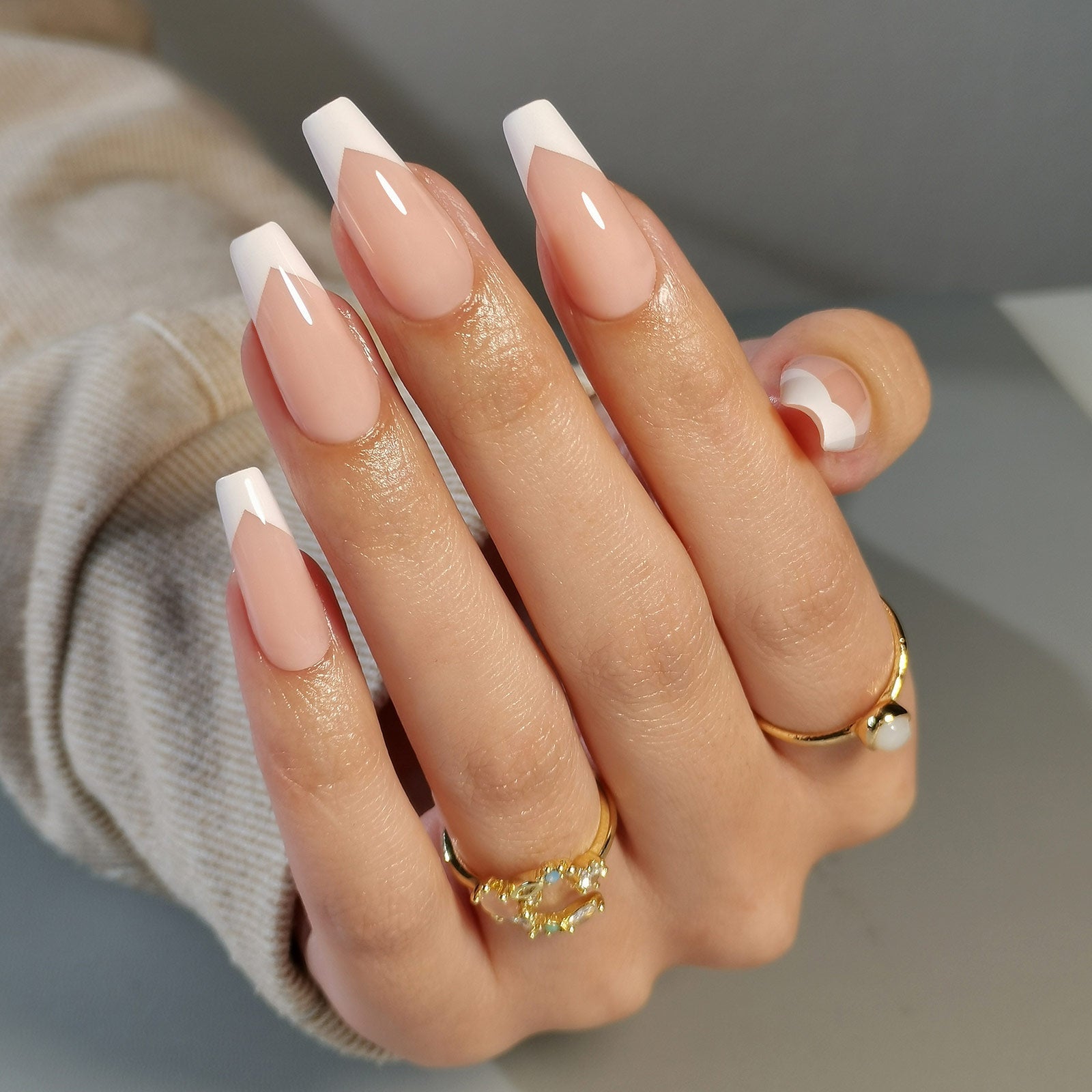
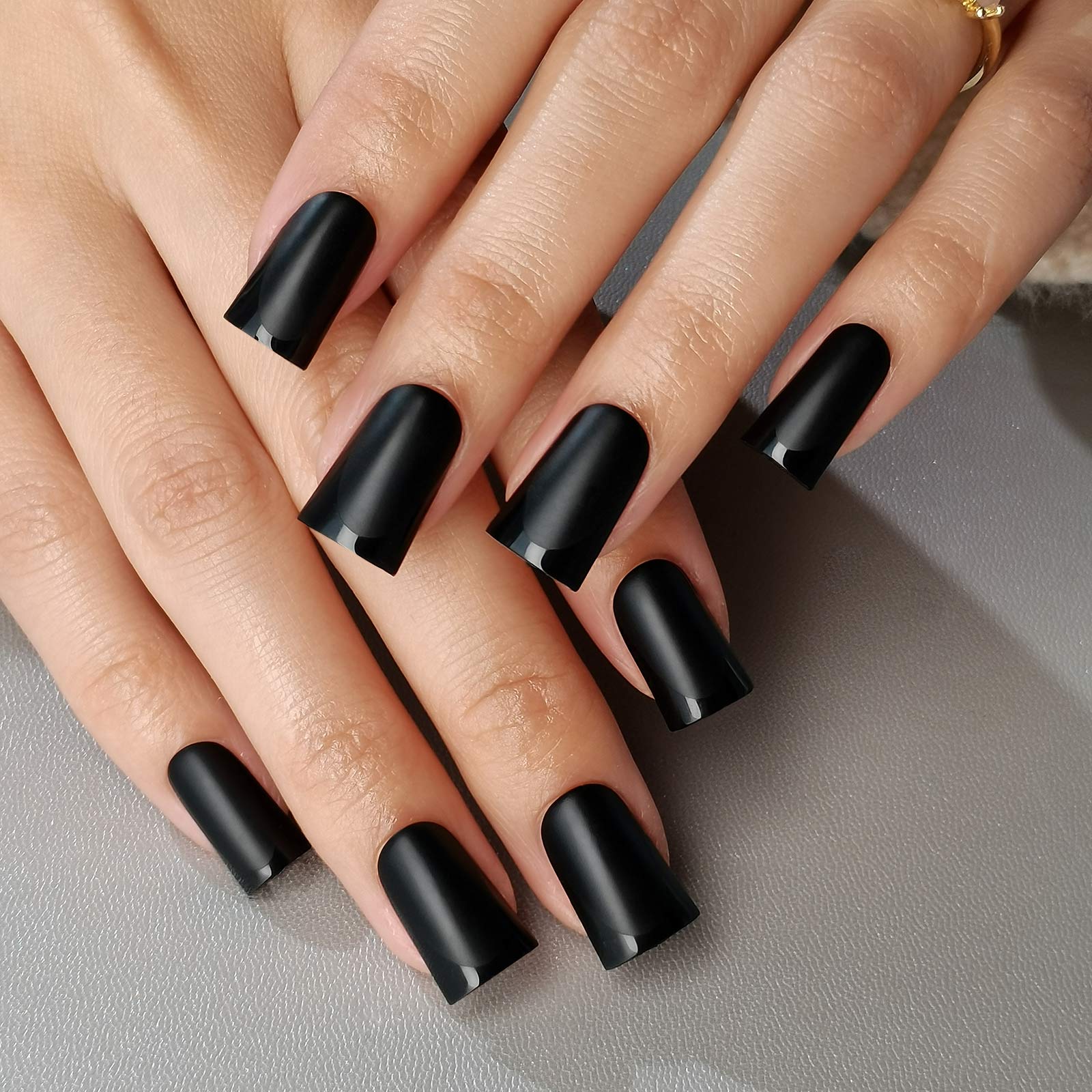


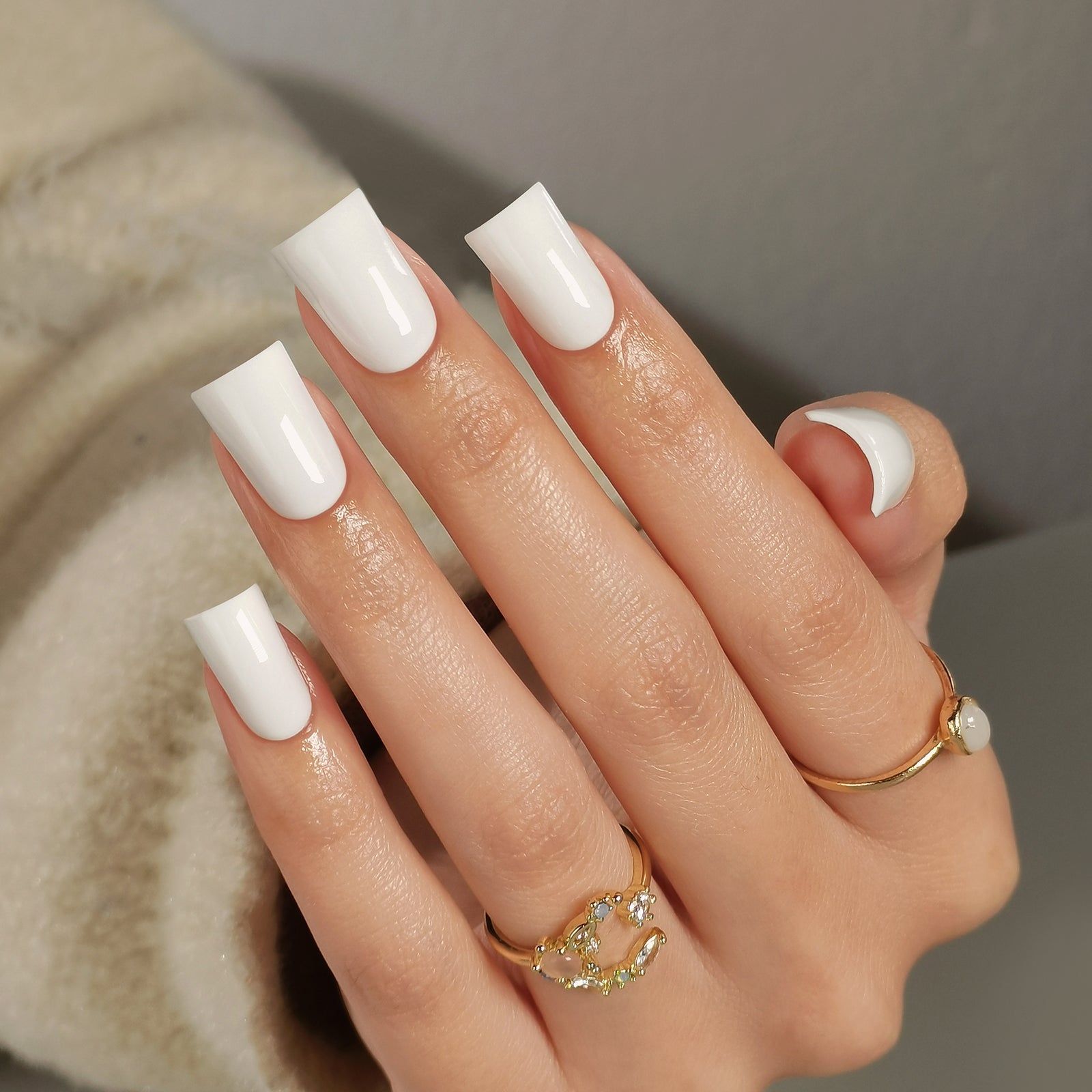
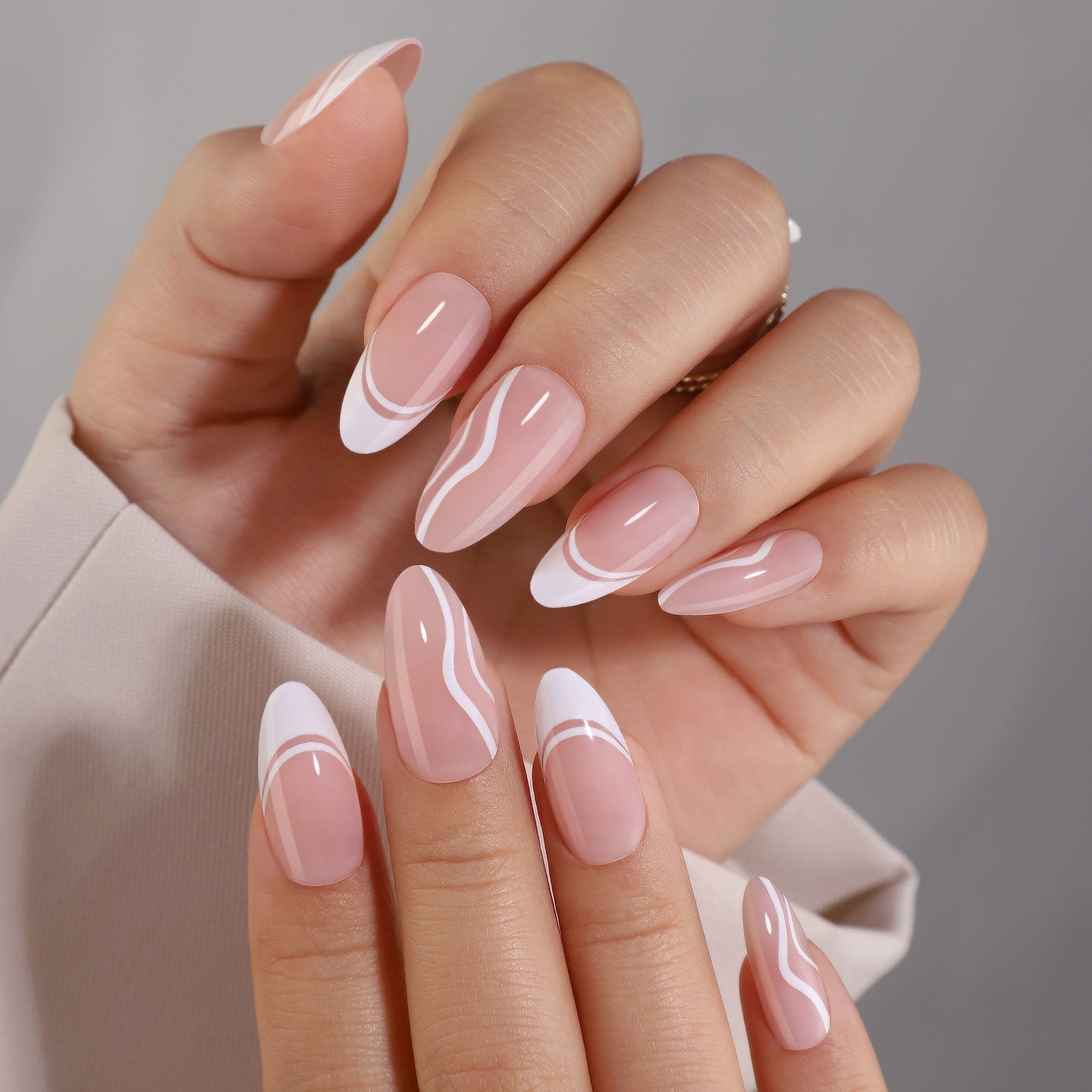









Short Nails vs Long Nails: Which Is Actually Better?
Short nails and long nails are two ends of a tradeoff — short nails (0–2 mm past the fingertip) win on hygiene, manual tasks, and nail-plate health, while long nails (6 mm or more) win on nail-art visibility and finger elongation, so neither is objectively better. Press-on nails allow switching between lengths without commitment, which is why many people now use press-ons to test lengths they would not choose for their natural nails.
The internet has strong opinions on this topic, and most of them involve personal bias in both directions. The short-nail side cites practicality and hygiene. The long-nail side cites aesthetics and femininity. Both have legitimate points that do not add up to a universal answer.
At a salon, testing a new length can mean a $60+ appointment before you know whether the shape fits your daily life. With press-ons, short, medium, and long sets cost roughly the same, so you can compare lengths before committing.
This guide approaches the question empirically. Eight dimensions, real tradeoffs, no predetermined winner. At the end, a decision framework that actually accounts for your life — not a default recommendation for everyone.
Not sure which shape, length, or size fits your natural nails?
Defining the Terms
Before comparing, it is worth establishing what "short," "medium," and "long" actually mean in practical terms.
| Length Category | Extension Past Fingertip | Typical Shapes |
|---|---|---|
| Extra Short / Natural | 0-1mm | Squoval, oval, round |
| Short | 1-3mm | All shapes, all compatible |
| Medium | 3-6mm | Almond, oval, square, squoval, coffin |
| Long | 6-10mm | Almond, coffin, square, stiletto |
| Extra Long | 10mm+ | Coffin, stiletto, square, dramatic forms |
For press-on nails, all five categories are available. For natural nails, most people's natural growth sits comfortably in the short-to-medium range before nails start breaking.
Comparison: 8 Dimensions
Dimension 1: Daily Function
Short nails: High functional compatibility across tasks. Typing at full speed — no adjustment. Opening containers, texting, playing piano, handling small objects, picking up coins — all equally accessible. Short nails are the default functional length because they do not change how the hands interact with the world.
Long nails: The hands adapt to long nails significantly. Typing style shifts from using fingertips to using the side of the finger — typing speed studies consistently show 10-15% reduction for people transitioning to long nails until adaptation occurs. Handling small objects (pills, contact lenses, thin paperwork) requires technique changes. Opening pull-tabs, peeling stickers, and handling fragile items all become more deliberate.
Winner: Short nails for function. Long nails require adaptation and limit some tasks permanently.
Dimension 2: Hygiene
Short nails: Easier to clean completely. No nail ledge to trap bacteria, food particles, soil, or product residue. Medical and food-handling professions mandate short nails for this reason. For contact lens wearers, short nails are essentially required for safe lens insertion and removal.
Long nails: The space between the free edge and the nail bed can trap contaminants that require deliberate cleaning. The CDC's clinical hand-hygiene guidance and AAD healthy nail tips both point toward keeping nails clean, short enough to manage, and free of trapped debris. A nail brush used specifically on the subungual space closes this gap, but it requires the additional step.
Winner: Short nails, significantly. This is not a close comparison.
Dimension 3: Nail Plate Health
Short nails: Less mechanical leverage. When a short nail catches on something, the force is applied close to the fingertip with minimal torque. Breaking is rare; when it does happen, the break is minor.
Long nails: More mechanical leverage means impacts are amplified at the nail plate. A long nail that catches on something experiences the same force applied across a longer lever — which increases the bending stress at the matrix. Onycholysis (nail plate separating from the nail bed) is significantly more common in long nails than short nails. The nail plate also has more surface area to be affected by systemic nutritional issues; deficiencies that produce subtle brittleness in short nails cause frequent breakage in long nails.
Winner: Short nails, clearly. Nail plate health research consistently favors shorter lengths.
Dimension 4: Aesthetics and Nail Art
Short nails: Less canvas for complex nail art. Some designs — detailed florals, full-nail patterns, dramatic shapes like stiletto — require length to look proportionate. French tips on very short nails can look compressed. That said, minimalist designs (solid colors, simple geometry, fine details) often look cleaner and more intentional on short nails than on long ones.
Long nails: More surface area for nail art and design. Complex designs have room to develop. Elongating shapes like almond and stiletto reach their visual peak at longer lengths. The high-fashion nail art seen in editorial photography almost universally uses medium-to-long nails because the design requires the canvas.
Beauty editors also keep press-ons in regular rotation; Allure's press-on nail guide is useful trend context for why switching length by occasion has become normal instead of unusual.
Winner: Long nails for nail art variety and visual impact. Short nails for minimalist and everyday wearable aesthetics.
Dimension 5: Professional Settings
Short nails: Universally accepted across all professional environments. Surgery, dentistry, food service, childcare, athletics, and military service all require short nails by regulation. Most professional dress codes default to short nails as the neutral expectation.
Long nails: Field-dependent. Creative industries (fashion, design, entertainment, marketing) have no restriction and often view long nails positively as an expression of creativity and aesthetic investment. Traditional professional environments (law, finance, corporate management, academia) generally have more conservative nail length expectations — not always formalized as policy, but present as cultural expectation.
Winner: Context-dependent. Short nails for universally safe professional contexts; long nails are fine in creative and progressive environments but risk misalignment in conservative fields.
Dimension 6: Sports and Active Lifestyle
Short nails: Compatible with almost all sports. Rock climbing, yoga, swimming, team sports, martial arts, gym work — short nails do not create any additional safety concerns and do not affect technique. Sports equipment (gloves, grip tape, equipment handles) fits normally.
Long nails: Significantly limit sports participation. Rock climbing with long nails is essentially impossible. Martial arts and grappling sports create high injury risk — both for the wearer and for others. Yoga practitioners with long nails find certain poses (plank, downward dog, arm balances) require technique adaptation. Gloves fit differently. Equipment grip changes.
Winner: Short nails, significantly. For active lifestyles, long nails are a persistent friction point.
Dimension 7: Typing Speed and Accuracy
Short nails: Natural finger-pad typing. The fingertip strikes the key with its pad, which is the biomechanically default typing position. No adjustment required.
Long nails: Keys struck with the edge of the finger rather than the pad. Studies of transcriptionists and fast typists show that adaptation to long nails is possible — experienced long-nail wearers report similar accuracy to short-nail wearers after weeks of adaptation — but typing speed during the adaptation period drops noticeably, and some users never fully recover their previous speed.
Mechanical keyboards with high actuation force are more difficult with long nails. Touchscreen typing on phones is not significantly affected because screens respond to any light touch.
Winner: Short nails for immediate performance. Long nails can adapt, but the transition is real.
Dimension 8: Cost
Short nails: Gel, acrylic, or press-on in short formats is consistently less expensive than long format across all service types. Less material, less time, lower cost. Natural short nails maintained with a good base coat and occasional manicure represent the lowest cost option entirely.
Long nails: Longer gel and acrylic sets cost more (more material, more time). They also require more frequent fills as growth occurs — at longer lengths, even 2-3mm of natural nail growth creates an obvious visual gap at the base. Long nails also have higher maintenance costs when they break — each break requires a nail technician visit for repair or replacement.
Press-on nails in long formats cost the same per set as short formats (same number of nails), which is part of the appeal — the length premium that exists at the salon does not exist with press-ons.
Winner: Short nails for total cost of maintenance. Long nails have higher ongoing costs.

The 8-dimension breakdown. Short nails win on function, hygiene, health, sports, typing, and cost (6 of 8). Long nails win on aesthetics and nail art canvas. Professional settings and cost are context-dependent.
When Short Nails Win
Short nails are the stronger choice for:
- Healthcare workers, surgeons, dentists, veterinarians, childcare workers, food handlers
- Musicians (piano, guitar, violin — long nails interfere with technique on all three)
- Athletes in any contact or grip-intensive sport
- People with naturally thin or brittle nails prone to breakage
- Daily contact lens wearers
- Anyone whose work involves significant manual dexterity (surgery, circuit work, watchmaking, gemology)
- People who prefer low-maintenance nail care
When Long Nails Win
Long nails are the stronger choice for:
- Creative professionals where nail aesthetics is a form of personal expression and professional brand
- People who enjoy nail art as a hobby and want the canvas to express it on
- Occasions and events where the nails are part of an intentional aesthetic
- Hands with wide nail beds or short-looking fingers where length creates visual elongation
- Situations where hand-in-frame photography matters (content creation, modeling, art direction)

Still not sure which option is worth trying first? Find your best set by solving the concern you just compared: fit, finish, wear time, or price.


The lifestyle split: short nails for function-first; long nails for expression-first. Both are legitimate design choices when they match the life being lived.
The Hand Shape Question
Nail length interacts with finger and hand proportions in ways that influence which length looks most natural.
Short, wide fingers: Longer nails create visual elongation. A medium-to-long almond or oval shape on a short finger reads as longer and more slender than a short nail on the same finger. For people with wide, square-looking finger proportions, going slightly longer (even medium length) with an elongating shape is flattering.
Long, slim fingers: Both short and long nails look proportionate. Short nails on slim fingers look clean and elegant. Long nails on slim fingers can look dramatic and very elongated — beautiful for some aesthetics, severe for others. If going long, avoid very narrow shapes (stiletto) that emphasize the slimness further if that is not the intent.
Short nail beds (wide at base, short length): Longer extensions can look disproportionate because the base width creates a low aspect ratio that a long extension exaggerates. Medium length with almond or oval shape is usually most proportionate.
Long nail beds: Any length works. Long nail beds have more visual space for the nail to develop before extending past the fingertip, so medium and long extensions look naturally proportionate.

Length matching by finger type. The rule is not "long nails are always more elegant" — it is "the length that creates the most proportionate fingertip profile is the right length for your hand."
How Press-On Nails Change This Equation
The traditional framing of "short vs long" assumed your nail length was a fixed characteristic of your natural nails — either you grew them out or you cut them. Press-on nails fundamentally change this.
With press-ons, you can wear long nails for a weekend event, remove them cleanly, and have short nails for Monday's surgical rotation. You can test the look and feel of extra-long coffin nails without committing to growing your natural nails for six months. You can have medium nails on a Tuesday and dramatic long nails on Saturday.
This is the genuinely practical advantage that press-ons offer beyond the cost and convenience arguments: they separate the aesthetic choice from the functional reality. Your natural nails can be short (for all the functional reasons in this guide), while your occasional nail aesthetic can be whatever length serves the occasion.
SHANGMENG's press-on sets are available across all length categories — from extra-short (natural-length) formats that look like well-groomed natural nails to extra-long dramatic sets for events and content creation. The soft gel material ensures that regardless of length, the nail has appropriate flexibility — longer press-ons benefit from the controlled flex more than shorter ones, which is why the material choice matters more as length increases.
SHANGMENG customer review (5/5, verified): "I'm a nurse so I keep my natural nails super short. But I wear SHANGMENG sets on my days off and it's like having two completely different hands. My colleagues don't believe I can go from surgery nails to these glamorous long coffins in 20 minutes."
With hundreds of verified reviews at 4.94/5.0, this flexibility between functional and aesthetic contexts is one of the most frequently cited reasons customers return.
 The same person, same week. Monday: short natural nails for work. Saturday: long SHANGMENG press-ons for a social event. Press-ons remove the either/or constraint of the short-vs-long debate.
The Decision Framework
| If your priority is... | Choose... |
|---|---|
| Maximum daily function | Short (2-3mm) |
| Best hygiene | Short (0-2mm) |
| Nail plate health | Short to medium (2-5mm) |
| Maximum nail art display | Long (8-12mm) |
| Looking professional in conservative fields | Short to medium (2-4mm) |
| Looking professional in creative fields | Any length — personal aesthetic applies |
| Athletic performance | Short (0-2mm) |
| Occasional aesthetic occasions | Use press-ons for long nails on the occasion |
| Elongating short or wide fingers | Medium to long (5-10mm) with almond or oval |

The decision framework simplified. Most people's honest answer falls cleanly into one of three paths: function-first (short), aesthetics-first (long), or both (short natural nails plus long press-ons for occasions).
FAQ
Q: Are long nails actually dirtier than short nails? Yes, according to CDC and AAD guidance. Longer nails have a larger subungual (under-nail) space that traps bacteria, yeast, and debris that standard handwashing does not effectively remove. A nail brush used specifically in the subungual space during handwashing closes most of this gap, but the additional step is required. This is the basis for length restrictions in medical, food handling, and childcare professions.
Q: Do long nails damage the natural nail matrix? Long nails themselves do not damage the nail matrix, which is located under the proximal nail fold and is not affected by nail length. However, the increased leverage of longer nails means breaks and impacts are more severe — and a forceful break at long length can cause avulsion (nail plate ripping away from the nail bed) that does affect the nail bed and potentially the matrix. This is why nail plate health rates are better in short-nail wearers.
Q: Which nail length is most appropriate for a job interview? For most professional interview settings, short to medium length (2-5mm) with neutral colors (nude, soft pink, taupe, clean French tip) is the safest choice. This length and color range is universally accepted across industries. Creative industries are genuinely more flexible — a full set of long nails in an interesting color or design is appropriate for an interview at a fashion brand, design agency, or entertainment company. When in doubt, lean shorter and neutral.
Q: Can I make short nails look longer? Yes, with three specific techniques: shape selection (almond and oval shapes elongate more than square or round), color selection (nudes and light pinks that closely match your skin tone create an unbroken skin-to-nail color line that makes fingers look longer), and cuticle care (well-groomed cuticles that are pushed back expose more of the nail plate). Press-on nails in a short-medium length with almond shape accomplish all three simultaneously.
Q: Is there a nail length that works for both practical daily life and aesthetic occasions? Medium length (3-6mm) in an almond or oval shape is the strongest compromise for people who want one length for all contexts. It is short enough for typing, sports, and most professional settings, and long enough for nail art and a visible aesthetic statement. Alternatively, short natural nails maintained for daily life combined with occasional press-on sets for events is the approach many wearers land on.
Q: Do long nails look better or worse as people age? Longer nails can look appropriate at any age. What changes with age is not the length itself but the condition of the nail plate and surrounding skin — thin, ridged nails with dry cuticle skin at very long lengths can read as neglected. Well-maintained longer nails at any age read as intentional. Short nails with good grooming are also universally flattering at any age. There is no length that becomes "too old" — the maintenance quality is more relevant than the length.
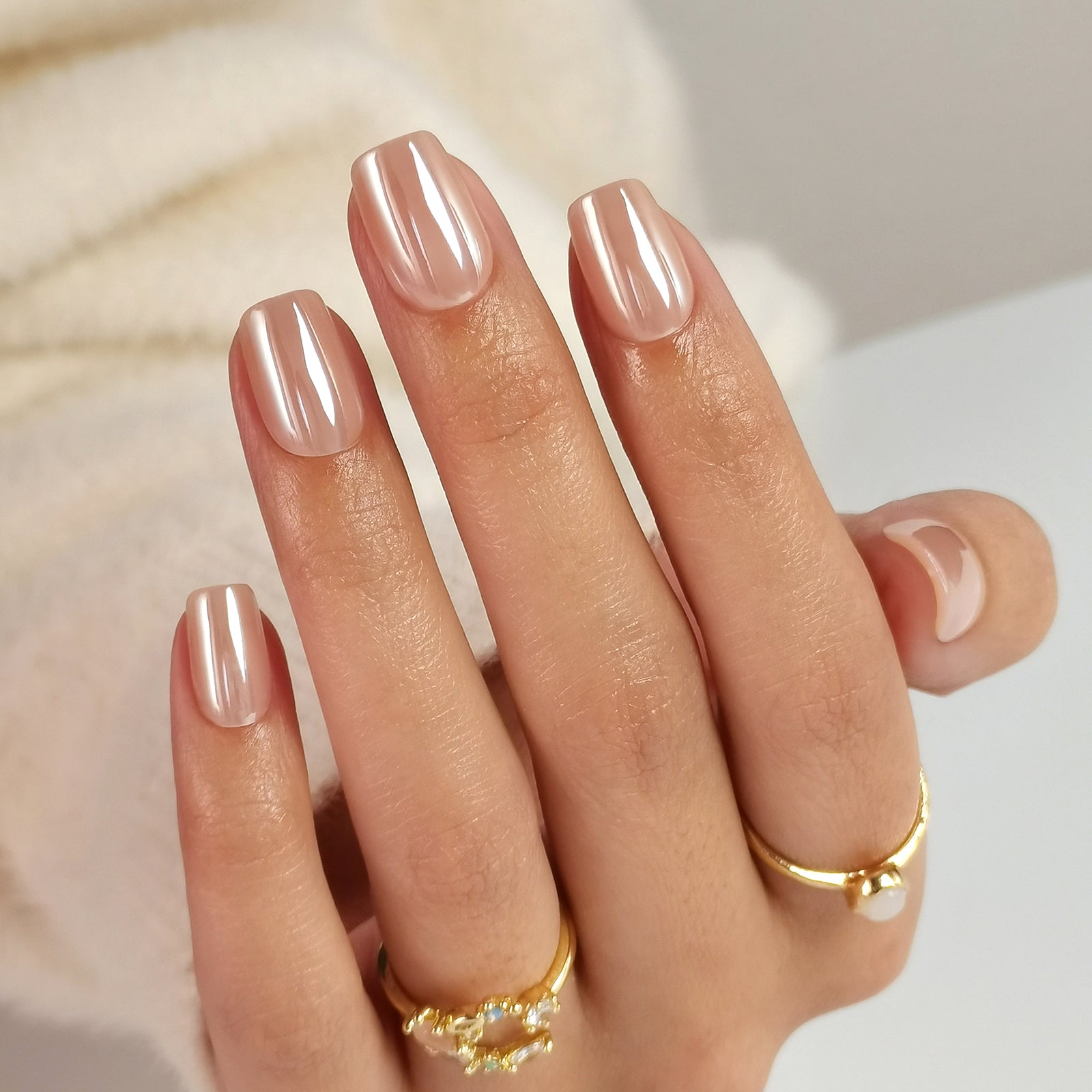
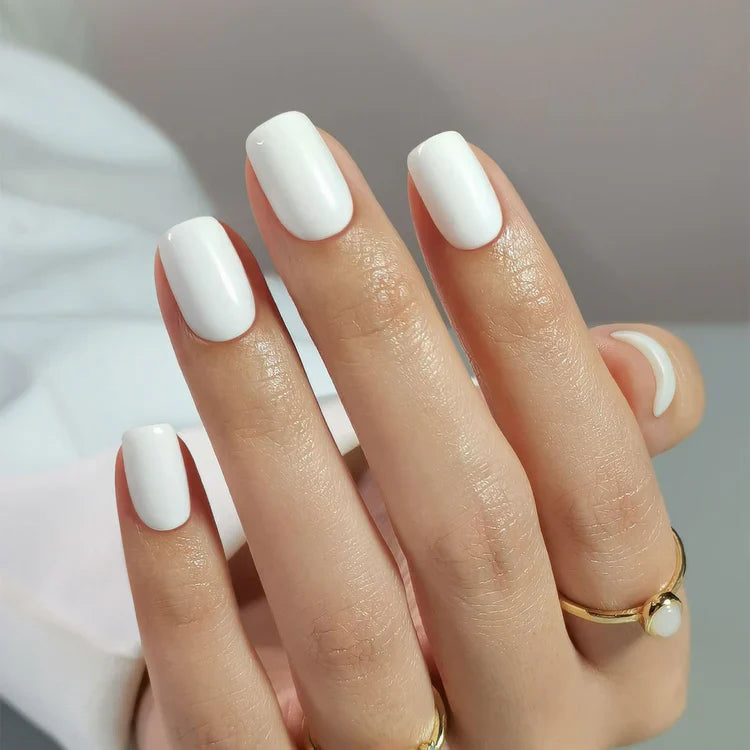
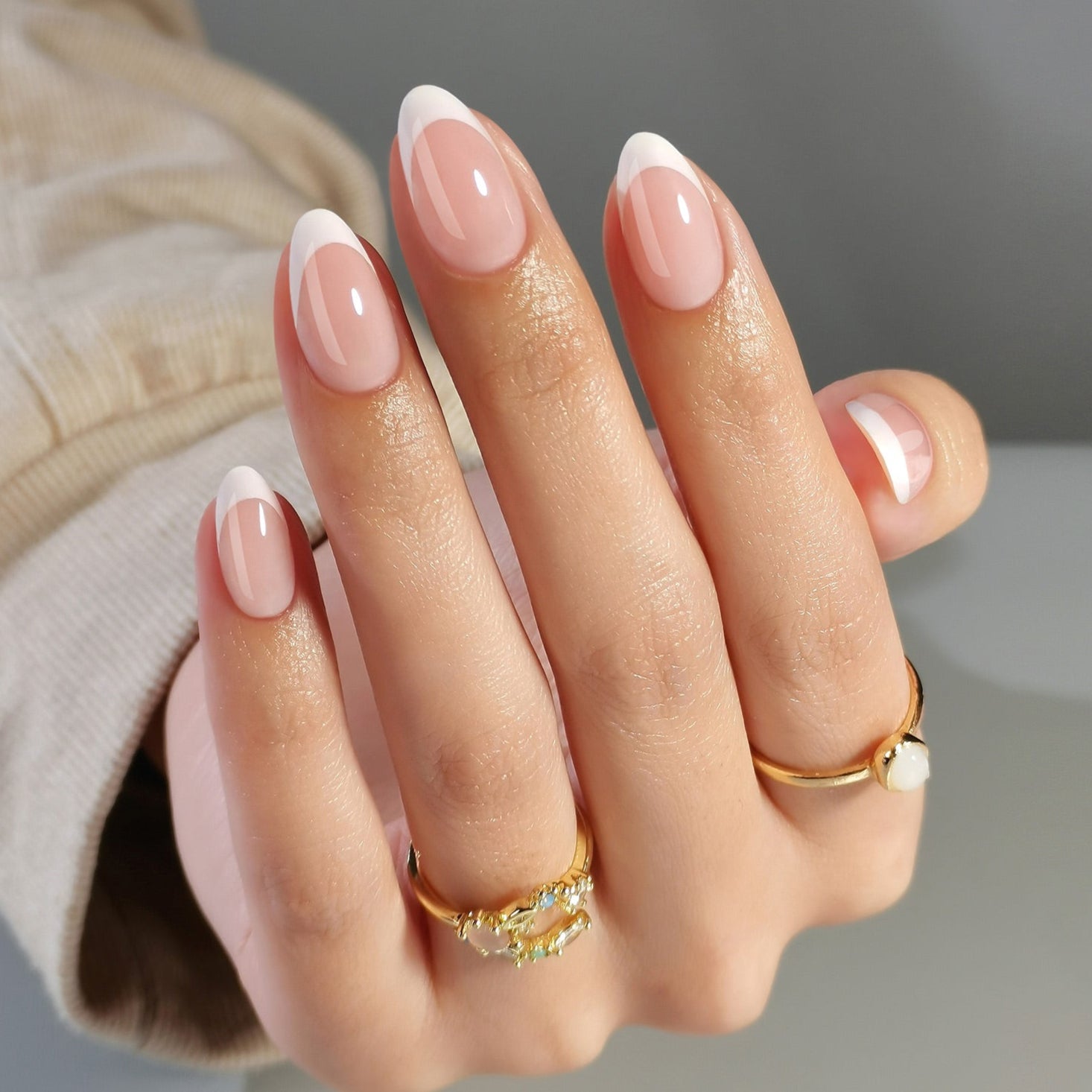
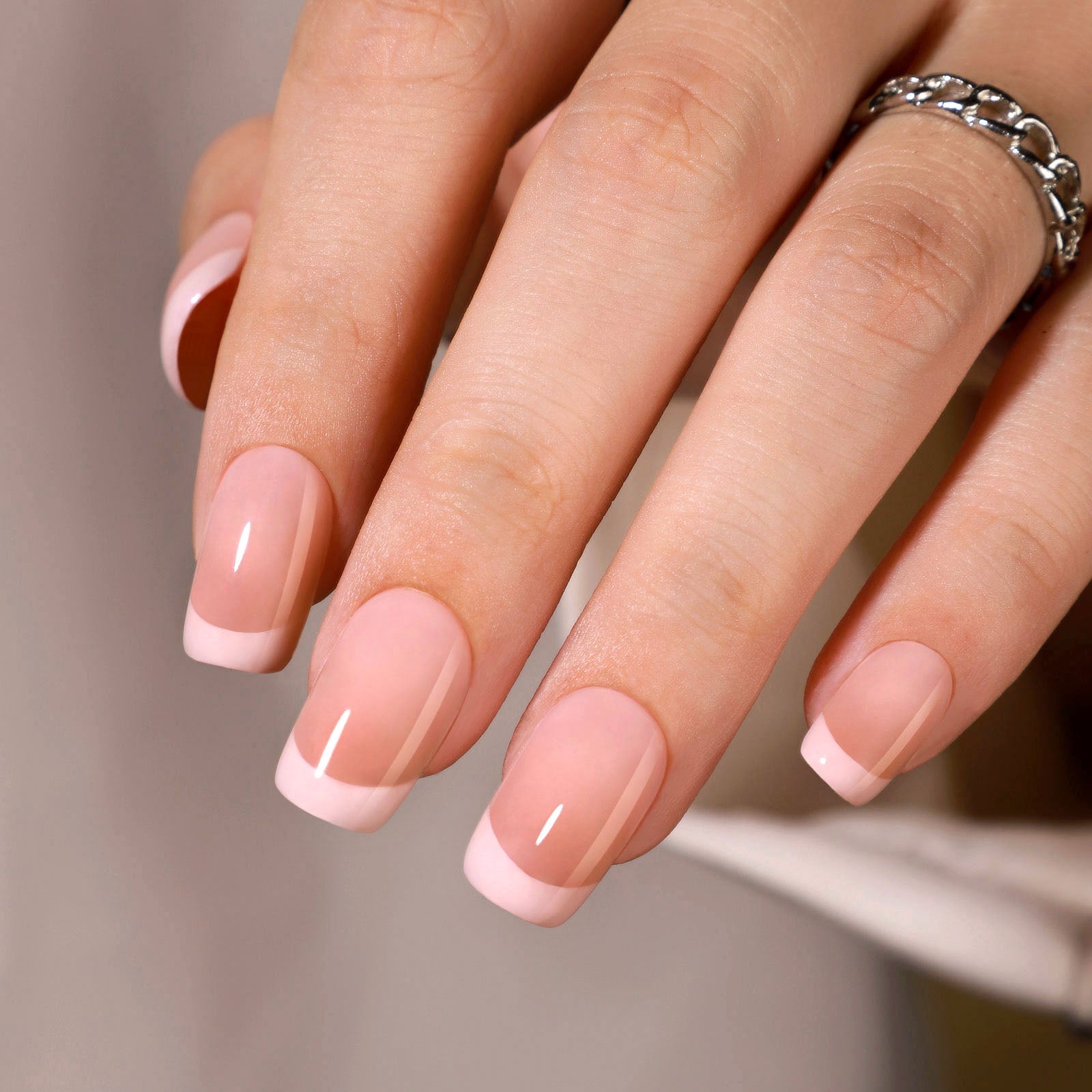
 Short nails with intentional nail art. The small canvas requires different design choices than long nails, but the result can be equally considered and visually satisfying.

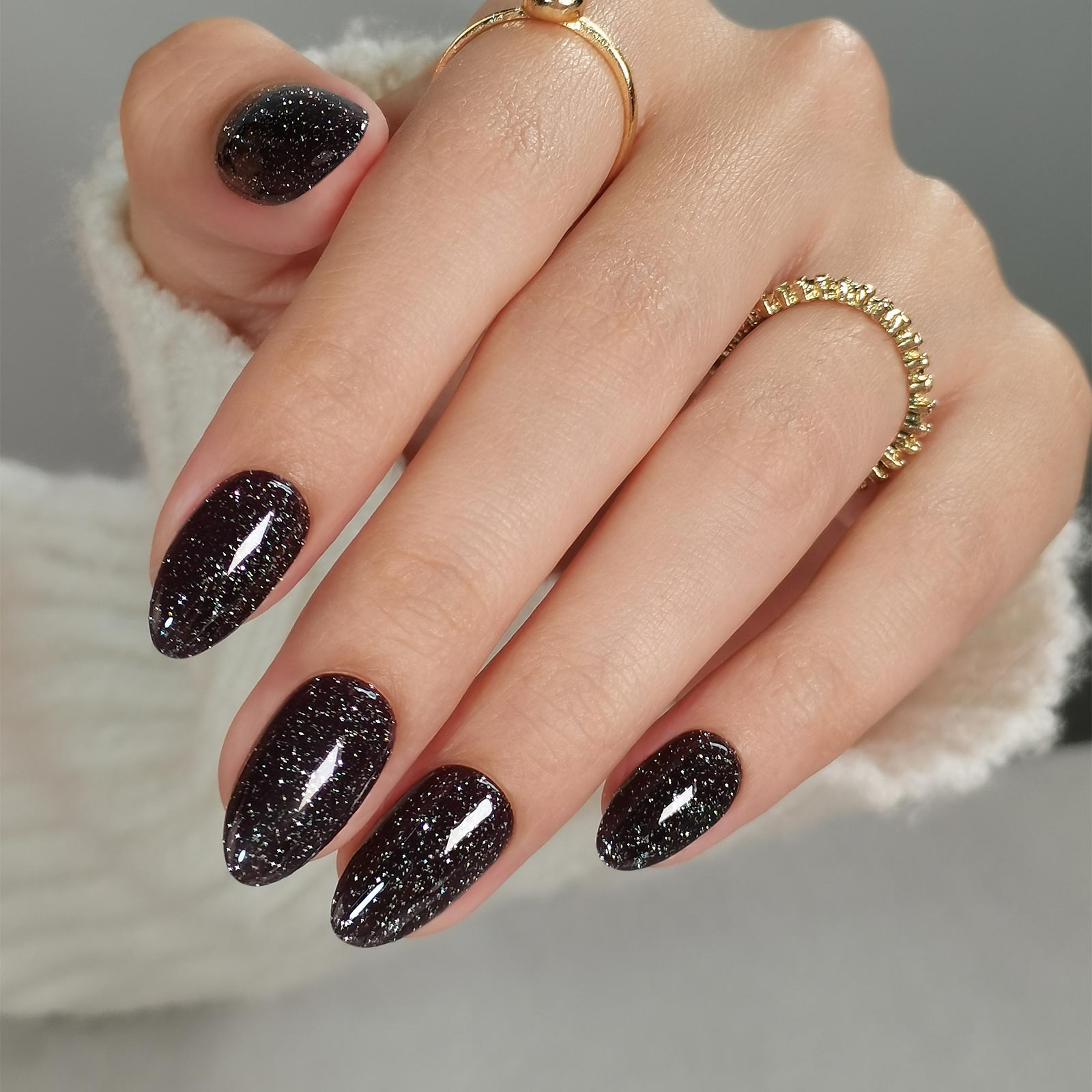
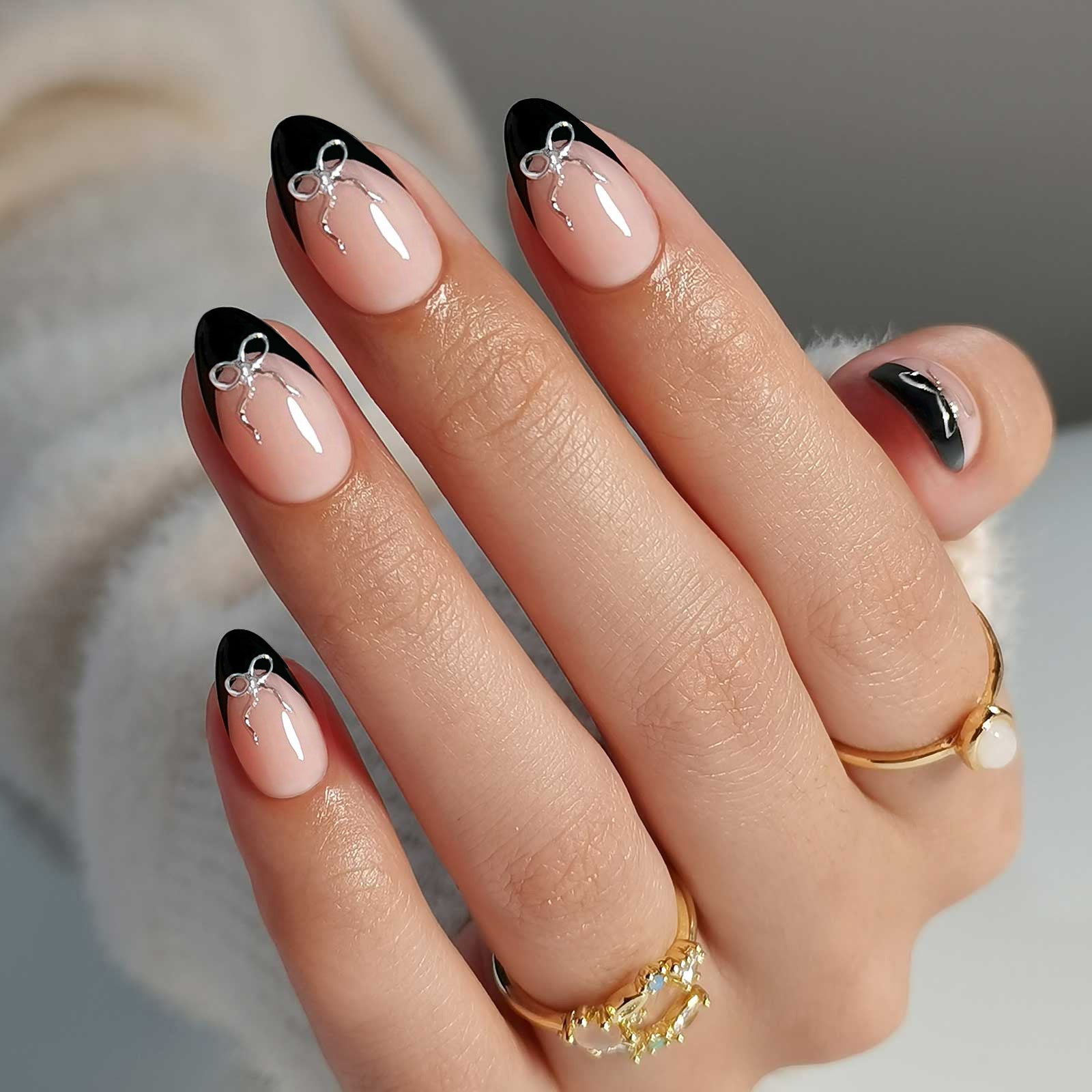
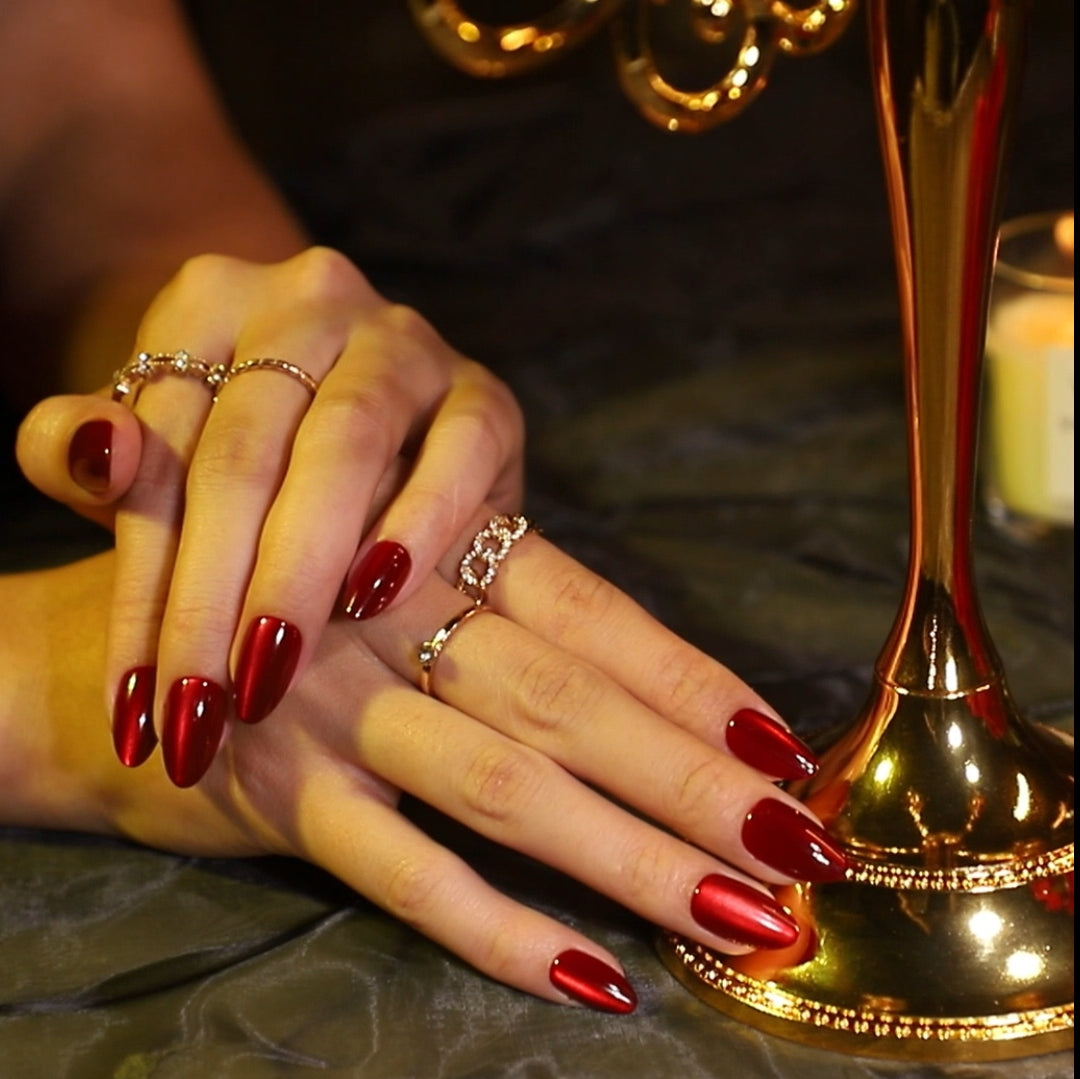
SHANGMENG's length range: the same soft gel quality across all lengths, from natural-length short sets to editorial extra-long. The length decision does not require a commitment when press-ons are the format.
Short nails win on six of eight objective dimensions. Long nails win on the dimensions that many people care most about: aesthetics, nail art, and visual expression.
The honest answer is that neither is better — they serve different purposes, and the right choice depends entirely on how you actually live.
And if you want both, press-ons make that possible.
Browse SHANGMENG by length: Short press-on sets | Medium press-on sets | Long press-on sets — all in the same soft gel quality, same hundreds of-review-backed quality.
For shape guidance: Read our nail shape guide to pair the right shape with your chosen length.
For application technique: Our complete press-on nail guide covers sizing, prep, application, and removal for every length category.
Share