


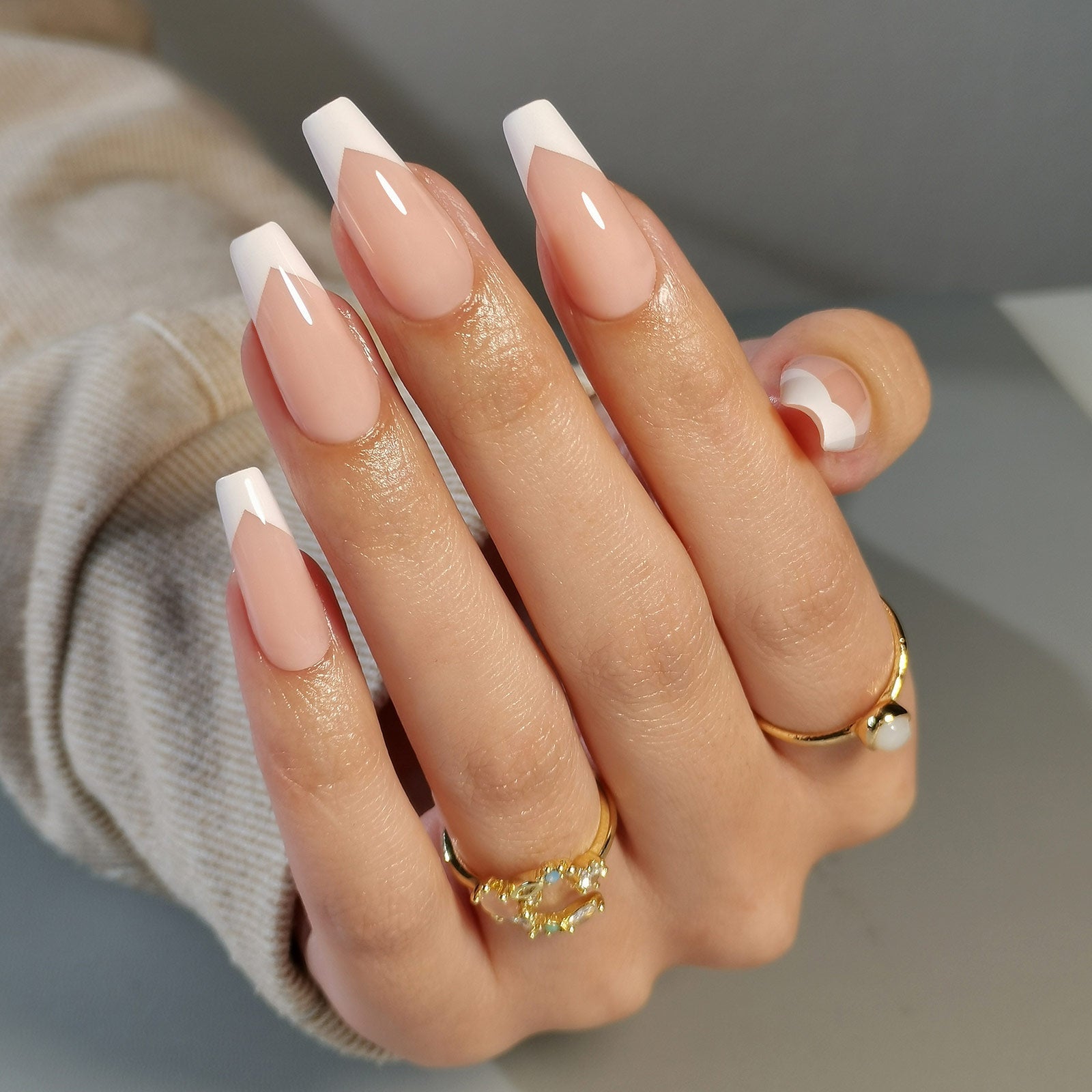
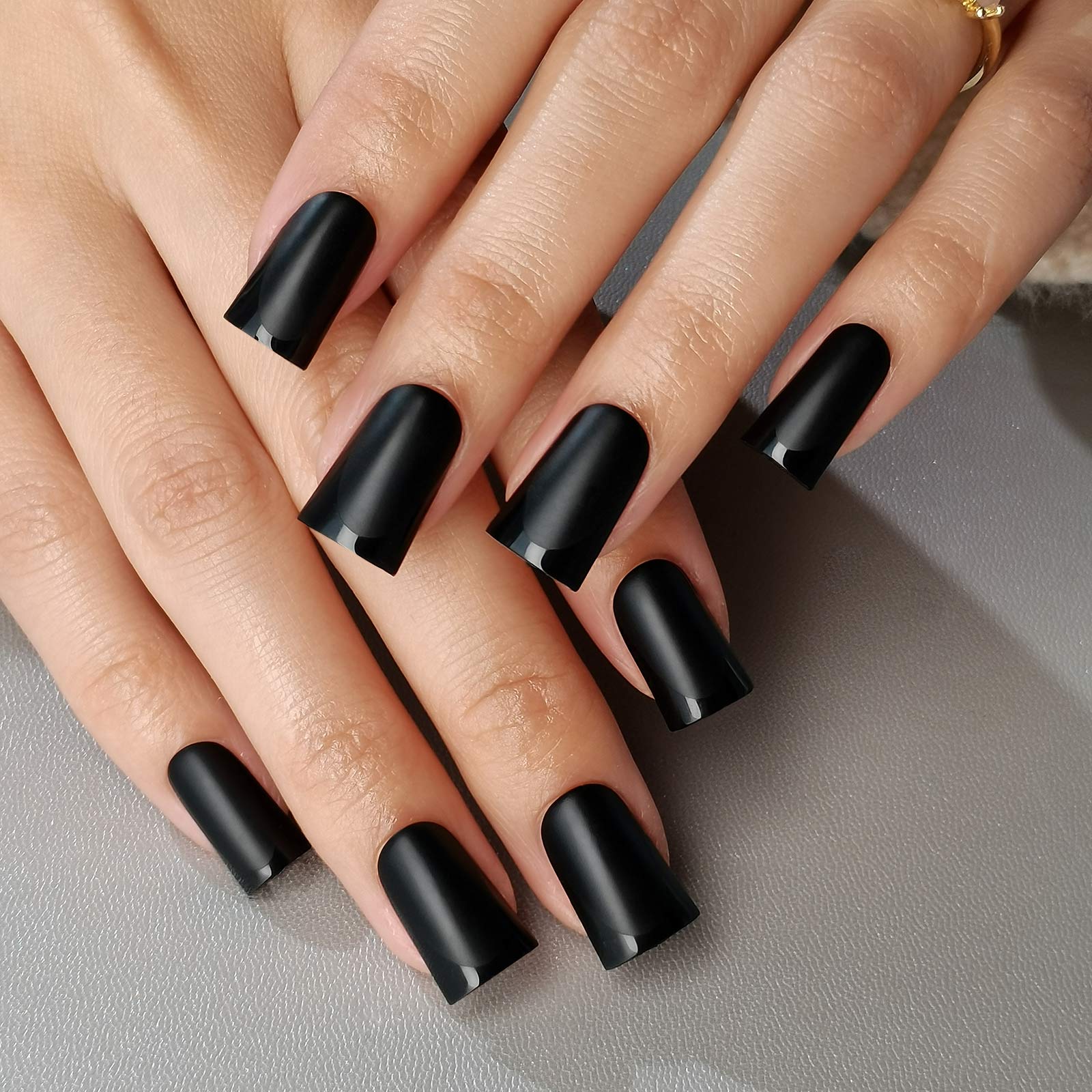


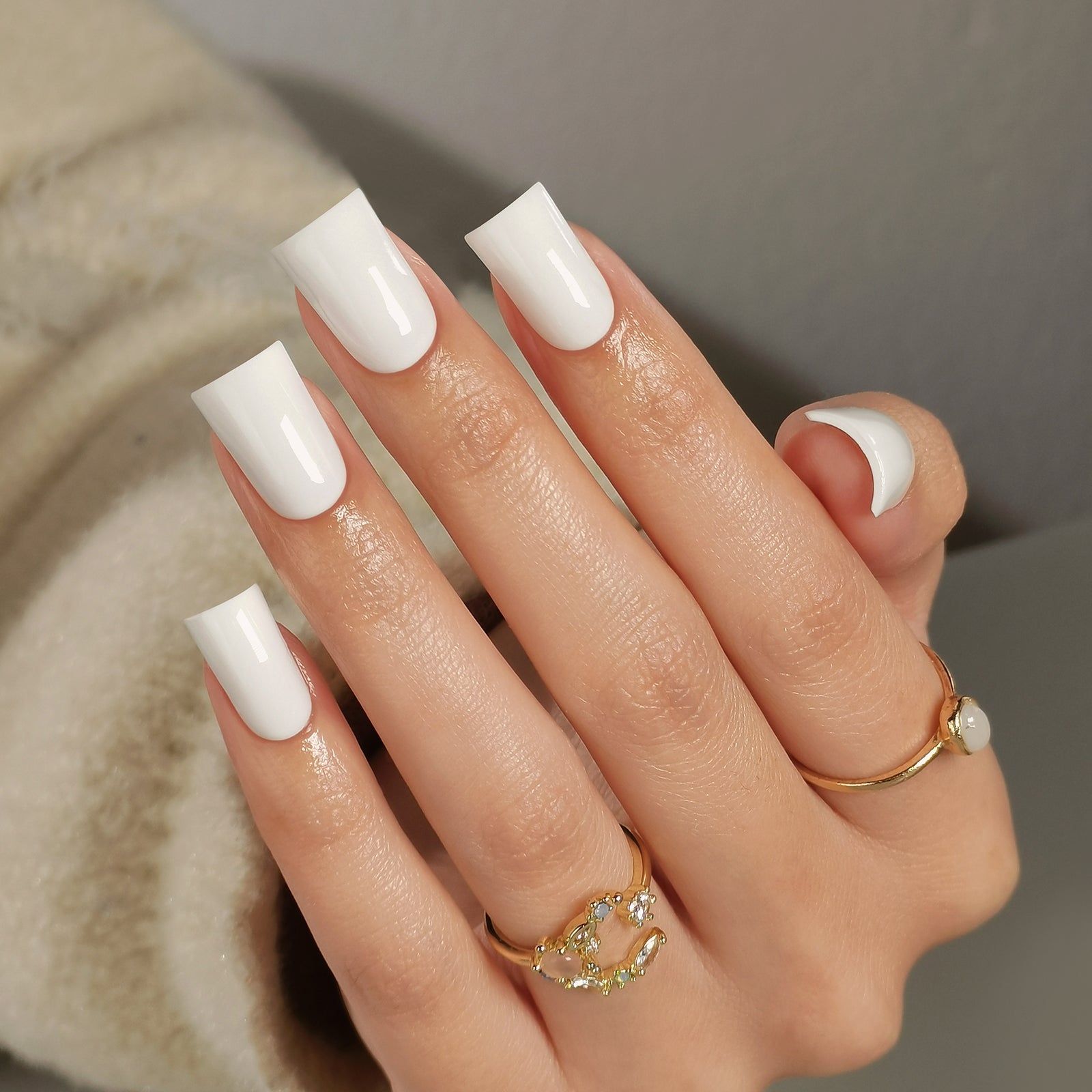
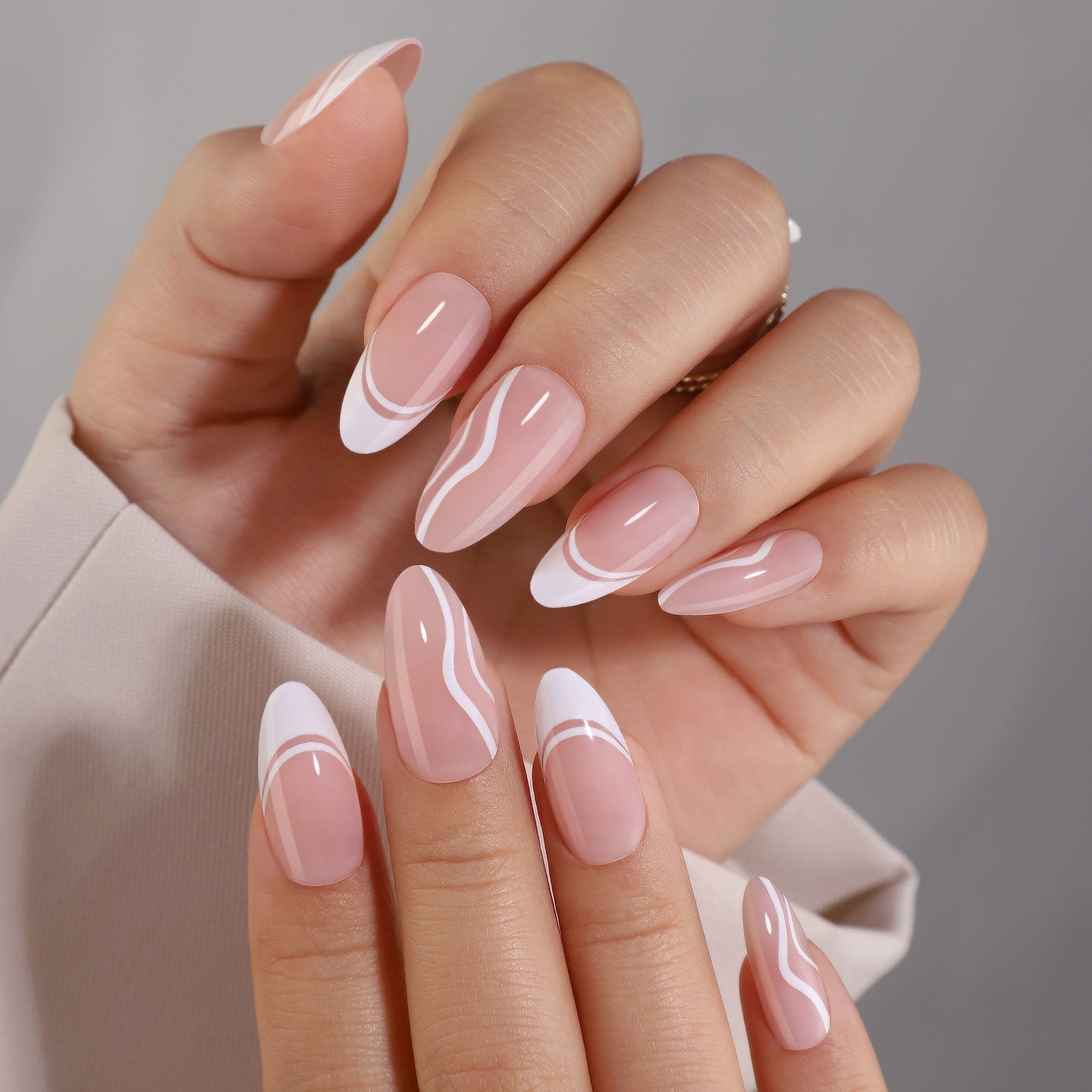









Best Nail Glue for Fake Nails: 7 Tested Options Ranked
Written by SHANGMENG Team
The short answer: The best nail glue for fake nails is a thin, brush-on cyanoacrylate formula that sets in under 30 seconds and bonds press-ons for 7–14 days without lifting at the edges. Squeeze-tube glue wastes product and floods the cuticle. Glue pens work well for touch-ups. Gel adhesive is the safest option for sensitive skin but requires a UV or LED lamp to cure.
For broader context, aad.org and aad.org are useful independent references when comparing at-home nail routines with salon-style results.
We tested seven glue formats across four criteria — bond strength, drying time, ease of removal, and skin safety — and ranked them from strongest all-around performer to most situational. One of these options ships inside every SHANGMENG press-on nail kit, which changes the value calculation significantly.
Why the Format of Nail Glue Matters More Than the Brand

Most nail glue for press-ons shares the same active chemistry: cyanoacrylate, the same compound in surgical skin adhesives and precision hobby glue. The bond strength difference between brands is smaller than most reviews suggest.
What actually separates a 3-day manicure from a 12-day one is how you deliver that adhesive to the nail surface.
| Format | Best for | Weak spot |
|---|---|---|
| Brush-on bottle | Full application, 1–2 week wear | Bottle seizes up after 3–4 uses if not sealed |
| Squeeze tube | Budget pick | Dispenses too much, floods cuticle |
| Glue pen | Touch-ups, on-the-go repairs | Not enough volume for full set |
| Gel adhesive (UV/LED) | Sensitive skin, gentle removal | Requires lamp; takes 60 seconds to cure |
| Tab + glue hybrid | Beginners building technique | Lower max hold than pure glue |
| Gel nail tabs | Daily rotation, short wear | 3–5 day ceiling |
| Kit-included glue | Default start point | Quality varies by brand |
The 4 Criteria We Used to Score Each Option
Before the rankings, here's the rubric. Every format was evaluated on the same scale (1–5) across four dimensions:
Bond Strength — Does the nail stay put through dishwashing, typing, and a gym session?
Drying Time — How long until you can safely use your hands?
Ease of Removal — Can you get nails off without damaging your natural nail plate?
Skin Safety — Does it require skin contact? Does it irritate the cuticle or surrounding skin?
A perfect score is 20. Nothing scored a perfect 20 — every format has a trade-off.
7 Types of Nail Glue for Fake Nails, Ranked
#1 — Thin Brush-On Nail Glue (Overall Best)

Score: 18/20 — Bond: 5 | Dry time: 5 | Removal: 4 | Skin safety: 4
This is the format that professional nail technicians use, and it's the reason salon-style press-on wear is achievable at home. A brush applicator deposits a controlled, even layer across the inner surface of the press-on. No pooling, no air pockets.
Why it wins: The thin formula wicks into the micro-texture of a buffed natural nail and the press-on surface simultaneously. That contact surface area is what creates 10–14 day wear. One customer confirmed the ceiling is real: "I decided to use the glue and got just over a week of wear" — on a set she had previously only worn for 3 days using tabs.
Watch out for: The brush tip dries out between uses if you don't seal the cap fully after every application. Store upright, cap sealed tight.
Best pick: Any thin-viscosity brush-on formula specifically designed for press-on or acrylic nails. Check that the cap has a brush built into the lid, not a separate applicator.
#2 — Kit-Included Nail Glue (Best Value, Zero Extra Cost)
Score: 17/20 — Bond: 4 | Dry time: 5 | Removal: 4 | Skin safety: 4
Every SHANGMENG 32 Nails · 16 Sizes kit includes both a nail glue bottle and adhesive tabs in the box. For most people, this eliminates the need to buy glue separately.
The included glue is a brush-on cyanoacrylate — same chemistry as the premium standalone options — with a slightly thicker viscosity than the #1 pick. The trade-off: bond holds 7–10 days reliably rather than 12–14, which is plenty for most occasions.
The real value argument: A standalone nail glue brush-on costs $4–8. When glue is already in the box, you're getting a complete kit at a price that competitors charge for nails alone. One reviewer made this calculation herself: "These nails may be a little more expensive but I really think it's worth it" — referring to how the full-kit value compares to buying components separately.
When to upgrade to a standalone: If you're doing multiple sets back-to-back, or if you want maximum 14-day hold, buy a dedicated thin brush-on bottle as a supplement.

#3 — Nail Glue Pen (Best for Touch-Ups)
Score: 15/20 — Bond: 3 | Dry time: 5 | Removal: 4 | Skin safety: 3
A nail glue pen looks like a fine-tip marker. You click the end to release adhesive to the tip, then draw a precise line or dot onto the nail surface. The precision is genuinely impressive for reattaching a single nail that's started to lift.
Why it's not ranked higher: The reservoir volume is too small for a full 10-nail application. You'll run out of glue before you run out of nails, or you'll get inconsistent coverage on the later fingers as the pen runs low.
Best use case: Keep a glue pen in your bag for emergency repairs. If one nail pops at work or during travel, the pen reattaches it cleanly without making a mess.
For a fuller discussion of fingernail glue formats and chemistry, that guide covers the full product landscape.
#4 — Professional Nail Gel Adhesive (Best for Sensitive Skin)
Score: 14/20 — Bond: 4 | Dry time: 3 | Removal: 5 | Skin safety: 5
Gel adhesive is a different chemistry class from cyanoacrylate — it's a resin that cures under UV or LED light, similar to gel polish. The bond is strong (4–7 day wear), but the reason sensitive-skin users prefer it is the removal story: it softens and peels off with gentle pressure and warm water, with almost zero trauma to the natural nail.
The trade-off: You need a lamp. The cure time is 30–60 seconds per nail under LED. That's 5–10 minutes total for a full set, compared to 30 seconds of press-and-hold with cyanoacrylate glue.
Who it's for: Anyone who reacts to cyanoacrylate with skin redness or burning around the cuticle. The gel formula sits only between nail surfaces and doesn't spread to skin if applied carefully.

#5 — Squeeze Tube Nail Glue (Budget Option, Use Carefully)
Score: 12/20 — Bond: 3 | Dry time: 4 | Removal: 3 | Skin safety: 2
Squeeze tube glue is the format most people picture when they think "nail glue." The nozzle tip dispenses glue by squeezing the flexible body. It's inexpensive and widely available.
The problem: Control. Cyanoacrylate flows freely once pressure is applied, and the slightest over-squeeze floods the cuticle. Glue on skin sets in seconds and bonds skin to nail, which is both uncomfortable and can damage surrounding tissue when you try to separate it.
If you use it: Apply to the press-on surface only, not the natural nail. Use the very tip of the nozzle and apply one drop per nail rather than a line. Work quickly and cap immediately. This format answers the frequently-asked question about whether you can use super glue for nails — the chemistry is similar, but the applicator control is far better on nail-specific products.
#6 — Gel Nail Tabs (Best for Beginners, Short Wear)
Score: 11/20 — Bond: 2 | Dry time: 5 | Removal: 5 | Skin safety: 5
Gel nail tabs are double-sided adhesive pads — no liquid, no mess, no lamp required. They're not nail glue in the traditional sense, but they occupy the same decision space: how do I attach these nails?
Honest ceiling: 3–5 days with no water exposure, 2–3 days if you wash dishes or spend time in the pool. They are not a long-wear option.
Where tabs win: Full reusability. Tabs preserve the press-on nail itself better than glue, since removal requires no soaking, no chemicals, and no force. If you have a set of press-ons you want to rotate across multiple occasions, tabs extend the life of the nails themselves.
SHANGMENG kits include adhesive tabs alongside glue specifically so you can choose the method that fits your week — not because one is always better.
#7 — Tab and Glue Hybrid Application (For Beginners Building Toward Glue)
Score: 10/20 — Bond: 3 | Dry time: 4 | Removal: 4 | Skin safety: 4
Some users apply a thin layer of nail glue to the natural nail, then press the adhesive-tab side of the press-on down to create a hybrid bond. The idea is that the tab provides immediate grip while the glue cures underneath.
Why it ranks last: In practice, the two adhesive types don't synergize well. The tab layer prevents the cyanoacrylate from making full contact with the nail surface, reducing the bond strength of both. You end up with 5–6 day wear instead of 7–14 day (glue alone) or 3–5 day (tabs alone).
When it's useful: As a teaching step. If you're uncomfortable with pure-glue application, this hybrid gives you a feel for the pressing and aligning process while still holding for a few days. Graduate to glue-only once the technique feels natural.
How to Get the Most from Any Nail Glue for Fake Nails
Regardless of which format you choose, prep accounts for 70% of your wear time. Here's the non-negotiable checklist:

- Push back cuticles before you start. Glue on top of cuticle skin = lift point.
- Buff the natural nail lightly. The goal is to break the surface gloss, not thin the nail. Use a 180-grit buffer with 3–4 gentle passes.
- Wipe with 70%+ isopropyl alcohol. This degreases the surface and removes any buffing residue. Let it dry completely — 30 seconds.
- Size before gluing. Hold every press-on to its finger before you open the glue. The correct size covers the nail bed side-to-side without touching skin.
- Apply glue to the press-on, not your natural nail (for brush-on and pen formats). This gives you more control and less risk of skin contact.
- Press and hold for 15 seconds. Start at the cuticle, rock toward the tip, and apply firm pressure. The bond sets in this window.
- Wait 1 hour before water exposure. Cyanoacrylate continues to cure after the initial set.
For a full walkthrough of the application process, including the "sandwich" technique for maximum hold events, see our complete guide to nail glue for press-on nails.
Related Collections
Browse our curated collections to find the perfect press-on nails for your style:
Nail Glue for Fake Nails: FAQ
Does nail glue damage natural nails? Nail glue itself is not inherently damaging — cyanoacrylate is used medically for wound closure and is biocompatible when cured. Damage occurs during incorrect removal: prying, peeling, or forcing nails off without soaking. Always soak for 10–15 minutes in warm soapy water before removal.
What's the difference between nail glue and super glue? The chemistry is nearly identical — both are cyanoacrylate-based. Nail-specific glue is formulated to be less brittle when cured (which prevents nail cracking), and the applicator is designed for precision. This is covered in detail in our super glue vs nail glue guide.
How long does nail glue hold fake nails? Brush-on nail glue holds 7–14 days with proper prep. Squeeze tube holds 3–7 days. Adhesive tabs hold 3–5 days. Wear time drops significantly if you skip the buffing and degreasing steps.
Can I reuse fake nails after glue application? Yes, 2–4 times typically. After soaking and removal, clean any glue residue from the inside of the press-on with acetone on a cotton swab. The nail itself is reusable; you'll need fresh glue for each application.
What do I do if nail glue gets on my skin? Don't pull. Apply a small amount of acetone (nail polish remover) to a cotton swab and hold it against the bonded area for 30–60 seconds. The bond softens and releases. Never use mechanical force on bonded skin.
Is nail glue pen or brush-on better? Brush-on for a full set. Pen for on-the-go repairs and single-nail touch-ups. A brush deposits more controlled volume across a larger surface; a pen is better suited for precise point applications.
Why does my nail glue dry out so fast? Cyanoacrylate cures on contact with moisture — including humidity in the air. Seal the cap immediately after each nail. Store upright in a cool, dry place. If the brush tip has dried adhesive on it, clean with acetone before the next use.
Quick Reference: Which Glue Format Should You Buy?
| Your situation | Best format |
|---|---|
| Want 10–14 day wear | Thin brush-on cyanoacrylate |
| Already have a SHANGMENG kit | Use the included glue first |
| Need a travel/repair solution | Nail glue pen |
| Sensitive skin or cyanoacrylate reactions | Gel adhesive (UV/LED) |
| Beginner, first time | Adhesive tabs → graduate to glue |
| Budget is the priority | Squeeze tube (apply carefully) |
If you're starting out with press-ons and aren't sure which full kit to choose, the beginner's guide to press-on nails covers sizing, shapes, and what comes in a complete kit — including why SHANGMENG's 32-nail, 16-size format leaves you with backup sizes rather than a bag of nails that don't fit.
Related reading: - Best Nail Glue for Press-On Nails — standalone glue product rankings - Fingernail Glue: Complete Format Guide — chemistry, viscosity, and comparison - Super Glue for Nails: Is It Safe? — honest answer with caveats - Press-On Nails for Beginners — where to start if this is your first set
Share