


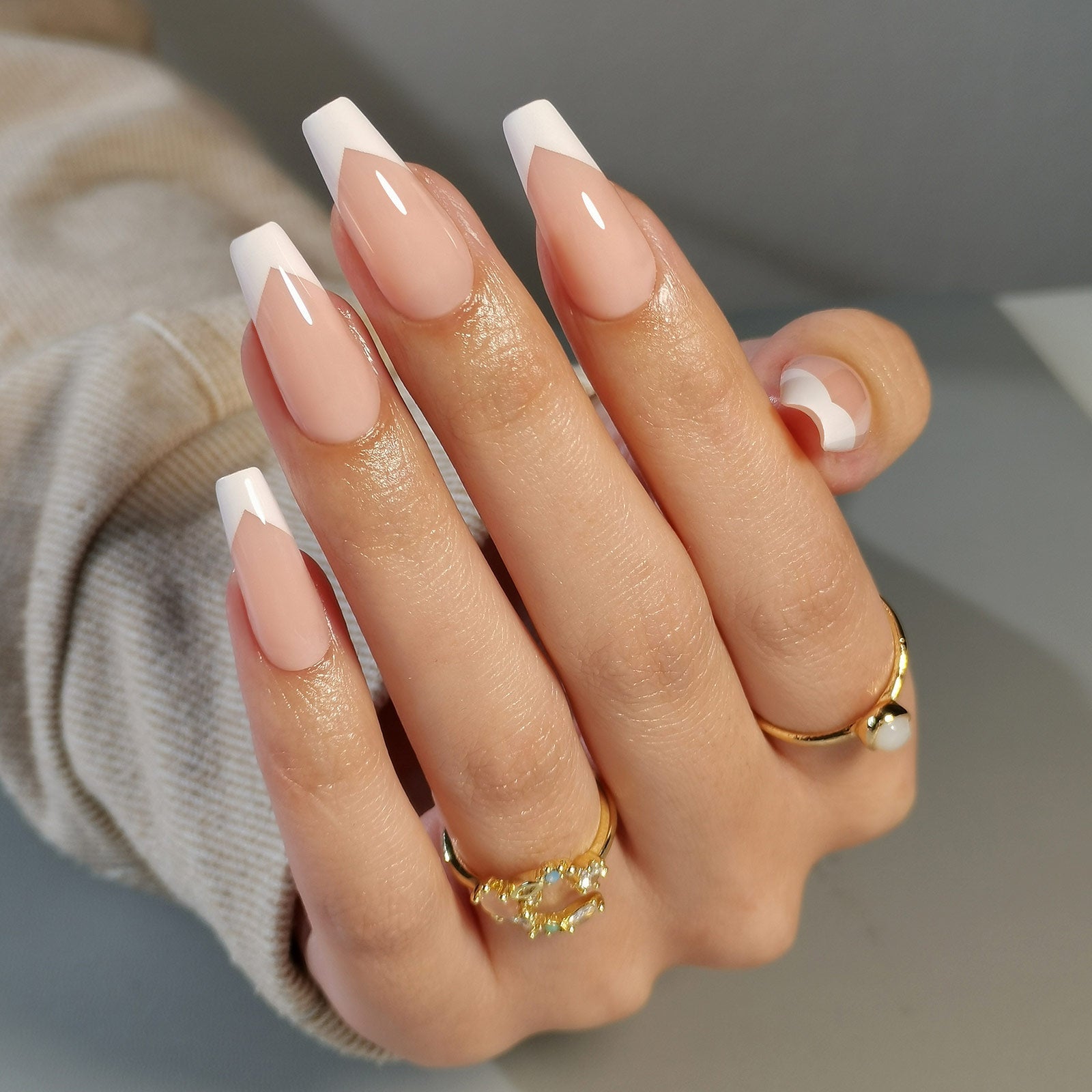
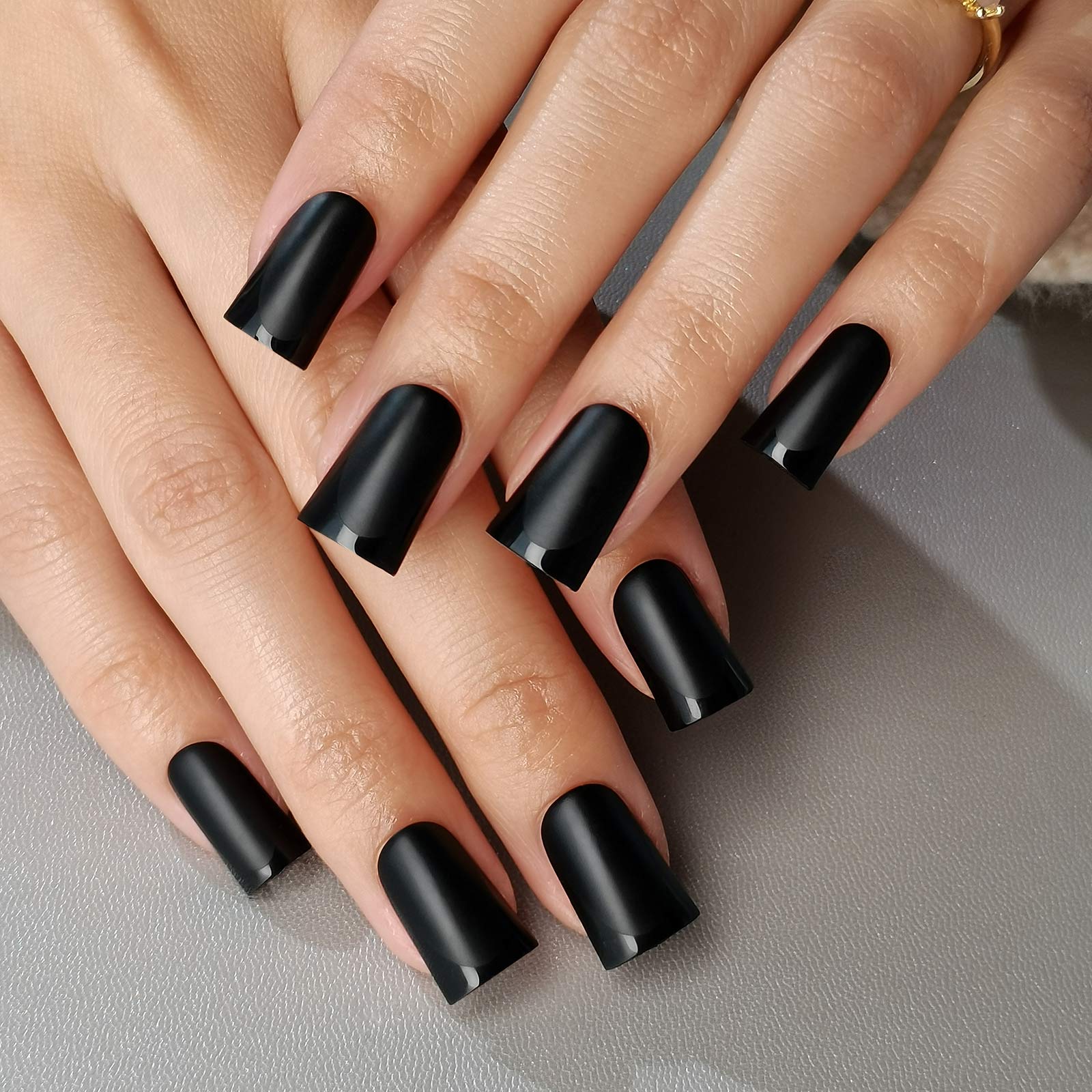


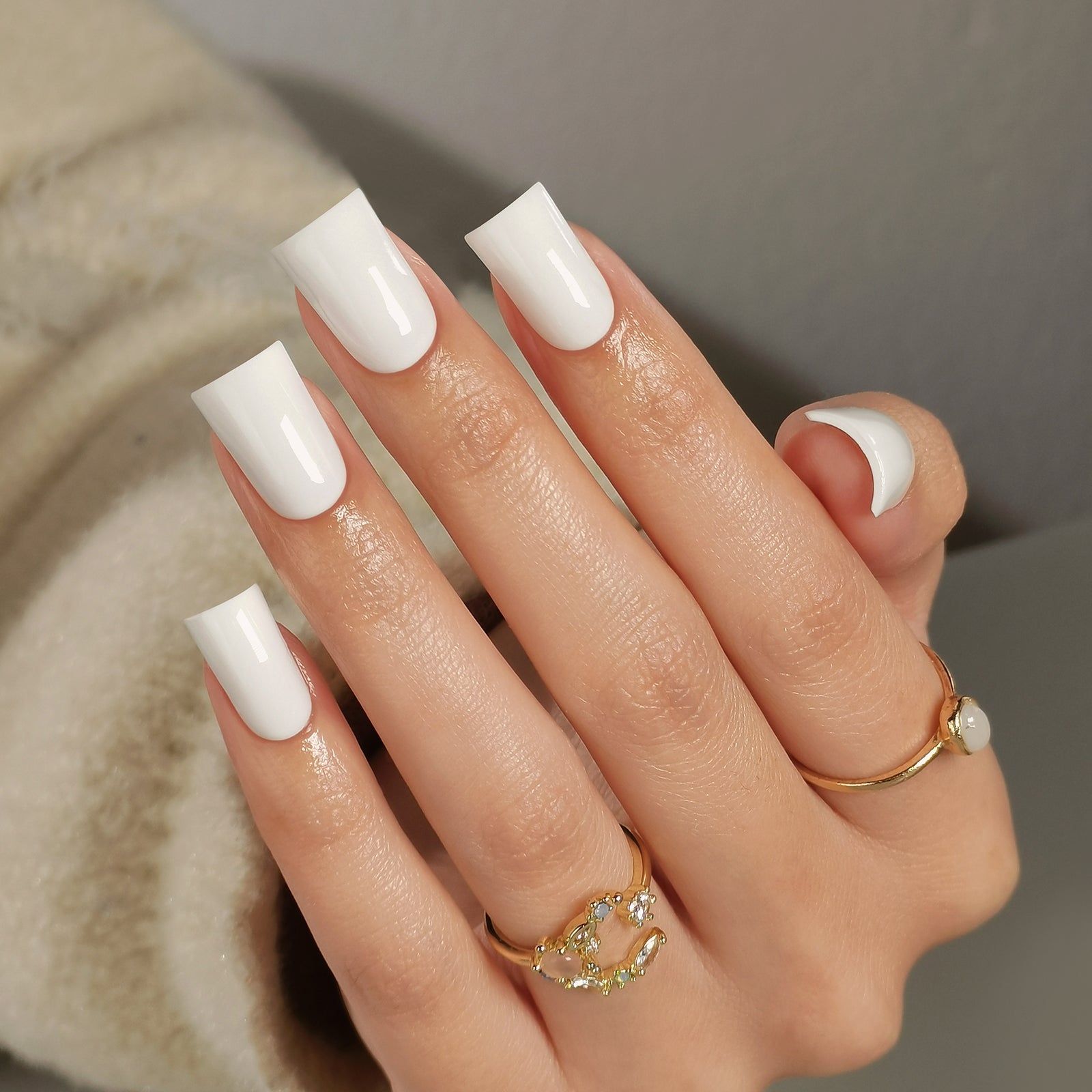
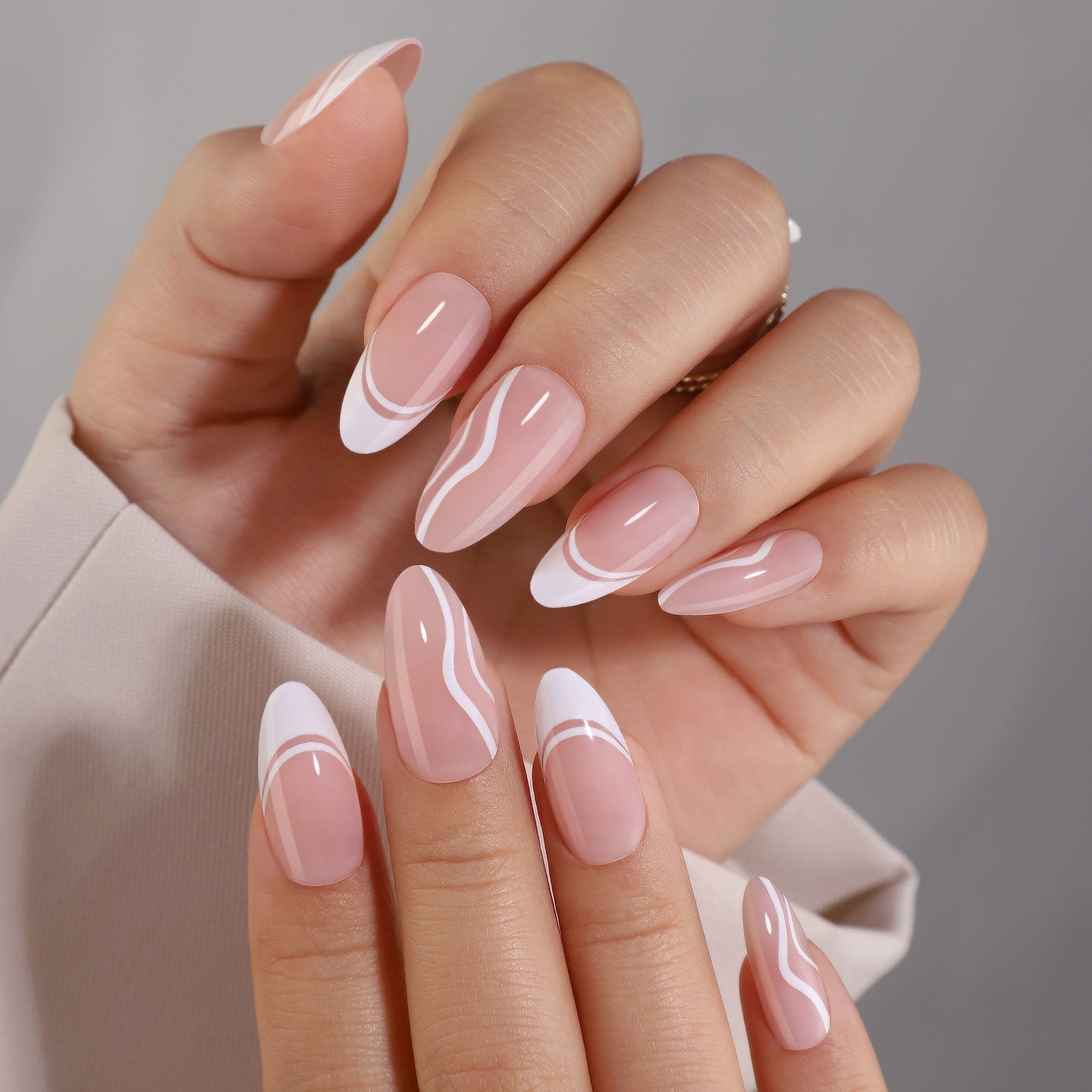

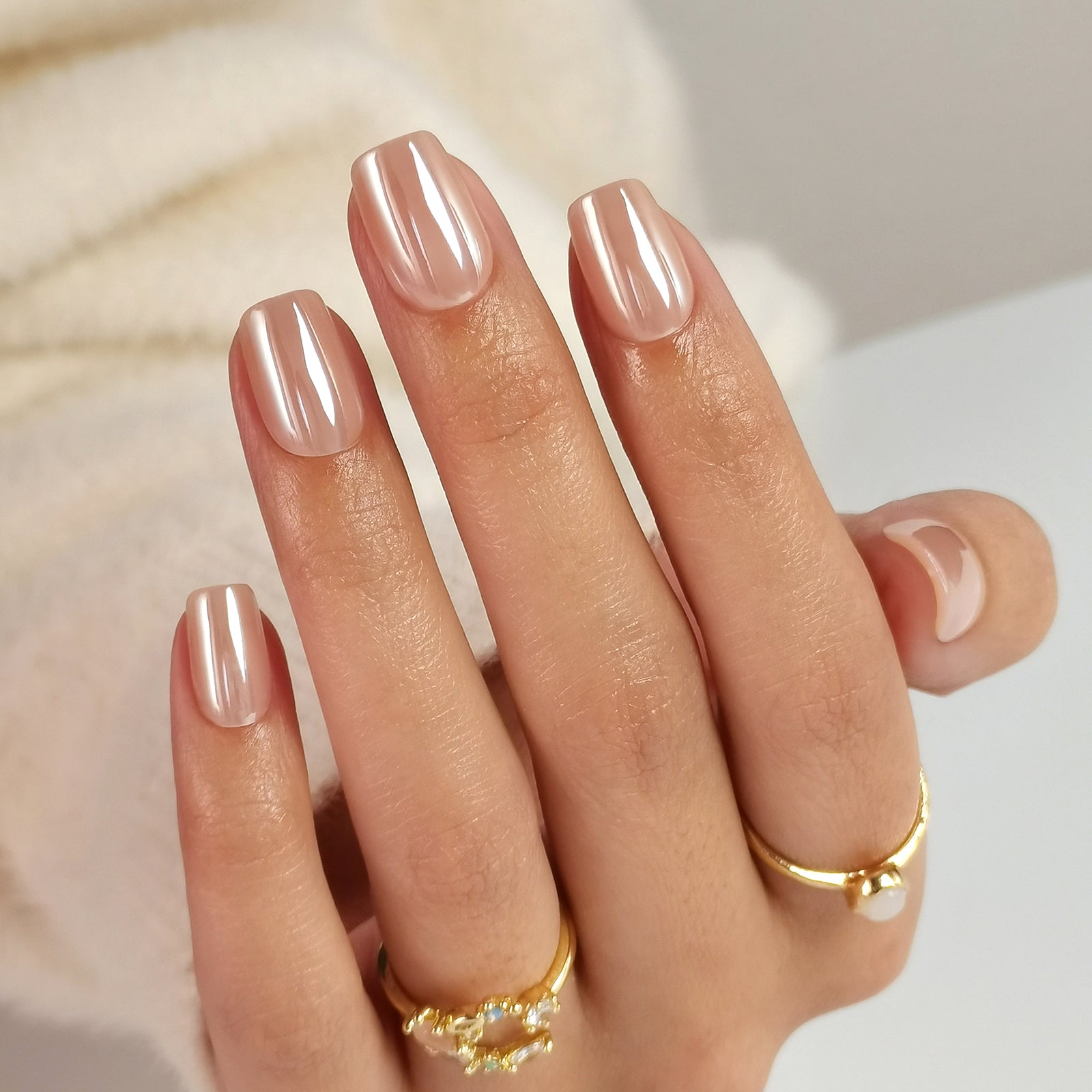

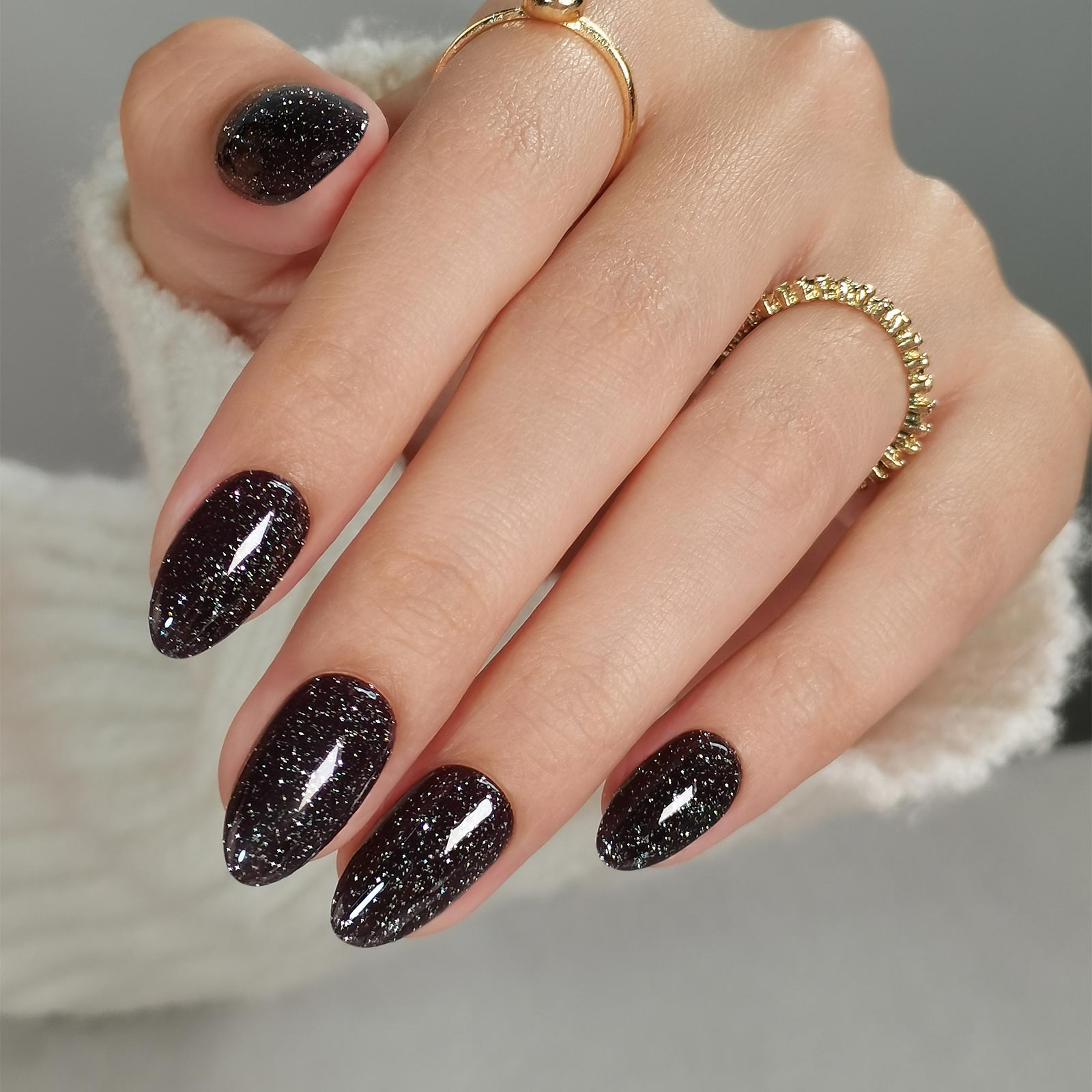
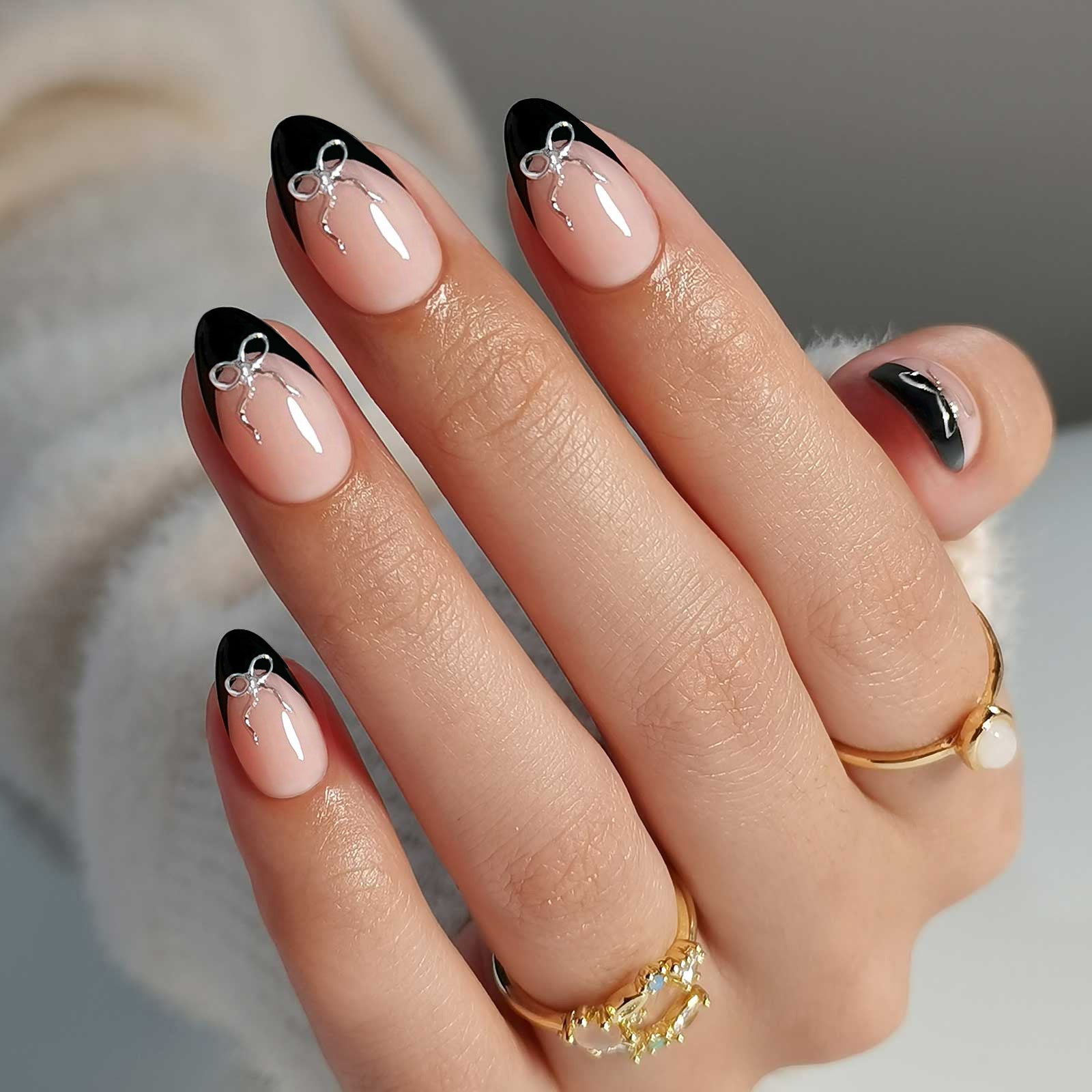


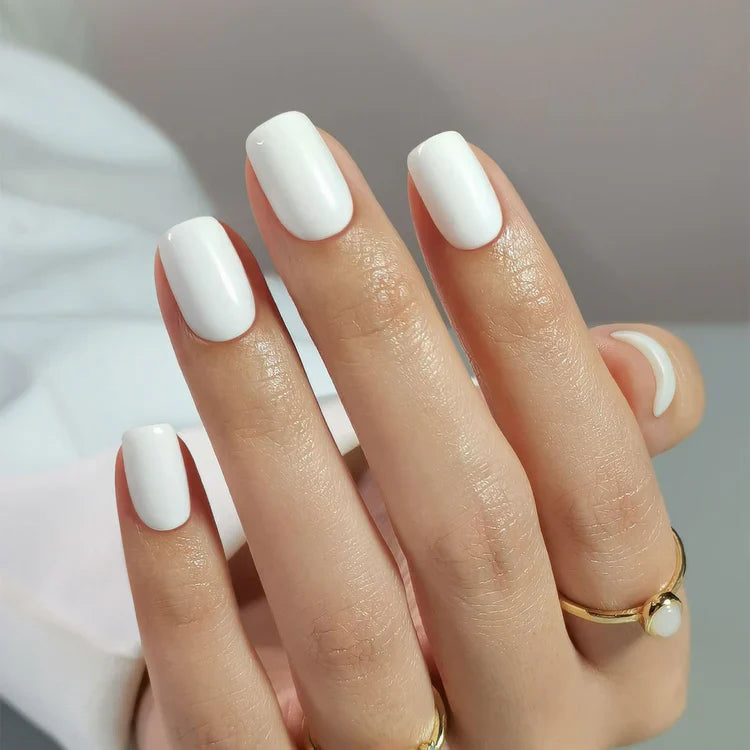





Glue On Nails: The Complete Guide to Press-On Nail Glue
Glue on nails are the version of press-on nails that actually stay. Adhesive tabs are convenient, but nail glue — used correctly — creates a bond that lasts 1–2 weeks and handles swimming, dishes, and typing without flinching. The trade-off is a slightly more involved removal process, which this guide also covers.
Whether you're switching from tabs to glue for the first time, or looking for the best nail glue for press-ons, here's everything you need.
Not sure which shape, length, or size fits your natural nails?
Key Takeaways
- Glue on nails bond press-ons to your natural nail using cyanoacrylate adhesive — the same ingredient in most nail glue and super glue
- The best press on nail glue is thin, brush-on, and sets in under 30 seconds
- Proper glue application takes 5 minutes and adds 5–10 days of wear compared to adhesive tabs
- Removing nail glue safely requires warm water soak — not force, not acetone
- SHANGMENG's 32 Nail Tips · 16 Sizes kits include both glue and adhesive tabs in every set
What Are Glue On Nails?
Glue on nails are press-on nails applied with nail adhesive rather than double-sided adhesive tabs. The method creates a stronger bond — one that can withstand water, impact, and everyday wear for up to two weeks — at the cost of a slightly more careful removal process.
The two main application methods differ in key ways:
| Feature | Nail Glue | Adhesive Tabs |
|---|---|---|
| Wear time | 1–2 weeks | 3–7 days |
| Removal | Warm soak required | Lifts off cleanly |
| Reusability | 2–4 times | 4–6 times |
| Best for | Events, active lifestyle | Daily rotation, quick change |
| Skill level | Slightly more precise | Beginner-friendly |
The American Academy of Dermatology recommends choosing a nail adhesive that is specifically formulated for press-on use — not a general craft adhesive — to minimize skin irritation and nail damage.
Best Press On Nail Glue: What to Look For
Not all nail glue performs the same on press-ons. Here's what separates a quality adhesive from one that causes nails to pop off after two hours.

Viscosity matters most. Thin, brush-on nail glue flows into the gap between your natural nail and the press-on evenly, with no air pockets. Thick glue creates lumps that lift at the edges within days.
Cyanoacrylate is the active ingredient. Most professional nail glue and strong super glue share this chemistry. It bonds in seconds through moisture — which is why a tiny amount goes a long way. Research from the National Institutes of Health confirms cyanoacrylate adhesives are used medically for wound closure due to their strength and biocompatibility when cured.
What a good press-on nail glue looks like: - Brush-on applicator (not the squeeze tube nozzle that dispenses too much) - Sets in 10–30 seconds - Clear when dry - Designed for artificial nail use (not general purpose cyanoacrylate) - Comes with the nail kit or sold separately as a nail-specific product
SHANGMENG includes a nail glue brush applicator in every set alongside adhesive tabs. The two-option approach lets you choose your wear time for each occasion.
How to Apply Glue On Nails (Step by Step)
The difference between nails that last a week and nails that pop off in a day is technique — not the glue itself.
What you need: - Press-on nails (sized to each finger before starting) - Nail glue with brush applicator - Nail buffer or fine grit nail file - Isopropyl alcohol (70%+) and a cotton pad - Cuticle pusher
Application steps:
-
Prep your natural nails. Gently push back cuticles. Buff the surface lightly to remove shine — this gives the glue a surface to grip. Wipe each nail with isopropyl alcohol and let dry completely. Any moisture or oil on the nail surface breaks the bond.
-
Size your press-ons before gluing. Hold each press-on against its finger before any glue is applied. The correct size covers your nail bed side-to-side without overlapping skin.
-
Apply a thin line of glue to the press-on. Put the glue on the inside concave surface of the press-on — not your natural nail. A thin line from cuticle to tip, staying 1–2mm away from the edges. Less is more: excess glue seeps onto skin and is harder to clean.
-
Optionally: a thin layer on your natural nail too. For events or beach days, apply a second thin layer to your natural nail as well. This "sandwich" bond is the strongest method and can hold for 10–14 days.
-
Press firmly and hold. Align the press-on at the cuticle first, then rock downward toward the tip. Press firmly for 10–15 seconds. The cyanoacrylate sets in this window. Don't adjust after it starts to set.
-
Wait 1 hour before water exposure. The glue continues to cure for the first hour. Avoid dishes, washing hands, or showering during this time.
Related: How to Remove Press-On Nails | Best Nail Glue for Press-On Nails
How Long Do Glue On Nails Last?
With correct application and prep, glue on nails last 1–2 weeks. Several factors affect wear time:

Factors that extend wear: - Clean, dry, oil-free natural nails before application - Buffing the natural nail surface lightly - Using the "sandwich" glue method (both nail surfaces) - Avoiding prolonged hot water exposure (dishwashing, long showers) - Applying a thin top coat over the seam on day 1
Factors that shorten wear: - Skipping the alcohol wipe (oil breaks the bond) - Applying too much glue (creates a thick layer that lifts) - Touching the press-on during the first hour of curing - Picking at the edges when the nail starts to lift
Realistic wear time by use case:
| Use case | Wear time |
|---|---|
| Desk job, indoor lifestyle | 10–14 days |
| Active outdoors, gym | 7–10 days |
| Manual labor, frequent handwashing | 5–7 days |
| Swimming multiple times per week | 4–6 days |
How to Get Nail Glue Off Your Nails
This is the step most people get wrong — and it's the one that causes nail damage. Nail glue does not respond to force. Pulling off glue-on nails by prying them up is the fastest way to rip the top layer of your natural nail.

The safe removal method:
-
Warm water soak. Fill a bowl with warm (not hot) water and add a few drops of cuticle oil or olive oil. Soak your nails for 10–15 minutes. The water slowly permeates the bond and softens the glue without dissolving the press-on surface.
-
Gently work the edges. Use a wooden cuticle stick to work under the side edges of the press-on, not the cuticle end. Apply gentle lateral pressure — not upward prying. The nail should start to float free.
-
Soak more if needed. If you feel resistance, soak for 3–5 more minutes. Do not force it. A correctly softened nail releases without pulling the nail surface.
-
Clean residual glue. After the press-on is off, there will be a thin residue layer on your natural nail. Let it soak another 2 minutes, then gently buff it off with a fine-grit buffer. Finish with a cuticle oil application.
What not to do: - Do not use straight acetone — it clouds and damages press-on surfaces and dries natural nails
Still worried they will pop off? Start with the prep and adhesive setup that matches how long you need them to last.


- Do not peel from the tip upward
- Do not slide a sharp implement under the nail to pop it off
Related: How to Store and Reuse Press-On Nails
Glue On Nails vs Tabs: Which Should You Choose?
The choice depends on your lifestyle, not just wear time.
Choose nail glue if: - You have a specific event (wedding, vacation, reunion) and need nails that won't lift - Your lifestyle involves frequent hand washing or outdoor activities - You're willing to do a 10-minute warm-water removal rather than a quick peel - You want maximum wear from each set to maximize value
Choose adhesive tabs if: - You rotate styles frequently (weekly changes) - You're new to press-on nails and learning sizing - You want maximum reusability from each set (4–6 times vs 2–4 with glue) - You have sensitive nails or are in a nail recovery phase
Many experienced press-on wearers use tabs for everyday and switch to glue for specific events. SHANGMENG sets include both so you can choose per-occasion without buying separately.
Common Questions About Glue On Nails
Does nail glue damage your natural nails?
Nail glue itself does not damage natural nails when used correctly — the glue sits on the surface and does not penetrate the nail plate. The damage risk comes from improper removal: pulling or peeling glue-on nails without soaking can strip the top layer of the natural nail. The American Academy of Dermatology notes that the risk of nail damage from artificial nails is primarily associated with removal technique, not the adhesive itself. Use warm water soak for every removal and your natural nails will be undamaged.
Can you use super glue instead of nail glue for press-ons?
Super glue and nail glue share the same active ingredient — cyanoacrylate — so they bond similarly. The differences are in viscosity, brush delivery, and formulation. Nail glue is formulated for skin-adjacent use and is typically thinner, making it easier to apply in a controlled thin layer. Regular super glue often dispenses too fast, creates thick uneven bonds, and can be harsher on the skin around the nail. For occasional use, super glue works in a pinch, but a brush-on nail glue gives more control and a better bond.
How do you get nail glue off skin (not the nail)?
Nail glue that gets on skin (usually from overflow during application) can be removed by soaking in warm soapy water for a few minutes, then gently rolling the glue off the skin with your finger. Do not pick at it. If it doesn't release with soaking, a small amount of petroleum jelly applied over the glue spot and left for 5 minutes usually loosens it enough to peel cleanly. The skin version is much easier to remove than the nail version — cyanoacrylate bonds less aggressively to skin's natural oil layer.
How long should you wait between glue-on nail applications?
After removing glue-on nails, give your natural nails 2–3 days of rest before the next application. This rest period allows any minor moisture exposure from the soak to evaporate and lets the nail surface return to its normal condition. It also gives you time to inspect nails for any soft spots or surface changes that would indicate you should extend the rest period. If your nails feel strong and normal after 48 hours, a new set with glue is fine.
Are glue on nails safe to use with gel manicures underneath?
No. Applying press-on nails with glue over existing gel manicure is not recommended. The glue bonds to the gel surface, not your natural nail — which means when you remove the press-ons, you risk removing or damaging the gel layer beneath. Complete gel removal is necessary before applying glue-on press-ons.
Find your perfect press-on set — then choose your hold.
Glue on nails are one of the most underrated nail solutions for people who want salon-length wear without the salon appointment. The key is in the prep and the patience on removal. Done right, you won't be worried about nails popping off mid-presentation.
Share