













Startseite
›
Nagelgesundheit – Wissenschaft & Pflege
›
Fußnagel löst sich ab: Ursachen, Behandlung & Genesungsratgeber

Fußnagel löst sich ab: Ursachen, Behandlung & Genesungsratgeber
Verfasst von Sophie, SHANGMENG Nagelgesundheitsberaterin — evidenzbasierte Anleitungen, gestützt auf AAD-Quellen.
Wichtige Erkenntnisse: Ein abfallender Zehennagel (medizinisch: Onycholyse, wenn er sich ablöst, Onychomadesis, wenn der gesamte Nagel abfällt) ist häufiger, als die meisten Menschen denken. Die häufigsten Ursachen sind wiederholte Traumata (Laufen, Wandern, zu enge Schuhe), einmalige Verletzungen (Herunterfallen eines schweren Gegenstands) und Pilzinfektionen. Die meisten Fälle heilen von selbst innerhalb von 6-12 Monaten ab, während ein neuer Zehennagel von der Matrix an der Basis nachwächst. Entscheidend ist, den Bereich während des Nachwachsens sauber, geschützt und trocken zu halten. Dieser Leitfaden behandelt alle sechs häufigsten Ursachen, die sofort zu ergreifenden Maßnahmen, den vollständigen Genesungszeitraum und die Warnsignale, bei denen Sie einen Arzt aufsuchen sollten.
Wenn sich Ihr Zehennagel anhebt, verfärbt oder sich zu lösen beginnt, ist das erste Gefühl meist Panik. Es sieht dramatisch aus. Es kann weh tun. Und die Vorstellung, einen Nagel ganz zu verlieren, ist für die meisten Menschen beunruhigend.
Hier ist die Realität: Ein abfallender Zehennagel ist normalerweise kein medizinischer Notfall. Die meisten Fälle werden durch Trauma oder wiederholte Belastung – nicht durch Krankheit – verursacht und heilen innerhalb von 6-12 Monaten vollständig ab, während ein neuer Nagel von der Matrix an der Basis des alten Nagels nachwächst. Die Nagelmatrix ist, sofern nicht direkt beschädigt, überraschend widerstandsfähig.
Dieser Leitfaden erklärt, warum Zehennägel abfallen, was sofort zu tun ist, wie lange die Genesung dauert und welche spezifischen Warnsignale bedeuten, dass Sie einen Arzt aufsuchen sollten, anstatt abzuwarten.
Sie sind sich unsicher, welche Form, Länge oder Größe zu Ihren Naturnägeln passt?
Warum fällt mein Zehennagel ab?

Es gibt sechs häufige Ursachen dafür, dass Zehennägel sich lösen oder abfallen. Die Kenntnis der jeweiligen Ursache verändert den Behandlungsansatz.
1. Wiederholtes Trauma (der Läuferzehennagel)
Dies ist die häufigste Ursache. Langstreckenläufer, Wanderer, Fußballspieler und jeder, dessen Zehen wiederholt an die Vorderseite ihrer Schuhe stoßen, entwickeln den sogenannten "Läuferzehennagel". Das wiederholte Mikrotrauma des Nagelbetts führt dazu, dass sich Blut unter dem Nagel ansammelt (subunguales Hämatom), wodurch sich der Nagel innerhalb von Tagen bis Wochen vom Bett löst.
Die klassischen Anzeichen: - Ein schwarzer, violetter oder dunkelbrauner Fleck unter dem Nagel - Allmähliches Ablösen von der Vorderkante nach hinten - Leichte Druckempfindlichkeit, aber normalerweise keine stechenden Schmerzen - Entwickelt sich innerhalb von 1-4 Wochen nach einem langen Lauf oder neuen Schuhen
Dies ist normalerweise kein medizinisches Problem – die Nagelmatrix ist unbeschädigt, und ein neuer Nagel wird innerhalb von 9-18 Monaten normal nachwachsen.
2. Einzelner Aufprall
Das Herunterfallen eines schweren Gegenstands auf den Zeh, ein harter Stoß mit dem Zeh gegen Möbel oder jeder direkte Aufprall kann zu sofortigen Blutungen unter dem Nagel und anschließendem Verlust führen. Im Gegensatz zu wiederholten Traumata sind Einzelaufprallverletzungen plötzlich, schmerzhaft und gehen oft mit offensichtlichen Schwellungen einher.
War der Aufprall stark, kann die Nagelmatrix selbst beschädigt worden sein, was zu einem leicht deformierten neuen Nagel führen kann (Rillen, Verfärbungen oder geringfügige dauerhafte Veränderungen). Die meisten Aufprälle erreichen dieses Ausmaß nicht – aber schwere Quetschverletzungen könnten dies tun.
3. Pilzinfektion (Onychomykose)
Pilzinfektionen bewirken, dass der Nagel: - Verdickt und brüchig wird - Gelb, braun oder weiß-kreidig wird - Eine bröselige Textur entwickelt - Schließlich sich hebt und vom Nagelbett löst
Nagelpilz ist äußerst verbreitet – laut der AAD haben bis zu 10 % der Erwachsenen mindestens einen Pilz-Zehennagel. Er verbreitet sich in warmen, feuchten Umgebungen: öffentlichen Schwimmbädern, Umkleidekabinen, Gemeinschaftsduschen und in zu lange getragenen Schuhen.
Im Gegensatz zu Traumafällen müssen Pilzinfektionen behandelt werden – sie heilen nicht von selbst ab und können sich auf andere Nägel ausbreiten.
4. Enge oder schlecht sitzende Schuhe
Zu enge Schuhe (in Länge oder Breite) üben chronischen Druck auf die Zehennägel aus, was über Wochen oder Monate zu einem Abheben führen kann. Dies ist besonders häufig bei: - High Heels, die den Vorderfuß einengen - Sportschuhen, die in der falschen Größe gekauft wurden - Anzugschuhen mit schmalem Zehenbereich - Arbeitsschuhen, die nach einer Fußschwellung nicht neu angepasst wurden
Die Lösung ist einfach, erfordert aber Engagement: Ersetzen Sie die Schuhe. Wer weiterhin die gleichen schlechten Schuhe trägt, riskiert, dass auch der neue Zehennagel irgendwann abfällt.
5. Psoriasis und Autoimmunerkrankungen
Nagelpsoriasis betrifft etwa 50 % der Menschen mit Hautpsoriasis und kann dazu führen, dass sich Zehennägel abheben, verfärben oder eine ölfleckartige Erscheinung entwickeln. Andere Autoimmunerkrankungen (Alopecia areata, Lichen planus) können ähnliche Nagelveränderungen verursachen.
Wenn bei Ihnen Psoriasis diagnostiziert wurde oder Sie Nagelveränderungen zusammen mit Hautproblemen an anderen Stellen bemerken, suchen Sie einen Dermatologen auf. Nagelpsoriasis ist behandelbar, löst sich aber nicht durch einfache häusliche Pflege.
6. Bestimmte Medikamente und Chemotherapie
Einige Medikamente verursachen Nagelveränderungen als Nebenwirkung: - Chemotherapeutika (insbesondere Taxane) können Nagellifting, Verfärbung und Verlust verursachen - Retinoide (bei schwerer Akne) können die Nägel verdünnen und eine Ablösung verursachen - Tetracyclin-Antibiotika können Photo-Onycholyse (Nagellifting durch Sonnenlicht ausgelöst) verursachen - Einige Antimykotika und Antimalariamittel haben ähnliche Wirkungen
Wenn sich Ihre Nägel kurz nach Beginn einer neuen Medikation verändert haben, sprechen Sie mit Ihrem Arzt darüber, ob das Medikament die Ursache ist.
Wie es sich anfühlt, wenn ein Zehennagel abzufallen beginnt
Zu wissen, was normal ist, hilft, Ängste abzubauen:
| Stadium | Was Sie fühlen | Was Sie sehen | Dauer |
|---|---|---|---|
| Frühes Ablösen | Leichter Druck beim Gehen | Weißer oder dunkler Fleck unter dem Nagel | 1-2 Wochen |
| Teilweises Ablösen | Druckempfindlichkeit an der Ablösungsstelle | Sichtbares Ablösen an der Spitze oder den Seiten | 2-6 Wochen |
| Umfassendes Ablösen | Gelegentliches Hängenbleiben, leichte Schmerzen | 30-80 % des Nagels abgehoben | 1-3 Monate |
| Vollständiges Ablösen | Erleichterung (kein Druck mehr) | Nagel vollständig ab, rosafarbenes Nagelbett freigelegt | Variabel |
| Nachwachsen beginnt | Zunächst keine Empfindungsveränderungen | Kleiner neuer Nagel an der Basis sichtbar | 3-6 Monate |
| Vollständiges Nachwachsen | Normale Empfindung | Vollständiger neuer Nagel | Insgesamt 9-18 Monate |
Die meisten Menschen verspüren keine starken Schmerzen bei einem abfallenden Zehennagel – nur leichte Beschwerden, Druck oder gelegentliches Hängenbleiben an Socken. Starke Schmerzen, Rötungen oder Eiter bedeuten, dass etwas nicht stimmt und medizinische Hilfe erforderlich ist.
Was tun, wenn Ihr Zehennagel abzufallen beginnt?
Schritt 1: Nicht ziehen oder erzwingen
Der stärkste Instinkt ist, einen teilweise abgehobenen Nagel einfach abzureißen. Tun Sie das nicht. Gewaltsames Entfernen kann das darunterliegende Nagelbett und die Matrix beschädigen, die Heilung verlangsamen und eine Eintrittspforte für Infektionen schaffen. Lassen Sie den Nagel auf natürliche Weise ablösen.
Schritt 2: Reinigen und abdecken
Waschen Sie Ihren Fuß täglich mit milder Seife und warmem Wasser. Trocknen Sie ihn vollständig ab – besonders zwischen den Zehen. Tragen Sie eine kleine Menge antibiotischer Salbe (wie Bacitracin) auf den exponierten Bereich auf, wenn die Haut wund ist, und decken Sie ihn dann tagsüber mit einem Verband oder einer Zehenmanschette ab, um ihn vor Reibung an Schuhen zu schützen.
Schritt 3: Trocken halten
Pilze und Bakterien gedeihen in feuchten Umgebungen. Wechseln Sie Ihre Socken mindestens einmal täglich (öfter, wenn sie feucht werden), vermeiden Sie es, zwei Tage hintereinander dieselben Schuhe zu tragen (lassen Sie sie trocknen) und verzichten Sie während der Genesung auf enge, okklusive Schuhe.
Schritt 4: Lose Nagelränder vorsichtig kürzen
Wenn ein Stück des abgehobenen Nagels an Socken oder Verbänden hängen bleibt, schneiden Sie es mit einer sauberen Nagelschere ab. Schneiden Sie entlang der natürlichen Ablöselinie – versuchen Sie nicht, in den noch befestigten Teil zu schneiden. Wenn Sie es nicht sauber schneiden können, lassen Sie es in Ruhe, bis es sich weiter löst.
Schritt 5: Schützende Schuhe tragen
Geschlossene Schuhe mit ausreichend Platz schützen den Bereich vor Stößen und Reibung. Vermeiden Sie Sandalen oder Barfußlaufen in den frühen Stadien – es ist zu leicht, einen teilweise abgehobenen Nagel anzustoßen.
Schritt 6: Achten Sie auf Warnzeichen
Beobachten Sie in den folgenden Tagen Anzeichen einer Infektion: zunehmende Schmerzen, Rötung, die sich über den Nagel hinaus ausbreitet, Wärme, Eiter, Fieber. Die meisten Genesungen verlaufen ereignislos, aber eine Infektion kann auftreten und muss umgehend behandelt werden.
Sollte man einen Zehennagel, der abfällt, entfernen?
Normalerweise nicht – lassen Sie ihn von selbst abfallen.
Der natürliche Ablöseprozess ist die Art des Körpers, das darunterliegende Nagelbett während der Heilung zu schützen. Ein teilweise befestigter alter Nagel bietet immer noch einen gewissen Schutz für das darunterliegende, empfindliche neue Wachstum. Ein gewaltsames Entfernen setzt diesen Bereich vorzeitig frei.
Die Ausnahmen, wann ein Arzt die Entfernung des Nagels beschließen kann: - Starke Schmerzen, die mit häuslicher Pflege nicht kontrolliert werden können - Infektion, die sich unter dem verbleibenden befestigten Nagel ausbreitet - Großes Hämatom (Blutansammlung), das starken Druck verursacht (medizinische Drainage ist besser als abzuwarten) - Pilzinfektion, bei der der alte Nagel eine anhaltende Infektion beherbergt
In diesen Fällen erfolgt die Entfernung in einer Arztpraxis mit steriler Technik und entsprechender Anästhesie. Versuchen Sie niemals, einen Zehennagel selbst zu entfernen.
Wie lange dauert es, bis ein Zehennagel nachwächst?
Zehennägel wachsen viel langsamer als Fingernägel:
- Fingernagelwachstum: ~3,47 mm pro Monat (AAD-Nagelwachstumsdaten)
- Zehennagelwachstum: ~1,62 mm pro Monat (weniger als die Hälfte der Rate)
Ein großer Zehennagel braucht ungefähr 12-18 Monate, um vollständig von der Matrix nachzuwachsen. Kleinere Zehennägel sind etwas schneller (6-12 Monate).
Meilensteine der Genesung
- Wochen 1-4: Heilung des exponierten Nagelbetts, Verringerung von Schmerzen und Druckempfindlichkeit
- Monate 2-4: Neuer Nagel wird an der Basis sichtbar, tritt unter der Nagelhaut hervor
- Monate 4-6: Neuer Nagel erreicht ungefähr die Mitte des Zehs
- Monate 8-12: Neuer Nagel bedeckt den größten Teil oder den gesamten Zeh (für Nägel, die keine großen Zehennägel sind)
- Monate 12-18: Großer Zehennagel vollständig nachgewachsen
Während dieser Zeit kann der neue Nagel leicht abnorm aussehen – Dickenunterschiede, kleinere Rillen oder leichte Verfärbungen sind während des Nachwachsens häufig und verschwinden normalerweise, wenn der Nagel weiter wächst.
Was die Erholungsgeschwindigkeit beeinflusst
- Alter: Ältere Erwachsene heilen langsamer
- Ernährung: Ausreichend Protein, Biotin, Eisen und Zink unterstützen das Nagelwachstum
- Durchblutung: Eine gute Fußdurchblutung ist unerlässlich (Raucher und Diabetiker heilen möglicherweise langsamer)
- Zugrunde liegende Erkrankungen: Psoriasis, Schilddrüsenprobleme oder Immunerkrankungen können die Heilung verlangsamen
- Fortgesetztes Trauma: Wenn die Ursache nicht behoben wurde (schlechte Schuhe, Laufen), kann sich der neue Nagel ebenfalls ablösen
So schützen Sie Ihren Zeh, während der Nagel nachwächst
Das exponierte Nagelbett ist während der monatelangen Nachwachsphase anfällig. Schutz ist entscheidend:
- Halten Sie den Bereich sauber und trocken — tägliches Waschen, gründliches Trocknen, häufiges Sockenwechseln
- Tragen Sie Nagelöl oder eine milde Feuchtigkeitscreme auf die umgebende Haut auf (nicht auf rohes Nagelbett)
- Tragen Sie schützende Schuhe — keine Sandalen, bis genügend neuer Nagel vorhanden ist, um das Bett zu schützen
- Wählen Sie feuchtigkeitsableitende Socken — Baumwolle ist gut; Wolle oder synthetische Mischungen sind besser für aktive Menschen
- Wechseln Sie die Schuhe, damit sie zwischen dem Tragen vollständig trocknen können
- Vermeiden Sie Nagellack auf dem nachwachsenden Nagel für mindestens 3 Monate — geben Sie dem neuen Nagelgewebe Zeit, sich zu etablieren
- Erwägen Sie Zehenkappen für Läufer und Wanderer während der Genesung, um erneute Verletzungen zu vermeiden
Press-On Zehennägel während der Genesung
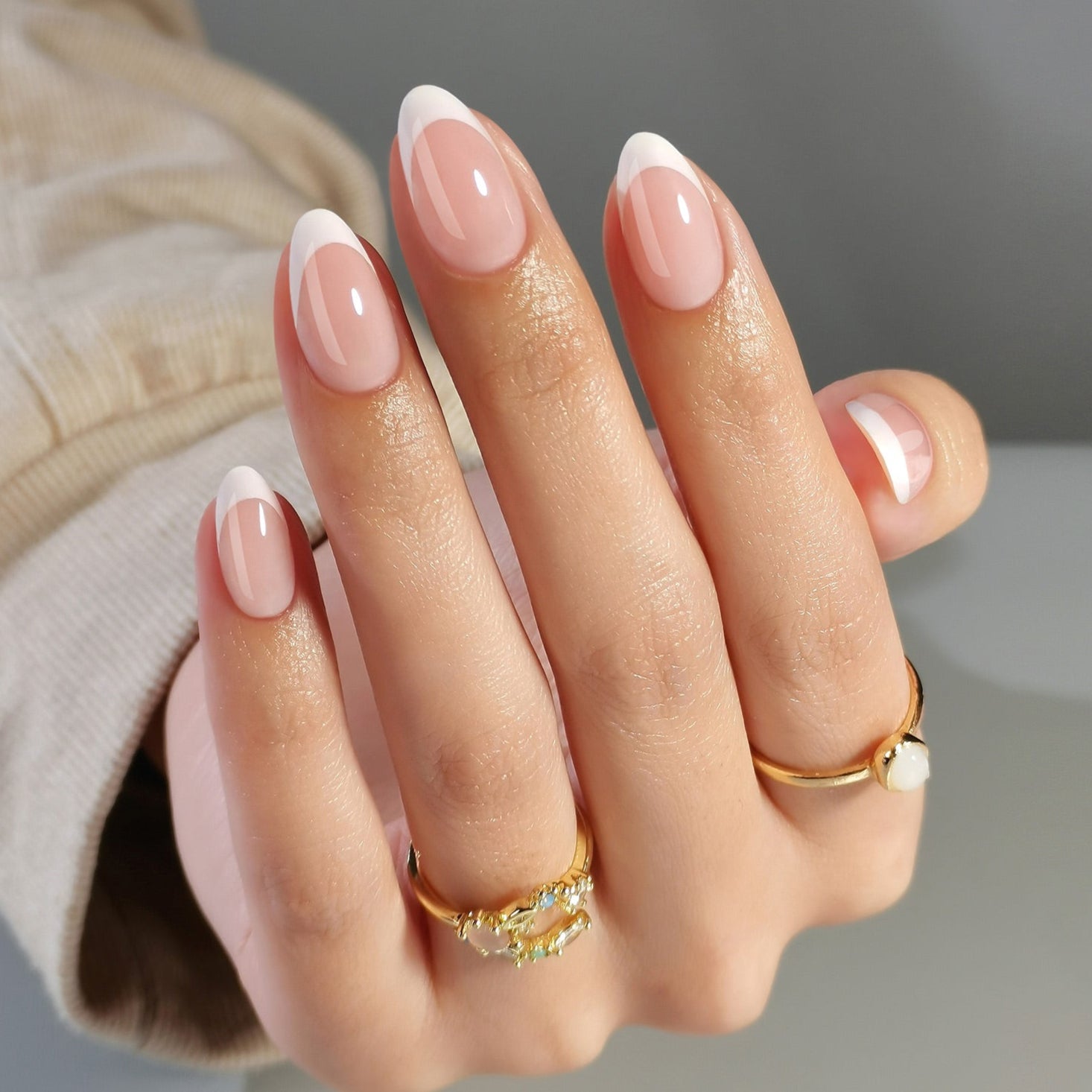
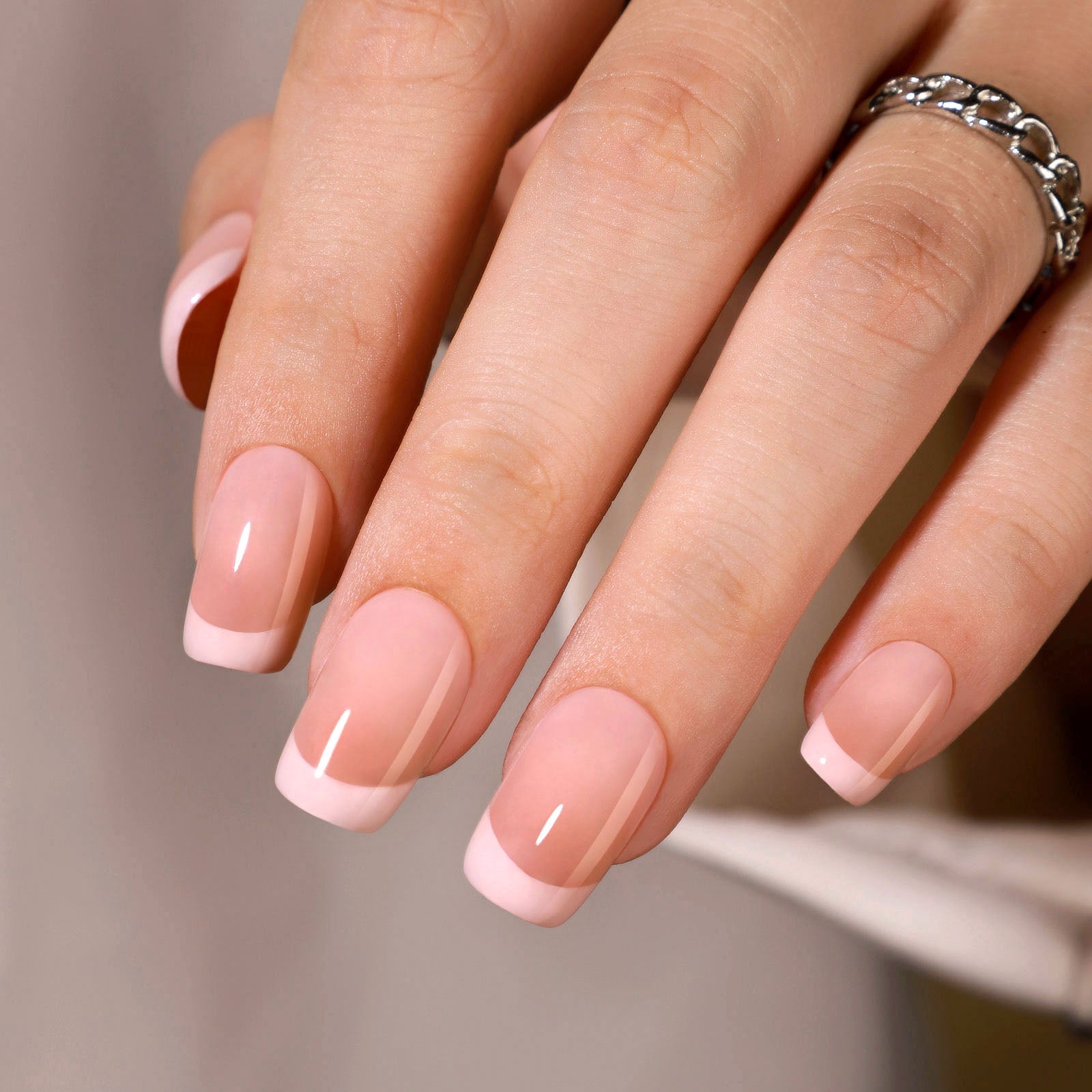
Für eine kosmetische Abdeckung im unangenehmen Zwischenstadium (wenn der neue Nagel nur teilweise gewachsen ist) verwenden einige Menschen Press-On Zehennägel über dem nachwachsenden Bereich. Dies ist ein Graubereich – hier ist die ehrliche Anleitung:
Wann Press-On Zehennägel während der Genesung in Ordnung sind: - Der ursprüngliche Nagel hat sich vollständig gelöst und ist geheilt (keine offenen Wunden) - Der neue Nagel ist ausreichend gewachsen, um eine Basis für den Press-On zu bieten, an dem er haften kann - Sie tragen sie nur gelegentlich für Veranstaltungen, nicht kontinuierlich
Wann Press-Ons zu vermeiden sind: - Offenliegendes Nagelbett ohne neuen Nagelüberzug - Jegliche Anzeichen einer Infektion (Ausfluss, Rötung, Schmerzen) - Aktive Pilzinfektion - Während des ersten Monats des Nachwachsens
In der übrigen Zeit ist das Abdecken mit einem Verband sicherer, als einen Press-On direkt auf empfindliches Heilungsgewebe aufzutragen. Sobald der neue Nagel größtenteils nachgewachsen ist (Monat 4+), können Press-On Zehennägel normal verwendet werden – befolgen Sie einfach die Standardanwendungsrichtlinien und tragen Sie sie im ersten Jahr des Nachwachsens nicht länger als 7-10 Tage am Stück.
"Passen gut auf durchschnittlich große Zehennägel, die Farbe ist wirklich schön. Einfach zu verwenden, ich bevorzuge Klebstoff für Nägel. Halten gut." — All In, Amazon Verifizierter Kauf ⭐⭐⭐⭐⭐


Häufige Mythen über den Verlust von Zehennägeln
Mythos 1: „Wenn ein Zehennagel abfällt, löst sich der ganze Nagel auf einmal.“ Falsch. Die meisten Zehennägel lösen sich allmählich über Wochen ab. Ein plötzlicher, vollständiger Verlust ist ungewöhnlich.
Mythos 2: „Ich sollte den losen Nagel sofort abschneiden.“ Falsch. Lassen Sie ihn in Ruhe, es sei denn, er verhakt sich schmerzhaft. Lassen Sie ihn sich auf natürliche Weise trennen.
Mythos 3: „Der neue Nagel wird dauerhaft deformiert nachwachsen.“ Meistens falsch. Die Matrix, wenn unbeschädigt, produziert einen normalen neuen Nagel. Vorübergehende Anomalien während des Nachwachsens sind normal.
Mythos 4: „Ich brauche Antibiotika, sobald ein Zehennagel abfällt.“ Falsch. Antibiotika sind nur bei einer tatsächlichen Infektion notwendig. Die meisten Fälle heilen mit grundlegender Hygiene gut ab.
Mythos 5: „Zehennägel wachsen genauso schnell nach wie Fingernägel.“ Falsch. Zehennägel wachsen etwa halb so schnell wie Fingernägel.
Mythos 6: „Ich sollte den Zeh täglich in heißem Wasser einweichen.“ Falsch. Heißes Wasser kann den Bereich reizen. Lauwarmes Wasser zur Reinigung ist in Ordnung; längeres Einweichen macht die Haut um den Nagel anfälliger.
So verhindern Sie, dass Zehennägel erneut abfallen
Wenn ein Trauma den Verlust Ihres Zehennagels verursacht hat, ist die Vorbeugung einfach:
- Passende Schuhe tragen – zwischen dem längsten Zeh und der Schuhspitze sollte ein Daumen breit Platz sein.
- Sportschuhe alle 500-800 Kilometer ersetzen – abgenutzte Schuhe verlieren ihre Stoßdämpfung und Schutzfunktion.
- Schnürsenkel oben am Fuß festziehen, über den Zehen lockerer lassen – dies verhindert, dass der Fuß beim Bergablaufen oder Wandern nach vorne rutscht.
- Zehennägel gerade schneiden und kurz halten – lange Zehennägel stoßen vorne an die Schuhe und verletzen sich leichter.
- Feuchtigkeitsableitende Socken beim Sport tragen, um Reibung zu reduzieren.
- Neue Schuhe allmählich einlaufen – laufen Sie keinen Marathon in nagelneuen Schuhen.
- Füße in Umgebungen mit hohem Risiko schützen – nicht barfuß um Schwimmbäder, in Fitnessstudios oder öffentlichen Duschen laufen.
Wenn eine Pilzinfektion die Ursache war:
- Die Infektion vollständig behandeln (Antimykotika vom Arzt)
- Alte Schuhe entsorgen, die Sporen beherbergen könnten, oder gründlich desinfizieren
- Teilen Sie niemals Nagelknipser oder Pedikürewerkzeuge
- Füße nach dem Duschen vollständig trocknen, besonders zwischen den Zehen
- Flip-Flops in Gemeinschaftsduschen und Pools tragen
Wann sollte man einen Arzt aufsuchen?
Der Verlust der Zehennägel erfordert in den meisten Fällen keine ärztliche Behandlung, aber bestimmte Anzeichen deuten darauf hin, dass Sie einen Arzt oder Podologen aufsuchen sollten:
- Starke Schmerzen, die das Gehen behindern
- Starke Blutung, die nicht mit Druck aufhört
- Anzeichen einer Infektion: Eiter, Wärme, sich ausbreitende Rötung, rote Streifen am Fuß, Fieber
- Großes Hämatom (dunkles Blut unter dem Nagel), das Druck verursacht – eine medizinische Drainage kann sofortige Linderung verschaffen
- Vermuteter Bruch des Zehenknochens unter dem Nagel
- Mehrere Zehennägel sind gleichzeitig betroffen ohne offensichtliche Ursache
- Pilzinfektion, die nicht auf rezeptfreie Behandlungen anspricht
- Diabetische Fußprobleme – Diabetiker sollten bei jedem Zehennagelproblem einen Podologen aufsuchen, da die Heilung kompliziert sein kann
- Nagelpsoriasis oder vermutete Autoimmunursache
- Sie nehmen Immunsuppressiva ein oder haben ein geschwächtes Immunsystem – selbst kleinere Fußprobleme sollten überwacht werden
- Neue, unerklärliche Nagelveränderungen über den betroffenen Zehennagel hinaus
Ein Podologe ist der Spezialist für Fußprobleme; ein Dermatologe kann spezielle Nagelprobleme behandeln.
Dieser Leitfaden dient zu Bildungszwecken und ersetzt keine professionelle medizinische Beratung.
Verwandt: Komplette Nagelpflegeroutine | Grünes Nagel-Syndrom | Wie lange dauert eine Pediküre?
FAQ
F: Wird mein Zehennagel genau so nachwachsen, wie er vorher war?
In den meisten Fällen ja – solange die Nagelmatrix (das Gewebe an der Nagelbasis, wo der neue Nagel wächst) nicht direkt beschädigt wurde. Die Matrix ist erstaunlich widerstandsfähig, und selbst nach schwerem Nagelverlust durch Trauma oder Pilzinfektion kann sie über 12-18 Monate einen völlig normalen neuen Nagel produzieren. Ausnahmen sind Fälle, in denen die ursprüngliche Verletzung schwerwiegend genug war, um die Matrix selbst zu beschädigen (Quetschverletzungen, tiefe Schnittwunden oder wiederholte Schäden am selben Bereich), was zu dauerhaften Nagelverformungen führen kann – Rillen, Grübchen, abnormale Form oder partielles Nachwachsen. Wenn Ihr erster neuer Nagel normal aussieht, ist Ihre Matrix in Ordnung, und auch das nachfolgende Wachstum wird normal sein. Wenn der neue Nagel nach den ersten 6 Monaten des Nachwachsens sichtbar deformiert erscheint, suchen Sie einen Dermatologen auf – es können zugrunde liegende Probleme oder Matrixschäden vorliegen, die einer Untersuchung bedürfen. Bei den meisten Menschen mit Zehennagelverlust durch Laufen oder einmalige Verletzungen ist der neue Nagel nach vollständigem Nachwachsen nicht vom alten zu unterscheiden.
F: Kann ich laufen oder trainieren, während mein Zehennagel nachwächst?
Ja, aber mit Vorsichtsmaßnahmen. Sport selbst verlangsamt das Nachwachsen des Zehennagels nicht – im Gegenteil, eine gute Durchblutung unterstützt die Heilung. Die Herausforderung besteht darin, das anfällige Nagelbett vor erneuten Verletzungen zu schützen. Regeln für das Training während des Zehennagelwachstums: (1) Warten Sie, bis die anfängliche Heilung abgeschlossen ist (kein offenes, rohes Gewebe mehr), bevor Sie zu hochintensiven Aktivitäten zurückkehren. Dies dauert in der Regel 2-4 Wochen. (2) Tragen Sie gut sitzende Schuhe mit ausreichend Platz im Zehenbereich. Wenn die Schuhe, die die ursprüngliche Verletzung verursacht haben, noch in Gebrauch sind, ersetzen Sie diese. (3) Erwägen Sie Zehenkappen oder schützende Polsterung für den betroffenen Zeh beim Laufen. (4) Schneiden Sie lose Nagelränder, die sich während der Aktivität verhaken könnten. (5) Überprüfen Sie den Bereich täglich und hören Sie auf, wenn Sie Anzeichen einer erneuten Verletzung oder Infektion feststellen. Sport mit geringer Belastung (Radfahren, Schwimmen, Yoga, Gehen) ist während der gesamten Genesung in Ordnung. Für Laufen und Wandern gewöhnen Sie sich allmählich wieder daran – zuerst kurze Strecken, unter Beobachtung der Empfindlichkeit. Wenn derselbe Zehennagel wieder abhebt, sind Ihre Schuhe immer noch falsch – ignorieren Sie dieses Zeichen nicht.
F: Kann ich den nachwachsenden Zehennagel lackieren oder Press-on-Zehennägel anbringen?
In den ersten 3-4 Monaten des Nachwachsens ist der neue Nagel dünn, brüchig und nicht fest angewachsen. Das Auftragen von Nagellack oder Klebstoff während dieser Zeit kann die Heilung verlangsamen und das Infektionsrisiko erhöhen. Nach mehr als 4 Monaten, wenn der neue Nagel etwa 50 % seiner endgültigen Dicke und Bedeckung erreicht hat, ist gelegentlicher Nagellack (nur acetonfreies Entfernen) im Allgemeinen in Ordnung. Press-on-Zehennägel sind für Veranstaltungen ab dem 4.-6. Monat in Ordnung, mit folgenden Einschränkungen: (a) Verwenden Sie Klebepads anstelle von Kleber – Pads lassen sich sauber entfernen, ohne den heilenden Nagel zu belasten, (b) tragen Sie sie nur für die Dauer der jeweiligen Veranstaltung (einen Tag oder ein Wochenende, nicht eine ganze Woche), (c) entfernen Sie sie sofort, wenn Sie Druck, Schmerzen oder Unbehagen verspüren, (d) bringen Sie keine Press-ons an, wenn noch exponiertes Nagelbett oder Empfindlichkeit vorhanden ist. Für eine vollständige Genesung (Monate 9-18) wenden Sie die normale Pflege an – bis dahin sollte der neue Nagel alle Aktivitäten tolerieren, die ein niemals verletzter Nagel aushält. Wenn Sie unsicher sind, ob Ihr Nagel ausreichend geheilt ist für kosmetische Produkte, warten Sie lieber länger – der Nachwachsprozess wird am besten unterstützt, indem der Bereich so weit wie möglich in Ruhe gelassen wird.

Der Verlust eines Zehennagels ist vorübergehend. Mit Geduld und Schutz heilt er.
Die meisten Fälle von Zehennagelverlust durch Laufen, Trauma oder zu enge Schuhe heilen innerhalb von 12-18 Monaten vollständig ab, da ein neuer Nagel aus der Matrix nachwächst. Der Schlüssel liegt darin, dem Heilungsprozess Zeit zu geben, die Gewohnheiten zu vermeiden, die den Verlust verursacht haben, und auf Anzeichen einer Infektion zu achten. Ein Podologenbesuch bei Zehennagelverlust kostet 100-250 US-Dollar pro Termin zuzüglich etwaiger Bildgebungs- oder Behandlungskosten. Eine Salonpediküre während der Genesung kann 40-80 US-Dollar pro Besuch kosten – oft die falsche Wahl während der Heilung. Die häusliche Pflege ist kostenlos und in der Regel effektiv. Sparen Sie über 100 US-Dollar pro Monat im Vergleich zu medizinischer Salonpflege während des 12-monatigen Genesungszeitraums. Für die Monate, in denen der neue Nagel teilweise gewachsen ist und Sie für Veranstaltungen eine kosmetische Abdeckung wünschen, kosten SHANGMENG Press-on-Zehennägel 12-15 US-Dollar pro Set und funktionieren gut mit Klebepads (die stressärmste Option für heilende Nägel). Nicht in den ersten 3 Monaten und nicht als tägliche Abdeckung – aber als gelegentliche Lösung für besondere Anlässe in der Mitte der Genesung.
„Schöne Nägel. Leicht aufzutragen. Hielten 2 Wochen. Schnelle, preiswerte Alternative zu einer teuren Maniküre.“ — Tracy Beebe, Amazon Verifizierter Kauf ⭐⭐⭐⭐⭐
Teilen